Complete breed guide
Yugoslavian Shepherd Dog - Sharplanina OWNERSHIP GUIDE
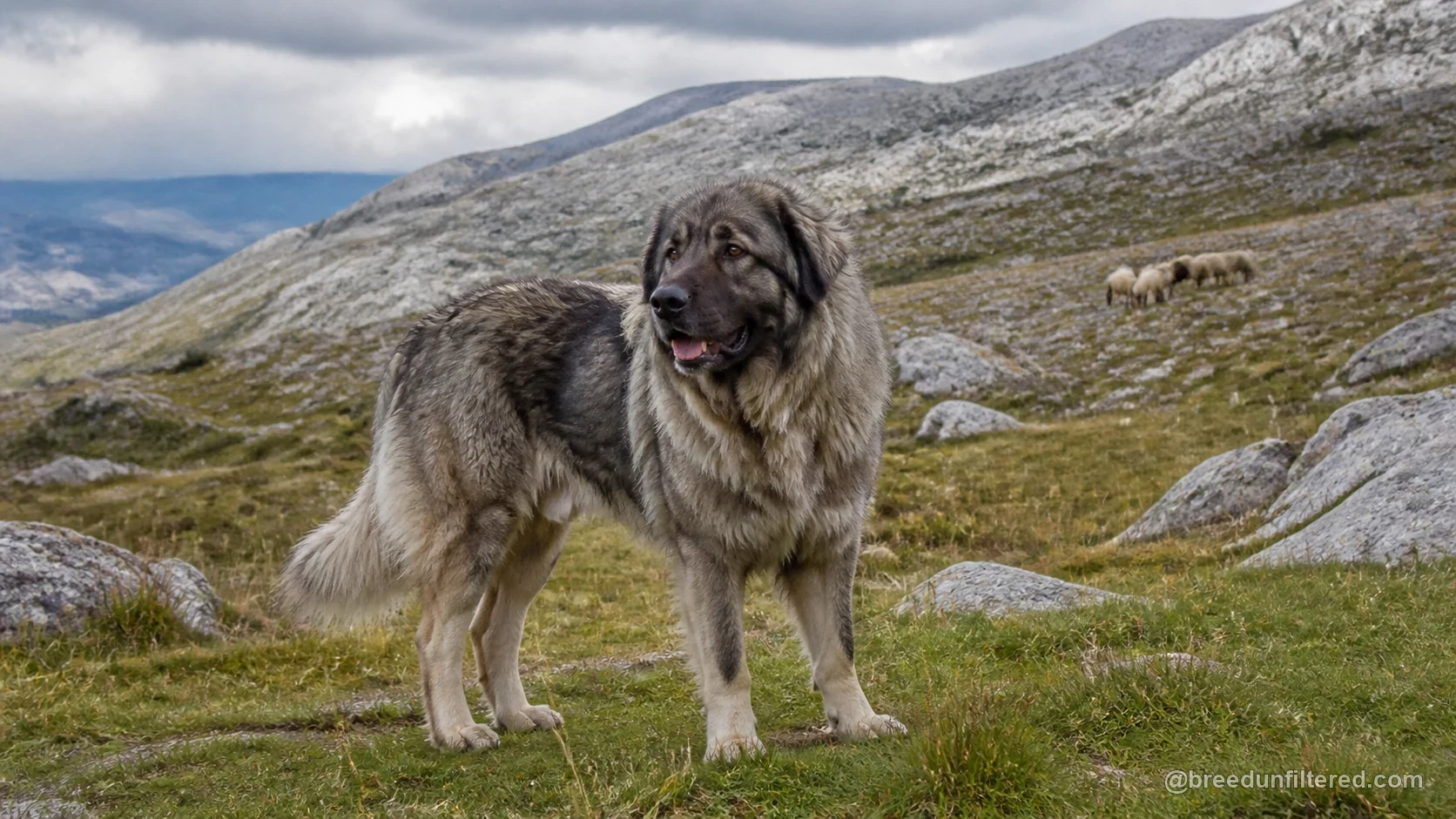
The Yugoslavian Shepherd Dog – Sharplanina, also known as the Šarplaninac, is a large livestock guardian breed from the mountainous regions of the Balkans. Recognized by the FCI under standard number 41, this breed has been protecting flocks for centuries, developing a calm, watchful, and independent character. Prospective owners should understand that this is not a typical companion dog; it is a working guardian with deep-rooted instincts that shape every aspect of its behavior.
This article provides a balanced overview of the Sharplanina's origin, temperament, exercise needs, training, family compatibility, grooming, and health considerations. It aims to help you decide whether this majestic breed fits your lifestyle, while emphasizing the responsibility that comes with owning a powerful and protective dog. Always consult breed-specific experts and ethical breeders for personalized guidance.
Origin and Purpose
The Sharplanina originates from the Šar Mountains, spanning the border between Kosovo and North Macedonia, where it has been used for centuries as a livestock guardian. Its primary role was to protect sheep and goats from predators such as wolves and bears. This heritage has shaped a dog that is independent, courageous, and deeply bonded to its flock and territory.
The breed was recognized by the FCI in 1939 under the name 'Ilirski Ovčar,' later renamed to reflect its geographic origin. Today, the Sharplanina is still used in its homeland for livestock protection, but it has also gained popularity as a guardian of property and family. Understanding its purpose is crucial: this is a dog that thrives when given a job, and its guarding instincts are not easily suppressed.
Temperament and Variation
The Sharplanina is known for its calm, dignified, and somewhat aloof demeanor. It is typically devoted to its family, but wary of strangers. This breed is not naturally aggressive without reason, but it will act decisively if it perceives a threat to its charges. Individual temperament varies, influenced by genetics, socialization, and training.
While some Sharplaninas may be more sociable, others are more reserved. They are not typically exuberant or playful in the way many companion breeds are. Instead, they exhibit a quiet confidence and a strong sense of responsibility. Prospective owners should be prepared for a dog that is serious, watchful, and not easily distracted from its self-appointed duties.
Exercise and Mental Work
Despite their large size, Sharplaninas are not high-energy dogs in the sense of needing constant activity. They are, however, accustomed to covering large distances in mountainous terrain. Daily walks and access to a securely fenced yard are essential, but vigorous exercise is not their primary need. Their real requirement is mental stimulation and a sense of purpose.
Without meaningful work, Sharplaninas can become bored and potentially develop behavioral issues. Activities that engage their guarding instincts, such as patrolling a property or participating in canine sports like obedience or tracking, can be beneficial. However, they are not typically suited for high-intensity sports like agility due to their size and independent nature. Mental enrichment through puzzle toys and training sessions is also important.
Training and Socialisation
Training a Sharplanina requires patience, consistency, and a calm, assertive approach. They are intelligent but independent, and they do not respond well to harsh or forceful methods. Positive reinforcement techniques, such as treats and praise, work best. Early socialization is critical to help them distinguish between normal and threatening situations.
Because of their guarding heritage, Sharplaninas may be naturally suspicious of unfamiliar people and animals. Exposing them to a variety of people, places, and well-behaved dogs from a young age can help them become more adaptable. However, even with excellent socialization, they will retain a protective instinct. Owners must be prepared to manage this behavior responsibly, using management tools like leashes and secure fencing.
Family and Other Pets
Sharplaninas can be devoted and gentle with their own family, including children, especially if raised with them. They are often patient and protective of kids, but their large size and guarding instincts mean supervision is essential. They may not tolerate rough handling from unfamiliar children, so interactions should always be monitored.
With other pets, Sharplaninas can coexist if raised together, but their prey drive and territorial nature can be challenging. They may view small animals, such as cats or rabbits, as prey, and they may be aggressive toward unfamiliar dogs, especially those of the same sex. Early socialization and clear boundaries are vital, but there is no guarantee of peaceful coexistence. Prospective owners should consider their existing pets carefully.
Grooming and Health
The Sharplanina has a thick, double coat that sheds seasonally. During shedding periods, daily brushing is necessary to manage loose hair and prevent matting. Outside of these times, weekly brushing is usually sufficient. They are generally clean dogs with minimal odor, and bathing should be infrequent to preserve natural oils.
As a breed, Sharplaninas are generally healthy, but like all large dogs, they can be prone to hip dysplasia and other joint issues. Responsible breeders screen their breeding stock for these conditions. They may also be susceptible to bloat, a life-threatening stomach condition. Regular veterinary check-ups and a balanced diet are important. Prospective owners should be prepared for potential health costs and seek a breeder who prioritizes health testing.
Costs and Responsibility
Owning a Sharplanina is a significant financial and time commitment. Initial costs include the purchase price, which can be high for a well-bred puppy, as well as supplies like a crate, fencing, and high-quality food. Ongoing expenses include veterinary care, grooming supplies, and pet insurance. Emergency medical costs can be substantial, especially for conditions like bloat.
Beyond finances, this breed requires an owner who understands its needs and can provide firm, fair leadership. Sharplaninas are not suitable for first-time dog owners or those living in apartments without secure outdoor space. They need a job, whether it's guarding livestock or a property, and they thrive in a rural or suburban setting with space to roam. Responsible ownership also involves proper containment and adherence to local leash laws.
Clear answers
FREQUENTLY ASKED QUESTIONS
Is the Sharplanina a good family dog?
The Sharplanina can be a good family dog for experienced owners who understand its guarding nature. It is typically devoted and protective of its family, including children, but its large size and strong instincts require careful supervision. Early socialization and training are essential to ensure it behaves appropriately around guests and in public.
How much exercise does a Sharplanina need?
Sharplaninas are not high-energy dogs, but they do need daily walks and access to a securely fenced yard. They are accustomed to covering large distances, so a long walk or hike is beneficial. Mental stimulation is equally important; without a job or engaging activities, they can become bored and develop behavioral issues.
Are Sharplaninas good with other dogs?
Sharplaninas can be territorial and may be aggressive toward unfamiliar dogs, especially those of the same sex. They can coexist with other pets if raised together, but their prey drive may make them unsafe around small animals. Early socialization and clear boundaries are crucial, but there are no guarantees.
Do Sharplaninas shed a lot?
Yes, Sharplaninas have a thick double coat that sheds heavily during seasonal changes. During these periods, daily brushing is needed to manage loose hair and prevent matting. Outside of shedding season, weekly brushing is usually sufficient. They are generally clean dogs with minimal odor.
Are Sharplaninas easy to train?
Sharplaninas are intelligent but independent, making training a challenge for novice owners. They respond best to positive reinforcement and consistent, patient methods. Harsh training can damage their trust. Early socialization and obedience training are essential to manage their guarding instincts and ensure they are well-behaved.
Sources and further reading
15-point breed scorecard
YUGOSLAVIAN SHEPHERD DOG - SHARPLANINA AT A GLANCE
Compare this breedScores describe typical breed tendencies from 1 to 10. They are not a quality ranking or a prediction for an individual dog.
Size and presence8/10
CompactVery large
Physical strength9/10
LightExceptional
Energy level7/10
LowRelentless
Exercise demand7/10
ModestVery demanding
Mental work needed7/10
ModerateDaily job
Trainability6/10
ChallengingExceptional
Everyday manageability2/10
SpecialistStraightforward
First-time owner fit3/10
Poor fitGood fit
Family-life fit6/10
LimitedExcellent
Dog sociability4/10
SelectiveVery social
Prey drive6/10
LowVery high
Guarding tendency10/10
MinimalSerious
Independence8/10
Handler-focusedSelf-directed
Grooming demand7/10
LightHeavy
Apartment fit3/10
Poor fitGood fit