Complete breed guide
Appenzell Cattle Dog OWNERSHIP GUIDE
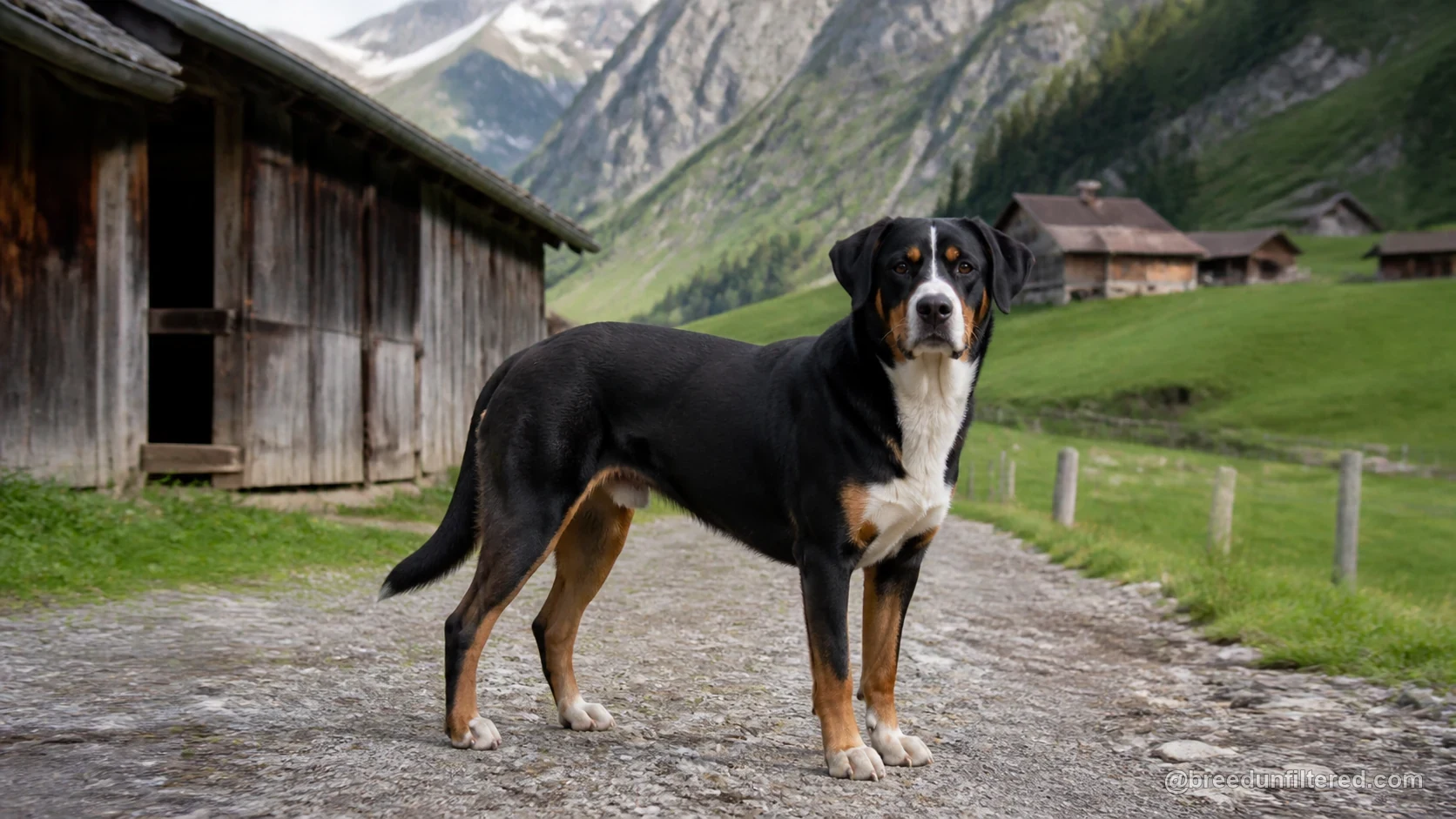
The Appenzell Cattle Dog, also known as the Appenzeller Sennenhund, is one of four Swiss mountain dog breeds, distinguished by its tricolor coat and boundless energy. Originating in the Appenzell region of Switzerland, this breed was historically used for herding cattle, guarding property, and serving as a versatile farm dog. Today, it remains a capable working dog and a devoted companion for active families who can meet its substantial exercise and mental stimulation needs.
Prospective owners should understand that the Appenzell Cattle Dog is not a couch potato. This breed thrives on activity, whether it's herding, agility, or long hikes. With a strong work ethic and a keen intelligence, it requires consistent training and early socialization to channel its energy positively. While loyal and affectionate with its family, it can be reserved with strangers and assertive with other dogs, making it best suited for experienced dog owners who appreciate a spirited and independent-minded partner.
Origin and Purpose
The Appenzell Cattle Dog is one of the four Swiss Sennenhund breeds, which also include the Greater Swiss Mountain Dog, the Bernese Mountain Dog, and the Entlebucher Mountain Dog. Its roots trace back to the Appenzell region of Switzerland, where it was developed as a versatile farm dog. Historical references suggest the breed existed in the 19th century, with a breed club established in 1906 to standardize the type. The FCI recognized the breed definitively in 1954, and it remains relatively rare outside its homeland.
Traditionally, the Appenzell Cattle Dog was used for herding cattle, driving livestock to market, and guarding farms. Its agility and endurance made it well-suited for the mountainous terrain. Today, while still used for herding in some areas, it also excels in dog sports such as agility, obedience, and tracking. The breed's strong work drive and versatility make it a valued companion for those who appreciate a dog with a purpose.
Temperament and Variation
The Appenzell Cattle Dog is known for its lively, alert, and confident temperament. It is typically loyal and affectionate with its family, often forming a strong bond with its primary caregiver. However, it can be wary of strangers and may exhibit protective instincts, making early socialization essential to ensure it distinguishes between friend and foe. The breed is also known for its high energy and enthusiasm, which can be both endearing and challenging for owners.
While individual dogs vary, the breed generally exhibits a strong herding instinct, which may manifest as nipping at heels or attempting to round up children and other pets. This behavior can be managed through training and redirection. Appenzell Cattle Dogs are intelligent and independent thinkers, which can sometimes translate into stubbornness. They respond best to positive, consistent training methods that engage their minds and reward cooperation.
Exercise and Mental Work
The Appenzell Cattle Dog is a high-energy breed that requires substantial daily exercise to remain physically and mentally satisfied. Activities such as long walks, jogging, hiking, and vigorous play sessions are essential. Without adequate exercise, these dogs may become restless and develop undesirable behaviors like excessive barking or digging. A securely fenced yard is recommended, as the breed's herding instincts may drive it to roam.
Mental stimulation is equally important. This breed excels in canine sports like agility, obedience, and herding trials, which provide both physical and cognitive challenges. Puzzle toys, scent work, and training sessions that teach new commands can help keep an Appenzell Cattle Dog engaged. Owners should be prepared to dedicate time each day to both physical and mental activities to prevent boredom and promote a well-balanced dog.
Training and Socialisation
Training an Appenzell Cattle Dog requires patience, consistency, and a positive approach. This breed is intelligent and learns quickly, but it can also be willful and may test boundaries. Early obedience training is crucial to establish leadership and prevent stubborn behaviors. Using reward-based methods, such as treats and praise, works best, while harsh corrections can damage the trust between dog and owner.
Socialisation is equally vital. Exposing the Appenzell Cattle Dog to a variety of people, animals, and environments from a young age helps mitigate its natural wariness of strangers and reduces the likelihood of aggression toward other dogs. Puppy classes and controlled introductions can be beneficial. With proper socialisation, the breed can learn to be tolerant and well-mannered in different situations, though it may always retain a protective streak.
Family and Pets
The Appenzell Cattle Dog can make a devoted family companion for active households. It is typically good with children, especially when raised with them, but its herding instinct may lead it to nip at running or playing kids. Supervision and training can teach the dog appropriate behavior. The breed's high energy may be overwhelming for very young children, so families should consider the dog's need for structured activity.
When it comes to other pets, the Appenzell Cattle Dog's herding background can be a double-edged sword. It may try to herd cats and smaller animals, which can be stressful for them. Early socialisation with other dogs can help, but the breed may be assertive or dominant with unfamiliar dogs. Owners should be prepared to manage introductions and provide clear boundaries to ensure peaceful coexistence with other pets.
Grooming and Health
The Appenzell Cattle Dog has a short, dense double coat that is relatively low-maintenance. Regular brushing, about once or twice a week, helps remove loose hair and keep the coat healthy. The breed sheds moderately year-round, with heavier shedding during seasonal changes. Bathing is only necessary when the dog is dirty, as over-bathing can strip natural oils. Routine care includes nail trimming, ear cleaning, and dental hygiene.
As with many purebred dogs, the Appenzell Cattle Dog may be prone to certain health conditions, though the breed is generally robust. Hip dysplasia and elbow dysplasia are seen in some lines, and eye disorders such as progressive retinal atrophy have been reported. Responsible breeders screen their breeding stock for these issues. Prospective owners should ask for health clearances and be prepared for potential veterinary costs. Regular check-ups and a balanced diet contribute to overall well-being.
Costs and Responsibility
Owning an Appenzell Cattle Dog involves significant financial and time commitments. Initial costs include the purchase price from a reputable breeder, which can be substantial, as well as supplies like a crate, bedding, and food. Ongoing expenses include high-quality dog food, routine veterinary care, vaccinations, and preventive medications. Pet insurance can help offset unexpected medical bills, but premiums add to the monthly budget.
Beyond finances, this breed demands a considerable investment of time and energy. Daily exercise, training, and mental stimulation are non-negotiable. Potential owners should honestly assess their lifestyle to ensure they can meet these needs. The Appenzell Cattle Dog is not suited for apartment living or sedentary households. It thrives in homes with space to run and owners who are committed to providing an active, engaging environment. Responsible ownership also includes proper socialisation and training to ensure the dog is a well-adjusted member of the community.
Clear answers
FREQUENTLY ASKED QUESTIONS
Is the Appenzell Cattle Dog good for first-time dog owners?
The Appenzell Cattle Dog is generally not recommended for first-time owners due to its high energy, intelligence, and independent nature. This breed requires consistent training, firm leadership, and ample exercise. Novice owners may find it challenging to manage its herding instincts and potential stubbornness. Experienced dog owners who understand the needs of working breeds are better suited to provide the structure and activity this dog requires.
How much exercise does an Appenzell Cattle Dog need?
The Appenzell Cattle Dog is a high-energy breed that needs substantial daily exercise to stay happy and healthy. While exact requirements vary by individual, most will benefit from at least an hour of vigorous activity each day, such as running, hiking, or playing fetch. In addition, mental stimulation through training, puzzle toys, or dog sports is essential to prevent boredom and destructive behaviors.
Are Appenzell Cattle Dogs good with children?
Appenzell Cattle Dogs can be good with children when properly socialised and trained. They are typically loyal and protective of their family, but their herding instinct may cause them to nip at children's heels in an attempt to herd them. Supervision and teaching the dog appropriate behavior are important. With consistent training, they can learn to interact gently, but they may be too energetic for very young children.
Do Appenzell Cattle Dogs get along with other dogs?
Appenzell Cattle Dogs can be assertive and may not always get along with unfamiliar dogs. Early and ongoing socialisation is crucial to help them develop good canine manners. They may be more accepting of dogs they are raised with, but they can be dominant or territorial with strangers. Owners should manage introductions carefully and provide clear leadership to prevent conflicts.
What is the lifespan of an Appenzell Cattle Dog?
The typical lifespan of an Appenzell Cattle Dog is around 12 to 14 years, though some may live longer with proper care. As with any breed, genetics, diet, exercise, and regular veterinary care play significant roles in overall health and longevity. Responsible breeding practices can help reduce the risk of inherited health conditions, contributing to a longer, healthier life.
Sources and further reading
Scores describe typical breed tendencies from 1 to 10. They are not a quality ranking or a prediction for an individual dog.
Size and presence8/10
CompactVery large
Physical strength9/10
LightExceptional
Energy level7/10
LowRelentless
Exercise demand8/10
ModestVery demanding
Mental work needed7/10
ModerateDaily job
Trainability6/10
ChallengingExceptional
Everyday manageability2/10
SpecialistStraightforward
First-time owner fit2/10
Poor fitGood fit
Family-life fit6/10
LimitedExcellent
Dog sociability4/10
SelectiveVery social
Prey drive6/10
LowVery high
Guarding tendency9/10
MinimalSerious
Independence7/10
Handler-focusedSelf-directed
Grooming demand5/10
LightHeavy
Apartment fit3/10
Poor fitGood fit