Complete breed guide
Welsh Corgi (Cardigan) OWNERSHIP GUIDE
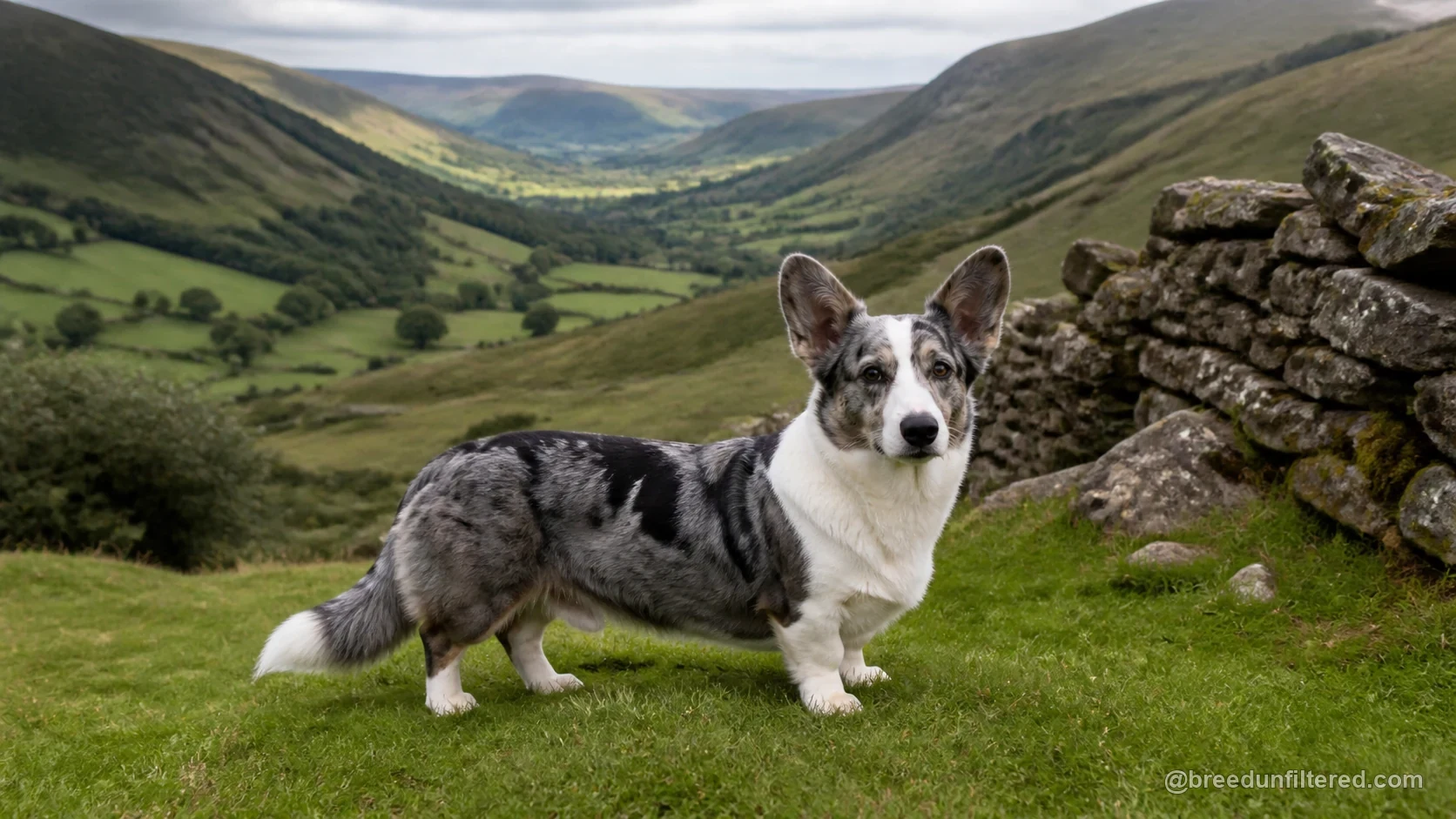
The Cardigan Welsh Corgi, one of two distinct Corgi breeds, is a sturdy, long-bodied dog with a fox-like expression and a history rooted in Welsh farming. Unlike its better-known cousin, the Pembroke, the Cardigan has a full tail and rounded ears, and it descends from a different lineage. These dogs were bred to drive cattle, a task that required courage, agility, and a sharp mind, traits that still define the breed today.
For prospective owners, the Cardigan offers a blend of loyalty, intelligence, and a surprisingly adaptable nature. They can thrive in various living situations, from country homes to apartments, provided they receive adequate exercise and mental stimulation. However, their herding instincts and strong-willed personality mean they are not a breed for everyone. This guide explores the Cardigan's origins, temperament, care needs, and the responsibilities of ownership, helping you decide if this remarkable dog is the right fit for your family.
Origin and Purpose
The Cardigan Welsh Corgi is an ancient breed, believed to have arrived in Wales with Celtic tribes over 3,000 years ago. The name 'Corgi' derives from the Welsh words 'cor' (dwarf) and 'ci' (dog), reflecting their small stature. For centuries, these dogs were invaluable farmhands, herding cattle by nipping at their heels and dodging kicks with their agile, low-slung bodies. Their primary role was to drive livestock from pasture to pasture and to the market, a task that required endurance, intelligence, and a fearless attitude.
The breed's development was isolated in Cardiganshire, a county in West Wales, where they were prized for their working ability. Unlike the Pembroke, which was influenced by Spitz-type dogs, the Cardigan shares ancestry with the Dachshund and the Swedish Vallhund, giving it a distinct look and temperament. Recognized by the FCI in 1934, the Cardigan remains a relatively rare breed today, but its loyal and versatile nature continues to attract devoted owners worldwide.
Temperament and Variation
Cardigan Welsh Corgis are known for their loyal, affectionate, and playful nature. They form strong bonds with their families and are often described as 'big dogs in a small body.' They are alert and watchful, making them good watchdogs, but they are not typically aggressive. Their herding instinct can manifest in behaviors like nipping at heels or trying to round up children and other pets, which requires management and training. While individual temperaments vary, most Cardigans are intelligent, sensitive, and eager to please, though they can also be independent and stubborn at times.
The breed is generally even-tempered and adaptable, but they thrive on human companionship and can become destructive if left alone for long periods. They are known for their 'Corgi talk' – a range of vocalizations from barks to grumbles – which they use to communicate. Early socialization is crucial to ensure they are comfortable with strangers and other animals. With proper upbringing, a Cardigan can be a delightful and devoted companion, but they are not a breed that will simply lie around all day; they need engagement and purpose.
Exercise and Mental Work
Cardigan Welsh Corgis are moderately active dogs that require daily exercise to keep them physically and mentally fit. A couple of walks per day, combined with playtime in a securely fenced yard, can meet their needs. However, they are not high-energy athletes; they are more like 'sprinters' who enjoy bursts of activity. Off-leash exercise is not recommended due to their strong herding instincts and tendency to chase, so a reliable recall is essential. They also enjoy canine sports like agility, obedience, and herding trials, which provide both physical and mental challenges.
Mental stimulation is just as important as physical exercise for this intelligent breed. Puzzle toys, nose work, and training sessions that teach new tricks can prevent boredom and destructive behaviors. Without adequate mental engagement, Cardigans may become bored and develop habits like excessive barking or chewing. They are quick learners and often excel in activities that require problem-solving, making them a joy to train for owners who are willing to invest time and creativity.
Training and Socialisation
Training a Cardigan Welsh Corgi requires patience, consistency, and a positive approach. They are intelligent and responsive, but they also have a stubborn streak and may question commands if they see no benefit. Reward-based methods using treats, praise, and play work best, while harsh corrections can damage their trust and willingness to cooperate. Early training should focus on basic obedience, impulse control, and recall, as their herding instincts can lead to chasing and nipping. Crate training can also be helpful for housebreaking and providing a safe space.
Socialisation is critical from a young age. Expose your Cardigan to a variety of people, places, sounds, and other animals to help them become well-adjusted adults. Puppy classes and controlled introductions to other dogs can reduce the risk of fearfulness or aggression. While Cardigans are generally good with children and other pets when raised together, their herding behavior may need to be redirected. They can be wary of strangers, so ongoing positive experiences are key to fostering a confident, friendly companion.
Family and Pets
Cardigan Welsh Corgis can make excellent family dogs, especially in households with older children who understand how to interact with dogs. They are playful and affectionate, often forming a special bond with one person but enjoying the whole family. Their herding instinct may lead them to nip at children's heels, so supervision and training are necessary to teach them appropriate behavior. They are generally tolerant and patient, but like all dogs, they need respect and space. With proper socialization, they can get along well with other dogs and even cats, though they may try to herd them.
Because of their size and sturdy build, Cardigans are not fragile and can handle rough play, but they are not ideal for families with very young children who might accidentally hurt them or provoke a defensive reaction. They are also protective of their family and home, making them good watchdogs. However, they can be reserved with strangers, so early and ongoing socialisation is essential. For active families who can provide structure and exercise, a Cardigan can be a loyal and loving addition.
Grooming and Health
The Cardigan Welsh Corgi has a double coat that sheds moderately year-round and heavily during seasonal changes. Regular brushing, at least two to three times a week, helps manage loose hair and keeps the coat healthy. They do not require frequent baths, but their nails should be trimmed regularly, and their ears checked for debris. They are a generally healthy breed, but like all purebreds, they are prone to certain conditions. Responsible breeders screen for hip dysplasia, progressive retinal atrophy (PRA), and degenerative myelopathy, among others. Regular veterinary check-ups and a balanced diet are essential for their well-being.
Due to their long backs, Cardigans are susceptible to intervertebral disc disease (IVDD), so it's important to prevent obesity and avoid activities that involve jumping from high surfaces or excessive stair climbing. Maintaining a healthy weight is crucial to reduce stress on their spine. They also have a tendency to gain weight, so portion control and regular exercise are vital. With proper care, Cardigans can live 12 to 15 years, providing many years of companionship. Prospective owners should be prepared for potential health costs and choose a breeder who performs health testing.
Costs and Responsibility
Owning a Cardigan Welsh Corgi is a long-term commitment that involves financial and time investments. The initial cost of a puppy from a reputable breeder can range from $1,500 to $3,000 or more, depending on location and pedigree. Ongoing expenses include high-quality food, routine veterinary care, vaccinations, parasite prevention, and grooming supplies. Unexpected medical costs can arise, so pet insurance or a savings fund is advisable. Additionally, owners must budget for training classes, toys, and equipment like crates and leashes.
Beyond finances, Cardigans require daily exercise, mental stimulation, and companionship. They are not a breed that can be left alone for long hours, and they thrive in homes where someone is often present. Prospective owners should assess their lifestyle and ability to meet these needs. Adopting from a rescue or shelter is also an option, giving a home to a dog in need. Responsible ownership includes providing proper training, socialisation, and a safe environment, as well as being prepared for the dog's entire lifespan. This breed is rewarding for those who are ready for the commitment.
Clear answers
FREQUENTLY ASKED QUESTIONS
Are Cardigan Welsh Corgis good with children?
Cardigan Welsh Corgis can be good with children, especially when raised together and properly socialized. They are playful and affectionate, but their herding instinct may lead them to nip at heels. Supervision and training are important to teach them appropriate behavior. They are generally better suited to families with older children who can interact respectfully.
How much exercise does a Cardigan Welsh Corgi need?
Cardigan Welsh Corgis need moderate daily exercise, such as a couple of walks and playtime in a fenced yard. They are not high-energy but enjoy bursts of activity. Mental stimulation is equally important to prevent boredom. Activities like puzzle toys and training sessions can help meet their needs.
Do Cardigan Welsh Corgis shed a lot?
Yes, Cardigan Welsh Corgis shed moderately year-round and heavily during seasonal changes. Regular brushing, at least two to three times a week, helps manage loose hair. They have a double coat that requires minimal bathing but consistent grooming to keep it healthy.
Are Cardigan Welsh Corgis easy to train?
Cardigan Welsh Corgis are intelligent and eager to please, but they can also be stubborn. They respond best to positive reinforcement methods like treats and praise. Consistency and patience are key. Early training and socialization are essential to manage their herding instincts and ensure good behavior.
What health issues are common in Cardigan Welsh Corgis?
Cardigan Welsh Corgis are prone to certain health conditions, including hip dysplasia, progressive retinal atrophy (PRA), and degenerative myelopathy. They are also at risk for intervertebral disc disease (IVDD) due to their long backs. Responsible breeders screen for these issues, and maintaining a healthy weight can help reduce risks.
Sources and further reading
Scores describe typical breed tendencies from 1 to 10. They are not a quality ranking or a prediction for an individual dog.
Size and presence6/10
CompactVery large
Physical strength5/10
LightExceptional
Energy level9/10
LowRelentless
Exercise demand9/10
ModestVery demanding
Mental work needed10/10
ModerateDaily job
Trainability8/10
ChallengingExceptional
Everyday manageability3/10
SpecialistStraightforward
First-time owner fit4/10
Poor fitGood fit
Family-life fit7/10
LimitedExcellent
Dog sociability6/10
SelectiveVery social
Prey drive7/10
LowVery high
Guarding tendency8/10
MinimalSerious
Independence7/10
Handler-focusedSelf-directed
Grooming demand6/10
LightHeavy
Apartment fit4/10
Poor fitGood fit