Complete breed guide
Pyrenean Sheepdog - Smooth Faced OWNERSHIP GUIDE
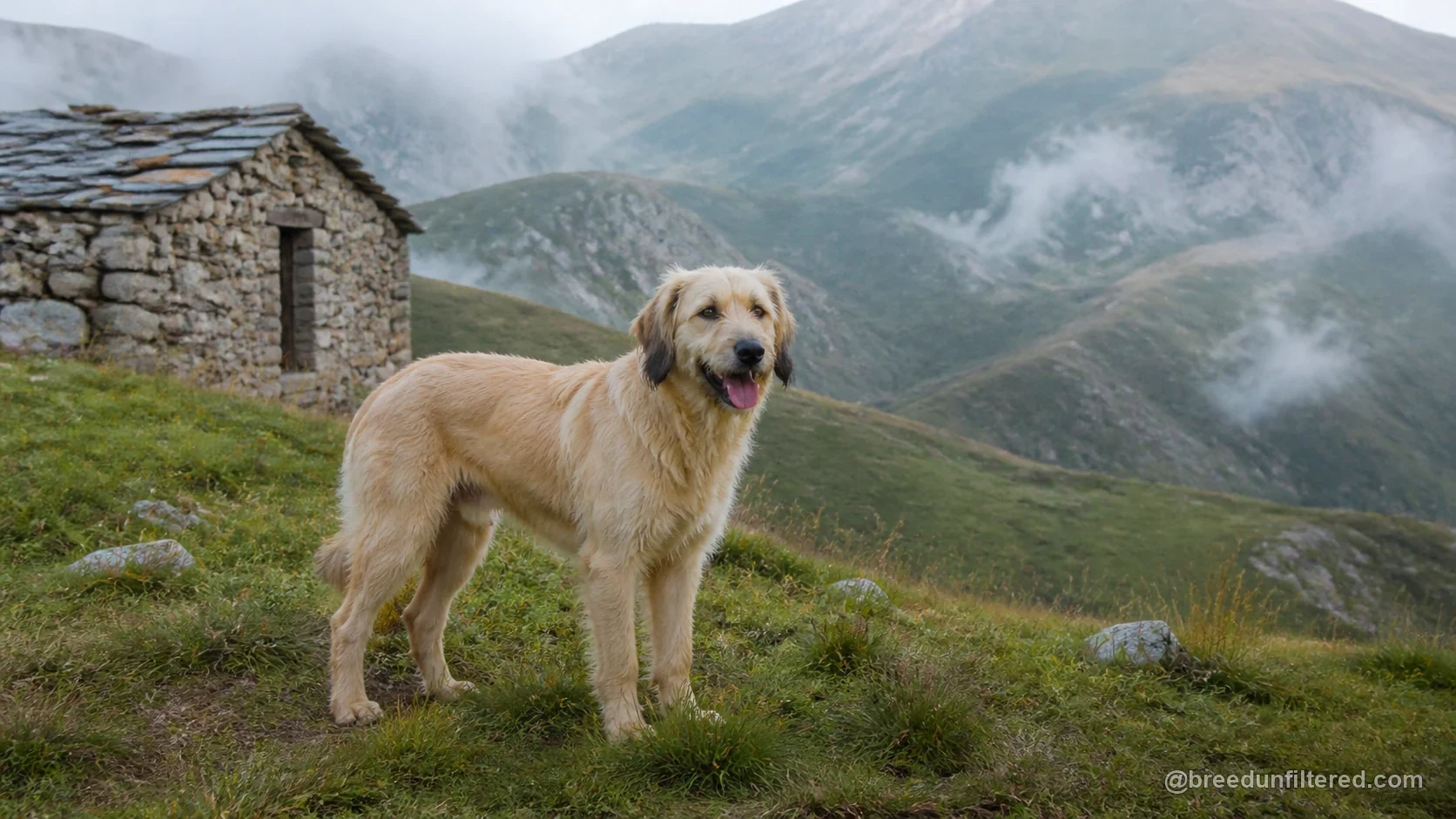
The Pyrenean Sheepdog Smooth Faced is a lesser-known herding breed from the French Pyrenees, sharing ancestry with the more familiar rough-faced variety. Recognized by the FCI under standard number 138, this dog is prized for its agility, intelligence, and strong herding instinct. Its smooth face and shorter coat distinguish it from its cousin, yet it retains the same lively, responsive character that has made Pyrenean shepherds indispensable to mountain flocks for centuries.
For prospective owners, this breed offers a fascinating blend of working drive and affectionate companionship. However, it is not a dog for everyone. Its high energy, keen mind, and natural suspicion of strangers demand an active lifestyle and consistent training. This guide aims to provide a balanced overview of the breed's origins, temperament, care needs, and the practical considerations of living with a Smooth Faced Pyrenean Sheepdog, helping you decide if this unique herder is the right match for your home.
Origin and Purpose
The Pyrenean Sheepdog Smooth Faced originates from the Pyrenees Mountains, where it has worked alongside shepherds for centuries, primarily as a herding dog for sheep and other livestock. Unlike the Great Pyrenees, which guards flocks, the Pyrenean Sheepdog is a herder, moving animals with agility and responsiveness. The breed's exact origins are ancient, with references to small shepherd dogs in the region dating back to medieval times, but it was not formally standardized until the 20th century.
The Smooth Faced variety, also known as 'face rase' in French, is one of two coat types within the breed, the other being the rough-faced. Both share the same working heritage, but the smooth-faced type has a shorter, finer coat on the face, which some shepherds preferred for easier maintenance in certain conditions. The breed remains relatively rare outside its native France, and its primary purpose is still herding, though it also excels in dog sports such as agility and obedience.
Temperament and Variation
The Pyrenean Sheepdog Smooth Faced is known for its lively, alert, and intelligent temperament. It is a devoted companion to its family, often forming a strong bond with one person, yet it can be wary of strangers, a trait that makes it an effective watchdog. This breed is highly responsive and sensitive, picking up on its owner's moods and cues, which can be both a joy and a challenge. Individual variation exists, with some dogs being more outgoing and others more reserved, but the core herding instinct is strong.
Prospective owners should understand that this is a dog with a mind of its own. It is not a 'couch potato' and will thrive in an environment where it has a job to do, whether that is herding, participating in dog sports, or engaging in interactive games. Its sensitivity means it does not respond well to harsh training methods; instead, it flourishes with positive reinforcement and clear, consistent guidance. While it can be affectionate, it may also exhibit a stubborn streak, requiring patience and creativity from its owner.
Exercise and Mental Work
As a herding breed, the Pyrenean Sheepdog Smooth Faced has substantial exercise needs. It is not a dog that can be satisfied with a short daily walk; it requires ample opportunity to run, play, and engage in activities that challenge its body and mind. A securely fenced yard is ideal, as this breed has a tendency to chase and may roam if given the chance. Regular off-leash exercise in a safe area, such as a dog park or open field, can help meet its high energy levels.
Mental stimulation is equally important. This intelligent dog needs puzzles, training sessions, and tasks that engage its problem-solving abilities. Without sufficient mental and physical activity, it may develop undesirable behaviors such as excessive barking, digging, or herding family members. Activities like agility, flyball, or herding trials can provide an excellent outlet for its instincts. Owners should be prepared to dedicate time each day to both physical exercise and mental enrichment to keep this breed happy and balanced.
Training and Socialisation
Training a Pyrenean Sheepdog Smooth Faced requires a thoughtful approach. This breed is intelligent and eager to learn, but it can also be independent and sensitive. Positive reinforcement methods, using treats, praise, and play, work best. Harsh corrections or heavy-handed training can damage the trust between dog and owner and lead to resistance. Consistency and patience are key, as is starting training early to establish good habits and prevent the development of unwanted behaviors.
Socialisation is crucial, especially given the breed's natural wariness of strangers and other dogs. Early and ongoing exposure to a variety of people, animals, environments, and situations can help the dog become a well-adjusted adult. Puppy classes and controlled introductions to new experiences are recommended. While the breed can get along with other dogs, its herding instinct may lead it to try to 'herd' children or other pets, so supervision and training are necessary to manage this behavior.
Family and Other Pets
The Pyrenean Sheepdog Smooth Faced can make a loyal and affectionate family companion for the right household. It tends to bond closely with its family and may be particularly devoted to one person. However, its herding instincts can lead it to nip at heels, especially with children, so early training and supervision are essential. The breed is generally good with older children who understand how to interact respectfully with dogs, but it may not be the best choice for families with very young children due to its high energy and potential for herding behavior.
When it comes to other pets, this breed can coexist with cats and other dogs if raised with them, but its prey drive may be triggered by small animals such as rabbits or rodents. Its herding instinct may also cause it to chase or circle other pets, which can be stressful for them. Proper introductions and training can mitigate these issues, but owners should be prepared to manage the dog's natural instincts. Overall, this breed is best suited to active families who can provide plenty of exercise and mental stimulation.
Grooming and Health
The Smooth Faced Pyrenean Sheepdog has a relatively low-maintenance coat compared to its rough-faced counterpart. Its short, fine facial hair and medium-length body coat require regular brushing, typically once or twice a week, to remove loose hair and prevent matting. During shedding seasons, more frequent brushing may be needed. Bathing is only necessary when the dog is dirty, as over-bathing can strip natural oils. Routine care includes nail trimming, ear cleaning, and dental hygiene.
As with many purebred dogs, the Pyrenean Sheepdog Smooth Faced may be prone to certain health conditions, though the breed is generally hardy. Potential issues include hip dysplasia, eye disorders, and patellar luxation, but these are not guaranteed. Responsible breeders screen for these conditions. The breed's lifespan is typically 10-15 years. Prospective owners should be prepared for routine veterinary care and consider pet insurance to help manage unexpected health costs. Regular exercise and a balanced diet are important for maintaining overall health.
Costs and Responsibility
Owning a Pyrenean Sheepdog Smooth Faced involves significant financial and time commitments. The initial cost of a puppy from a reputable breeder can vary, and it is important to choose a breeder who health tests and raises puppies in a home environment. Beyond the purchase price, owners must budget for food, veterinary care, grooming supplies, training classes, and equipment. Ongoing costs can add up, and emergency medical expenses should be considered.
Responsibility also extends to providing proper care, training, and socialization throughout the dog's life. This breed is not suitable for a sedentary lifestyle or for owners who are away from home for long periods. It thrives on human interaction and activity. Prospective owners should honestly assess their ability to meet the breed's needs before committing. Adopting from a rescue or breed-specific organization is another option, though availability may be limited. Ultimately, responsible ownership means being prepared for the long-term commitment of caring for a lively, intelligent herding dog.
Clear answers
FREQUENTLY ASKED QUESTIONS
Is the Pyrenean Sheepdog Smooth Faced a good family dog?
The Pyrenean Sheepdog Smooth Faced can be a good family dog for active households with older children. It is loyal and affectionate but has strong herding instincts that may lead to nipping at heels. Early training and supervision are essential to manage this behavior. It may not be ideal for families with very young children due to its high energy and sensitivity.
How much exercise does a Pyrenean Sheepdog Smooth Faced need?
This breed has high exercise needs and requires daily vigorous activity, such as running, playing, or participating in dog sports. A short walk is not sufficient. Mental stimulation is equally important to prevent boredom and destructive behaviors. Owners should be prepared to dedicate at least an hour or more each day to exercise and enrichment.
Are Pyrenean Sheepdogs Smooth Faced good with other pets?
They can coexist with cats and other dogs if raised with them, but their herding instinct may cause them to chase or circle smaller animals. Prey drive can be triggered by small pets like rabbits. Proper introductions and training can help, but supervision is recommended. Early socialization is key to fostering good relationships.
What is the grooming requirement for a Smooth Faced Pyrenean Sheepdog?
The Smooth Faced variety has a relatively low-maintenance coat. Regular brushing once or twice a week helps remove loose hair and prevent matting. More frequent brushing may be needed during shedding seasons. Bathing should be done only when necessary. Routine nail trimming, ear cleaning, and dental care are also part of grooming.
Is the Pyrenean Sheepdog Smooth Faced easy to train?
This breed is intelligent and eager to please, but it can also be independent and sensitive. Positive reinforcement methods work best, while harsh training can be counterproductive. Consistency and patience are essential. Early training and socialization are crucial to shape a well-behaved adult dog. It excels in activities that engage its mind.
Sources and further reading
Scores describe typical breed tendencies from 1 to 10. They are not a quality ranking or a prediction for an individual dog.
Size and presence6/10
CompactVery large
Physical strength5/10
LightExceptional
Energy level8/10
LowRelentless
Exercise demand8/10
ModestVery demanding
Mental work needed10/10
ModerateDaily job
Trainability8/10
ChallengingExceptional
Everyday manageability4/10
SpecialistStraightforward
First-time owner fit4/10
Poor fitGood fit
Family-life fit7/10
LimitedExcellent
Dog sociability6/10
SelectiveVery social
Prey drive7/10
LowVery high
Guarding tendency8/10
MinimalSerious
Independence7/10
Handler-focusedSelf-directed
Grooming demand4/10
LightHeavy
Apartment fit4/10
Poor fitGood fit