Complete breed guide
Schipperke OWNERSHIP GUIDE
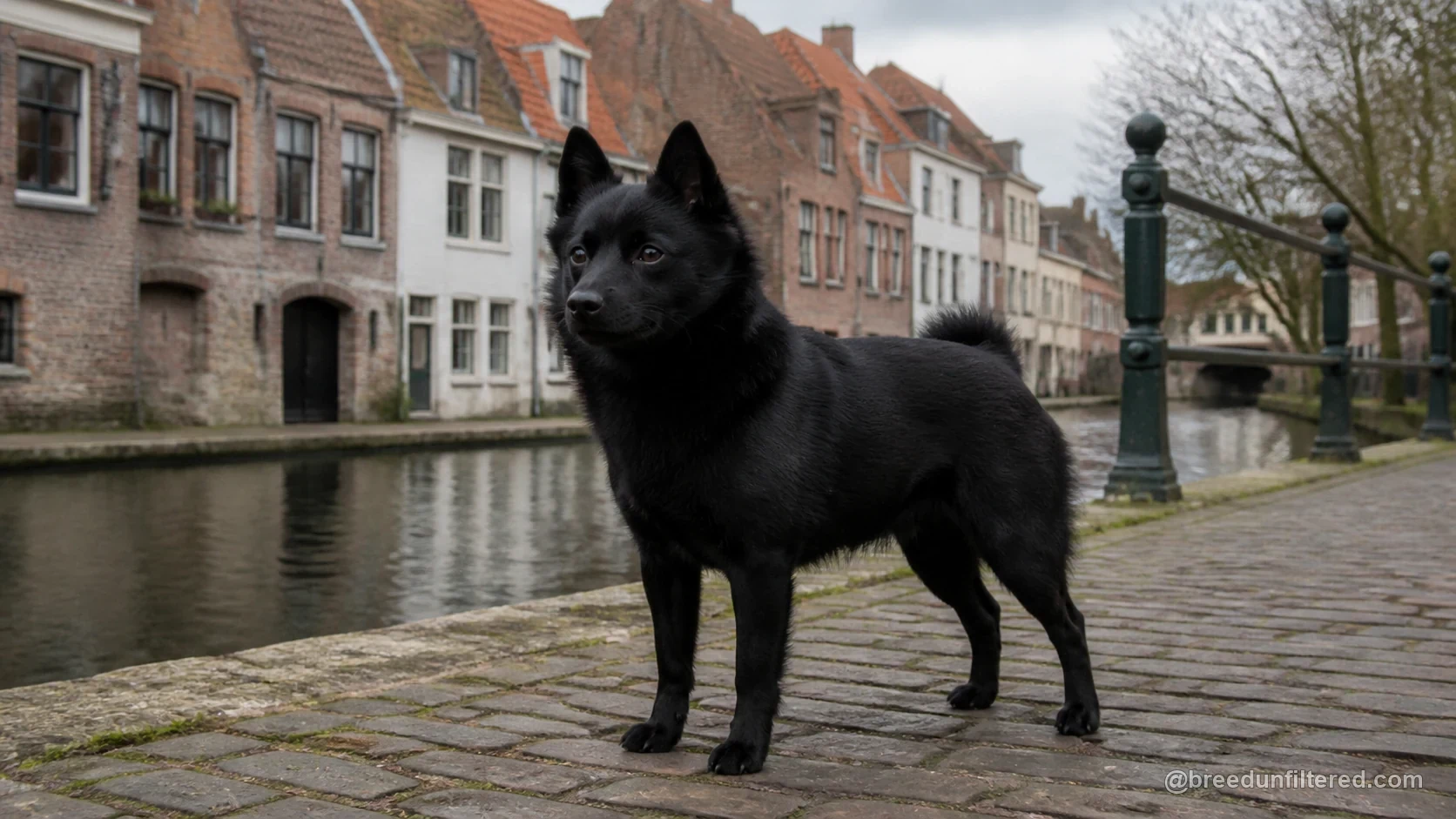
The Schipperke, a small black dog with a distinctive fox-like face and a confident carriage, hails from Belgium, where it was historically a watchdog on canal barges and in workshops. Its name, pronounced 'SHEEP-er-ker' or 'SKIP-er-ker', is Flemish for 'little captain' or 'little boatman', reflecting its maritime heritage. This breed is not a miniature of any larger breed but a distinct spitz-type dog, known for its boundless energy, curiosity, and a personality that often belies its size.
Prospective owners should understand that the Schipperke is a spirited, intelligent, and sometimes stubborn companion. It is not a lapdog in the traditional sense, though it forms strong bonds with its family. With a history of working independently, this breed thrives on mental and physical challenges. This article provides an evidence-conscious overview of the Schipperke's origins, temperament, care requirements, and the practical responsibilities of ownership, helping you decide if this 'little captain' is the right first mate for your household.
Origin and Purpose
The Schipperke originated in the Flemish regions of Belgium, where it was a common sight on canal boats and in small shops as a ratter and watchdog. Its ancestors are believed to be the same black sheepdogs that gave rise to the Belgian Shepherd breeds, but the Schipperke developed into a smaller, distinct type over centuries. The breed was formally recognized in the late 19th century, with the first breed club established in 1888, and the FCI standard was published in 1889, making it one of the older recognized breeds.
Historically, the Schipperke was valued for its alertness and vermin-catching ability, often accompanying bargemen along the waterways. Its compact size and thick coat allowed it to work in various weather conditions. Today, while it no longer serves as a working boat dog, the Schipperke retains its keen watchdog instincts and energetic disposition. The FCI standard (number 83) places it in Group 1, Sheepdogs and Cattle Dogs (except Swiss Cattle Dogs), reflecting its herding heritage, though it is primarily a companion today.
Temperament and Variation
The Schipperke is known for its curious, confident, and sometimes mischievous personality. It is often described as a 'big dog in a small body' due to its boldness and protective nature. While individual temperaments vary, the breed generally exhibits high energy, intelligence, and a strong will. Schipperkes are typically loyal to their families and can be reserved or aloof with strangers, making them excellent watchdogs. They are also known for their 'cat-like' cleanliness and tendency to chase small animals, a trait rooted in their ratter history.
There is some variation in temperament within the breed, influenced by genetics, socialization, and training. Some Schipperkes may be more outgoing, while others are more cautious. They are not typically aggressive but can be territorial and vocal. Because of their intelligence and independence, they may test boundaries, so consistent, positive training is essential. Prospective owners should meet several adult Schipperkes to get a sense of the breed's typical demeanor, but always remember that each dog is an individual.
Exercise and Mental Work
Schipperkes are energetic dogs that require regular physical activity to stay healthy and content. They enjoy brisk walks, play sessions, and opportunities to run in a securely fenced area. However, their exercise needs are not extreme; a couple of daily walks plus active play can suffice for many adults. Because they were bred to work, they also need mental stimulation to prevent boredom, which can lead to destructive behaviors like chewing or digging. Puzzle toys, obedience training, and interactive games are excellent outlets.
Mental work is as important as physical exercise for this intelligent breed. Schipperkes excel at dog sports such as agility, obedience, and rally, which challenge their minds and bodies. They also enjoy learning tricks and participating in activities that involve problem-solving. Without adequate mental engagement, a Schipperke may become restless and develop behavioral issues. Owners should be prepared to dedicate time each day to both physical and mental enrichment, tailoring the intensity to the individual dog's age and fitness level.
Training and Socialisation
Training a Schipperke requires patience, consistency, and a positive approach. This breed is intelligent but can be stubborn, so harsh methods are counterproductive. Early socialization is crucial to help them become well-adjusted adults; expose them to various people, animals, environments, and sounds from a young age. Puppy classes and regular positive interactions can reduce the risk of shyness or over-protectiveness. Schipperkes respond well to reward-based training, using treats, praise, and play as motivators.
Because of their independent nature, Schipperkes may sometimes appear to 'ignore' commands, but they are quick learners. Short, varied training sessions are more effective than long, repetitive ones. They also benefit from a firm but gentle leader; they respect owners who are calm and consistent. Crate training can be helpful for housebreaking and providing a safe den. With proper training and socialization, a Schipperke can become a well-mannered companion, though they may always retain a bit of their mischievous streak.
Family and Other Pets
Schipperkes can make excellent family dogs for households with older children who understand how to interact respectfully with dogs. They are playful and can be very affectionate with their family members, but they may not tolerate rough handling or teasing. Because of their herding and ratting instincts, they may chase small children or pets, so supervision is necessary. With proper socialization, they can live peacefully with cats and other dogs, but they may view small rodents or birds as prey.
This breed tends to bond closely with one or two people and can be somewhat reserved with strangers, making them good watchdogs. They are not typically aggressive but will alert their family to unusual activity. In multi-pet households, introductions should be gradual and controlled. Schipperkes often do best in homes where they are considered part of the family and included in daily activities, rather than left alone for long periods. They are adaptable but thrive with consistent routines and clear boundaries.
Grooming and Health
The Schipperke has a double coat: a soft, dense undercoat and a harsher, longer outer coat. They are moderate shedders year-round and experience heavier shedding during seasonal changes, often referred to as 'blowing coat.' Regular brushing, at least two to three times a week, helps manage loose hair and keeps the coat healthy. They do not require frequent bathing, but occasional baths and regular nail trims, ear cleaning, and dental care are part of routine grooming.
As a breed, Schipperkes are generally healthy, but like all dogs, they can be prone to certain conditions. Some health concerns reported in the breed include hip dysplasia, patellar luxation, and eye disorders such as progressive retinal atrophy. Responsible breeders screen for these issues. The breed's lifespan is typically 13 to 15 years. Owners should maintain regular veterinary check-ups and a balanced diet to support overall health. It is important to note that not all individuals will develop these conditions, and genetic testing helps reduce risks.
Costs and Responsibility
Owning a Schipperke involves financial and time commitments. Initial costs include the purchase price from a reputable breeder, which can vary, and essential supplies like a crate, bedding, food, and grooming tools. Ongoing expenses include high-quality dog food, routine veterinary care, vaccinations, parasite prevention, and pet insurance. Emergency medical costs can be significant, so planning is wise. Additionally, owners should budget for training classes, which are beneficial for this intelligent breed.
Beyond finances, Schipperkes require a significant time investment for exercise, training, and companionship. They are not a breed that can be left alone for long hours without potential behavioral issues. Prospective owners should assess their lifestyle and ensure they can provide a stimulating environment. Adoption from a rescue is also an option, and many breed-specific rescues exist. Responsible ownership includes lifelong care, so it is crucial to be prepared for the 13-15 year commitment that a Schipperke represents.
Clear answers
FREQUENTLY ASKED QUESTIONS
Are Schipperkes good with children?
Schipperkes can be good with children, especially if raised with them and properly socialized. They are playful and can form strong bonds, but they may not tolerate rough handling. Supervision is recommended, especially with younger children, to ensure safe interactions. Teaching children how to approach and handle dogs respectfully is essential.
Do Schipperkes bark a lot?
Schipperkes are alert and tend to bark to notify their family of unusual sights or sounds. They can be vocal, but with training, excessive barking can be managed. Providing adequate mental and physical stimulation can reduce nuisance barking. Early socialization helps them distinguish between real threats and everyday occurrences.
Are Schipperkes easy to train?
Schipperkes are intelligent and can learn quickly, but they are also independent and sometimes stubborn. Positive reinforcement methods work best. Consistency and patience are key. They respond well to short, varied training sessions and may become bored with repetition. Early socialization and obedience classes are recommended.
How much exercise does a Schipperke need?
Schipperkes are energetic and need daily exercise, but their needs are moderate. A couple of walks and active play sessions usually suffice. They also require mental stimulation to prevent boredom. Activities like agility or puzzle toys can help meet their exercise and mental needs. Adjust intensity based on age and health.
Do Schipperkes shed a lot?
Schipperkes shed moderately year-round and heavily during seasonal changes. Regular brushing, at least two to three times a week, helps manage loose hair. During shedding seasons, daily brushing may be necessary. They are not hypoallergenic, and their grooming needs are moderate compared to some breeds.
Sources and further reading
Scores describe typical breed tendencies from 1 to 10. They are not a quality ranking or a prediction for an individual dog.
Size and presence4/10
CompactVery large
Physical strength4/10
LightExceptional
Energy level9/10
LowRelentless
Exercise demand9/10
ModestVery demanding
Mental work needed10/10
ModerateDaily job
Trainability8/10
ChallengingExceptional
Everyday manageability4/10
SpecialistStraightforward
First-time owner fit4/10
Poor fitGood fit
Family-life fit7/10
LimitedExcellent
Dog sociability6/10
SelectiveVery social
Prey drive7/10
LowVery high
Guarding tendency8/10
MinimalSerious
Independence5/10
Handler-focusedSelf-directed
Grooming demand8/10
LightHeavy
Apartment fit5/10
Poor fitGood fit