The honest version
WHAT THIS DOG NEEDS
A high-drive working dog that needs daily physical outlets, real training and a job with structure.
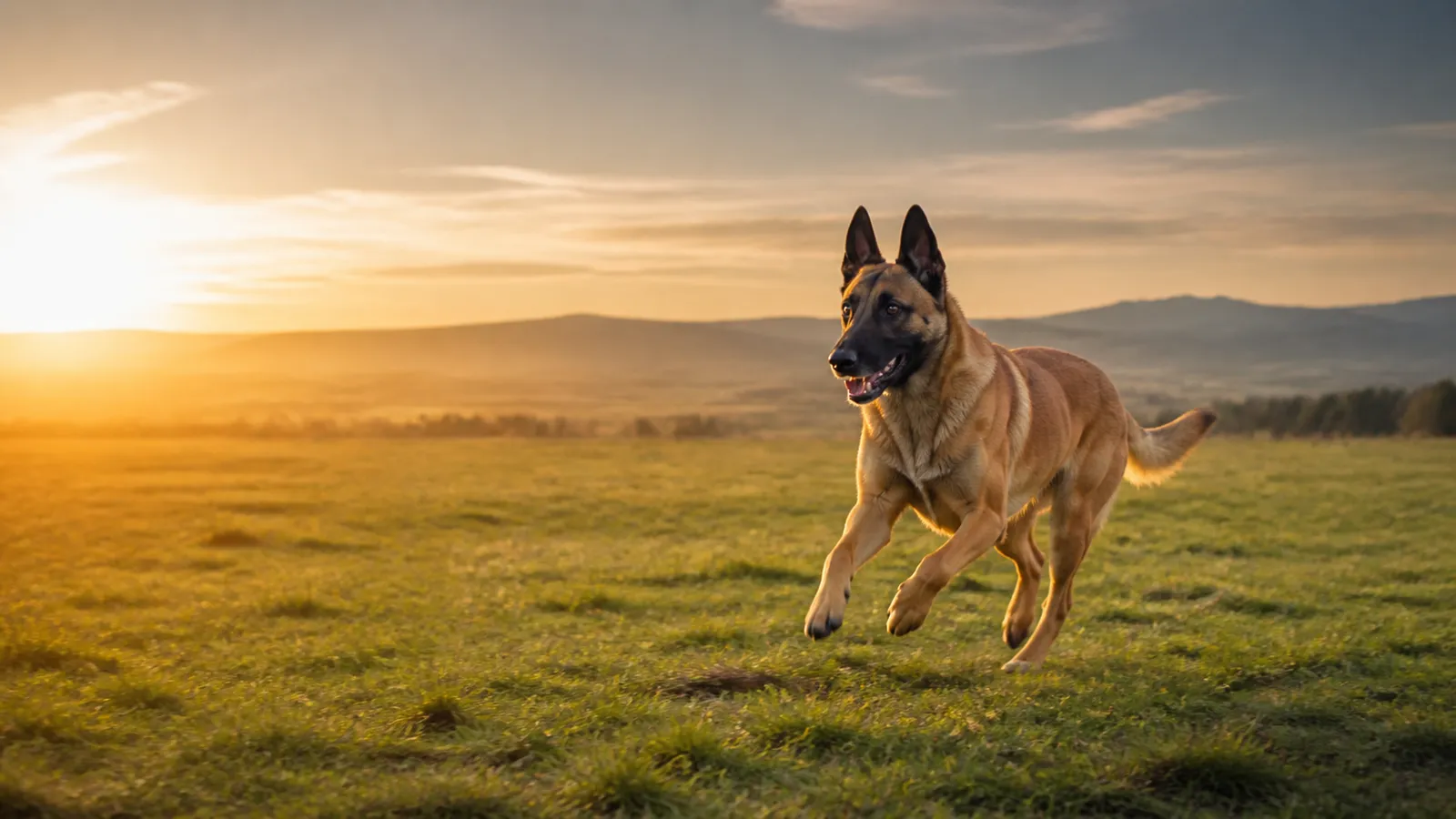
Herding
Beautiful, brilliant and extremely demanding.
The honest version
A high-drive working dog that needs daily physical outlets, real training and a job with structure.
Watch the episode
Complete breed guide
The Belgian Malinois is an athletic herding dog whose visibility in police, military, protection, and sport work can make the breed look almost superhuman. That image is incomplete. At home, a Malinois is still a dog with ordinary needs for sleep, safety, patient teaching, and companionship, but many individuals also bring exceptional energy, speed, environmental awareness, and persistence. Those qualities can be deeply rewarding for a person who enjoys structured dog training every day. They can become difficult when the household mainly wants a relaxed companion that will adapt to an inconsistent schedule.
Prospective owners should evaluate the individual dog as carefully as the breed label. Working lines, show lines, rescue histories, early rearing, health, age, and previous learning can produce very different dogs. A thoughtful match depends on what the household can provide in real life, not on admiration for online demonstrations. Meeting stable adult dogs, discussing realistic routines with ethical breeders or experienced rescue staff, and budgeting for professional guidance are better preparation than assuming enthusiasm will compensate for limited time.
The Malinois developed in Belgium as one of the Belgian Shepherd varieties, named for the area around Malines, or Mechelen. Farmers selected agile, responsive dogs able to gather and move livestock, notice changes quickly, and work in close communication with a handler. Kennel organisations do not classify the varieties identically in every country: some recognise one Belgian Shepherd breed with coat varieties, while others recognise the Malinois separately. That distinction matters for registration, but the practical inheritance is the same: this is a dog shaped for active, attentive work rather than passive display.
Modern Malinois perform herding, detection, search and rescue, service, police, military, obedience, tracking, protection sports, and many other tasks. These roles demonstrate trainability and physical capacity, but they do not mean every Malinois is suited to every job or that a pet owner must imitate operational work. A safe outlet can be scent work, careful hiking, competitive obedience, controlled tug, tracking, or another activity matched to the dog's body and temperament. The important point is purposeful engagement, including the ability to settle after work, rather than chasing exhaustion or encouraging intensity for its own sake.
Many Malinois are quick to notice movement, strongly oriented toward familiar people, eager to interact, and ready to repeat behaviours that earn access to toys or action. Some are socially open, while others are neutral or reserved with strangers. Sensitivity can sit beside boldness: a dog may charge into a physical task yet react strongly to handler frustration, household conflict, or unfamiliar surfaces. Mouthy play, chasing, alert barking, and rapid arousal are common management topics. None of these traits should be interpreted as a guarantee of aggression, courage, loyalty, or suitability for protection work.
Variation is substantial. Genetics, prenatal and early experiences, pain, sleep, adolescence, training methods, and the current environment all influence behaviour. A quiet puppy can become a demanding adolescent, and an intense puppy may mature into a manageable adult with skilled support. Ask a breeder about the daily lives and temperaments of close relatives, not only titles, and ask a rescue how the dog behaves across several settings. When fear, guarding, compulsive activity, or aggressive behaviour appears, a veterinarian should first consider health contributors, followed when appropriate by a qualified reward-based trainer or veterinary behaviour professional.
A healthy adult Malinois usually needs meaningful daily activity, but there is no universal number of kilometres or minutes. Age, conditioning, weather, surfaces, health, and individual arousal all matter. A useful routine combines aerobic movement, sniffing, skill practice, low-impact strength and balance work, and calm decompression. Puppies need short, varied experiences and protected developing joints rather than forced running or repetitive jumping. In hot or humid climates, owners must shift exercise to cooler hours, provide water and shade, and learn signs of heat stress from their veterinarian.
Mental work should build flexibility, not merely create a fitter dog who demands more speed. Searching for food, tracking a family member, learning position changes, carrying out cooperative care, and practising calm observation can tire the mind without constant impact. Equally important is teaching an off switch through predictable rest, quiet confinement introduced positively, and reinforcement for relaxed behaviour. Repeated ball throwing, uncontrolled fence running, or high-arousal bite games may increase injury risk or fixation in some dogs. A qualified instructor can help design activities that preserve control and emotional recovery.
Training should begin with practical foundations: responding to a name, returning when called, walking on a loose lead, releasing objects, waiting at doors, settling on a mat, accepting handling, and wearing a muzzle comfortably. Malinois often learn patterns very quickly, including patterns the person did not intend to teach. Clear cues, short sessions, well-timed rewards, and careful control of access to exciting activities are more useful than confrontation. Harsh corrections can increase conflict, avoidance, or defensive responses, especially in a fast and sensitive dog, while permissiveness leaves the dog without understandable boundaries.
Socialisation means helping the dog feel safe and behave appropriately around the world, not requiring greetings with every person or animal. Introduce surfaces, transport, veterinary handling, visitors, children at a distance, livestock, traffic, and other dogs gradually, pairing exposure with choice and reinforcement. Protect puppies from overwhelming encounters and avoid dog parks as a substitute for planned learning. Adolescents often show temporary changes in confidence or impulse control, so continue training beyond puppy class. Choose professionals who explain their methods, observe body language, avoid guarantees, and can refer to a veterinarian or behaviour specialist when a case exceeds their scope.
A well-matched Malinois can be affectionate and deeply involved in family routines, but involvement is not the same as effortless compatibility. Fast movement, noise, visitors, and children's play may trigger chasing, barking, jumping, or grabbing. Adults must supervise every dog-child interaction, provide physical separation with gates or rooms, and teach children not to disturb eating, sleep, or retreat. A family should decide in advance who handles exercise, training, veterinary visits, and management when the main caregiver is ill or travelling. Expecting children to meet the dog's needs is neither safe nor realistic.
Living with cats or other dogs depends on the individual, early experience, and careful management. Some Malinois coexist peacefully; others have strong chase behaviour or become selective with maturity. Introductions should be gradual, using distance, leads, barriers, separate resources, and escape routes for smaller animals. Do not leave unfamiliar animals together to test what happens. In a multi-dog home, monitor competition around food, toys, doorways, and human attention. A rescue with foster-home observations may offer useful evidence, but no assessment can promise future compatibility in every context.
The short double coat is relatively straightforward but sheds throughout the year and often more heavily during seasonal coat changes. Weekly brushing, with more frequent grooming during sheds, helps remove loose undercoat and provides a chance to check skin, feet, ears, and body condition. Nails need regular attention because long nails can affect comfort and movement. Teeth benefit from veterinarian-approved home care, and ears should be cleaned only as advised. Bathing frequency depends on work and environment; routine grooming should be calm cooperative care rather than a physical contest.
Health cannot be predicted from appearance or athletic performance. Breed-club guidance commonly emphasises screening breeding dogs for hips, elbows, and eyes, with additional assessments based on current recommendations and family history. Prospective buyers should verify results in the relevant public database rather than accept a verbal claim that parents were checked. Ask about epilepsy, cancer, thyroid or cardiac concerns, allergies, injuries, longevity, and causes of death among relatives without treating any list as a diagnosis. Establish veterinary care promptly, discuss growth and exercise, maintain an appropriate body condition, and seek examination for pain, gait changes, digestive problems, or sudden behavioural change.
The purchase or adoption fee is only the first cost. Owners should budget for quality food, preventive veterinary care, vaccinations appropriate to local disease risks, parasite control, insurance where available, emergency savings, durable equipment, secure fencing, transport, training classes, and occasional specialist support. Working-dog activities can add club fees, travel, protective gear, and lessons. Costs vary sharply by country, and insurance exclusions or housing restrictions may apply. Obtain local quotes before committing and calculate care for the dog's full lifespan, including ageing, rehabilitation, and paid help during travel or illness.
Responsible sourcing means prioritising health, temperament, transparency, and lifetime support. An ethical breeder discusses drawbacks, shows verifiable health results, selects homes carefully, raises puppies in a developmentally appropriate environment, and will take back a dog if circumstances collapse. A responsible rescue provides known history honestly, uses foster observations where possible, and supports a careful transition. Owners also need legal identification, secure containment, humane transport, emergency plans, and respect for local leash and animal-control rules. The right decision may be choosing another breed, an older assessed dog, or postponing ownership until daily capacity matches the commitment.
Clear answers
Possibly, but the learning curve is steep and the match matters more than the label. A first-time owner would need substantial daily time, realistic expectations, good management, and early support from experienced, reward-based professionals. Many households will find a less intense dog easier to live with.
There is no safe universal target. Most healthy adults need significant daily physical activity plus training, sniffing, and deliberate rest, adjusted for age, health, climate, and conditioning. A veterinarian and qualified trainer can help create a progressive plan without relying on exhausting repetition.
Space alone does not determine success, but apartment living increases the need for reliable outdoor access, quiet-settle skills, noise management, and a realistic exercise schedule. Building rules, neighbours, lifts, shared corridors, and emergency toilet needs should all be considered before bringing the dog home.
Some live successfully with children, while others find fast, noisy play difficult. Individual history, careful teaching, barriers, and active adult supervision are essential. No child should be responsible for managing the dog, and any concerning behaviour deserves prompt help from qualified professionals.
Ask about health records, relatives, adult temperament, daily activity, early rearing, reasons for placement, behaviour around people and animals, and lifetime return support. Verify health results independently, meet adult dogs when possible, and be cautious of pressure, guarantees, or selection based mainly on appearance.
Scores describe typical breed tendencies from 1 to 10. They are not a quality ranking or a prediction for an individual dog.