Complete breed guide
Tyrolean Hound OWNERSHIP GUIDE
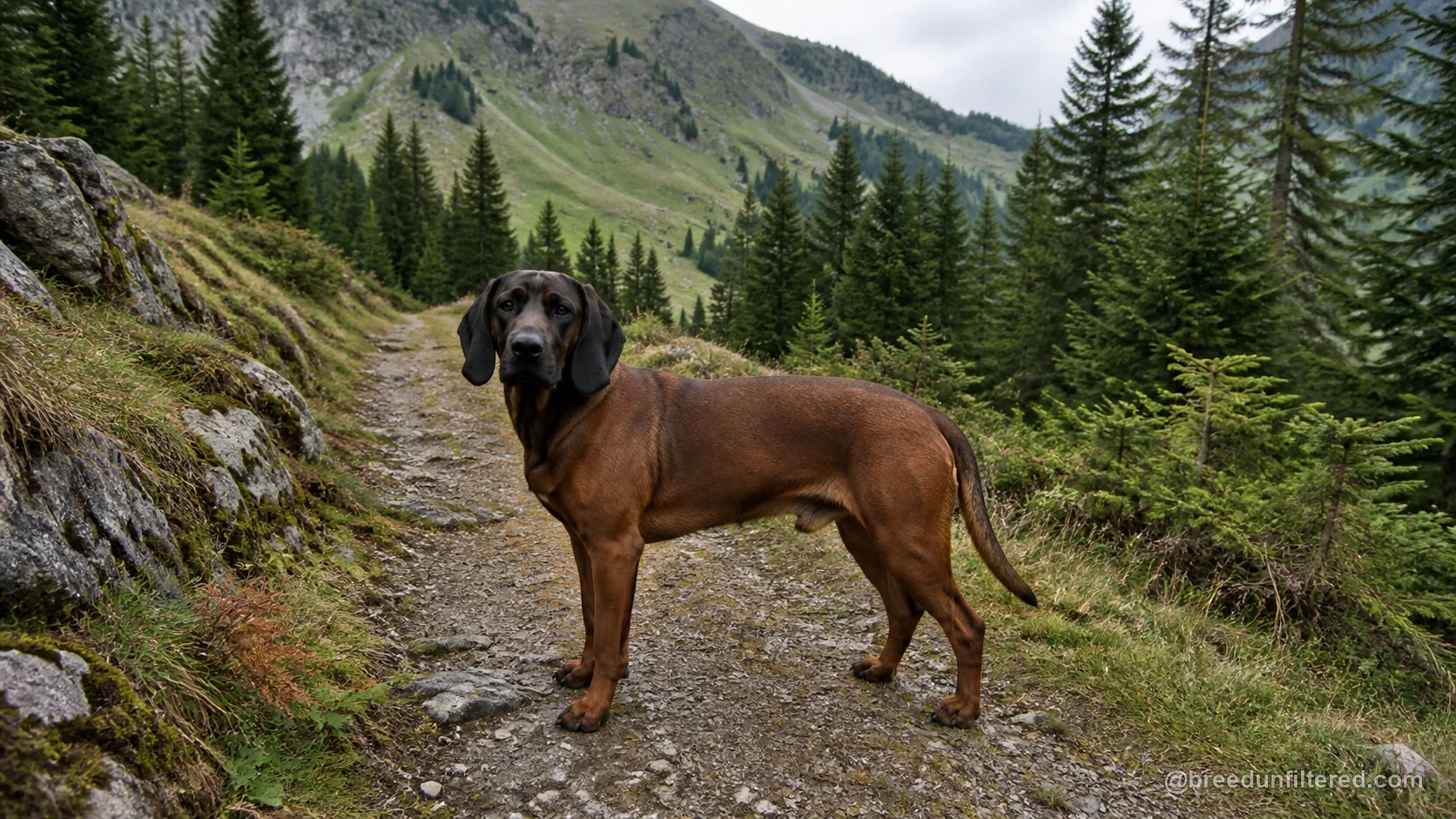
The Tyrolean Hound, known in its native Austria as the Tiroler Bracke, is a medium-sized scent hound with a heritage rooted in the rugged Alpine landscapes. Bred for centuries to track game across challenging terrain, this breed combines a keen nose with remarkable endurance and a determined spirit. While not as widely known outside Europe, the Tyrolean Hound has earned a devoted following among hunters and outdoor enthusiasts who appreciate its working ability and loyal nature.
For prospective owners, the Tyrolean Hound offers a unique blend of independence and affection. It is a dog that thrives on purpose, whether that means accompanying a hunter on long treks or participating in canine sports like tracking and rally. However, its strong prey drive and need for mental stimulation mean it is not a suitable match for every household. Understanding the breed's history and characteristics is essential before welcoming one into your home.
Origin and Purpose
The Tyrolean Hound originates from the Tyrol region of the Austrian Alps, where it was developed as a versatile hunting dog. Its ancestors include ancient Celtic hounds and later crosses with other European scent hounds, resulting in a breed well-adapted to mountainous terrain and cold climates. The breed was officially recognized in the early 20th century, with the first standard published in 1908, and it remains a favorite among Alpine hunters for its ability to track both fur and feather.
The primary purpose of the Tyrolean Hound is to hunt in packs or individually, using its exceptional scenting ability to locate and pursue game such as hare, fox, and deer. It is known for its 'loud' voice when on a trail, a trait valued by hunters who need to follow the dog's progress. This working heritage has shaped the breed's physical and mental characteristics, making it a resilient and determined companion in the field.
Temperament and Variation
The Tyrolean Hound is typically described as even-tempered, confident, and alert. It forms strong bonds with its family and is generally friendly, though it can be reserved with strangers. As a pack-oriented hound, it usually gets along well with other dogs, but its hunting instincts may lead it to view smaller animals as prey. Individual temperament varies, and early socialization plays a key role in shaping a well-rounded adult.
While the breed standard emphasizes a balanced and courageous disposition, individual dogs may show differences in energy levels and sociability. Some may be more independent and stubborn, while others are more eager to please. Prospective owners should meet the parents or observe the puppy's behavior to gauge temperament, as this can influence training and compatibility with a household.
Exercise and Mental Work
The Tyrolean Hound is a high-energy breed that requires substantial daily exercise to remain content. Long walks, hikes, and opportunities to run in a securely fenced area are essential. As a scent hound, it thrives when allowed to use its nose, so activities like nose work, tracking, or even simple scent games in the yard can provide valuable mental stimulation. Without adequate physical and mental outlets, the breed may become restless or develop undesirable behaviors.
Mental work is as important as physical exercise for this intelligent breed. Puzzle toys, obedience training sessions, and interactive games can help channel its problem-solving abilities. Owners should be prepared to dedicate time each day to both exercise and enrichment, as a bored Tyrolean Hound may resort to digging, barking, or attempting to escape. A well-exercised and mentally engaged dog is typically a calm and content companion.
Training and Socialisation
Training a Tyrolean Hound requires patience and consistency. While intelligent, the breed has an independent streak inherited from its hunting background, which can make it somewhat challenging to train. Positive reinforcement methods, such as treats and praise, work best, as harsh corrections may cause the dog to become stubborn or wary. Early obedience training is recommended to establish a strong foundation and to manage its natural instincts.
Socialisation is crucial from a young age to ensure the dog is comfortable with various people, animals, and environments. Exposing the puppy to different sights, sounds, and experiences helps prevent fearfulness or aggression. Because of its prey drive, careful introduction to small pets is necessary, and supervision is advised. A well-socialised Tyrolean Hound can be a reliable and adaptable companion in many settings.
Family and Pets
The Tyrolean Hound can make a loving family dog for active households. It is generally good with children, especially when raised with them, and enjoys being part of family activities. However, its boisterous nature and strong prey drive mean that interactions with very young children should be supervised, and the dog should be taught appropriate boundaries. The breed's loyalty and protective instincts can make it a watchful companion.
When it comes to other pets, the Tyrolean Hound's compatibility varies. It typically gets along with other dogs, particularly if socialised early, but may see cats and small animals as quarry. Owners who have small pets should exercise caution and manage introductions carefully. With proper training and supervision, some individuals may live peacefully with cats, but it is not a guarantee, and the breed's hunting instincts should never be underestimated.
Grooming and Health
The Tyrolean Hound has a short, dense double coat that is relatively low-maintenance. Weekly brushing helps remove loose hair and keep the coat healthy, with more frequent brushing during seasonal shedding periods. Bathing is only necessary when the dog is dirty, as over-bathing can strip natural oils. Routine care includes nail trimming, ear cleaning, and dental hygiene to prevent common issues.
As a generally healthy breed, the Tyrolean Hound has a life expectancy of around 12 to 14 years. However, like many purebred dogs, it may be prone to certain conditions such as hip dysplasia and ear infections. Responsible breeders screen for hereditary issues, and prospective owners should ask for health clearances. Regular veterinary check-ups and a balanced diet contribute to overall well-being, but no breed is immune to health problems.
Costs and Responsibility
Owning a Tyrolean Hound involves significant financial and time commitments. Initial costs include the purchase price from a reputable breeder, which can vary, as well as supplies such as a crate, bedding, and food. Ongoing expenses include high-quality dog food, routine veterinary care, vaccinations, and preventive medications. Emergency medical costs and pet insurance are also considerations that can add to the budget.
Beyond finances, the responsibility of owning a Tyrolean Hound includes providing ample exercise, mental stimulation, and training. This breed is not suited to a sedentary lifestyle or apartment living without a dedicated effort to meet its needs. Prospective owners should assess their ability to commit time and energy for the dog's entire lifespan, which can be 12 years or more. Responsible ownership also involves adhering to local regulations, such as leash laws, and ensuring the dog is properly identified.
Clear answers
FREQUENTLY ASKED QUESTIONS
Is the Tyrolean Hound good with children?
The Tyrolean Hound can be good with children, especially when raised with them from puppyhood. It is generally playful and tolerant, but its size and energy may accidentally knock over small children. Supervision is recommended during interactions, and teaching children how to approach and handle the dog is important. Early socialisation helps ensure a positive relationship.
Does the Tyrolean Hound bark a lot?
The Tyrolean Hound is a vocal breed, particularly when on a scent trail. It has a distinctive baying voice that it uses during hunting, and it may bark to alert its owner or when excited. In a home environment, excessive barking can be managed with training and adequate exercise, but potential owners should be prepared for a dog that is not typically quiet.
Can a Tyrolean Hound live in an apartment?
Apartment living is challenging for a Tyrolean Hound due to its high energy and need for space to roam. It requires daily vigorous exercise and mental stimulation, which can be provided with long walks and play sessions, but the breed may feel confined in a small space. A house with a securely fenced yard is more suitable, though an apartment can work if the owner is highly dedicated.
How much exercise does a Tyrolean Hound need?
The Tyrolean Hound needs at least one to two hours of exercise daily, including walks, runs, or hikes. It also benefits from off-leash time in a safe area where it can use its nose. Without sufficient exercise, the dog may become hyperactive or develop behavioral issues. Mental exercise is equally important to keep it engaged.
Is the Tyrolean Hound easy to train?
The Tyrolean Hound is intelligent but independent, which can make training moderately challenging. It responds best to positive reinforcement and consistent, patient methods. Harsh training techniques are counterproductive. Early obedience training and socialisation are essential to manage its instincts and ensure a well-behaved companion.
Sources and further reading
Scores describe typical breed tendencies from 1 to 10. They are not a quality ranking or a prediction for an individual dog.
Size and presence5/10
CompactVery large
Physical strength5/10
LightExceptional
Energy level9/10
LowRelentless
Exercise demand10/10
ModestVery demanding
Mental work needed8/10
ModerateDaily job
Trainability6/10
ChallengingExceptional
Everyday manageability2/10
SpecialistStraightforward
First-time owner fit3/10
Poor fitGood fit
Family-life fit6/10
LimitedExcellent
Dog sociability8/10
SelectiveVery social
Prey drive10/10
LowVery high
Guarding tendency3/10
MinimalSerious
Independence8/10
Handler-focusedSelf-directed
Grooming demand4/10
LightHeavy
Apartment fit4/10
Poor fitGood fit