Complete breed guide
Smålandsstövare OWNERSHIP GUIDE
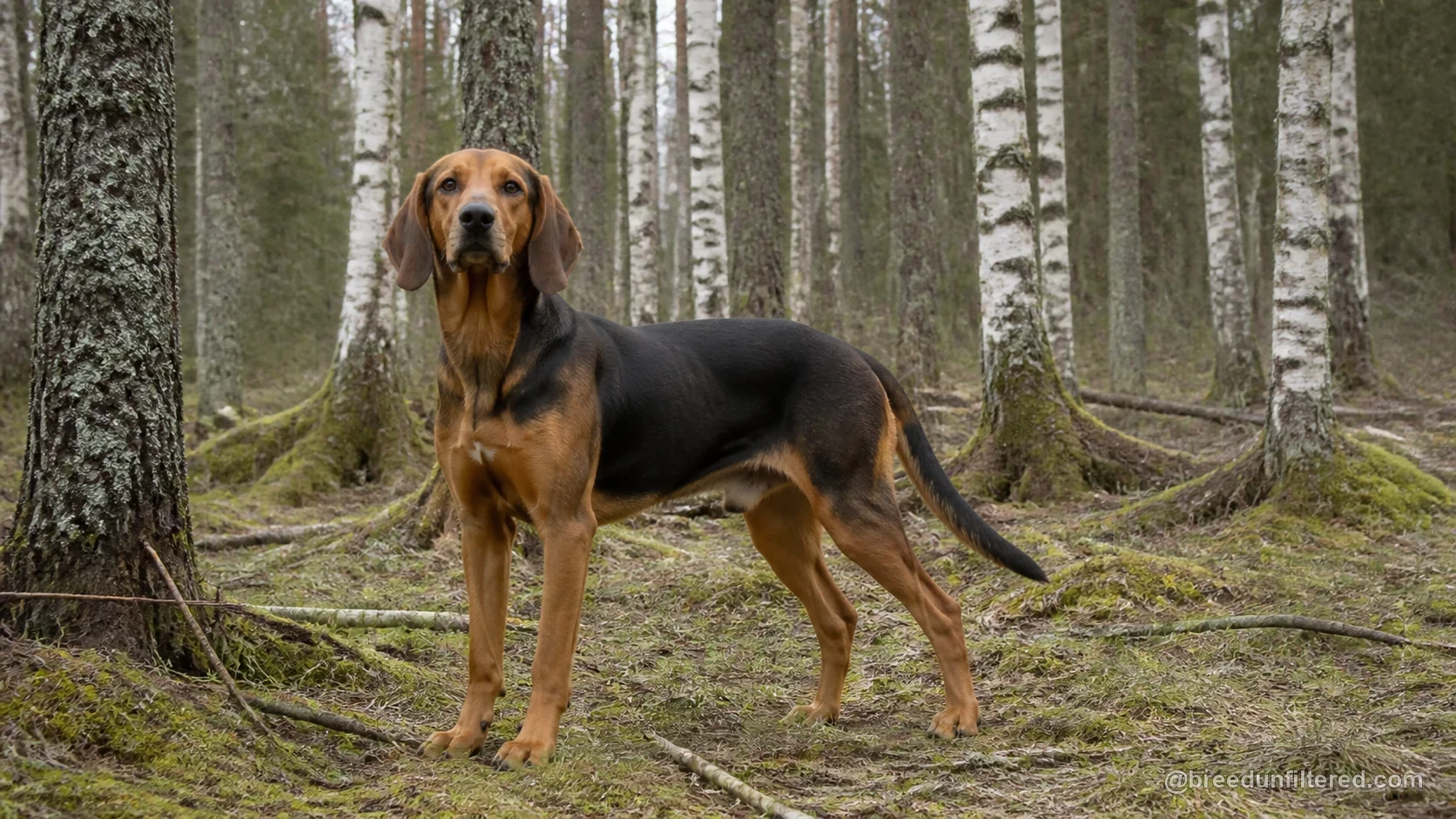
The Smålandsstövare, also known as the Småland Hound, is a rare Swedish scenthound with a distinctive black and tan coat and a devoted, determined character. Originating from the forested region of Småland in southern Sweden, this breed was developed to hunt hare and fox in challenging terrain, working independently yet cooperatively with its handler. Its compact, sturdy build and keen nose make it a capable and enduring tracker, while at home it often reveals a calm and affectionate side.
For prospective owners, the Smålandsstövare offers a unique blend of hunting prowess and companionable loyalty. However, it is not a breed for everyone. Its strong prey drive, need for regular vigorous exercise, and independent thinking require an experienced owner who can provide both physical outlets and mental stimulation. This article explores the breed's origins, temperament, care requirements, and the practical considerations of welcoming a Smålandsstövare into your life.
Origin and Purpose
The Smålandsstövare is one of Sweden's oldest native scenthounds, with roots tracing back to the 16th century. Developed in the dense forests of Småland, a province known for its rugged terrain and abundant wildlife, this breed was refined to hunt hare and fox. Its black and tan coloration, which is unusual among Swedish hounds, is thought to have been influenced by early German and Swiss hounds, while its sturdy frame and weather-resistant coat were shaped by the harsh Scandinavian climate.
The breed's primary role has always been as a hunting dog, working alone or in small packs. It is prized for its ability to track cold scents over long distances and to voice a clear, melodic bay when on the trail. The Smålandsstövare is also known for its courage and tenacity, traits that allow it to hold quarry at bay until the hunter arrives. Today, while still used for hunting, it also participates in dog sports and serves as a loyal companion for those who appreciate its heritage.
Temperament and Variation
The Smålandsstövare is typically described as calm and composed indoors, yet alert and energetic when outdoors. It forms strong bonds with its family and is often reserved with strangers, making it a natural watchdog. However, its temperament can vary among individuals, influenced by genetics, socialisation, and training. Some may be more outgoing, while others are more cautious. Early and ongoing socialisation is essential to help the breed develop into a well-adjusted adult.
This breed is known for its independence, a trait that stems from its history of working in dense forests where it had to make decisions without constant human guidance. This independence can translate into a stubborn streak, but it also means the Smålandsstövare is often resourceful and adaptable. It is generally good with children in the family, but its hunting instincts may lead it to chase small animals, so supervision and training are necessary.
Exercise and Mental Work
The Smålandsstövare is a high-energy breed that requires substantial daily exercise to remain physically and mentally healthy. A long walk, jog, or hike is a minimum, but it truly thrives when given the opportunity to run and explore in a safe, enclosed area. Off-leash activity is ideal, but only in secure locations due to its strong prey drive. Without adequate exercise, the breed may become restless and develop destructive behaviors.
Mental stimulation is equally important. Scent work, tracking, and puzzle toys can engage the Smålandsstövare's keen nose and problem-solving abilities. Activities such as nose work classes or simulated hunting trails can provide an outlet for its natural instincts. Owners should be prepared to dedicate time each day to both physical and mental challenges to keep this intelligent breed content.
Training and Socialisation
Training a Smålandsstövare requires patience, consistency, and positive reinforcement. This breed responds well to reward-based methods, but its independent nature can make it appear stubborn. Short, varied training sessions are more effective than long, repetitive ones. Early socialisation with a wide range of people, animals, and environments is crucial to prevent shyness or aggression. Puppy classes and controlled introductions to other dogs can help build confidence.
Because of its hunting background, the Smålandsstövare may have a tendency to follow its nose and ignore commands when distracted. Reliable recall is essential, and training should be practiced in increasingly distracting settings. Using high-value treats and games can help maintain focus. Owners who are experienced with hounds or similar breeds may find the training process more straightforward, but novices can succeed with dedication and professional guidance.
Family and Other Pets
The Smålandsstövare can be a devoted family dog, often forming strong bonds with all household members. It is generally gentle and patient with children, especially when raised with them. However, as with any breed, interactions should be supervised, and children should be taught how to respect the dog's space. The breed's calm demeanor indoors makes it a pleasant companion, but its energy outdoors means it needs a family that can match its activity level.
When it comes to other pets, the Smålandsstövare's prey drive can be a challenge. It may view small animals such as cats, rabbits, or rodents as quarry, and its hunting instincts may be triggered by fast-moving creatures. Early socialisation with cats and other dogs can help, but there is no guarantee of safety. Many owners find that the breed does best in a home without small pets, or with pets that have been raised alongside it from puppyhood.
Grooming and Health
The Smålandsstövare has a short, dense, and weather-resistant coat that requires minimal grooming. Weekly brushing with a soft bristle brush or hound glove will help remove loose hair and keep the coat healthy. The breed sheds moderately, with heavier shedding during seasonal changes. Regular ear checks are important, as floppy ears can trap moisture and debris, potentially leading to infections. Nail trimming and dental care should be part of a routine.
As a generally healthy breed, the Smålandsstövare has a life expectancy of around 10 to 12 years. However, like all purebred dogs, it may be predisposed to certain conditions. Hip dysplasia and ear infections are among the health concerns that have been reported. Responsible breeders screen their breeding stock for hereditary issues. Prospective owners should ask for health clearances and be prepared for routine veterinary care. A balanced diet and regular exercise contribute to overall well-being.
Costs and Responsibility
Owning a Smålandsstövare involves significant financial and time commitments. Initial costs include the purchase price from a reputable breeder, which can vary, as well as supplies such as a crate, bedding, and food. Ongoing expenses include high-quality dog food, routine veterinary care, vaccinations, and preventive medications. Because the breed is rare, finding a breeder may require travel and a waiting list. Adoption from a rescue is another option, though rare.
Beyond finances, responsible ownership means providing proper training, socialisation, and exercise for the dog's entire life. The Smålandsstövare is not a breed that can be left alone for long periods or confined to a small yard. It needs a secure, fenced area and an owner who is committed to meeting its physical and mental needs. Potential owners should also consider local regulations regarding hunting breeds and leash laws. This breed is best suited to an active individual or family who understands and appreciates its hunting heritage.
Clear answers
FREQUENTLY ASKED QUESTIONS
Is the Smålandsstövare a good family dog?
The Smålandsstövare can be a good family dog for active households. It is typically affectionate and patient with children, especially when raised with them. However, its high energy and prey drive require supervision around small pets and young kids. Families should be prepared to provide ample exercise and mental stimulation to keep the breed happy and well-behaved.
How much exercise does a Smålandsstövare need?
The Smålandsstövare is a high-energy breed that needs at least one to two hours of vigorous exercise daily. This should include walks, runs, or hikes, plus opportunities to run off-leash in a safe area. Mental stimulation through scent work or puzzle toys is also essential to prevent boredom and destructive behavior.
Are Smålandsstövare easy to train?
Training a Smålandsstövare can be challenging due to its independent nature. It is intelligent but may be stubborn, so consistent, positive reinforcement methods work best. Early socialisation and obedience training are crucial. Owners with experience in training hounds or similar breeds may find it easier, but novices can succeed with patience and professional help.
Do Smålandsstövare get along with other dogs?
Smålandsstövare generally get along well with other dogs, especially if socialised from an early age. They were historically used in packs, so they often enjoy canine companionship. However, their prey drive may cause them to chase smaller animals, so introductions to cats or other small pets should be done carefully and supervised.
What are the grooming requirements for a Smålandsstövare?
The Smålandsstövare has a short, dense coat that requires minimal grooming. Weekly brushing helps remove loose hair and keep the coat shiny. They shed moderately, with heavier shedding during seasonal changes. Regular ear cleaning, nail trimming, and dental care are also important to maintain overall health.
Sources and further reading
Scores describe typical breed tendencies from 1 to 10. They are not a quality ranking or a prediction for an individual dog.
Size and presence5/10
CompactVery large
Physical strength5/10
LightExceptional
Energy level9/10
LowRelentless
Exercise demand10/10
ModestVery demanding
Mental work needed8/10
ModerateDaily job
Trainability4/10
ChallengingExceptional
Everyday manageability1/10
SpecialistStraightforward
First-time owner fit3/10
Poor fitGood fit
Family-life fit6/10
LimitedExcellent
Dog sociability8/10
SelectiveVery social
Prey drive10/10
LowVery high
Guarding tendency4/10
MinimalSerious
Independence10/10
Handler-focusedSelf-directed
Grooming demand2/10
LightHeavy
Apartment fit4/10
Poor fitGood fit