Complete breed guide
Miniature Schnauzer OWNERSHIP GUIDE
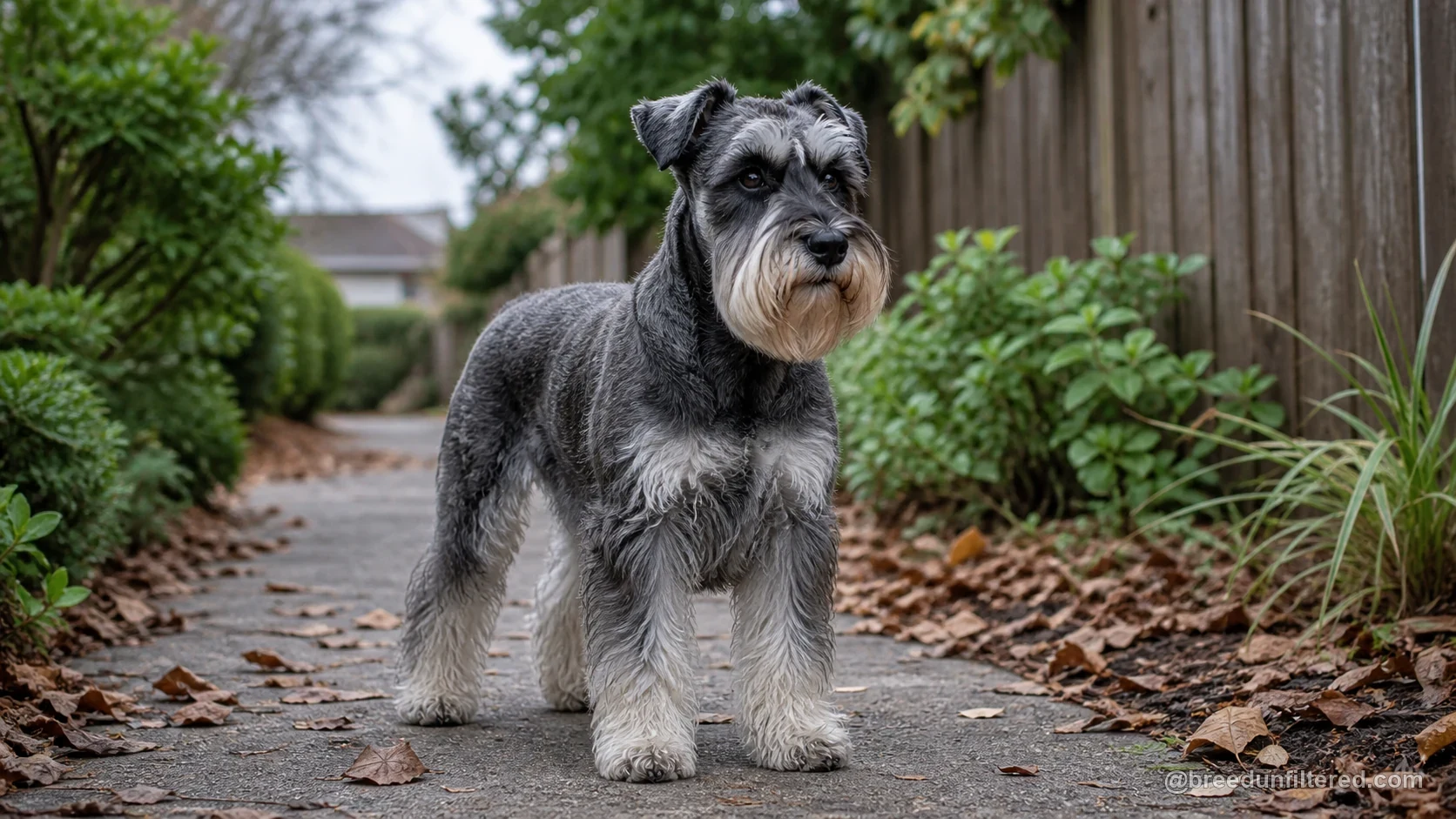
The Miniature Schnauzer is a small, wiry-coated terrier with a distinctive beard and eyebrows, originally developed in Germany as a farm dog and ratter. Today, it ranks among the most popular companion breeds worldwide, known for its alert, friendly demeanor and adaptable nature. This guide offers a balanced overview of what to expect when welcoming a Miniature Schnauzer into your home, covering their history, temperament, care requirements, and potential challenges.
Prospective owners should understand that while Miniature Schnauzers are affectionate and intelligent, they also possess a spirited, sometimes stubborn streak. They thrive on human companionship and mental stimulation, and they are not content to be left alone for long periods. With proper training, socialization, and regular grooming, they can make wonderful family pets for a variety of living situations, from apartments to houses with yards.
Origin and Purpose
The Miniature Schnauzer originated in Germany in the late 19th century, developed by crossbreeding the Standard Schnauzer with smaller breeds such as the Affenpinscher and possibly the Poodle. They were bred to be efficient ratters on farms and in stables, valued for their tenacity and keen hunting instincts. The breed was recognized by the FCI in 1955, and the current standard (number 183) places them in Group 2, Pinscher and Schnauzer type.
Despite their terrier heritage, Miniature Schnauzers were not primarily used for digging or fighting; instead, they were versatile working dogs, also serving as watchdogs and companions. Their small size and alert nature made them ideal for guarding property and alerting owners to intruders. Today, they are primarily companion animals, but they retain the intelligence and energy of their working ancestors.
Temperament and Variation
Miniature Schnauzers are known for their spirited, affectionate, and sometimes mischievous personalities. They are typically bold and confident, with a lively curiosity that can lead to trouble if not channeled properly. While individual temperaments vary, the breed generally forms strong bonds with their families and can be protective, making them good watchdogs. They are also known for their sense of humor and playful antics.
There are three recognized color varieties: salt and pepper, black and silver, and solid black. While color does not significantly affect temperament, some lines may have been bred for specific traits. It is essential to meet the parents or observe the puppy's behavior to gauge its personality. Early socialization and consistent training are crucial to ensure a well-rounded adult dog.
Exercise and Mental Work
Miniature Schnauzers are moderately energetic dogs that require daily exercise to stay healthy and happy. A couple of walks and some playtime in a secure area are usually sufficient, but they also need mental stimulation to prevent boredom. Puzzle toys, obedience training, and interactive games can help satisfy their intelligent minds. Without adequate mental and physical activity, they may develop destructive behaviors like chewing or excessive barking.
It is important to note that exercise needs can vary based on age, health, and individual temperament. While they are adaptable to apartment living, they still need regular opportunities to run and explore. Off-leash activities should be done in a fenced area, as their prey drive may lead them to chase small animals. Engaging in canine sports like agility or rally can be an excellent way to provide both physical and mental challenges.
Training and Socialisation
Miniature Schnauzers are intelligent and eager to please, but they can also be stubborn and independent. Positive reinforcement methods, such as treats and praise, work best. They respond well to consistent, patient training that is firm but gentle. Harsh corrections can cause them to become defensive or shut down. Early socialization is vital to help them become comfortable with various people, animals, and environments, reducing the likelihood of fearfulness or aggression.
Because they are terriers, they may have a tendency to chase small animals and can be vocal. Training should include recall and impulse control. Crate training can be helpful for housebreaking and providing a safe space. Miniature Schnauzers often excel in obedience and agility, and they enjoy learning new tricks. Regular training sessions not only teach good manners but also strengthen the bond between dog and owner.
Family and Other Pets
Miniature Schnauzers can make excellent family pets, especially for families with older children who understand how to interact respectfully with dogs. They are playful and affectionate, often forming strong attachments to their human family members. However, they may be wary of strangers and can be protective, so early socialization is key. They generally get along well with other dogs if properly introduced, but their terrier instincts may lead them to chase smaller pets like cats or rodents.
It is important to supervise interactions between the dog and young children, as the dog may not tolerate rough handling. With proper training and socialization, many Miniature Schnauzers live harmoniously with other pets. They thrive in homes where they are included in family activities and not left alone for long periods. Their adaptable nature allows them to adjust to various living situations, but they do best with consistent routines.
Grooming and Health
The Miniature Schnauzer has a double coat: a wiry outer coat and a soft undercoat. They are considered low-shedding, but they require regular grooming to prevent matting and to maintain their distinctive appearance. Brushing several times a week is necessary, and professional grooming every 4-6 weeks is often recommended. Their beards and eyebrows need special attention to keep them clean and free of food debris.
As with many purebred dogs, Miniature Schnauzers are prone to certain health conditions, including pancreatitis, diabetes, and eye problems such as cataracts. Responsible breeders screen for these issues, but prospective owners should be aware of potential health costs. Regular veterinary check-ups, a balanced diet, and proper exercise can help maintain their overall health. It is also important to keep their ears clean and nails trimmed.
Costs and Responsibility
Owning a Miniature Schnauzer involves significant financial and time commitments. Initial costs include purchasing from a reputable breeder (or adoption fees), supplies, and setup. Ongoing expenses include high-quality food, routine veterinary care, grooming, and pet insurance. Emergency medical costs can be substantial, so planning ahead is wise. Additionally, the breed's grooming needs require either regular professional appointments or a willingness to learn proper grooming techniques.
Beyond finances, owners must be prepared for a long-term commitment of 12-15 years. Miniature Schnauzers are social animals that need daily interaction and mental stimulation. They are not suitable for owners who are away from home for extended periods without providing adequate care. Prospective owners should assess their lifestyle and ensure they can meet the dog's needs for exercise, training, and companionship. Responsible ownership also includes proper identification, such as microchipping, and adherence to local regulations.
Clear answers
FREQUENTLY ASKED QUESTIONS
Are Miniature Schnauzers good with children?
Miniature Schnauzers can be good with children, especially when raised with them and properly socialized. They are playful and affectionate, but they may not tolerate rough handling. Supervision is recommended with young children to ensure safe interactions. Teaching children how to approach and handle the dog respectfully is essential.
Do Miniature Schnauzers shed a lot?
Miniature Schnauzers are considered low-shedding, but they do shed some hair. Their wiry coat requires regular brushing and professional grooming to prevent mats and to remove dead hair. They are not truly hypoallergenic, but their low-shedding nature may be more suitable for some allergy sufferers.
How much exercise does a Miniature Schnauzer need?
Miniature Schnauzers need moderate exercise, typically a daily walk and some playtime. They are energetic and enjoy activities like fetch or agility. Mental stimulation is equally important to prevent boredom. The exact amount varies by age and health, but a couple of walks and interactive play sessions are usually sufficient.
Are Miniature Schnauzers easy to train?
Miniature Schnauzers are intelligent and can be trained with positive reinforcement methods. However, they can be stubborn, so patience and consistency are key. Early socialization and obedience training are recommended. They respond well to treats and praise, and they enjoy learning new tricks.
What health issues are common in Miniature Schnauzers?
Miniature Schnauzers may be prone to certain health conditions, including pancreatitis, diabetes, and eye problems like cataracts. They can also develop skin issues and bladder stones. Responsible breeding and regular veterinary care can help manage these risks. Prospective owners should ask breeders about health testing.
Sources and further reading
Scores describe typical breed tendencies from 1 to 10. They are not a quality ranking or a prediction for an individual dog.
Size and presence6/10
CompactVery large
Physical strength7/10
LightExceptional
Energy level6/10
LowRelentless
Exercise demand6/10
ModestVery demanding
Mental work needed7/10
ModerateDaily job
Trainability6/10
ChallengingExceptional
Everyday manageability3/10
SpecialistStraightforward
First-time owner fit3/10
Poor fitGood fit
Family-life fit6/10
LimitedExcellent
Dog sociability4/10
SelectiveVery social
Prey drive6/10
LowVery high
Guarding tendency8/10
MinimalSerious
Independence9/10
Handler-focusedSelf-directed
Grooming demand7/10
LightHeavy
Apartment fit4/10
Poor fitGood fit