Complete breed guide
Taiwan Dog OWNERSHIP GUIDE
The Taiwan Dog, also known as the Formosan Mountain Dog, is a primitive breed with a history as rich as the island it calls home. Recognized definitively by the Fédération Cynologique Internationale (FCI) under standard number 348, this breed is a living relic of the natural canine types that once roamed Southeast Asia. For prospective owners, the Taiwan Dog offers a unique blend of loyalty, intelligence, and athleticism, but it also presents specific challenges that require an experienced and dedicated hand.
This guide aims to provide a balanced, evidence-conscious overview of the Taiwan Dog, drawing on the official FCI standard and general breed knowledge. We will explore the breed's origins, its typical temperament and variations, the exercise and mental stimulation it requires, training and socialization needs, its compatibility with families and other pets, grooming and health considerations, and the financial and time commitments involved. By the end, you will have a clearer picture of whether this remarkable breed is the right fit for your lifestyle.
Origin and Purpose
The Taiwan Dog is one of the oldest and most primitive dog breeds, with archaeological evidence suggesting its ancestors accompanied early human settlers to Taiwan thousands of years ago. These dogs were not deliberately bred by humans but evolved naturally through adaptation to the island's varied terrain, from dense forests to rugged mountains. They served as versatile working dogs for indigenous communities, hunting small game, guarding property, and providing companionship. The breed's survival in the wild has endowed it with keen instincts, agility, and a robust constitution.
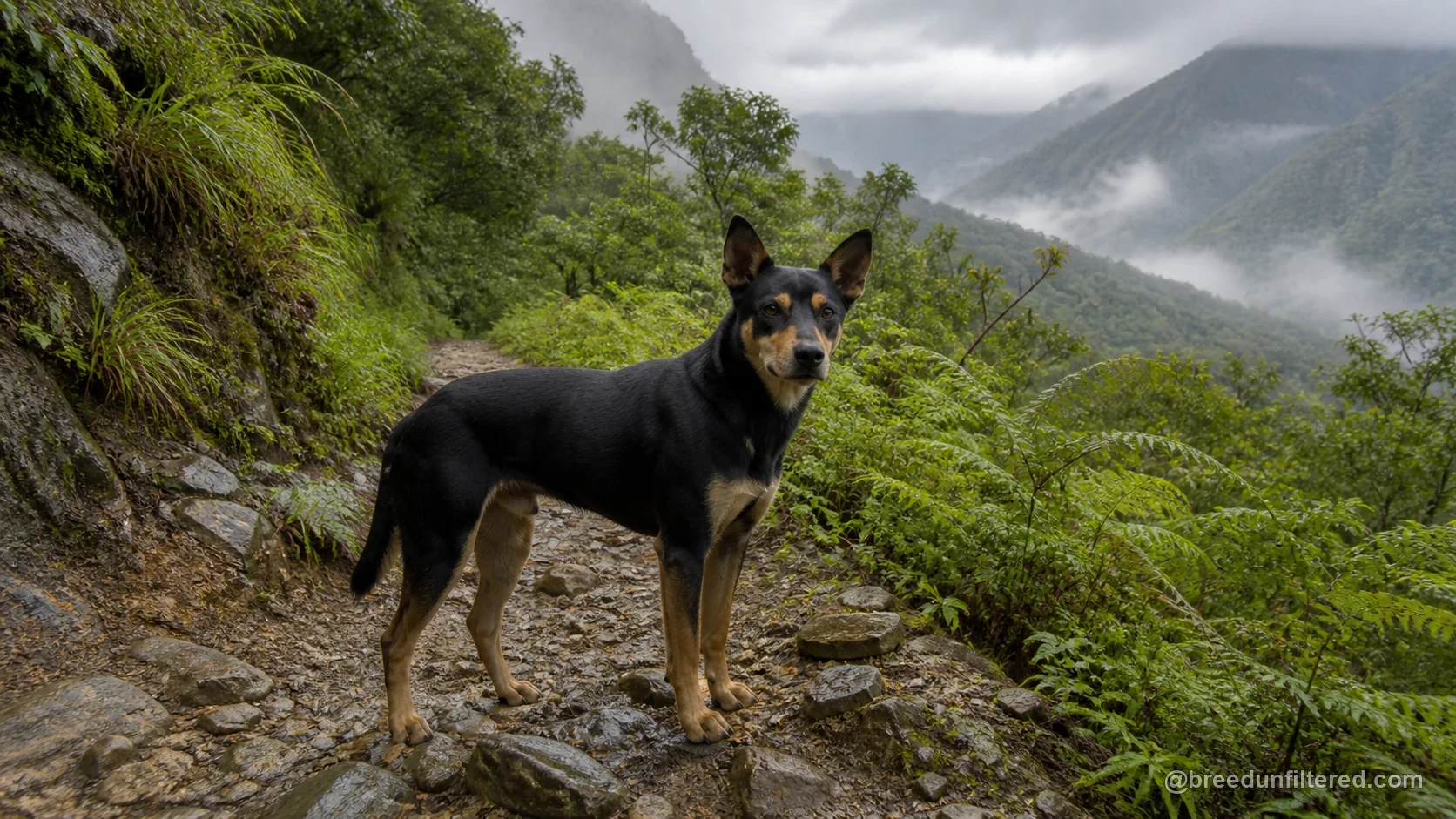
In the late 20th century, efforts to preserve and standardize the Taiwan Dog began, leading to its recognition by the FCI in 2015. The breed is now considered a national treasure in Taiwan, and its population is carefully managed by dedicated breeders and clubs. The FCI standard describes a medium-sized, well-balanced dog with a wedge-shaped head, prick ears, and a distinctive sickle tail. Their coat is short and dense, typically in shades of black, white, yellow, or a combination, and they exhibit a confident, alert expression that reflects their working heritage.
Temperament and Variation
The Taiwan Dog is known for its loyalty, intelligence, and strong bond with its family. They are naturally wary of strangers, a trait that makes them excellent watchdogs but also necessitates early and ongoing socialization to prevent excessive shyness or aggression. Their temperament can vary between individuals, with some being more reserved and others more outgoing, but they generally exhibit a calm and composed demeanor indoors while being energetic and alert outdoors. They are not typically aggressive without provocation, but their protective instincts are strong.
As a primitive breed, the Taiwan Dog retains many instincts that were essential for survival. They are independent thinkers, which can make training a challenge for novice owners. They are also highly observant and can be sensitive to their owner's moods, forming a deep, almost intuitive connection. While they are devoted to their family, they may be aloof with strangers and can be selective in their friendships. Understanding and respecting these traits is crucial for a harmonious relationship, as forcing interactions can lead to stress and behavioral issues.
Exercise and Mental Work
The Taiwan Dog is an athletic and energetic breed that requires ample physical exercise to stay healthy and content. They are not suited to a sedentary lifestyle; daily vigorous activities such as long walks, jogging, hiking, or off-leash play in a securely fenced area are essential. Their agility and endurance make them excellent companions for active individuals who enjoy outdoor pursuits. Without sufficient exercise, they may become restless and develop destructive behaviors as a way to channel their pent-up energy.
Mental stimulation is equally important for this intelligent breed. Boredom can lead to problem behaviors, so owners should provide puzzle toys, obedience training sessions, and interactive games that challenge their minds. Activities like scent work, tracking, or canine sports such as agility and obedience can be particularly rewarding for Taiwan Dogs, as they tap into their natural abilities and strengthen the bond between dog and owner. A well-exercised and mentally engaged Taiwan Dog is typically calm and relaxed at home.
Training and Socialisation
Training a Taiwan Dog requires patience, consistency, and a positive reinforcement approach. They respond well to reward-based methods that involve treats, praise, and play, but they can become stubborn if forced or coerced. Early training should focus on basic obedience and impulse control, as their independent nature can lead to selective hearing. Establishing clear leadership and boundaries from the start is essential, but it should be done with kindness and respect, as harsh methods can damage the trust between dog and owner.
Socialisation is critical for Taiwan Dogs to develop into well-adjusted adults. Exposing them to a variety of people, animals, environments, and sounds from a young age helps reduce their natural wariness and prevents fear-based aggression. Puppy classes and controlled introductions to friendly dogs can be beneficial. However, it is important to remember that even with thorough socialisation, some Taiwan Dogs may remain reserved with strangers, and owners should manage expectations and provide a safe space for their dog to retreat when needed.
Family and Pets
Taiwan Dogs can make loyal and affectionate family companions when raised with children and given proper socialisation. They are generally patient and gentle with kids they know, but their herding and guarding instincts may lead them to try to control or protect family members. Supervision is recommended during interactions with very young children, as the dog's size and energy could inadvertently knock them over. Teaching children how to respect the dog's space and signals is essential for a safe and harmonious household.
When it comes to other pets, the Taiwan Dog's prey drive can be a concern. They were historically used for hunting, so small animals such as cats, rabbits, or rodents may trigger their chase instinct. Early and consistent socialisation can help them coexist with other dogs, especially if they are raised together, but caution is advised with non-canine pets. Each dog is an individual, and some may have a stronger prey drive than others, so careful introductions and management are necessary to ensure everyone's safety.
Grooming and Health
The Taiwan Dog has a short, dense coat that is relatively low-maintenance. Weekly brushing with a soft bristle brush or grooming mitt will help remove loose hair and keep the coat healthy. They shed moderately throughout the year, with heavier shedding during seasonal changes. Bathing is only needed occasionally, as over-bathing can strip the coat of natural oils. Routine care includes regular nail trimming, ear cleaning, and dental hygiene to prevent common issues.
As a primitive breed, the Taiwan Dog is generally robust and healthy, with a lifespan of around 10 to 13 years. However, like all breeds, they may be predisposed to certain conditions, including hip dysplasia, patellar luxation, and eye disorders. Responsible breeders screen their breeding stock for these issues, and prospective owners should ask for health clearances. Regular veterinary check-ups, a balanced diet, and appropriate exercise are key to maintaining their well-being. It is important to note that this is not an exhaustive list, and individual dogs may vary.
Costs and Responsibility
Owning a Taiwan Dog is a significant financial and time commitment. Initial costs include the purchase price from a reputable breeder, which can be substantial due to the breed's rarity, as well as supplies such as a crate, bedding, food bowls, and a leash. Ongoing expenses include high-quality dog food, routine veterinary care, vaccinations, parasite prevention, and pet insurance. Emergency medical costs can be unexpected and should be budgeted for. Additionally, owners may invest in professional training or dog sports, which add to the overall cost.
Beyond finances, Taiwan Dogs require a considerable amount of time and attention. They thrive on human interaction and should not be left alone for long periods. They need daily exercise, mental stimulation, and consistent training, which can be demanding for busy individuals or families. Prospective owners should honestly assess their lifestyle and ability to meet these needs. Adopting a Taiwan Dog is a long-term responsibility, often spanning 10 to 13 years, and it is crucial to be prepared for the commitment before bringing one home.
Clear answers
FREQUENTLY ASKED QUESTIONS
Are Taiwan Dogs good for first-time owners?
Taiwan Dogs are generally not recommended for first-time owners due to their independent nature, strong prey drive, and need for consistent, experienced training. They require an owner who understands canine behavior and can provide firm but gentle leadership. Novice owners may find their stubbornness and sensitivity challenging, so it is advisable to gain experience with other breeds before considering a Taiwan Dog.
How much exercise does a Taiwan Dog need?
Taiwan Dogs are high-energy and need at least 60 minutes of vigorous exercise daily, though individual needs vary. This should include activities like brisk walks, jogging, hiking, or off-leash play in a secure area. They also benefit from mental challenges such as puzzle toys or training sessions. Without adequate exercise, they may become bored and develop destructive behaviors.
Are Taiwan Dogs good with children?
With proper socialisation and supervision, Taiwan Dogs can be good with children, especially when raised together. They are loyal and protective, but their size and energy may be overwhelming for very young kids. It is important to teach children how to interact respectfully with the dog and to always supervise interactions to prevent accidental injuries.
Do Taiwan Dogs shed a lot?
Taiwan Dogs have a short, dense coat that sheds moderately year-round, with heavier shedding during seasonal changes. Weekly brushing can help manage loose hair and keep their coat healthy. They are not considered hypoallergenic, so individuals with allergies should spend time with the breed before committing.
Are Taiwan Dogs rare?
Yes, Taiwan Dogs are considered a rare breed, especially outside of Taiwan. Their population is limited, and finding a reputable breeder may require waiting lists and travel. This rarity also means that adoption opportunities are scarce, and prospective owners should be prepared for the challenges of acquiring a puppy from a responsible source.
Sources and further reading
Scores describe typical breed tendencies from 1 to 10. They are not a quality ranking or a prediction for an individual dog.
Size and presence5/10
CompactVery large
Physical strength6/10
LightExceptional
Energy level9/10
LowRelentless
Exercise demand9/10
ModestVery demanding
Mental work needed8/10
ModerateDaily job
Trainability5/10
ChallengingExceptional
Everyday manageability1/10
SpecialistStraightforward
First-time owner fit2/10
Poor fitGood fit
Family-life fit6/10
LimitedExcellent
Dog sociability6/10
SelectiveVery social
Prey drive10/10
LowVery high
Guarding tendency6/10
MinimalSerious
Independence9/10
Handler-focusedSelf-directed
Grooming demand8/10
LightHeavy
Apartment fit4/10
Poor fitGood fit