Complete breed guide
Lapponian Herder OWNERSHIP GUIDE
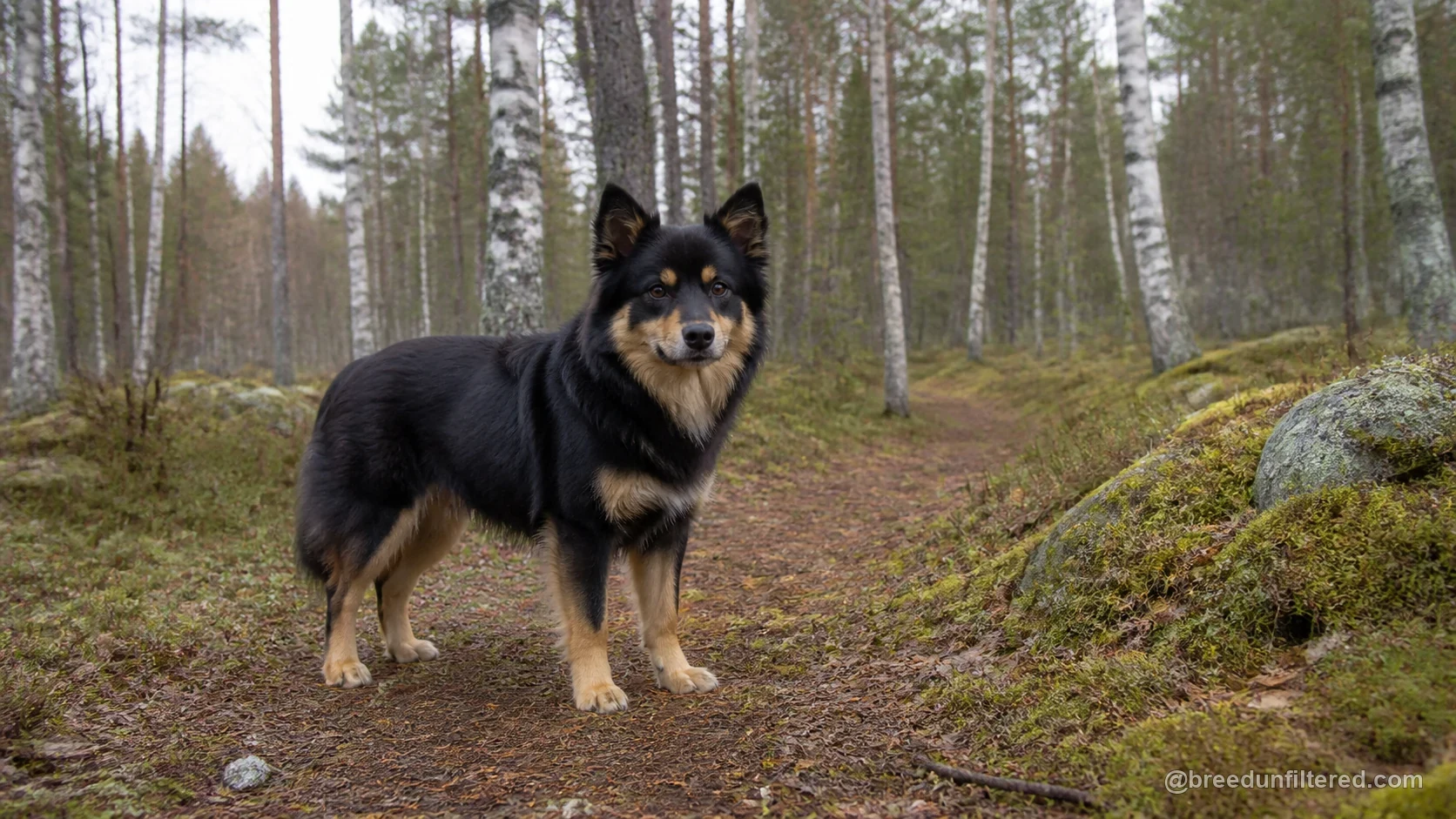
The Lapponian Herder, known in Finnish as Lapinporokoira, is a medium-sized spitz-type breed developed to work with reindeer in the harsh Arctic conditions of Lapland. Recognized by the Fédération Cynologique Internationale (FCI) under standard number 284, this breed is prized for its endurance, intelligence, and calm demeanor. Unlike some herding breeds that rely on intense eye contact or nipping, the Lapponian Herder guides reindeer with a steady, controlled presence, often working independently in vast, snowy landscapes.
For prospective owners, the Lapponian Herder offers a unique combination of working ability and family companionship. They are known for their loyalty and adaptability, but they are not a low-maintenance choice. Their heritage as a working dog means they require substantial mental and physical engagement to thrive. This article provides an evidence-conscious overview of the breed's origins, temperament, care needs, and the responsibilities involved in owning one, helping you decide if this Nordic herder is the right fit for your lifestyle.
Origin and Purpose
The Lapponian Herder originates from the northern regions of Finland, Sweden, and Norway, where the indigenous Sámi people have herded reindeer for centuries. The breed was developed to work in extreme cold and over vast terrains, assisting in gathering and moving reindeer herds. Recognized by the FCI in 1966, the Lapponian Herder is one of several Nordic spitz breeds, but it is distinct in its focus on reindeer herding rather than hunting or guarding.
The breed's working style is characterized by endurance and a calm, methodical approach. Unlike border collies that may use intense stares, Lapponian Herders often work at a distance, using their voice and movement to guide reindeer. This purpose has shaped their physical and mental attributes: they are sturdy, weather-resistant, and capable of making independent decisions. Understanding this background is crucial for owners, as it explains their need for purposeful activity and their tendency to be vocal.
Temperament and Variation
Lapponian Herders are generally described as calm, friendly, and intelligent. They are known for their strong bond with their family and a gentle disposition, though they can be reserved with strangers. As with any breed, individual temperament varies, and early socialization plays a significant role in shaping behavior. Some lines may be more energetic or more independent, so it is important to meet the parents or consult with breeders to understand the specific temperament of a puppy.
These dogs are not typically aggressive, but they have a strong herding instinct, which may manifest as chasing or circling children or other pets. They are also known for their vocalizations, including barking and a unique 'yodel' sound, which they use to communicate with their handlers and herd. Prospective owners should be prepared for a dog that is alert and responsive, but also one that may be sensitive to harsh training methods. Positive reinforcement and consistency are key to bringing out the best in this breed.
Exercise and Mental Work
As a working breed, the Lapponian Herder has substantial exercise needs. They thrive when given a job to do, whether it's herding, participating in dog sports like agility or obedience, or engaging in activities like hiking and trail running. A daily walk is not sufficient; they require at least an hour of vigorous exercise, but the exact amount varies with age, health, and individual energy. Without adequate physical activity, they may become restless and develop behavioral issues.
Mental stimulation is equally important. Lapponian Herders are intelligent and problem-solvers, so puzzle toys, scent work, and training sessions that challenge their minds are essential. They enjoy having a task and may become bored easily if left alone for long periods. Owners should plan for interactive play and training throughout the day. This breed is not suited for a sedentary lifestyle or for being left in a backyard; they need to be part of family activities to be happy and well-adjusted.
Training and Socialisation
Training a Lapponian Herder requires patience and a positive approach. They are eager to please but can be independent thinkers, so consistent, reward-based methods work best. Harsh corrections or repetitive drills may cause them to shut down or become stubborn. Early socialization is crucial to help them become well-rounded adults, exposing them to various people, animals, and environments. Puppy classes and controlled introductions to other dogs can help mitigate any tendency toward shyness or over-protectiveness.
Because of their herding background, they may try to 'herd' children or other pets, which can be managed with training and supervision. Teaching a reliable recall is essential, as their instinct to chase moving objects can be strong. They are generally responsive to training and can excel in obedience and agility, but they may also have a mind of their own. Owners who are consistent and fair will find a loyal and trainable companion, but those who are inconsistent may struggle with a dog that tests boundaries.
Family and Other Pets
Lapponian Herders can make excellent family dogs, especially in active households. They are typically gentle with children and form strong bonds with their human pack. However, their herding instinct may lead them to nip at heels, so supervision with young children is recommended. They are generally good with other dogs if socialized early, but their prey drive may be triggered by small animals like cats or rabbits, so introductions should be careful and gradual.
This breed thrives on companionship and does not do well when left alone for long periods. They may become destructive or develop separation anxiety. Families that include the dog in activities, such as hiking or camping, will find a devoted and versatile partner. It is important to note that every dog is an individual, and early experiences play a significant role in how they interact with children and other pets. Potential owners should assess their lifestyle and ensure they can provide the time and attention this social breed needs.
Grooming and Health
The Lapponian Herder has a double coat that is weather-resistant, with a soft, dense undercoat and a harsh outer coat. They shed moderately year-round and heavily during seasonal sheds, typically twice a year. Regular brushing, at least two to three times a week, is necessary to manage loose hair and prevent matting. During heavy shedding periods, daily brushing may be required. They are generally clean dogs with minimal odor, and bathing should be infrequent to preserve natural oils.
As a breed, Lapponian Herders are generally healthy, but like all breeds, they may be predisposed to certain conditions. Responsible breeders screen for hip dysplasia, elbow dysplasia, and eye disorders such as progressive retinal atrophy. They may also be prone to patellar luxation. It is essential to obtain a puppy from a breeder who performs health clearances and provides documentation. Regular veterinary check-ups, a balanced diet, and appropriate exercise contribute to their overall well-being. Lifespan is typically 10-14 years, but individual health varies.
Costs and Responsibility
Owning a Lapponian Herder involves significant financial and time commitments. Initial costs include the purchase price, which can vary widely depending on breeder reputation and location, as well as supplies like crates, bedding, and food. Ongoing expenses include high-quality dog food, routine veterinary care, vaccinations, and preventive medications. Additionally, because of their intelligence and energy, owners may invest in training classes, puzzle toys, and possibly dog sports, which add to the overall cost.
Beyond finances, this breed requires a substantial time investment. They need daily exercise, mental stimulation, and companionship. They are not suitable for owners who are away from home for long hours or who prefer a sedentary lifestyle. Prospective owners should also consider the responsibility of providing a lifelong home, as Lapponian Herders can live into their teens. It is crucial to research the breed thoroughly, talk to breeders and owners, and honestly assess your ability to meet their needs. Responsible ownership also involves training, socialization, and ensuring the dog is a positive member of the community.
Clear answers
FREQUENTLY ASKED QUESTIONS
Are Lapponian Herders good with children?
Lapponian Herders can be good with children, especially when raised with them and properly socialized. They are generally gentle and loyal, but their herding instinct may lead them to nip at heels or try to circle children. Supervision and training are recommended to teach appropriate behavior. As with any breed, individual temperament varies, so early and ongoing socialization is key.
How much exercise does a Lapponian Herder need?
Lapponian Herders are a working breed with high energy levels. They typically need at least an hour of vigorous exercise daily, but the exact amount varies with age, health, and individual temperament. Activities like hiking, running, and dog sports are excellent. Mental stimulation is equally important, as they are intelligent and need tasks to prevent boredom.
Do Lapponian Herders bark a lot?
Yes, Lapponian Herders are known for being vocal. They use barking and other sounds to communicate with their handlers and herd, and they may bark to alert their family. This trait can be managed with training, but prospective owners should be prepared for a dog that is not quiet. Early training can help reduce excessive barking.
Are Lapponian Herders easy to train?
Lapponian Herders are intelligent and eager to please, but they can also be independent. They respond best to positive reinforcement methods, such as treats and praise. Consistency and patience are important. They can excel in obedience and dog sports, but harsh training methods may cause them to become stubborn or shut down.
What is the lifespan of a Lapponian Herder?
The typical lifespan of a Lapponian Herder is around 10 to 14 years. As with any breed, individual health and care play a significant role. Responsible breeding and regular veterinary care can help ensure a healthy life. Potential owners should ask breeders about health clearances for conditions like hip dysplasia and eye disorders.
Sources and further reading
Scores describe typical breed tendencies from 1 to 10. They are not a quality ranking or a prediction for an individual dog.
Size and presence5/10
CompactVery large
Physical strength5/10
LightExceptional
Energy level9/10
LowRelentless
Exercise demand9/10
ModestVery demanding
Mental work needed8/10
ModerateDaily job
Trainability6/10
ChallengingExceptional
Everyday manageability3/10
SpecialistStraightforward
First-time owner fit3/10
Poor fitGood fit
Family-life fit7/10
LimitedExcellent
Dog sociability7/10
SelectiveVery social
Prey drive8/10
LowVery high
Guarding tendency6/10
MinimalSerious
Independence9/10
Handler-focusedSelf-directed
Grooming demand10/10
LightHeavy
Apartment fit4/10
Poor fitGood fit