Complete breed guide
Russian-European Laika OWNERSHIP GUIDE
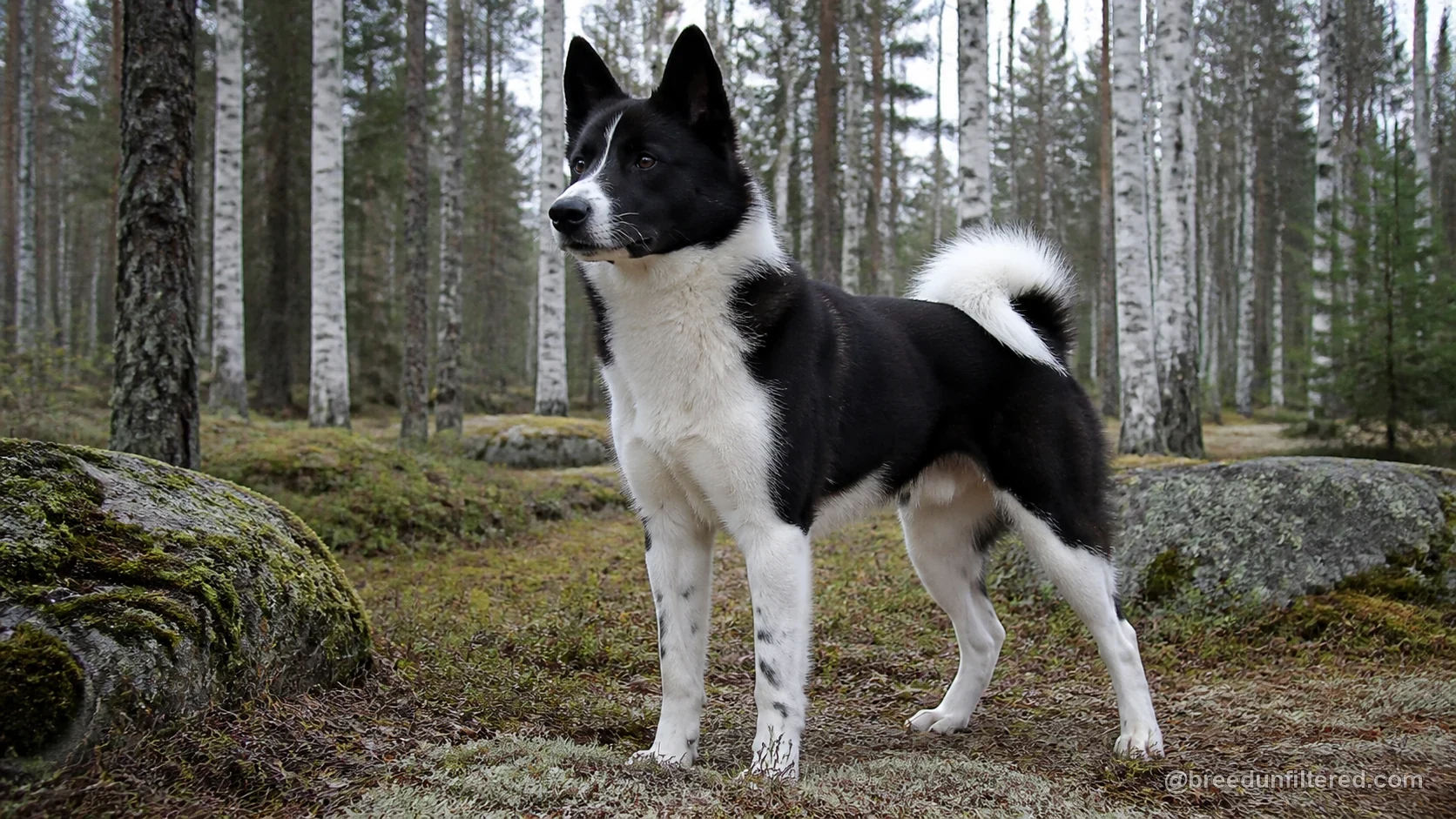
The Russian-European Laika is a medium-sized spitz-type hunting dog developed in the forests of northern Russia and Scandinavia. Bred for versatility, these dogs are known for their keen nose, stamina, and ability to hunt a wide range of game, from squirrels to moose. Their dense double coat and prick ears give them a wolf-like appearance, but their expression is often alert and friendly.
As a working breed, the Russian-European Laika is not a typical companion dog. They are intelligent, independent, and highly energetic, requiring a job or structured activity to thrive. Prospective owners should be prepared for a dog that is loyal to its family but reserved with strangers, and one that may not suit a sedentary lifestyle. This guide provides an overview of the breed's characteristics, care needs, and considerations for those thinking of welcoming one into their home.
Origin and Purpose
The Russian-European Laika originated in the northern regions of Russia and Finland, where it was developed by hunters seeking a hardy, versatile dog capable of working in harsh climates. The breed is part of the larger Laika family, which includes several regional types. The Russian-European Laika was standardized in the 20th century, with the FCI recognizing it in 1980 under standard number 304.
Historically, these dogs were used for hunting a variety of game, including birds, small mammals, and large predators. Their role was to locate game, bark to alert the hunter, and sometimes hold the animal at bay. This working heritage has shaped their temperament and physical abilities, making them resilient, agile, and highly attuned to their environment. Today, they are still primarily used for hunting, but some are kept as active companions.
Temperament and Variation
The Russian-European Laika is known for its balanced temperament: they are alert, confident, and loyal to their family, yet can be reserved or wary of strangers. They are not typically aggressive but may be protective. Their intelligence is evident, but it comes with a streak of independence, which can make them seem stubborn at times. Individual variation exists, with some dogs being more outgoing and others more aloof.
As a hunting breed, they have a strong prey drive and may not be reliable with small pets unless raised with them. They are generally good with children in the family, but their boisterous nature and herding instincts might be too much for very young kids. Early socialization is crucial to help them become well-adjusted adults. They thrive on being part of the family but need clear boundaries and consistent training.
Exercise and Mental Work
The Russian-European Laika is a high-energy breed that requires substantial daily exercise. A simple walk around the block is insufficient; they need opportunities to run, explore, and use their nose. Activities like hiking, jogging, or off-leash time in a secure area are beneficial. Without adequate physical and mental stimulation, they may become restless and develop destructive behaviors.
Mental work is equally important. Puzzle toys, scent games, and training sessions that challenge their problem-solving skills can help tire them out. Because they were bred to make decisions independently in the field, they appreciate tasks that allow them to use their instincts. Owners should be prepared to dedicate time each day to both physical and mental enrichment to keep their Laika content.
Training and Socialisation
Training a Russian-European Laika requires patience and consistency. They are intelligent but independent, so they may question commands if they see no reason to comply. Positive reinforcement methods, such as treats and praise, work best. Harsh corrections can damage the trust between dog and owner. Early training should focus on basic obedience and impulse control.
Socialisation is critical from a young age. Exposing the puppy to various people, animals, and environments helps reduce wariness and reactivity. Because they are naturally suspicious of strangers, regular positive encounters can help them learn to discriminate between friend and threat. Puppy classes and controlled introductions are recommended. A well-socialised Laika can be a calm and reliable companion in public.
Family and Pets
The Russian-European Laika can be a devoted family dog, forming strong bonds with its human pack. They are often good with children, especially if raised with them, but their high energy and herding instincts may lead to unintentional knocking over of toddlers. Supervision is advised. They are not typically aggressive but may be protective of their family and property.
With other dogs, they can get along if properly socialised, but they may have a dominant streak. Their prey drive makes them unsuitable for homes with small animals like rabbits, guinea pigs, or cats unless they are raised with them from puppyhood. Even then, instincts can be strong. Potential owners should assess their household and lifestyle to ensure a good match.
Grooming and Health
The Russian-European Laika has a thick double coat that sheds heavily, especially during seasonal changes. Weekly brushing is usually sufficient, but during shedding periods, daily brushing may be needed to manage loose fur. They are generally clean dogs with little odor, and bathing is only necessary occasionally. Their nails should be trimmed regularly, and ears checked for debris.
As a breed, they are generally healthy, but like all dogs, they can be prone to certain conditions. Hip dysplasia and eye disorders are seen in some lines. Responsible breeders screen their breeding stock for these issues. The breed's lifespan is typically 10-12 years. Regular veterinary check-ups and a balanced diet contribute to their overall well-being.
Costs and Responsibility
Owning a Russian-European Laika involves financial and time commitments. Initial costs include purchasing from a reputable breeder, which can be significant, plus supplies like a crate, leash, and food. Ongoing expenses include high-quality dog food, routine veterinary care, and possibly pet insurance. Grooming costs are minimal if done at home, but professional grooming may be needed during heavy sheds.
Beyond finances, this breed demands a significant time investment. They are not suited for apartment living or owners who are away for long hours. They need space to run and a job to do. Prospective owners should honestly assess their ability to meet the breed's exercise and mental stimulation needs. A Laika is a rewarding companion for the right person, but it is not a low-maintenance pet.
Clear answers
FREQUENTLY ASKED QUESTIONS
Is the Russian-European Laika good for first-time dog owners?
Generally, no. This breed is intelligent and independent, which can be challenging for novices. They require consistent training, firm leadership, and ample exercise. Without experience, owners may struggle to manage their energy and stubbornness. It's better suited for those familiar with working breeds.
How much exercise does a Russian-European Laika need?
They need substantial daily exercise, typically at least 1-2 hours of vigorous activity. This should include off-leash running in a safe area, hiking, or jogging. Mental stimulation is equally important to prevent boredom. Without enough exercise, they may become destructive or develop behavioral issues.
Are Russian-European Laikas good with children?
They can be good with children if raised with them and properly socialized. However, their high energy and herding instincts may lead to accidental knocking over of small kids. Supervision is recommended. They are loyal and protective of their family, but may be wary of strangers.
Do Russian-European Laikas shed a lot?
Yes, they shed heavily, especially during seasonal changes. Their thick double coat requires regular brushing, sometimes daily during shedding periods. They are not hypoallergenic. Regular grooming helps manage loose hair and keeps their coat healthy.
Can a Russian-European Laika live in an apartment?
It's not ideal. They are active and need space to roam. Apartment living can be possible if they receive sufficient exercise and mental stimulation, but it's challenging. A house with a securely fenced yard is preferable. Without adequate space, they may become restless and vocal.
Sources and further reading
Scores describe typical breed tendencies from 1 to 10. They are not a quality ranking or a prediction for an individual dog.
Size and presence5/10
CompactVery large
Physical strength5/10
LightExceptional
Energy level9/10
LowRelentless
Exercise demand10/10
ModestVery demanding
Mental work needed8/10
ModerateDaily job
Trainability5/10
ChallengingExceptional
Everyday manageability2/10
SpecialistStraightforward
First-time owner fit3/10
Poor fitGood fit
Family-life fit6/10
LimitedExcellent
Dog sociability6/10
SelectiveVery social
Prey drive10/10
LowVery high
Guarding tendency7/10
MinimalSerious
Independence9/10
Handler-focusedSelf-directed
Grooming demand10/10
LightHeavy
Apartment fit4/10
Poor fitGood fit