Complete breed guide
Shikoku OWNERSHIP GUIDE
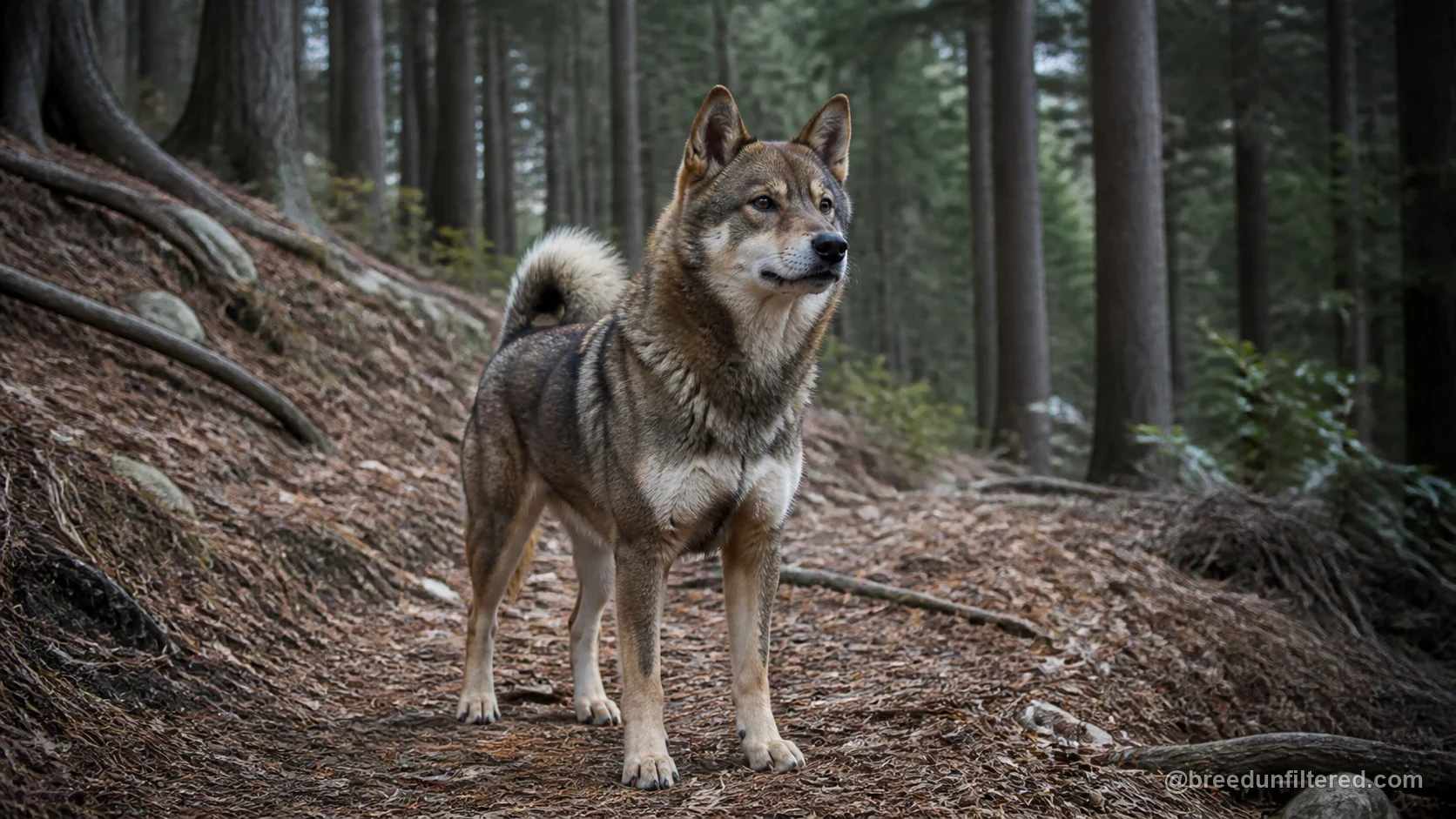
The Shikoku is a rare and ancient Japanese breed, originally developed for hunting wild boar and deer in the mountainous regions of Shikoku Island. Recognized by the FCI in Group 5 (Spitz and primitive types), this medium-sized dog is known for its keen senses, agility, and endurance. With a distinctive curled tail and a thick double coat, the Shikoku is a striking and loyal companion for experienced owners who appreciate its independent spirit.
Before bringing a Shikoku into your home, it's essential to understand that this breed is not a typical family pet. They are intelligent, alert, and have a strong prey drive, requiring consistent training and ample physical and mental stimulation. This article provides a balanced overview of the Shikoku's characteristics, care needs, and potential challenges, helping you decide if this remarkable breed is the right fit for your lifestyle.
Origin and Purpose
The Shikoku, also known as the Kochi-ken, is one of the six native Japanese dog breeds protected by the Nihon Ken Hozonkai (Nippo). Originating from the island of Shikoku, this breed was developed to hunt large game, including wild boar and deer, in the rugged, forested terrain. Their agility, stamina, and keen sense of smell made them invaluable hunting partners, and they were often used in packs.
Today, the Shikoku remains a rare breed, especially outside Japan. The FCI standard (No. 319) classifies it under Group 5, Section 5 (Asian Spitz and related breeds). While their hunting role has diminished, they still retain strong instincts and a natural wariness of strangers, reflecting their history as a working breed. Understanding this heritage is crucial for prospective owners, as it shapes the Shikoku's temperament and care requirements.
Temperament and Variation
The Shikoku is known for its loyal and devoted nature towards its family, but it can be reserved and aloof with strangers. They are intelligent and independent, often displaying a stubborn streak that requires patient, consistent handling. While individual temperaments vary, most Shikokus are alert, courageous, and have a strong sense of self, making them excellent watchdogs.
There are three recognized varieties within the breed, distinguished by coat color: the Awa, the Hata, and the Hongawa. These regional types are named after the areas where they were originally bred and may have subtle differences in size and coat texture, but all share the same core temperament. Prospective owners should meet several Shikokus to appreciate the range of personalities, as early socialization and training play a significant role in shaping their behavior.
Exercise and Mental Work
The Shikoku is a high-energy breed that requires substantial daily exercise to remain physically and mentally healthy. They thrive in environments where they can run and explore, such as large fenced yards or during long hikes. Without adequate exercise, they may become restless and develop destructive behaviors. It's important to provide a variety of activities, including off-leash running in safe areas, to satisfy their natural endurance.
Mental stimulation is equally crucial for this intelligent breed. Puzzle toys, scent games, and obedience training can help channel their sharp minds. Activities that mimic hunting, such as tracking or lure coursing, can be particularly rewarding. Owners should be prepared to dedicate at least an hour or more each day to exercise and mental enrichment, as a bored Shikoku can be a challenge to manage.
Training and Socialisation
Training a Shikoku requires patience, consistency, and a positive reinforcement approach. They are sensitive to harsh methods and respond best to rewards-based training that builds trust. Early socialization is essential to help them become well-adjusted adults, as they can be wary of unfamiliar people and situations. Exposing them to various environments, sounds, and experiences during puppyhood can reduce the risk of fearfulness or aggression.
Due to their independent nature, Shikokus may test boundaries and require a firm but gentle handler. They are not recommended for first-time dog owners. Obedience classes and ongoing training can strengthen the bond between dog and owner, while also providing mental stimulation. It's important to remember that the Shikoku's hunting instincts may override commands in the presence of small animals, so reliable recall is a critical skill to develop.
Family and Other Pets
The Shikoku can be a loyal and affectionate companion for families, but they are best suited to households with older children who understand how to interact respectfully with dogs. They may not tolerate rough handling and can be protective of their family. As with any breed, supervision is recommended when children and dogs are together, and teaching children to respect the dog's space is essential.
When it comes to other pets, the Shikoku's prey drive can be a significant concern. They may view small animals, such as cats, rabbits, or small dogs, as prey. Early socialization can help them coexist with other pets, but it is not guaranteed. They generally get along better with dogs of the opposite sex, and same-sex aggression can occur. Prospective owners should carefully consider their existing pets and be prepared to manage interactions.
Grooming and Health
The Shikoku has a thick double coat that sheds seasonally, requiring regular brushing to manage loose fur. During shedding periods, daily brushing may be necessary, while weekly brushing is sufficient at other times. They are generally clean dogs with minimal odor, and bathing should be infrequent to avoid stripping natural oils. Regular nail trimming, ear cleaning, and dental care are also part of a good grooming routine.
As a breed, the Shikoku is generally healthy, but like all dogs, they can be prone to certain conditions. Hip dysplasia and patellar luxation are seen in some lines, and eye issues such as progressive retinal atrophy may occur. Responsible breeders screen their breeding stock for these conditions. Prospective owners should ask for health clearances and be prepared for potential veterinary costs. Regular check-ups and a balanced diet contribute to their overall well-being.
Costs and Responsibility
Owning a Shikoku is a significant financial and time commitment. The initial cost of a puppy from a reputable breeder can be high, and there are ongoing expenses for food, veterinary care, grooming, and training. Additionally, because the breed is rare, finding a breeder may require a waiting list and travel. Prospective owners should budget for unexpected medical costs and consider pet insurance.
Beyond finances, the Shikoku requires a dedicated owner who can provide ample exercise, mental stimulation, and consistent training. They are not a breed that can be left alone for long periods or confined to a small apartment without proper outlets. This breed thrives in an active household with a secure yard. Potential owners must be prepared for a long-term commitment of 10-12 years, ensuring they can meet the Shikoku's needs throughout its life.
Clear answers
FREQUENTLY ASKED QUESTIONS
Is the Shikoku a good family dog?
The Shikoku can be a loyal and affectionate family companion, but they are best suited to experienced owners with older children. They are reserved with strangers and may not tolerate rough play. Early socialization and supervision are essential to ensure a harmonious relationship with children and other pets.
How much exercise does a Shikoku need?
Shikokus are high-energy dogs that require substantial daily exercise, typically at least an hour of vigorous activity. They enjoy long walks, hikes, and off-leash running in safe areas. Mental stimulation is equally important to prevent boredom and destructive behaviors.
Are Shikokus good with other dogs?
Shikokus can be selective with other dogs, and same-sex aggression may occur. They generally do better with dogs of the opposite sex. Early socialization can improve their tolerance, but their prey drive may make them unsafe around small animals like cats or rabbits.
What is the temperament of a Shikoku?
Shikokus are intelligent, independent, and loyal to their family. They are alert and wary of strangers, making them good watchdogs. They can be stubborn and require patient, consistent training. They are not typically recommended for first-time dog owners.
How much grooming does a Shikoku need?
The Shikoku has a thick double coat that sheds seasonally. Regular brushing, at least weekly, is needed to manage loose fur, with daily brushing during shedding periods. They are generally clean dogs and require minimal bathing, but regular nail trimming and ear cleaning are necessary.
Sources and further reading
Scores describe typical breed tendencies from 1 to 10. They are not a quality ranking or a prediction for an individual dog.
Size and presence5/10
CompactVery large
Physical strength5/10
LightExceptional
Energy level9/10
LowRelentless
Exercise demand10/10
ModestVery demanding
Mental work needed8/10
ModerateDaily job
Trainability4/10
ChallengingExceptional
Everyday manageability1/10
SpecialistStraightforward
First-time owner fit2/10
Poor fitGood fit
Family-life fit6/10
LimitedExcellent
Dog sociability3/10
SelectiveVery social
Prey drive10/10
LowVery high
Guarding tendency7/10
MinimalSerious
Independence10/10
Handler-focusedSelf-directed
Grooming demand10/10
LightHeavy
Apartment fit4/10
Poor fitGood fit