Complete breed guide
Swedish Vallhund OWNERSHIP GUIDE
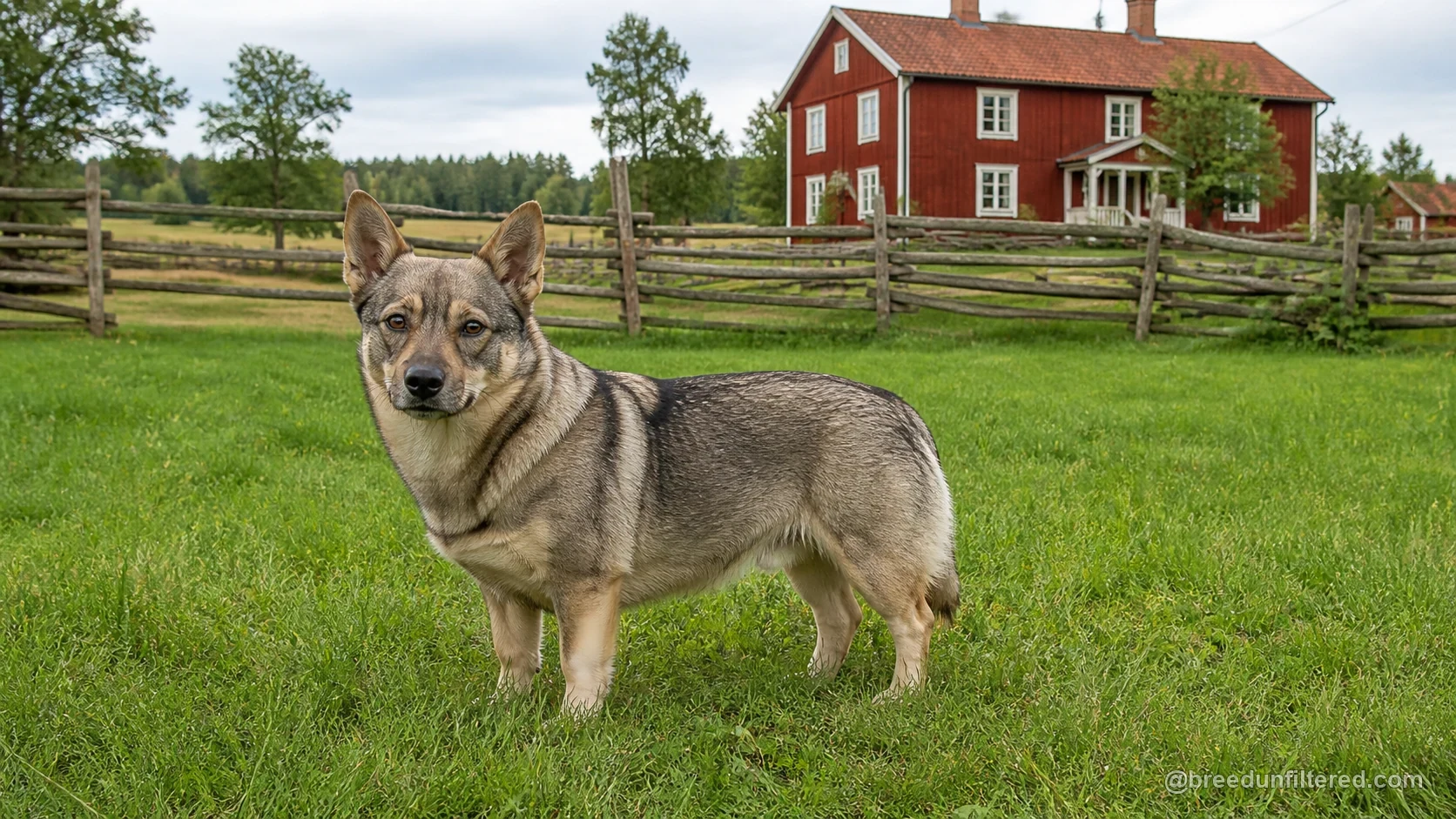
The Swedish Vallhund, also known as the Västgötaspets, is a small, sturdy spitz-type dog with a history rooted in Viking-era Scandinavia. Bred to herd cattle and guard farms, this ancient breed combines the agility of a herder with the alertness of a watchdog. Its distinctive appearance—short legs, elongated body, and expressive face—often draws comparisons to a miniature wolf or a Corgi, but the Vallhund has its own unique character and charm.
Prospective owners should understand that the Swedish Vallhund is an active, intelligent, and vocal companion. While its size may suggest a lapdog, it is a working breed at heart, requiring both physical exercise and mental stimulation to thrive. This article provides an evidence-based overview of the breed's origins, temperament, care needs, and potential challenges, helping you decide if a Swedish Vallhund is the right fit for your lifestyle.
Origin and Purpose
The Swedish Vallhund is an ancient breed believed to have existed for over a thousand years, with roots in the Viking era. Historical evidence suggests that these dogs were used by Vikings for herding cattle, guarding farms, and even as companions on long voyages. The breed's name, Västgötaspets, refers to the region of Västergötland in Sweden, where it was particularly prevalent. Recognized by the Fédération Cynologique Internationale (FCI) in Group 5 (Spitz and primitive types), the breed was officially recognized in 1943 after a concerted effort to revive its numbers.
The breed's primary purpose was herding, and it excelled at driving cattle, often nipping at their heels to move them. This herding instinct remains strong in modern Vallhunds, manifesting as a tendency to chase and circle moving objects, including children and other pets. The breed's versatility also made it a valuable farm dog, capable of guarding property and alerting owners to intruders. Today, while many Swedish Vallhunds are beloved companions, they still retain the intelligence, stamina, and work ethic of their ancestors.
Temperament and Variation
The Swedish Vallhund is known for its alert, confident, and friendly demeanor. It is a breed that forms strong bonds with its family and is often described as 'big dog in a small package' due to its bold personality. Individual temperament can vary, but most Vallhunds are eager to please, playful, and affectionate with their owners. They are also known for their vocal nature, using barks and other sounds to communicate, which can be a consideration for those living in close quarters.
While the breed is generally good-natured, it can be reserved with strangers, making early socialisation important. The Vallhund's herding instinct may lead to nipping at heels, especially with children, so training and supervision are essential. Variation exists within the breed, with some individuals being more outgoing and others more cautious. Prospective owners should meet multiple Vallhunds and consult breeders to understand the range of temperaments and find a dog that matches their expectations.
Exercise and Mental Work
Swedish Vallhunds are energetic and require regular physical activity to stay healthy and happy. Daily walks, play sessions, and opportunities to run in a securely fenced area are typically necessary. As a herding breed, they have considerable stamina and enjoy activities that challenge them both physically and mentally. Without adequate exercise, they may become bored and develop undesirable behaviors such as excessive barking or digging.
Mental stimulation is equally important for this intelligent breed. Puzzle toys, obedience training, and canine sports like agility, rally, or herding trials can provide the mental challenges Vallhunds crave. They are quick learners and often excel in activities that involve problem-solving. Owners should be prepared to dedicate time each day to engage their Vallhund's mind, as a mentally stimulated dog is more likely to be a well-adjusted companion.
Training and Socialisation
Training a Swedish Vallhund is generally a rewarding experience due to their intelligence and eagerness to please. Positive reinforcement methods, such as treats, praise, and play, work best. They respond well to consistent, patient training and can learn a wide range of commands and tricks. However, their independent streak may surface, so owners should be firm and consistent without being harsh. Early training is crucial to channel their energy and prevent stubbornness.
Socialisation is vital for Swedish Vallhunds to develop into well-rounded adults. Exposing them to various people, animals, environments, and situations from a young age helps reduce the risk of fearfulness or aggression. Puppy classes and regular outings can aid in this process. While they are generally good with other dogs if properly socialised, their herding instinct may cause them to chase smaller animals, so supervision is recommended. With thorough socialisation, Vallhunds can become confident and adaptable companions.
Family and Other Pets
Swedish Vallhunds can make excellent family dogs for active households. They are typically affectionate with their family members and enjoy being involved in daily activities. Their herding instinct may lead them to 'herd' children, which can be managed through training and supervision. They are generally sturdy and playful, but due to their small size, they may not be suitable for very young children who might accidentally injure them. Teaching children how to interact respectfully with dogs is essential.
When it comes to other pets, Swedish Vallhunds can coexist with cats and other dogs if raised together and properly socialised. However, their prey drive may be triggered by small animals like rodents or birds, so caution is advised. They may also attempt to herd other pets, which can be amusing but should be monitored. With proper introductions and ongoing management, many Vallhunds live harmoniously with multiple pets in the household.
Grooming and Health
The Swedish Vallhund has a double coat that is weather-resistant and sheds seasonally. Regular brushing, at least once or twice a week, helps manage shedding and keeps the coat healthy. During heavy shedding periods, daily brushing may be necessary. They are generally clean dogs and require only occasional baths. Routine grooming also includes nail trimming, ear cleaning, and dental care to maintain overall health.
As a breed, Swedish Vallhunds are generally healthy, but like all breeds, they may be predisposed to certain conditions. Responsible breeders screen for hereditary issues such as hip dysplasia, progressive retinal atrophy (PRA), and patellar luxation. Regular veterinary check-ups and a balanced diet contribute to their well-being. Prospective owners should ask breeders about health testing and be prepared for potential health-related expenses. While no breed is immune to health problems, being informed can help owners provide the best care.
Costs and Responsibility
Owning a Swedish Vallhund involves financial and time commitments. Initial costs include the purchase price from a reputable breeder, which can vary, as well as supplies like a crate, bedding, food, and grooming tools. Ongoing expenses include high-quality dog food, routine veterinary care, vaccinations, and preventive medications. Unexpected costs may arise from illness or injury, so pet insurance or a savings fund is advisable.
Beyond finances, responsible ownership requires a significant investment of time and energy. Swedish Vallhunds need daily exercise, mental stimulation, and companionship. They thrive in homes where they are included in family activities and given a job to do. Prospective owners should assess their lifestyle to ensure they can meet the breed's needs. Adoption from a rescue or breed-specific organization is also an option, offering a home to a dog in need. Ultimately, responsible ownership is about providing a loving, stable environment for the dog's entire life.
Clear answers
FREQUENTLY ASKED QUESTIONS
Are Swedish Vallhunds good with children?
Swedish Vallhunds can be good with children, especially when raised together and properly socialised. They are playful and affectionate, but their herding instinct may lead them to nip at heels. Supervision and training are important to teach both the dog and children appropriate interactions. As with any breed, individual temperament varies, so it's crucial to assess the dog's personality and provide consistent guidance.
How much exercise does a Swedish Vallhund need?
Swedish Vallhunds are an active breed and require daily exercise to stay healthy and content. This typically includes at least one or two walks, playtime, and opportunities to run in a secure area. They also benefit from mental challenges like puzzle toys or training sessions. Without sufficient exercise, they may become bored and develop behavioral issues. The exact amount varies by age and individual energy level.
Do Swedish Vallhunds shed a lot?
Yes, Swedish Vallhunds shed, particularly during seasonal changes. They have a double coat that sheds moderately throughout the year and heavily during spring and fall. Regular brushing, at least a few times a week, can help manage loose hair and reduce shedding around the home. During heavy shedding periods, daily brushing may be necessary to keep the coat healthy and minimize hair accumulation.
Are Swedish Vallhunds easy to train?
Swedish Vallhunds are intelligent and eager to please, making them generally trainable. They respond well to positive reinforcement methods like treats and praise. However, they can be independent and may test boundaries, so consistent and patient training is essential. Early socialisation and obedience training are recommended to channel their energy and prevent stubborn behaviors. With the right approach, they can excel in various activities.
Can Swedish Vallhunds live in apartments?
Swedish Vallhunds can adapt to apartment living if their exercise and mental stimulation needs are met. They are active indoors but do not require a large yard if given regular walks and playtime. However, they are vocal and may bark, which could be an issue in close quarters. Apartment dwellers should be prepared to provide ample exercise and training to manage barking and ensure the dog is well-adjusted.
Sources and further reading
Scores describe typical breed tendencies from 1 to 10. They are not a quality ranking or a prediction for an individual dog.
Size and presence5/10
CompactVery large
Physical strength5/10
LightExceptional
Energy level8/10
LowRelentless
Exercise demand8/10
ModestVery demanding
Mental work needed8/10
ModerateDaily job
Trainability6/10
ChallengingExceptional
Everyday manageability4/10
SpecialistStraightforward
First-time owner fit3/10
Poor fitGood fit
Family-life fit6/10
LimitedExcellent
Dog sociability7/10
SelectiveVery social
Prey drive8/10
LowVery high
Guarding tendency7/10
MinimalSerious
Independence9/10
Handler-focusedSelf-directed
Grooming demand10/10
LightHeavy
Apartment fit4/10
Poor fitGood fit