Complete breed guide
Kishu OWNERSHIP GUIDE
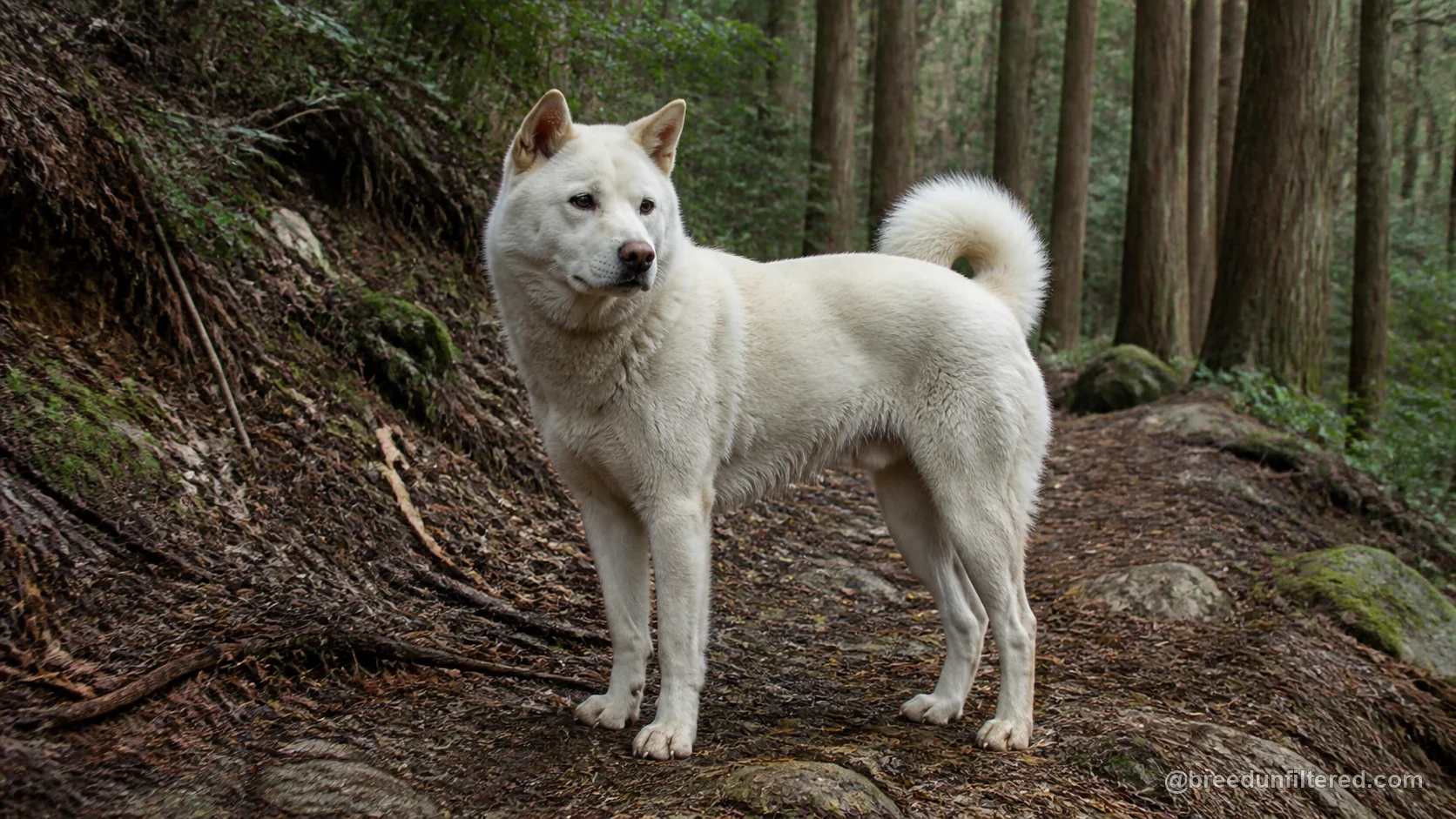
The Kishu is a Japanese hunting breed that originated in the mountainous regions of Wakayama and Mie prefectures. Bred to hunt wild boar and deer, this medium-sized spitz-type dog is known for its courage, endurance, and strong prey drive. The breed is one of six native Japanese dogs recognized by the Nihon Ken Hozonkai, and it is celebrated for its loyalty and quiet dignity.
For the right owner, the Kishu can be a devoted companion and a capable working partner. However, this breed is not for everyone. Kishus are independent, intelligent, and often reserved with strangers. They require a confident handler who can provide consistent training, ample exercise, and a secure environment. Prospective owners should be prepared for a dog that may be aloof but forms deep bonds with its family.
Origin and Purpose
The Kishu is one of the oldest and most pure Japanese breeds, with roots tracing back to ancient times. It was developed in the mountainous regions of the Kii Peninsula, where it was used to hunt large game such as wild boar and deer. The breed's name comes from the old province of Kishu, now part of Wakayama and Mie prefectures. Historically, Kishus were prized for their bravery, tenacity, and ability to work in rugged terrain.
Today, the Kishu is still used for hunting in Japan, but it also serves as a companion and guardian. The breed was designated as a natural monument of Japan in 1934, reflecting its cultural significance. The FCI recognizes the Kishu in Group 5 (Spitz and primitive types) under standard number 318. Understanding its hunting heritage is essential for prospective owners, as it influences the breed's behavior and needs.
Temperament and Variation
Kishus are known for their calm, composed, and loyal temperament. They are often described as quiet and alert, with a strong sense of independence. While they are devoted to their families, they can be reserved or wary of strangers. This breed tends to be courageous and may exhibit a protective instinct, though it is not typically aggressive without cause. Individual temperament can vary, so early socialization is important.
There are two color varieties in the Kishu: white and red (or sesame). White is the most common, but red and sesame are also recognized. These color variations do not significantly affect temperament, but they may influence coat care. Overall, the Kishu is a dignified and intelligent dog that thrives in a structured environment with clear leadership.
Exercise and Mental Work
The Kishu is an athletic and energetic breed that requires regular exercise to stay healthy and content. Daily walks, runs, or play sessions in a securely fenced area are essential. Because of its hunting background, the Kishu has a strong prey drive and may chase small animals, so off-leash exercise should only occur in safe, enclosed spaces. Mental stimulation is equally important; puzzle toys, scent games, and training sessions can help prevent boredom.
Without adequate physical and mental activity, a Kishu may become restless or develop undesirable behaviors. However, the breed is not hyperactive; it can adapt to a moderate exercise routine if its needs are met. Prospective owners should be prepared to commit to daily exercise and provide engaging activities that challenge the dog's mind.
Training and Socialisation
Training a Kishu requires patience, consistency, and a positive approach. This breed is intelligent but can be stubborn and independent, so harsh methods are counterproductive. Early socialization is crucial to help the Kishu become well-adjusted and comfortable with various people, animals, and environments. Exposing the puppy to different experiences can reduce wariness and prevent fear-based reactions.
Kishus respond well to reward-based training that includes treats, praise, and play. They are not typically eager to please like some sporting breeds, so owners must make training interesting and worthwhile. Establishing clear rules and boundaries from the start is important. With a firm but gentle hand, the Kishu can learn obedience and become a reliable companion.
Family and Pets
The Kishu can be a loving and protective family dog, but it may not be the best choice for households with very young children. Its independent nature and low tolerance for rough handling mean that interactions with children should be supervised. The breed tends to bond closely with its immediate family and may be aloof with visitors. Proper socialization can help it accept guests, but it may always be somewhat reserved.
Regarding other pets, the Kishu's high prey drive can make it challenging to live with small animals such as cats, rabbits, or rodents. With early and consistent socialization, some Kishus can coexist with cats, but it is not guaranteed. They generally get along with other dogs if raised together, but same-sex aggression can occur. Prospective owners should consider these factors carefully.
Grooming and Health
The Kishu has a double coat that sheds moderately year-round and heavily during seasonal changes. Regular brushing, at least two to three times a week, helps manage shedding and keeps the coat healthy. During shedding season, daily brushing may be necessary. Bathing should be infrequent to preserve natural oils. Routine care includes nail trimming, ear cleaning, and dental hygiene.
As a breed, the Kishu is generally healthy, but like all dogs, it can be prone to certain conditions. Hip dysplasia, patellar luxation, and eye issues have been reported. Responsible breeders screen for these conditions. Prospective owners should ask for health clearances and maintain regular veterinary check-ups. A balanced diet and proper exercise contribute to overall well-being.
Costs and Responsibility
Owning a Kishu involves financial and time commitments. Initial costs include purchasing from a reputable breeder, which can be significant, as well as supplies like a crate, bed, and food. Ongoing expenses include high-quality dog food, routine veterinary care, vaccinations, and preventive medications. Grooming supplies and professional grooming services may also be needed. Pet insurance is recommended to help manage unexpected health costs.
Beyond finances, responsible ownership requires a commitment to training, exercise, and socialization. The Kishu is a long-lived breed, often living 12 to 15 years, so owners must be prepared for a long-term relationship. This breed thrives in a home with a securely fenced yard and an owner who understands its needs. Potential owners should research thoroughly and consider adopting from a rescue if possible.
Clear answers
FREQUENTLY ASKED QUESTIONS
Is the Kishu a good family dog?
The Kishu can be a good family dog for experienced owners who understand its independent nature. It is loyal and protective of its family, but it may be reserved with strangers and can be intolerant of rough handling by young children. Supervision and early socialization are essential to ensure harmonious interactions.
How much exercise does a Kishu need?
The Kishu is an energetic breed that needs daily exercise, including walks, runs, or playtime in a secure area. At least an hour of activity is often recommended, but individual needs vary. Mental stimulation is also important to prevent boredom and destructive behaviors.
Does the Kishu get along with other pets?
Due to its strong prey drive, the Kishu may not be reliable with small animals like cats or rabbits. With early socialization, some Kishus can coexist with cats, but it is not guaranteed. They may get along with other dogs if raised together, but same-sex aggression can occur.
What is the grooming requirement for a Kishu?
The Kishu has a thick double coat that sheds seasonally. Regular brushing, at least two to three times a week, is needed to manage shedding and keep the coat healthy. During heavy shedding periods, daily brushing may be necessary. Bathing should be infrequent to avoid stripping natural oils.
Are Kishus easy to train?
Kishus are intelligent but independent, which can make training challenging. They respond best to positive reinforcement methods, such as treats and praise. Consistency and patience are key. Early socialization and obedience training are crucial to develop a well-mannered adult dog.
Sources and further reading
Scores describe typical breed tendencies from 1 to 10. They are not a quality ranking or a prediction for an individual dog.
Size and presence5/10
CompactVery large
Physical strength5/10
LightExceptional
Energy level8/10
LowRelentless
Exercise demand8/10
ModestVery demanding
Mental work needed8/10
ModerateDaily job
Trainability6/10
ChallengingExceptional
Everyday manageability2/10
SpecialistStraightforward
First-time owner fit3/10
Poor fitGood fit
Family-life fit6/10
LimitedExcellent
Dog sociability3/10
SelectiveVery social
Prey drive10/10
LowVery high
Guarding tendency7/10
MinimalSerious
Independence9/10
Handler-focusedSelf-directed
Grooming demand10/10
LightHeavy
Apartment fit4/10
Poor fitGood fit