Complete breed guide
Akita OWNERSHIP GUIDE
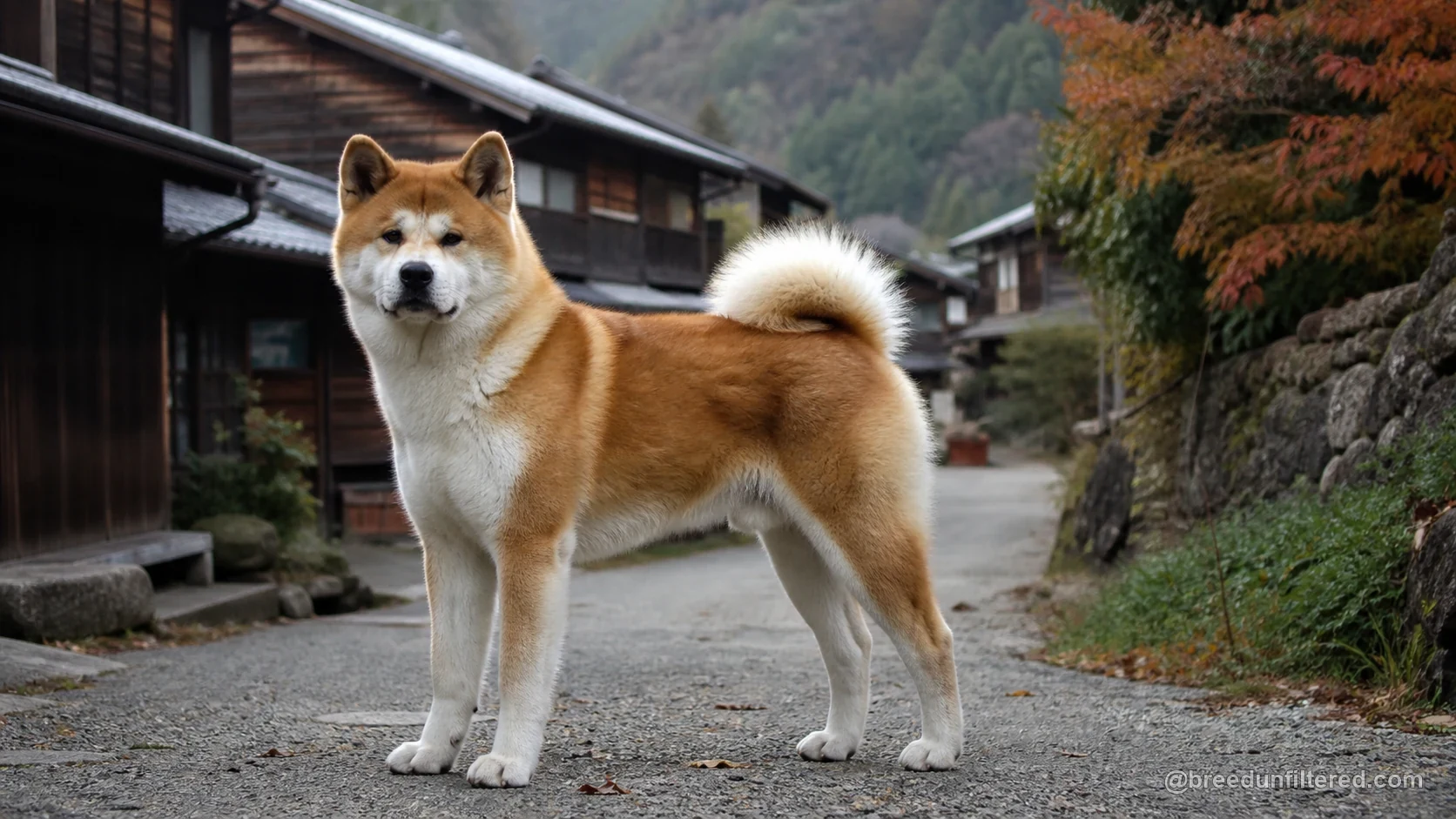
The Akita is a powerful and dignified breed with roots in the mountainous regions of Japan, where it was developed for hunting large game and as a guardian. Its imposing stature, curled tail, and bear-like head make it instantly recognizable. However, beneath the calm exterior lies a complex personality that demands respect and understanding from its human companions.
Prospective owners should be prepared for a dog that is loyal, protective, and often reserved with strangers. The Akita is not a breed for everyone; it requires experienced handling, consistent training, and a commitment to meeting its physical and mental needs. This guide aims to provide a balanced overview of the breed's characteristics, care requirements, and the responsibilities that come with sharing your life with an Akita.
Origin and Purpose
The Akita originates from the Akita Prefecture on Honshu Island, Japan, where it was bred for hunting bear, deer, and wild boar. Its ancestors were likely a mix of native Japanese dogs and imported breeds, resulting in a robust and courageous hunter. The breed's history is also intertwined with the samurai culture, and it has been revered as a symbol of good health and prosperity.
In the early 20th century, the Akita was designated as a Natural Monument of Japan, and efforts were made to preserve the breed. After World War II, the breed was introduced to the United States, where it developed into a slightly larger and heavier type compared to the Japanese strain. Today, the Akita serves primarily as a companion and guardian, but its hunting instincts and protective nature remain deeply ingrained.
Temperament and Variation
The Akita is known for its loyalty and devotion to its family, often forming a strong bond with one or two individuals. It is typically calm and quiet indoors, but can be aloof and wary of strangers. This breed has a high prey drive and may not get along with other dogs, especially those of the same sex. Early and ongoing socialisation is crucial to help an Akita develop into a well-adjusted adult.
There are two distinct lines of Akita: the Japanese Akita and the American Akita. The Japanese type is often described as more fox-like in appearance, with a lighter bone and a more reserved temperament. The American type is larger, with a more bear-like head and a more outgoing personality. Both types share core traits, but potential owners should be aware of these differences when choosing a breeder or rescue.
Exercise and Mental Work
Akitas are not hyperactive dogs, but they do require regular exercise to maintain their physical and mental well-being. Daily walks, play sessions, and opportunities to explore in a securely fenced area are essential. However, exercise should be moderate and adapted to the dog's age and health, as Akitas are prone to joint issues such as hip dysplasia.
Mental stimulation is equally important for this intelligent breed. Puzzle toys, obedience training, and scent games can help prevent boredom and destructive behaviors. Akitas thrive when they have a job to do, whether it's participating in canine sports like weight pulling or simply learning new tricks. Without adequate mental engagement, they may become stubborn or develop behavioral problems.
Training and Socialisation
Training an Akita requires patience, consistency, and a firm but fair approach. This breed is intelligent and independent, often questioning commands if they see no benefit. Positive reinforcement methods, such as treats and praise, work best, while harsh corrections can lead to resentment and resistance. Early obedience training is essential to establish leadership and prevent the dog from taking charge.
Socialisation should begin in puppyhood and continue throughout the dog's life. Exposing the Akita to a variety of people, environments, and other animals can help reduce its natural suspicion and aggression towards unfamiliar beings. However, even with extensive socialisation, an Akita may never be fully trustworthy with other dogs, especially off-leash. Owners must manage their dog's interactions carefully.
Family and Other Pets
Akitas can be wonderful family dogs for households with older children who understand how to respect a dog's space. They are generally patient and gentle with their own family, but they may not tolerate rough handling or teasing. Supervision is always recommended when an Akita is around young children, as the dog's protective instincts could lead to misinterpretation of play.
When it comes to other pets, Akitas often have a strong prey drive and may view smaller animals, including cats and small dogs, as prey. They are also prone to same-sex aggression, making multi-dog households challenging. If you have other pets, it is crucial to introduce them carefully and provide separate spaces if needed. Some Akitas can live peacefully with other animals if raised together, but this is not guaranteed.
Grooming and Health
The Akita has a thick double coat that sheds heavily, especially during seasonal changes. Regular brushing, at least two to three times a week, is necessary to manage loose fur and keep the coat healthy. During shedding season, daily brushing may be required. Bathing should be done occasionally, as over-bathing can strip the coat of natural oils.
Health-wise, Akitas are generally robust but are predisposed to certain conditions, including hip dysplasia, progressive retinal atrophy, and autoimmune disorders. Responsible breeders screen for these issues, but owners should be prepared for potential veterinary costs. Regular check-ups, a balanced diet, and maintaining a healthy weight are key to supporting the dog's overall health.
Costs and Responsibility
Owning an Akita is a significant financial and time commitment. Initial costs include purchasing from a reputable breeder or adoption fees, as well as supplies like a crate, bed, and food. Ongoing expenses include high-quality dog food, routine veterinary care, grooming supplies, and pet insurance. Emergency medical care can be costly, so it's wise to budget accordingly.
Beyond finances, Akitas require a dedicated owner who can provide consistent training, ample exercise, and a safe environment. They are not a breed that can be left alone for long periods or neglected. Prospective owners should honestly assess their lifestyle and experience level before bringing an Akita home. This breed thrives with an experienced handler who can offer firm, loving guidance.
Clear answers
FREQUENTLY ASKED QUESTIONS
Are Akitas good with children?
Akitas can be good with children if they are raised with them and properly socialized. They are typically patient and protective of their family, but they may not tolerate rough handling. Supervision is essential, especially with younger children, to ensure safe interactions and to teach the child how to respect the dog's boundaries.
Do Akitas get along with other dogs?
Akitas often have a high prey drive and can be aggressive towards other dogs, particularly those of the same sex. Early socialisation can help, but it does not guarantee that an Akita will be friendly with other dogs. Owners should manage introductions carefully and may need to keep the Akita separated from other pets in the household.
How much exercise does an Akita need?
Akitas require moderate exercise, such as daily walks and playtime in a fenced yard. They are not hyperactive but need regular activity to stay healthy and mentally stimulated. The exact amount varies with age and health, but generally, 30 to 60 minutes of exercise per day is a reasonable starting point, adjusted to the individual dog.
Are Akitas easy to train?
Akitas are intelligent but independent, which can make training challenging for novice owners. They respond best to positive reinforcement and consistent, patient methods. Early obedience training and socialisation are crucial. Without proper leadership, an Akita may become stubborn or dominant, so an experienced handler is often recommended.
What are the common health issues in Akitas?
Akitas are prone to certain health conditions, including hip dysplasia, progressive retinal atrophy, and autoimmune disorders. Responsible breeders screen for these issues, but owners should be aware of the potential risks. Regular veterinary check-ups and a healthy lifestyle can help manage these conditions, but they can be costly to treat.
Sources and further reading
Scores describe typical breed tendencies from 1 to 10. They are not a quality ranking or a prediction for an individual dog.
Size and presence5/10
CompactVery large
Physical strength6/10
LightExceptional
Energy level8/10
LowRelentless
Exercise demand8/10
ModestVery demanding
Mental work needed8/10
ModerateDaily job
Trainability5/10
ChallengingExceptional
Everyday manageability2/10
SpecialistStraightforward
First-time owner fit3/10
Poor fitGood fit
Family-life fit6/10
LimitedExcellent
Dog sociability3/10
SelectiveVery social
Prey drive10/10
LowVery high
Guarding tendency7/10
MinimalSerious
Independence9/10
Handler-focusedSelf-directed
Grooming demand10/10
LightHeavy
Apartment fit4/10
Poor fitGood fit