Complete breed guide
American Akita OWNERSHIP GUIDE
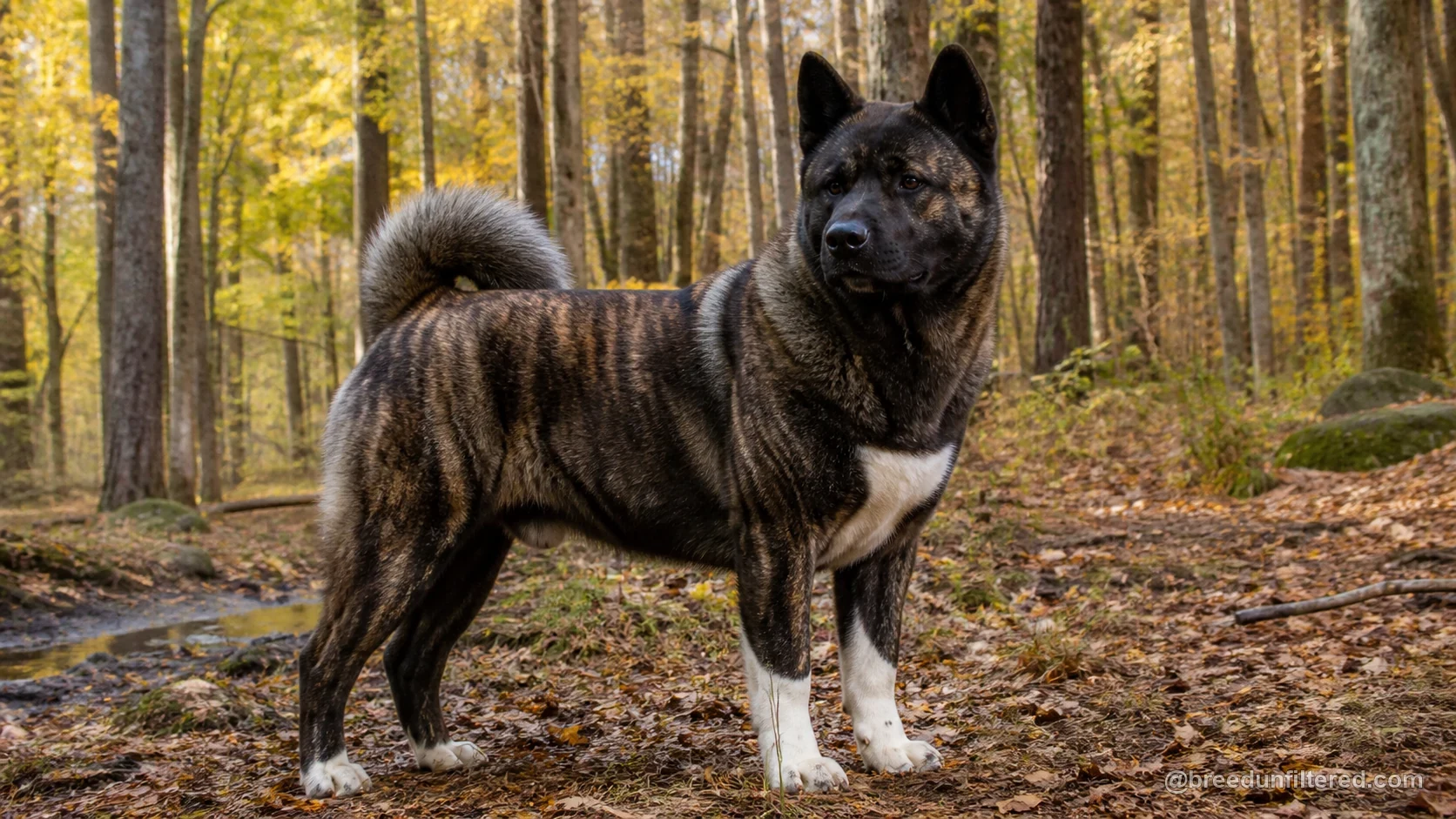
The American Akita is a powerful and dignified breed, recognized by the FCI as a distinct type from the Japanese Akita. With a bear-like head and a sturdy, imposing build, this breed carries an air of quiet confidence. Originally developed in the United States from Japanese Akita lines, the American Akita has become known for its loyalty and protective nature, making it a breed that commands respect and requires an experienced owner.
Prospective owners should understand that the American Akita is not a dog for everyone. Its strong-willed personality, high prey drive, and potential for dog aggression demand a committed and knowledgeable handler. This article provides an evidence-conscious overview of the breed's history, temperament, care requirements, and the responsibilities involved, helping you make an informed decision about whether this majestic breed fits your lifestyle.
Origin and Purpose
The American Akita's roots trace back to the Japanese Akita Inu, a breed used for hunting large game and as a guardian. After World War II, American servicemen brought some of these dogs back to the United States, where they were selectively bred to create a larger, more robust type. Over time, this line diverged from the Japanese standard, leading to the recognition of the American Akita as a separate breed by the FCI in 1999.
The breed was developed for versatility, serving as a hunting companion, watchdog, and loyal family protector. Today, the American Akita is primarily a companion and guardian, but its historical purpose still influences its temperament and instincts. Understanding this background helps owners appreciate the breed's independence, courage, and strong territorial instincts.
Temperament and Variation
American Akitas are known for their dignified, aloof, and sometimes stubborn temperament. They are typically quiet dogs, but they are alert and will bark when necessary. Their loyalty to their family is profound, and they often form a deep bond with one or two individuals. However, they can be wary of strangers and may exhibit protective behaviors, making early and consistent socialization essential.
There is variation within the breed, as individual dogs may differ in sociability and energy levels. Some American Akitas are more outgoing, while others are more reserved. It is important to note that temperament is influenced by genetics, upbringing, and environment, so no universal claims can be made. Prospective owners should meet the parents and observe the puppy's behavior to gauge potential traits.
Exercise and Mental Work
The American Akita is a moderately energetic breed that requires regular physical activity to maintain its physical and mental well-being. Daily walks, play sessions, and opportunities to run in a securely fenced area are generally recommended. However, the exact amount of exercise can vary based on the individual dog's age, health, and energy level. Over-exercising a young puppy can be detrimental, so it's best to consult a veterinarian for guidance.
Mental stimulation is equally important for this intelligent breed. Puzzle toys, obedience training, and scent games can help keep their minds engaged. Without adequate mental work, American Akitas may become bored and develop destructive behaviors. Owners should be prepared to provide both physical and mental challenges to keep their dog content and well-adjusted.
Training and Socialisation
Training an American Akita requires patience, consistency, and a firm but fair approach. This breed is intelligent but independent, and it may test boundaries. Positive reinforcement methods, such as treats and praise, tend to work best, while harsh corrections can lead to resistance. Early obedience training is crucial to establish leadership and prevent unwanted behaviors.
Socialisation is vital from a young age. Exposing the puppy to a variety of people, animals, and environments helps reduce the risk of fearfulness and aggression. However, even with thorough socialisation, American Akitas may retain a natural wariness of other dogs, particularly those of the same sex. Owners should manage interactions carefully and never force a dog into an uncomfortable situation.
Family and Other Pets
American Akitas can be devoted family members, especially when raised with children. They are often gentle and patient with kids they know, but their large size and protective instincts mean supervision is necessary. It is important to teach children how to interact respectfully with the dog and to recognize signs of stress. As with any breed, no dog should be left unsupervised with a young child.
Regarding other pets, the American Akita's high prey drive and dominant nature can make cohabitation with other animals challenging. They may not get along with other dogs, especially those of the same sex, and they may view small animals as prey. Early socialisation can help, but there is no guarantee. Prospective owners with existing pets should carefully consider whether an American Akita is a suitable addition to their household.
Grooming and Health
The American Akita has a thick double coat that sheds heavily, particularly during seasonal changes. Regular brushing, at least a few times a week, is necessary to manage loose fur and keep the coat healthy. During shedding season, daily brushing may be required. They are generally clean dogs and do not need frequent baths, but routine nail trimming, ear cleaning, and dental care are important.
As with many purebred dogs, American Akitas may be predisposed to certain health conditions, including hip dysplasia, progressive retinal atrophy, and autoimmune disorders. Responsible breeders screen their breeding stock for these issues. Prospective owners should ask for health clearances and be prepared for potential veterinary costs. Regular check-ups and a balanced diet contribute to overall well-being, but no breed is free from health concerns.
Costs and Responsibility
Owning an American Akita is a significant financial commitment. Initial costs include the purchase price from a reputable breeder, which can be substantial, as well as supplies like a crate, bedding, and food. Ongoing expenses include high-quality dog food, routine veterinary care, vaccinations, and preventive medications. Emergency medical care can be costly, so pet insurance is worth considering.
Beyond finances, the responsibility of owning an American Akita is immense. This breed requires a confident owner who can provide firm leadership, consistent training, and ample socialization. They are not suitable for first-time dog owners or those who cannot dedicate time to their care. Prospective owners must also consider local regulations, as some jurisdictions have breed-specific legislation. It is essential to research and understand the commitment before bringing an American Akita into your home.
Clear answers
FREQUENTLY ASKED QUESTIONS
Are American Akitas good with children?
American Akitas can be good with children if they are raised together and properly socialized. They are often loyal and protective of their family, but their large size and strong personality require supervision. Teach children to respect the dog's space and never leave them unsupervised. Each dog is an individual, so temperament varies.
Do American Akitas get along with other dogs?
American Akitas may have difficulty getting along with other dogs, especially those of the same sex. They have a dominant nature and a high prey drive, which can lead to aggression. Early socialization can help, but it is not a guarantee. Owners should manage interactions carefully and consider whether a multi-dog household is suitable.
How much exercise does an American Akita need?
American Akitas are moderately energetic and generally need daily exercise, such as walks and playtime. The exact amount varies by age, health, and individual energy. Mental stimulation is also important to prevent boredom. Consult your veterinarian for a tailored exercise plan, especially for puppies.
Are American Akitas easy to train?
American Akitas are intelligent but independent, making training a challenge for novice owners. They respond best to positive reinforcement and consistent, patient methods. Early obedience training and socialization are crucial. Harsh methods can backfire, so a firm but gentle approach is recommended.
What health issues are common in American Akitas?
American Akitas may be prone to hip dysplasia, progressive retinal atrophy, and autoimmune disorders. Responsible breeders screen for these conditions. Regular veterinary check-ups and a healthy lifestyle can help, but no breed is immune to health issues. Ask breeders for health clearances.
Sources and further reading
Scores describe typical breed tendencies from 1 to 10. They are not a quality ranking or a prediction for an individual dog.
Size and presence5/10
CompactVery large
Physical strength6/10
LightExceptional
Energy level8/10
LowRelentless
Exercise demand8/10
ModestVery demanding
Mental work needed8/10
ModerateDaily job
Trainability4/10
ChallengingExceptional
Everyday manageability1/10
SpecialistStraightforward
First-time owner fit4/10
Poor fitGood fit
Family-life fit6/10
LimitedExcellent
Dog sociability3/10
SelectiveVery social
Prey drive10/10
LowVery high
Guarding tendency7/10
MinimalSerious
Independence10/10
Handler-focusedSelf-directed
Grooming demand10/10
LightHeavy
Apartment fit4/10
Poor fitGood fit