Complete breed guide
Swedish Lapphund OWNERSHIP GUIDE
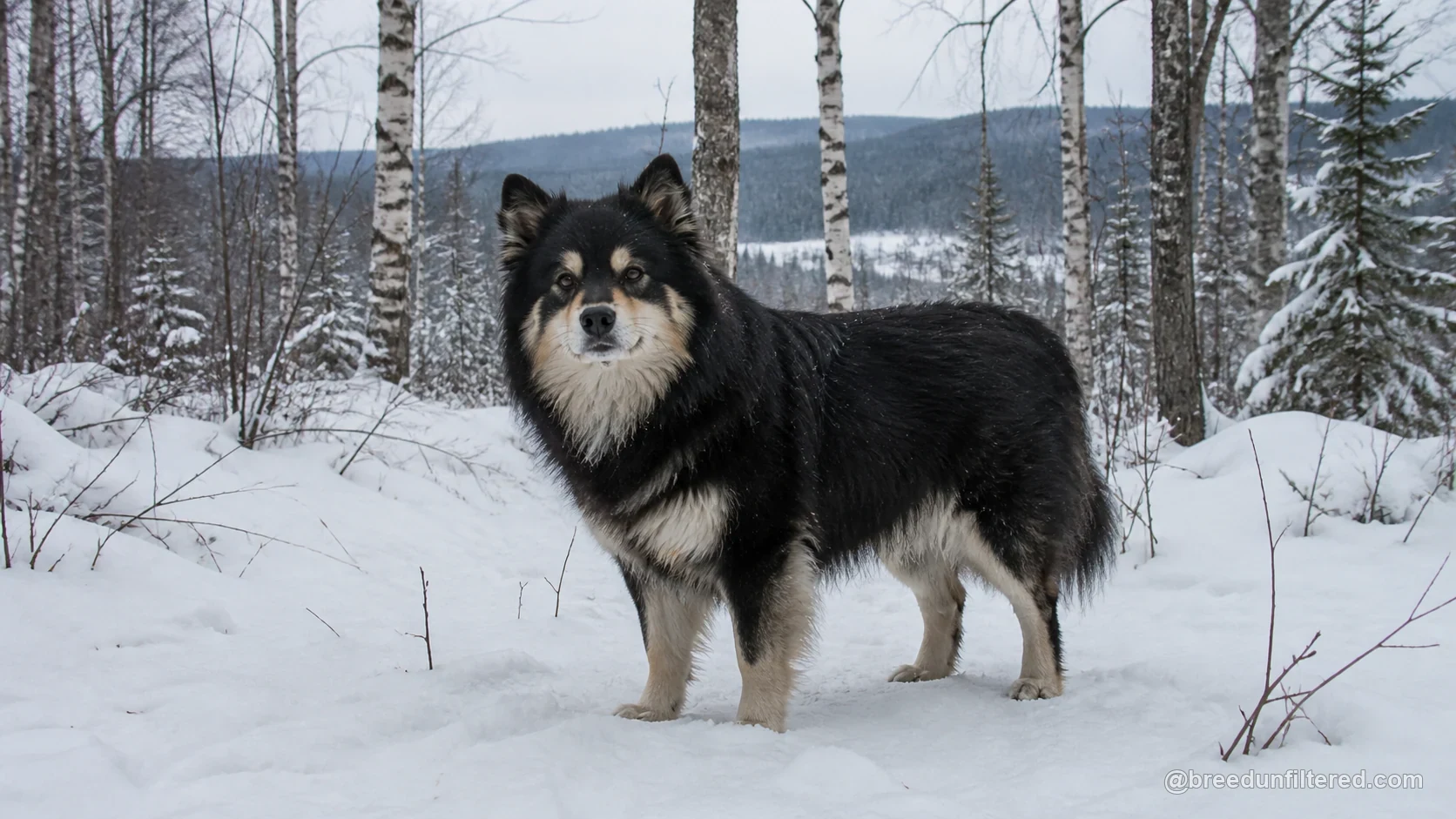
The Swedish Lapphund, a Spitz-type herding dog from the northern reaches of Scandinavia, is a breed steeped in history and purpose. Originally developed by the Sami people to manage reindeer herds, this medium-sized dog is known for its dense double coat, expressive face, and a tail that curls over its back. While they have transitioned from working dogs to beloved companions, their heritage still shapes their character and needs.
Prospective owners should understand that the Swedish Lapphund is not a low-maintenance pet. They are intelligent, energetic, and deeply bonded to their families, requiring a commitment to exercise, mental stimulation, and grooming. This article provides an honest overview of the breed's characteristics, care requirements, and potential challenges, helping you decide if this remarkable dog is the right fit for your lifestyle.
Origin and Purpose
The Swedish Lapphund is one of Sweden's national treasures, with roots tracing back centuries to the Sami people of Lapland. These dogs were indispensable partners in herding reindeer, a task that demanded intelligence, agility, and endurance. Their thick, weather-resistant coat protected them from harsh Arctic conditions, while their keen senses and ability to work independently made them invaluable in the vast, unforgiving landscape.
As reindeer herding modernized, the Swedish Lapphund's role shifted, but the breed was preserved by dedicated enthusiasts. Today, they are primarily companion animals, yet they retain the instincts and drive of their working ancestors. This heritage influences their behavior, making them alert, responsive, and happiest when they have a job to do, whether that's participating in dog sports or simply being an active family member.
Temperament and Variation
Swedish Lapphunds are known for their friendly, gentle, and intelligent nature. They are typically eager to please and form strong bonds with their families, often displaying a playful and affectionate side. However, like any breed, individual temperament can vary. Some may be more reserved with strangers, while others are outgoing. Early socialization is key to ensuring they grow into well-rounded adults.
While they are not typically aggressive, they can be alert and vocal, making them decent watchdogs. Their herding instinct may manifest in behaviors like nipping at heels or attempting to round up children and other pets. Understanding these tendencies helps owners manage them positively. Overall, they are adaptable dogs that thrive on human companionship and are known for their loyalty and devotion.
Exercise and Mental Work
Swedish Lapphunds are an energetic breed that requires regular physical activity to stay healthy and content. Daily walks, play sessions, and opportunities to run in a secure area are essential. However, their exercise needs are moderate compared to some high-energy herding breeds. They enjoy activities like hiking, jogging, and participating in dog sports such as agility or obedience, which also provide mental stimulation.
Mental work is just as important as physical exercise for this intelligent breed. Without adequate mental challenges, they may become bored and develop undesirable behaviors like excessive barking or digging. Puzzle toys, training sessions, and interactive games can help keep their minds sharp. Owners should be prepared to dedicate time each day to engage their Lapphund both physically and mentally.
Training and Socialisation
Swedish Lapphunds are highly trainable due to their intelligence and eagerness to please. They respond well to positive reinforcement methods, such as treats, praise, and play. Harsh training techniques are counterproductive and can damage the trust between dog and owner. Consistency and patience are key, as they can be sensitive to tone and atmosphere.
Early and ongoing socialization is crucial. Exposing them to a variety of people, animals, environments, and situations helps prevent shyness or over-reactivity. Puppy classes and regular outings can build their confidence. While they generally get along with other dogs and pets, their herding instinct may lead them to chase, so supervision and training are necessary to ensure harmonious interactions.
Family and Pets
Swedish Lapphunds make excellent family dogs, especially in households where they receive ample attention and involvement. They are typically gentle and patient with children, though their herding instinct might prompt them to nip at heels, so teaching children how to interact respectfully is important. They thrive on being part of family activities and can suffer from separation anxiety if left alone for long periods.
With proper socialization, they can coexist peacefully with other dogs and even cats. However, their prey drive may be triggered by small animals, so introductions should be gradual and supervised. They are not typically aggressive but may be reserved with strangers, making them good watchdogs. Families that include their Lapphund in daily life and provide consistent training will find a loyal and loving companion.
Grooming and Health
The Swedish Lapphund has a thick double coat that requires regular grooming. Weekly brushing is necessary to remove loose hair and prevent matting, with more frequent brushing during seasonal sheds. They are moderate shedders year-round, and heavier shedding occurs twice a year. Bathing should be done as needed, and routine care like nail trimming, ear cleaning, and dental hygiene should not be overlooked.
As a breed, Swedish Lapphunds are generally healthy, but like all dogs, they can be prone to certain conditions. Responsible breeders screen for hereditary issues such as hip dysplasia, progressive retinal atrophy, and cataracts. Regular veterinary check-ups, a balanced diet, and appropriate exercise contribute to their overall well-being. Prospective owners should be prepared for potential health care costs and choose a reputable breeder who prioritizes health testing.
Costs and Responsibility
Owning a Swedish Lapphund involves financial and time commitments. Initial costs include the purchase price from a responsible breeder, which can vary, and essential supplies like a crate, bedding, food, and grooming tools. Ongoing expenses include high-quality dog food, routine veterinary care, vaccinations, and preventative medications. Pet insurance can help manage unexpected medical costs.
Beyond finances, responsible ownership means dedicating time to training, exercise, and companionship. Swedish Lapphunds are not suited to being left alone for extended periods; they need an owner who can provide consistent engagement. They are adaptable to various living situations, including apartments, if their exercise needs are met, but they do best with access to a secure yard. Prospective owners should honestly assess their lifestyle and ability to meet the breed's needs before committing.
Clear answers
FREQUENTLY ASKED QUESTIONS
Are Swedish Lapphunds good with children?
Swedish Lapphunds are generally good with children, especially when raised with them. They are gentle and playful, but their herding instinct may lead them to nip at heels. Teaching children how to interact respectfully and supervising interactions can ensure a positive relationship. Early socialization is key.
How much exercise does a Swedish Lapphund need?
Swedish Lapphunds need moderate daily exercise, including walks and playtime. They enjoy activities like hiking and dog sports. Mental stimulation is equally important to prevent boredom. A typical adult may need at least an hour of activity per day, but individual needs vary.
Are Swedish Lapphunds easy to train?
Yes, they are intelligent and eager to please, making them highly trainable. Positive reinforcement methods work best. They can be sensitive, so gentle guidance is recommended. Consistent training and early socialization help them become well-behaved companions.
Do Swedish Lapphunds shed a lot?
They have a thick double coat and shed moderately year-round, with heavier shedding during seasonal changes. Regular brushing, at least weekly, helps manage loose hair. During shedding seasons, daily brushing may be necessary to keep their coat healthy and reduce hair around the home.
Can Swedish Lapphunds live in apartments?
Yes, they can adapt to apartment living if their exercise and mental needs are met. They are not overly active indoors but need daily outdoor activities. Access to a secure yard is beneficial but not essential. They should not be left alone for long periods, as they thrive on companionship.
Sources and further reading
Scores describe typical breed tendencies from 1 to 10. They are not a quality ranking or a prediction for an individual dog.
Size and presence5/10
CompactVery large
Physical strength5/10
LightExceptional
Energy level9/10
LowRelentless
Exercise demand9/10
ModestVery demanding
Mental work needed8/10
ModerateDaily job
Trainability6/10
ChallengingExceptional
Everyday manageability3/10
SpecialistStraightforward
First-time owner fit3/10
Poor fitGood fit
Family-life fit6/10
LimitedExcellent
Dog sociability6/10
SelectiveVery social
Prey drive8/10
LowVery high
Guarding tendency6/10
MinimalSerious
Independence9/10
Handler-focusedSelf-directed
Grooming demand10/10
LightHeavy
Apartment fit4/10
Poor fitGood fit