Complete breed guide
Alaskan Malamute OWNERSHIP GUIDE
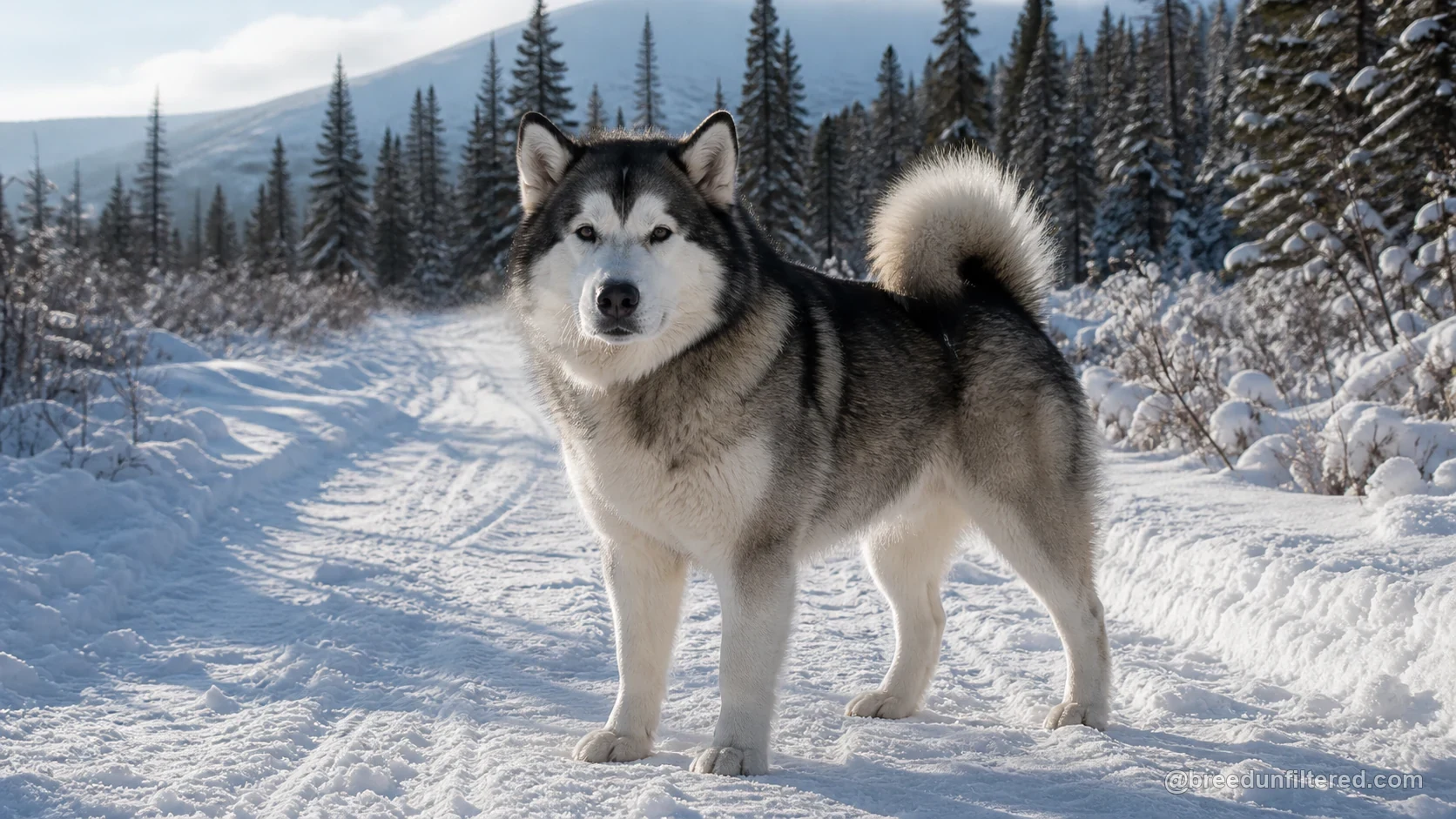
The Alaskan Malamute is a powerful and majestic Arctic sled dog, named after the Mahlemut, an Inuit tribe in northwestern Alaska. Bred for hauling heavy freight over long distances, this breed is known for its strength, endurance, and deep bond with its human family. Their wolf-like appearance and dignified bearing often draw admiration, but owning a Malamute is a significant commitment that goes far beyond their striking looks.
Prospective owners should understand that Malamutes are intelligent, independent, and highly energetic dogs with a strong pack instinct. They thrive in active households that can provide ample exercise, mental stimulation, and consistent, patient training. This article offers a comprehensive overview of the breed's origins, temperament, care requirements, and the responsibilities that come with welcoming an Alaskan Malamute into your life.
Origin and Purpose
The Alaskan Malamute is one of the oldest Arctic sled dog breeds, with a history that traces back over 4,000 years to the Mahlemut people of the Kotzebue Sound region in Alaska. These dogs were essential to the survival of their human companions, hauling heavy loads of food, supplies, and equipment across vast, frozen landscapes. Their strength, endurance, and ability to withstand extreme cold made them invaluable partners in one of the harshest environments on Earth.
Unlike many modern sled dogs bred for speed, the Malamute was developed for brute strength and freight hauling. This purpose shaped their physical build—a broad chest, powerful shoulders, and a thick, weather-resistant coat—as well as their temperament. They are pack-oriented animals with a strong work ethic, but they also possess a stubborn streak that reflects their history as independent thinkers. Understanding this heritage is key to appreciating the breed's needs and characteristics.
Temperament and Variation
Alaskan Malamutes are known for their affectionate and loyal nature toward their families, often forming deep bonds with their human pack. They are playful and good-natured, but they also have a dignified, independent side that can be mistaken for aloofness. While individual temperaments vary, Malamutes generally exhibit a confident and outgoing demeanor, and they tend to be friendly with people they know. However, their strong prey drive and territorial instincts can influence their behavior around unfamiliar animals.
There is variation within the breed, influenced by genetics, socialization, and training. Some Malamutes may be more sociable with other dogs, while others may be more dominant or reserved. It is essential for prospective owners to meet the parents of a puppy or to spend time with an adult dog to gauge temperament. Early and ongoing socialization is crucial to help a Malamute develop into a well-adjusted companion, but even with the best efforts, their inherent traits will always be present.
Exercise and Mental Work
Alaskan Malamutes are high-energy dogs that require substantial daily exercise to maintain their physical and mental well-being. They were bred to run and pull for hours, so a simple walk around the block is insufficient. Activities such as jogging, hiking, backpacking, and pulling a sled or cart can help meet their exercise needs. Without adequate physical activity, Malamutes may become bored and develop destructive behaviors like digging, chewing, or howling.
Mental stimulation is equally important for this intelligent breed. Malamutes thrive on problem-solving tasks, obedience training, and interactive games that challenge their minds. Puzzle toys, scent work, and agility training can provide valuable mental outlets. Because they are independent thinkers, they may not always be eager to please, so engaging them in activities that appeal to their natural instincts—like pulling or tracking—can be particularly rewarding. A tired Malamute is a happy Malamute, but both body and mind need to be exercised.
Training and Socialisation
Training an Alaskan Malamute requires patience, consistency, and a positive, reward-based approach. They are intelligent but can be stubborn, and they respond poorly to harsh methods. Early obedience training is essential to establish leadership and boundaries, but it is important to remember that Malamutes are not naturally eager to please like some other breeds. They may question commands and prefer to do things their own way, so training sessions should be varied and engaging to hold their interest.
Socialisation is equally critical. Exposing a Malamute puppy to a wide range of people, animals, environments, and situations from an early age helps them become confident and well-mannered adults. However, even well-socialised Malamutes may retain a strong prey drive and may not be trustworthy off-leash in areas with small animals. They also have a tendency to be dominant with other dogs of the same sex, so careful management and supervision are necessary. Professional training classes can be beneficial, especially for first-time owners.
Family and Other Pets
Alaskan Malamutes can make wonderful family companions for those who understand their needs. They are generally affectionate and gentle with children, especially when raised with them, and they often form strong bonds with all family members. However, their large size and boisterous play can accidentally knock over small children, so supervision is essential. They are also protective of their family and may be wary of strangers, though they are not typically guard dogs.
When it comes to other pets, Malamutes have a high prey drive and may view small animals—such as cats, rabbits, or rodents—as prey. Their history as hunters and sled dogs means they may not coexist peacefully with smaller pets unless raised with them from puppyhood. Even then, instincts can be strong. With other dogs, Malamutes can be sociable, but same-sex aggression can occur, particularly between males. Careful introductions and ongoing management are necessary to ensure a harmonious multi-pet household.
Grooming and Health
The Alaskan Malamute has a thick double coat that requires regular grooming to keep it healthy and manageable. They shed heavily, especially during seasonal 'blowouts' in spring and fall, when they lose their undercoat. Daily brushing during these periods is recommended to control loose hair and prevent matting. Outside of shedding season, weekly brushing is usually sufficient. They are generally clean dogs with minimal odor, and they do not require frequent bathing, which can strip their coat of natural oils.
Like all breeds, Alaskan Malamutes are prone to certain health conditions, though they are generally a hardy breed. Hip dysplasia, a genetic condition affecting the hip joint, is a concern, as are eye disorders such as cataracts and progressive retinal atrophy. Hypothyroidism and certain bleeding disorders can also occur. Responsible breeders screen their breeding dogs for these conditions. Regular veterinary check-ups, a balanced diet, and appropriate exercise can help maintain a Malamute's health, but prospective owners should be prepared for potential medical costs.
Costs and Responsibility
Owning an Alaskan Malamute is a significant financial and time commitment. The initial cost of a puppy from a reputable breeder can range from $1,000 to $2,500 or more, depending on lineage and location. Ongoing expenses include high-quality food, routine veterinary care, grooming supplies, and training classes. Malamutes are large dogs with hearty appetites, and their grooming needs can add to the cost. Additionally, they may require secure fencing and sturdy equipment for activities like pulling.
Beyond finances, Malamutes demand a substantial investment of time and energy. They are not a breed that can be left alone for long periods; they thrive on companionship and activity. Prospective owners must be prepared for a long-term commitment of 10 to 14 years, during which they will need to provide consistent training, exercise, and mental stimulation. Adopting from a rescue or shelter is also an option, and many Malamutes end up in rescue due to owners underestimating their needs. Responsible ownership means understanding and accepting the breed's unique challenges.
Clear answers
FREQUENTLY ASKED QUESTIONS
Are Alaskan Malamutes good with children?
Alaskan Malamutes can be good with children, especially when raised with them and properly socialized. They are generally affectionate and playful, but their large size and energetic nature can accidentally knock over small children. Supervision is essential, and teaching children how to interact respectfully with dogs is important. As with any breed, individual temperament varies, so it's crucial to assess the dog's personality and provide consistent training.
Do Alaskan Malamutes get along with other dogs?
Alaskan Malamutes can get along with other dogs, but they may be prone to same-sex aggression, particularly between males. Early socialization and careful introductions can help, but it's important to supervise interactions and manage situations to prevent conflicts. They also have a high prey drive, so they may not be trustworthy with small animals like cats or rabbits. Each dog is an individual, and their behavior depends on genetics, training, and environment.
How much exercise does an Alaskan Malamute need?
Alaskan Malamutes are high-energy dogs that require substantial daily exercise to stay healthy and happy. This typically includes at least one to two hours of vigorous activity, such as running, hiking, or pulling a sled or cart. Without enough physical and mental stimulation, they may become bored and develop destructive behaviors. Exercise needs can vary by age and health, so it's important to tailor activities to your dog's abilities.
Are Alaskan Malamutes easy to train?
Alaskan Malamutes are intelligent but independent and can be stubborn, making training a challenge for novice owners. They respond best to positive reinforcement techniques, such as treats and praise, and they require patience and consistency. Early socialization and obedience training are essential. They may not be as eager to please as some other breeds, so training sessions should be engaging and varied to maintain their interest.
Do Alaskan Malamutes shed a lot?
Yes, Alaskan Malamutes shed heavily, especially during seasonal 'blowouts' in spring and fall when they lose their undercoat. During these times, daily brushing is necessary to manage loose hair and prevent matting. Outside of shedding season, weekly brushing is usually sufficient. They are not considered hypoallergenic, and their shedding can be a consideration for people with allergies or those who prefer a low-maintenance coat.
Sources and further reading
Scores describe typical breed tendencies from 1 to 10. They are not a quality ranking or a prediction for an individual dog.
Size and presence5/10
CompactVery large
Physical strength6/10
LightExceptional
Energy level9/10
LowRelentless
Exercise demand10/10
ModestVery demanding
Mental work needed8/10
ModerateDaily job
Trainability5/10
ChallengingExceptional
Everyday manageability1/10
SpecialistStraightforward
First-time owner fit3/10
Poor fitGood fit
Family-life fit7/10
LimitedExcellent
Dog sociability3/10
SelectiveVery social
Prey drive10/10
LowVery high
Guarding tendency7/10
MinimalSerious
Independence10/10
Handler-focusedSelf-directed
Grooming demand10/10
LightHeavy
Apartment fit4/10
Poor fitGood fit