Complete breed guide
Canaan Dog OWNERSHIP GUIDE
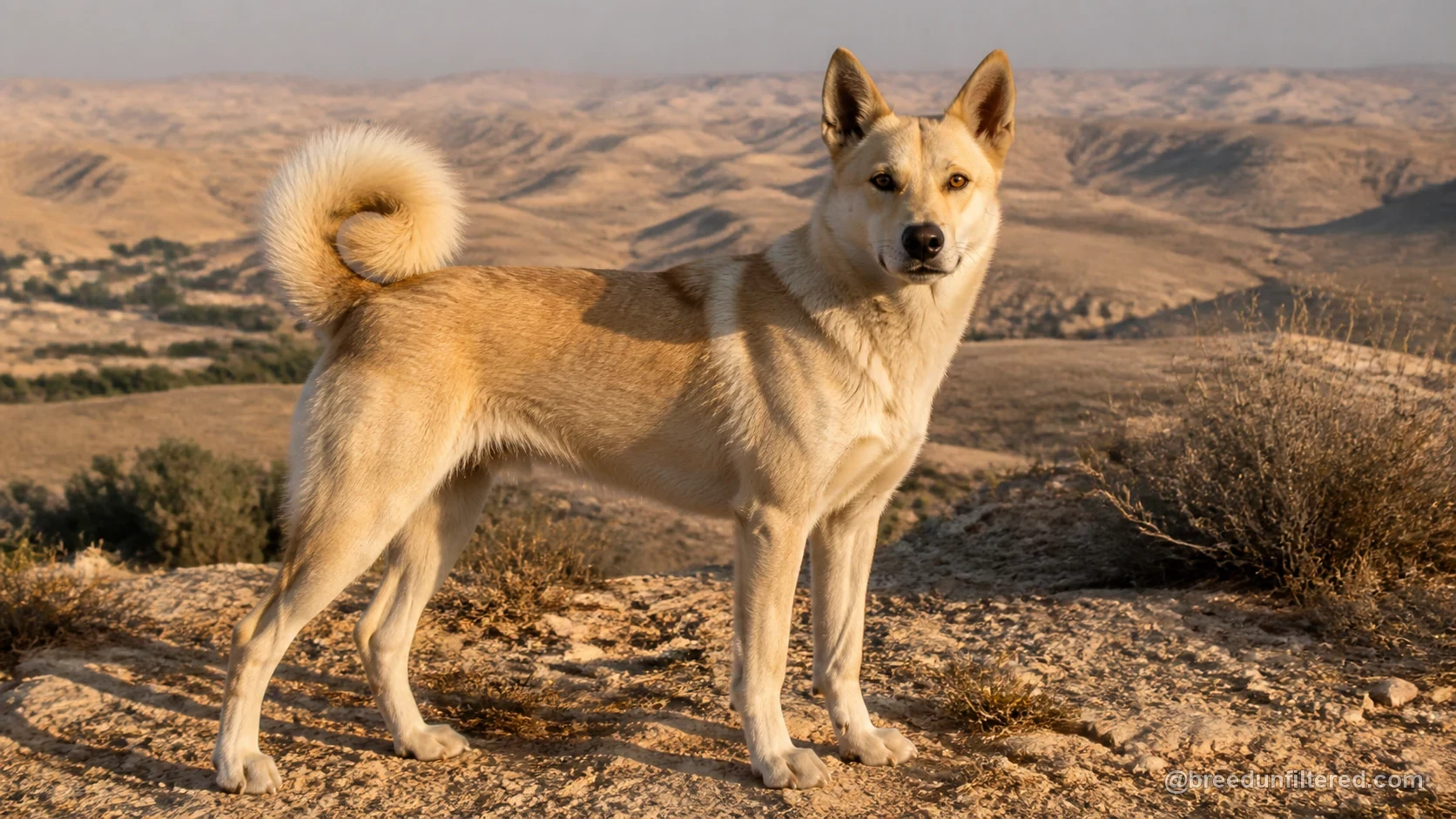
The Canaan Dog is a rare and ancient breed that originated in the Middle East, with a history that may trace back thousands of years. Known for its intelligence, alertness, and strong survival instincts, this breed served as a sentinel and herding dog for nomadic peoples. Today, the Canaan Dog is a versatile companion, excelling in various canine sports and activities, but it is not a breed for everyone. Its independent nature and keen senses require an experienced owner who can provide consistent training and ample mental stimulation.
Prospective owners should be prepared for a dog that is loyal and devoted to its family yet reserved and wary of strangers. The Canaan Dog is a natural guardian, always vigilant and ready to alert its family to anything unusual. While it can be a wonderful companion for the right household, it thrives best in an environment that respects its heritage and provides structure, socialization, and a job to do. This guide aims to give you a comprehensive overview of the breed, helping you decide if the Canaan Dog is the right fit for your lifestyle.
Origin and Purpose
The Canaan Dog is one of the oldest known dog breeds, with roots in the ancient Middle East. It is believed to be the descendant of the pariah dogs that roamed the region, and it was used by the Israelites for herding and guarding their flocks. The breed was developed in the 1930s by Dr. Rudolphina Menzel, who recognized the value of these feral dogs and began a selective breeding program to create a working dog for the Israeli military. The Canaan Dog was later recognized by the FCI in 1966, and it remains a rare breed outside its homeland.
Today, the Canaan Dog serves multiple roles, including as a companion, a watchdog, and a participant in dog sports such as agility, obedience, and herding trials. Its original purpose as a herding and guarding dog is still evident in its behavior, as it is naturally alert, territorial, and protective. Understanding this background is crucial for prospective owners, as it explains the breed's strong instincts and its need for a clear job or purpose in a domestic setting.
Temperament and Variation
The Canaan Dog is known for its intelligence, loyalty, and strong survival instincts. It is typically alert, watchful, and somewhat aloof with strangers, making it an excellent watchdog. However, this wariness can translate into shyness or fearfulness if not properly socialized from an early age. Within the breed, there is variation in temperament, with some individuals being more outgoing and others more reserved. Early and ongoing socialization is essential to help the Canaan Dog develop into a well-adjusted adult.
This breed is highly independent and can be stubborn, which can be challenging for first-time dog owners. It is not a dog that will blindly follow commands; rather, it thinks for itself and may question its owner's decisions. Despite this independence, the Canaan Dog is deeply devoted to its family and forms strong bonds. It thrives on positive reinforcement and consistent, patient training. Owners should be prepared for a dog that is both a loving companion and a self-reliant thinker.
Exercise and Mental Work
The Canaan Dog is an active and agile breed that requires regular exercise to maintain its physical and mental well-being. Daily walks, runs, or play sessions in a securely fenced area are important, as this breed has a strong prey drive and may chase small animals. In addition to physical exercise, the Canaan Dog needs substantial mental stimulation. Puzzle toys, scent work, and training sessions that challenge its mind can help prevent boredom and destructive behaviors.
Because of its herding and guarding heritage, the Canaan Dog excels in activities that engage its natural instincts, such as herding trials, agility, and obedience. These activities provide both physical and mental outlets, helping to satisfy the breed's need for a job. Without adequate exercise and mental work, the Canaan Dog may become restless and develop behavioral issues. Prospective owners should be committed to providing a variety of activities to keep this intelligent breed engaged.
Training and Socialisation
Training a Canaan Dog requires patience, consistency, and a positive approach. This breed responds well to reward-based methods, such as treats and praise, but it can become bored with repetitive drills. Short, varied training sessions are more effective than long, monotonous ones. The Canaan Dog's independent nature means that it may not always be eager to please, so owners must establish themselves as calm and confident leaders. Harsh training methods are counterproductive and can damage the trust between dog and owner.
Socialisation is equally important, especially during the critical puppy period. Exposing the Canaan Dog to a wide range of people, animals, and environments helps to mitigate its natural wariness of strangers. Puppy classes and regular outings can help build a confident and well-mannered adult dog. However, even with thorough socialisation, the Canaan Dog may remain reserved with unfamiliar people, which is a breed trait. Owners should respect this and avoid forcing interactions, instead allowing the dog to approach new situations at its own pace.
Family and Pets
The Canaan Dog can be a loyal and affectionate family member, especially when raised with children. It is generally good with kids, particularly if it has been socialised with them from a young age. However, due to its herding instincts, it may attempt to nip at heels to 'herd' children, which should be discouraged through training. Supervision is recommended when the dog is around very young children, as with any breed.
When it comes to other pets, the Canaan Dog's compatibility varies. It may get along with other dogs if properly socialised, but it can be territorial and may not tolerate same-sex dogs. Small animals, such as cats or rabbits, may trigger its prey drive, so introductions should be done carefully and gradually. Early socialisation can increase the chances of peaceful coexistence, but there is no guarantee. Prospective owners with existing pets should be prepared for a potentially challenging integration process.
Grooming and Health
The Canaan Dog has a double coat that is weather-resistant and requires moderate grooming. Weekly brushing is usually sufficient to remove loose hair and keep the coat healthy, with more frequent brushing during seasonal shedding periods. This breed is a moderate shedder, and occasional baths are needed, but over-bathing should be avoided to preserve the coat's natural oils. Routine care, such as nail trimming, ear cleaning, and dental hygiene, should be part of the regular grooming regimen.
As a breed, the Canaan Dog is generally healthy, but like all dogs, it can be prone to certain health conditions. Hip dysplasia, patellar luxation, and some eye disorders have been reported in the breed. Responsible breeders screen their breeding stock for these issues. Prospective owners should ask about health clearances and be prepared for the potential costs of veterinary care. Regular check-ups and a balanced diet contribute to the dog's overall well-being, but no breed is immune to health problems.
Costs and Responsibility
Owning a Canaan Dog involves significant financial and time commitments. The initial cost of purchasing a puppy from a reputable breeder can be high, and ongoing expenses include food, veterinary care, grooming supplies, and training classes. Additionally, this breed requires a secure, fenced yard to safely exercise, which may not be feasible for all living situations. Prospective owners should budget for unexpected medical expenses and consider pet insurance to help manage costs.
Beyond finances, owning a Canaan Dog is a long-term responsibility that requires dedication to training, socialisation, and providing mental and physical stimulation. This breed is not suited to a sedentary lifestyle or to owners who are away from home for long periods. It thrives in an environment where it can be an active participant in family life. Prospective owners should honestly assess their ability to meet the breed's needs before bringing a Canaan Dog into their home, as this is a commitment that can last 12 to 15 years.
Clear answers
FREQUENTLY ASKED QUESTIONS
Is the Canaan Dog good with children?
The Canaan Dog can be good with children, especially if raised with them and properly socialised. However, due to its herding instincts, it may try to nip at heels to herd running children. Supervision and training are important to teach the dog appropriate behavior around kids. Early and positive experiences with children can help foster a strong bond, but individual temperaments vary.
How much exercise does a Canaan Dog need?
The Canaan Dog is an active breed that requires daily physical exercise, such as brisk walks or play sessions in a securely fenced area. In addition, it needs mental stimulation through training, puzzle toys, or dog sports. Without adequate exercise and mental work, it may become bored and develop destructive behaviors. The exact amount varies by age and individual energy levels.
Is the Canaan Dog easy to train?
Training a Canaan Dog can be challenging due to its independent and sometimes stubborn nature. It responds best to positive reinforcement methods, such as treats and praise, and requires patience and consistency. Early socialisation and training are crucial to prevent shyness or aggression. Experienced owners who can provide firm, fair guidance will likely have the most success.
Does the Canaan Dog shed a lot?
The Canaan Dog has a double coat that sheds moderately throughout the year, with heavier shedding during seasonal changes. Weekly brushing helps manage loose hair and keep the coat healthy. During shedding seasons, more frequent brushing may be necessary. Overall, grooming demands are moderate compared to some other breeds.
Are Canaan Dogs good apartment dogs?
Canaan Dogs are generally not ideal for apartment living due to their high energy levels and need for space to roam. They require a securely fenced yard to exercise and explore. Apartment dwellers would need to commit to providing ample outdoor exercise and mental stimulation daily. Without sufficient activity, they may become restless and vocal.
Sources and further reading
Scores describe typical breed tendencies from 1 to 10. They are not a quality ranking or a prediction for an individual dog.
Size and presence5/10
CompactVery large
Physical strength5/10
LightExceptional
Energy level8/10
LowRelentless
Exercise demand8/10
ModestVery demanding
Mental work needed8/10
ModerateDaily job
Trainability6/10
ChallengingExceptional
Everyday manageability3/10
SpecialistStraightforward
First-time owner fit3/10
Poor fitGood fit
Family-life fit6/10
LimitedExcellent
Dog sociability6/10
SelectiveVery social
Prey drive10/10
LowVery high
Guarding tendency7/10
MinimalSerious
Independence9/10
Handler-focusedSelf-directed
Grooming demand8/10
LightHeavy
Apartment fit2/10
Poor fitGood fit