Complete breed guide
Shiba OWNERSHIP GUIDE
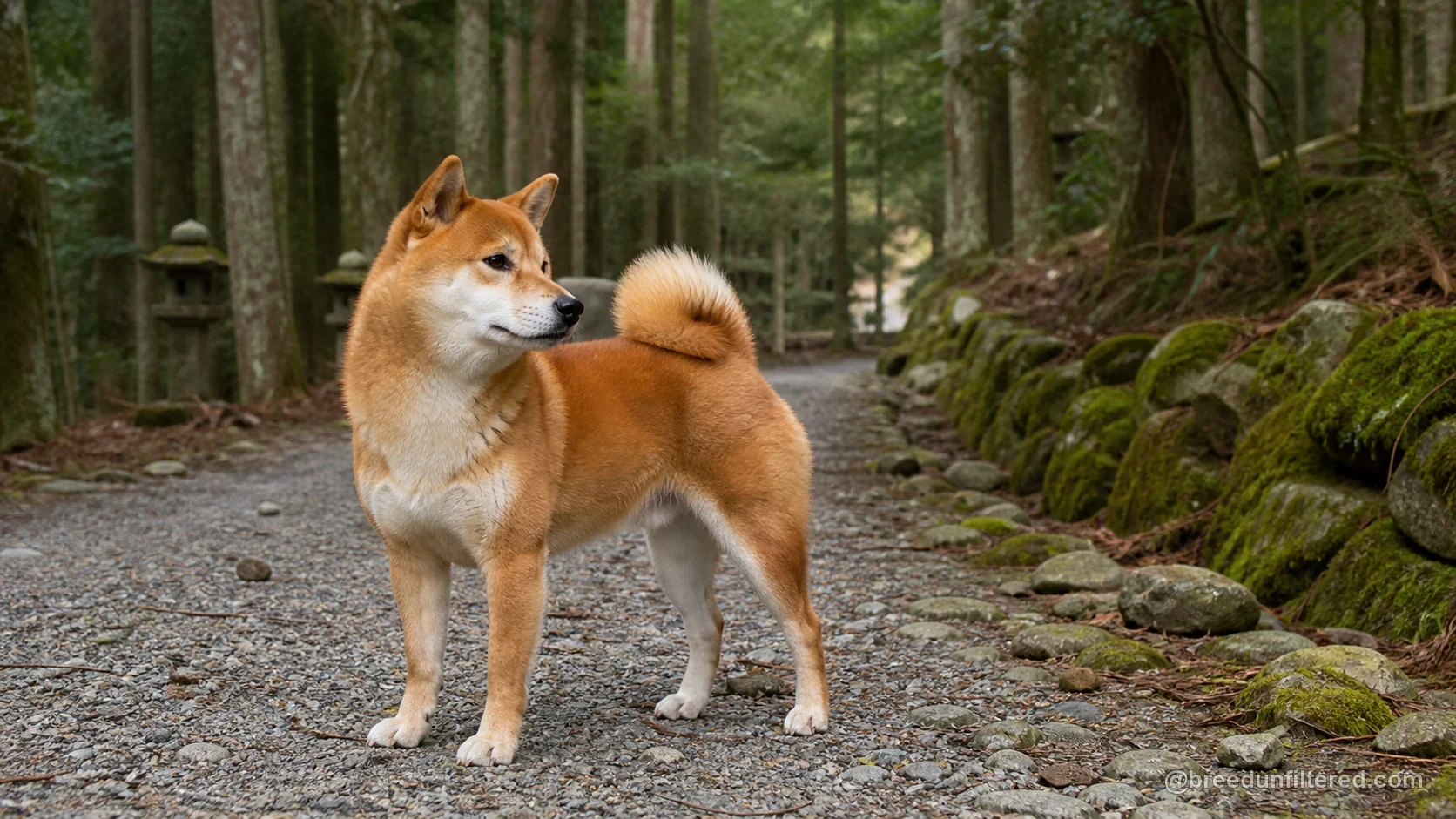
The Shiba Inu, a small but spirited breed from Japan, has captured hearts worldwide with its fox-like appearance and bold personality. Recognized by the FCI in Group 5 (Spitz and primitive types), the Shiba is one of Japan's oldest and most beloved native breeds. Its compact size and striking good looks often draw attention, but prospective owners should understand that this breed carries a strong-willed, independent nature that requires experienced handling and a good dose of patience.
This article offers a balanced overview of the Shiba Inu, covering its origins, temperament, exercise and training needs, suitability for families, grooming and health considerations, and the financial and time commitments involved. Whether you are considering adding a Shiba to your home or simply want to learn more, this guide aims to provide practical, evidence-conscious information to help you make an informed decision.
Origin and Purpose
The Shiba Inu is a native Japanese breed with a history spanning thousands of years. Originally bred to hunt small game in the mountainous regions of Japan, the Shiba's keen senses, agility, and alertness made it a valuable companion for hunters. The breed's name 'Shiba' is thought to mean 'brushwood' in Japanese, possibly referring to the terrain where it hunted or its reddish coat color.
During the early 20th century, the Shiba faced near-extinction due to crossbreeding and wartime conditions. Dedicated breeders worked to preserve the breed, and it was declared a natural monument of Japan in 1936. Today, the Shiba is primarily a companion dog, but its hunting heritage still influences its behavior, including a strong prey drive and a tendency to be independent and alert.
Temperament and Variation
Shiba Inus are known for their spirited, bold, and confident personalities. They are often described as cat-like in their cleanliness and independence. While they can be affectionate with their families, they are not typically clingy and may prefer to keep their own space. The breed is also known for the 'Shiba scream,' a high-pitched vocalization used to express displeasure or excitement, which can be startling to new owners.
Individual temperament varies, but common traits include alertness, curiosity, and a strong will. Shibas are generally not aggressive but can be reserved with strangers. They tend to be loyal to their family but may be aloof. Early and consistent socialization is crucial to help them become well-adjusted adults. It's important to remember that each dog is an individual, and temperament is influenced by genetics, upbringing, and environment.
Exercise and Mental Work
Shiba Inus are an active and agile breed that requires regular exercise to stay physically and mentally healthy. Daily walks, play sessions, and opportunities to run in a securely fenced area are beneficial. However, their exercise needs are moderate compared to some high-energy breeds. A bored Shiba may become destructive or develop nuisance behaviors, so mental stimulation is equally important.
Engaging a Shiba's mind can be achieved through puzzle toys, obedience training, and activities like nose work or agility. Because of their hunting background, they enjoy activities that allow them to use their senses. It's essential to keep them on a leash or in a secure enclosure, as their prey drive can lead them to chase small animals. Providing a variety of physical and mental challenges helps keep a Shiba content and well-balanced.
Training and Socialisation
Training a Shiba Inu can be a rewarding yet challenging experience. They are intelligent and quick to learn, but they are also independent and may choose to ignore commands if they see no benefit. Positive reinforcement methods, such as treats and praise, work best. Harsh or forceful training can lead to resistance and a breakdown in trust. Consistency and patience are key.
Socialisation should begin early and continue throughout the dog's life. Exposing a Shiba puppy to various people, animals, environments, and sounds helps reduce fearfulness and aggression. However, even well-socialised Shibas may retain a certain aloofness with strangers and can be selective with other dogs. It's important to manage interactions and provide a calm, structured environment to help them thrive.
Family and Other Pets
Shiba Inus can make loyal and entertaining companions for the right family. They are generally good with older children who respect their space and understand how to interact with dogs. However, their independent nature and low tolerance for rough handling may not suit very young children. Supervision and teaching children how to approach and play with the dog are essential.
When it comes to other pets, Shibas often have a strong prey drive and may not be trustworthy with small animals like rodents or birds. They can coexist with cats if raised together, but introductions should be careful and gradual. With other dogs, Shibas can be same-sex aggressive, especially with dogs of the same gender. Early socialisation and careful management are crucial to prevent conflicts.
Grooming and Health
The Shiba Inu has a thick double coat that sheds heavily, especially during seasonal changes. Regular brushing, at least a few times a week, helps manage loose hair and keep the coat healthy. During shedding seasons, daily brushing may be necessary. They are generally clean dogs and groom themselves like cats, so baths are infrequent unless they get dirty.
As a breed, Shibas are generally healthy, but like all breeds, they can be prone to certain conditions. These may include hip dysplasia, patellar luxation, and eye disorders. Responsible breeders screen their breeding dogs for these issues. It's important to maintain regular veterinary check-ups, a balanced diet, and appropriate exercise to support overall health. Prospective owners should be prepared for potential health care costs.
Costs and Responsibility
Owning a Shiba Inu involves significant financial and time commitments. Initial costs include the purchase price from a reputable breeder, which can be substantial, as well as supplies like a crate, bed, and grooming tools. Ongoing expenses include high-quality food, routine veterinary care, vaccinations, and preventive medications. Emergency medical care or treatment for breed-specific conditions can add to the financial burden.
Beyond finances, a Shiba requires daily exercise, mental stimulation, and social interaction. They are not a breed that can be left alone for long periods without potential behavioral issues. Prospective owners should assess their lifestyle and ability to meet these needs. Adopting from a rescue or shelter is also an option, giving a home to a Shiba in need. Responsible ownership includes lifelong care and commitment.
Clear answers
FREQUENTLY ASKED QUESTIONS
Are Shiba Inus good with children?
Shiba Inus can be good with older, respectful children, but they may not tolerate rough handling or teasing. Their independent nature means they often prefer to interact on their own terms. Supervision and teaching children how to approach and play with the dog are essential. Early socialisation and positive experiences with children can help, but each dog is an individual.
Do Shiba Inus shed a lot?
Yes, Shiba Inus have a thick double coat and shed heavily, especially during seasonal changes. They 'blow' their undercoat twice a year, which can result in large amounts of loose hair. Regular brushing, sometimes daily during shedding season, is necessary to manage the hair and keep the coat healthy. They are not a hypoallergenic breed.
Are Shiba Inus easy to train?
Shiba Inus are intelligent but independent, which can make training challenging. They may be stubborn and choose to ignore commands if they don't see a benefit. Positive reinforcement methods, such as treats and praise, work best. Consistency, patience, and early socialisation are key. Harsh training methods are counterproductive and can damage the bond.
How much exercise does a Shiba Inu need?
Shiba Inus have moderate exercise needs. Daily walks and playtime are essential, but they are not as demanding as some high-energy breeds. They also need mental stimulation to prevent boredom. Because of their prey drive, they should be kept on a leash or in a securely fenced area. Activities like puzzle toys and nose work can help meet their needs.
Are Shiba Inus good apartment dogs?
Shiba Inus can adapt to apartment living if their exercise and mental needs are met. They are relatively quiet indoors and are clean dogs. However, they need regular outdoor activities and may bark or become destructive if bored. Their independent nature means they can be left alone for reasonable periods, but they thrive with interaction and routine.
Sources and further reading
Scores describe typical breed tendencies from 1 to 10. They are not a quality ranking or a prediction for an individual dog.
Size and presence5/10
CompactVery large
Physical strength5/10
LightExceptional
Energy level9/10
LowRelentless
Exercise demand9/10
ModestVery demanding
Mental work needed8/10
ModerateDaily job
Trainability4/10
ChallengingExceptional
Everyday manageability1/10
SpecialistStraightforward
First-time owner fit3/10
Poor fitGood fit
Family-life fit6/10
LimitedExcellent
Dog sociability3/10
SelectiveVery social
Prey drive10/10
LowVery high
Guarding tendency6/10
MinimalSerious
Independence10/10
Handler-focusedSelf-directed
Grooming demand10/10
LightHeavy
Apartment fit4/10
Poor fitGood fit