Complete breed guide
South Russian Shepherd Dog OWNERSHIP GUIDE
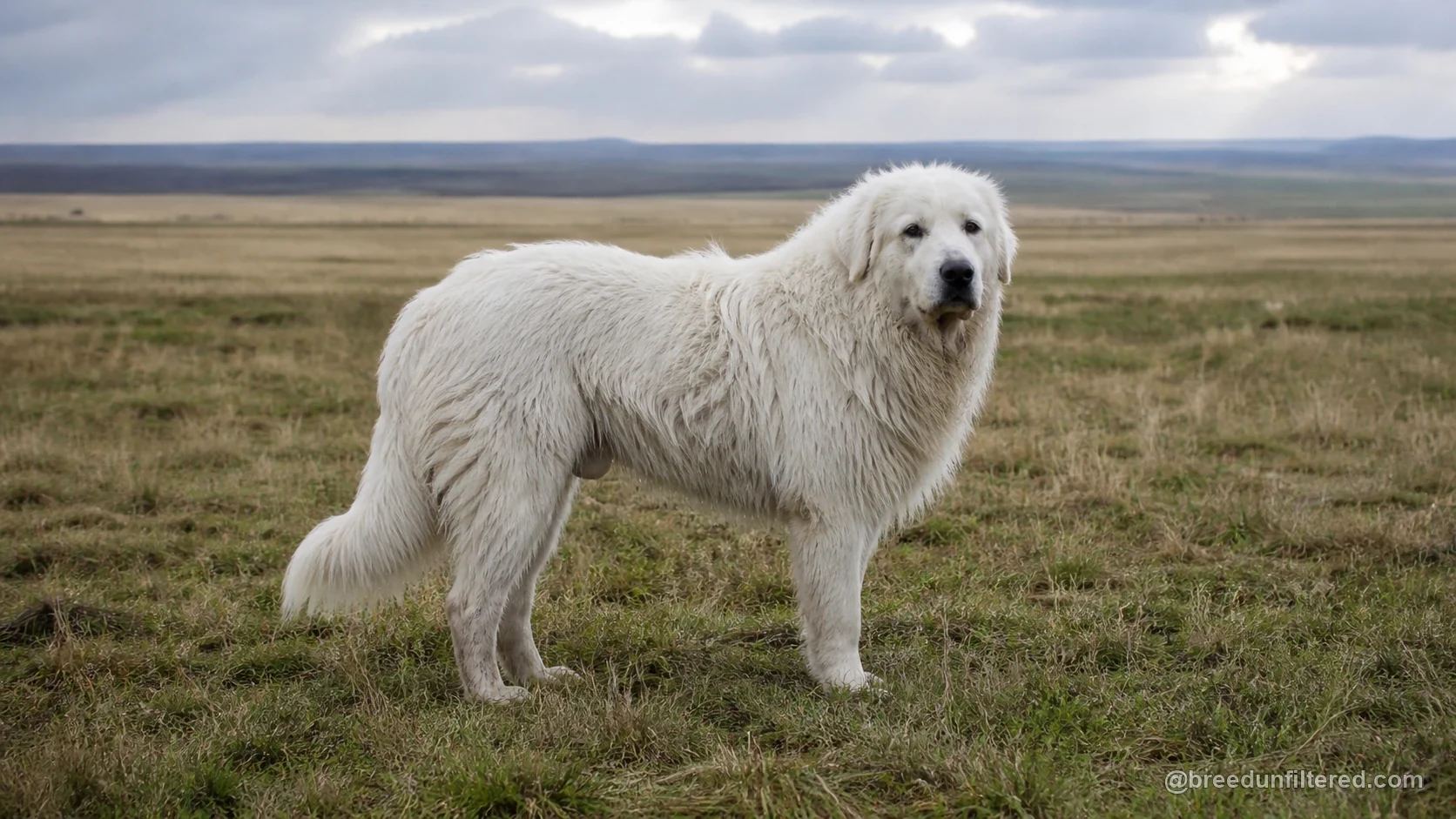
The South Russian Shepherd Dog, also known as the Yuzhnorusskaya Ovcharka, is a large and powerful livestock guardian breed with a distinctive shaggy coat. Originating from the steppes of southern Russia and Ukraine, this breed was developed to protect flocks from predators and thieves. Its history is intertwined with the Crimean sheep industry, where it was valued for its courage, endurance, and unwavering loyalty to its charges.
Today, the South Russian Shepherd Dog remains a working breed at heart, but it also appeals to experienced owners seeking a devoted companion and formidable guardian. However, this is not a dog for everyone. Its independent nature, strong guarding instincts, and high exercise needs require a knowledgeable owner who can provide firm, consistent leadership and ample space. This article offers a balanced overview of the breed's characteristics, care requirements, and the responsibilities involved in owning one.
Origin and Purpose
The South Russian Shepherd Dog's roots trace back to the late 18th and early 19th centuries in the Crimean Peninsula and the southern Russian steppes. It is believed to have been developed by crossing local herding dogs with long-haired breeds such as the Old English Sheepdog and possibly the Great Dane or Borzoi. The goal was to create a robust, weather-resistant dog capable of guarding large flocks of sheep from wolves, foxes, and human predators.
The breed's working heritage is central to its character. For centuries, these dogs lived outdoors with their flocks, making independent decisions to protect them. This history explains their strong territorial instincts, wariness of strangers, and self-reliant nature. While they are no longer as common in their homeland, they are still used as livestock guardians in some regions, and their protective qualities remain a defining trait.
Temperament and Variation
The South Russian Shepherd Dog is known for its calm, confident, and somewhat aloof demeanor. It is deeply devoted to its family and can be gentle and affectionate with those it knows well. However, it is naturally suspicious of strangers and will not hesitate to act if it perceives a threat to its home or loved ones. This breed is not overtly aggressive without reason, but its guarding instincts are strong and should be respected.
Individual temperament can vary based on genetics, socialization, and training. Some lines may be more sociable, while others are more reserved. Early and ongoing socialization is crucial to help the dog distinguish between normal and threatening situations. Potential owners should be prepared for a dog that is not overly demonstrative but is intensely loyal and protective.
Exercise and Mental Work
As a working breed, the South Russian Shepherd Dog has substantial exercise needs. It thrives in environments where it has space to roam and a job to do. Daily vigorous exercise, such as long walks, jogging, or play sessions in a securely fenced area, is essential to keep it physically fit and mentally stimulated. Without adequate activity, it may become restless and develop behavioral issues.
Mental stimulation is equally important. This intelligent breed benefits from puzzle toys, obedience training, and activities that engage its problem-solving skills. Tasks that mimic its historical role, such as guarding a designated area or participating in canine sports like herding trials, can be particularly fulfilling. Owners should plan to provide both physical and mental outlets to keep the dog content.
Training and Socialisation
Training a South Russian Shepherd Dog requires patience, consistency, and a calm but firm approach. This breed is intelligent but independent, and it may question commands if it does not see the value in them. Positive reinforcement methods, such as treats and praise, work best, but owners must establish themselves as confident leaders. Harsh or forceful training can damage the trust between dog and owner.
Socialisation from an early age is non-negotiable. Exposing the puppy to a wide variety of people, animals, sounds, and environments helps it develop into a well-adjusted adult. However, even with excellent socialisation, the breed's natural wariness of strangers will remain. Owners should manage interactions carefully and never force the dog into uncomfortable situations. Professional training classes can be beneficial, especially for first-time owners of this breed.
Family and Other Pets
The South Russian Shepherd Dog can be a devoted family companion, especially when raised with children. It is generally patient and protective of its family members, but its large size and herding instincts mean it may try to 'herd' small children, which could inadvertently knock them over. Supervision is essential when the dog is around young children, and children should be taught how to interact respectfully with the dog.
With other pets, the breed's compatibility varies. It may get along with other dogs if properly socialised, but it can be territorial and may not tolerate same-sex dogs. Its prey drive is strong, so it may view small animals such as cats, rabbits, or rodents as prey. Early introduction and careful management are necessary if the dog is to live with other pets, but there is no guarantee of success.
Grooming and Health
The South Russian Shepherd Dog has a thick, long, and coarse double coat that requires regular grooming. Weekly brushing is necessary to prevent mats and tangles, and during seasonal sheds, daily brushing may be needed. The coat is naturally weather-resistant and should not be shaved, as it protects the dog from extreme temperatures. Regular ear cleaning, nail trimming, and dental care are also part of the grooming routine.
As with many large breeds, the South Russian Shepherd Dog may be prone to certain health conditions, including hip dysplasia, elbow dysplasia, and gastric dilatation-volvulus (bloat). Responsible breeders screen their breeding stock for these issues. Regular veterinary check-ups, a balanced diet, and appropriate exercise can help maintain overall health. The breed's lifespan is typically around 10 to 12 years, but individual health varies.
Costs and Responsibility
Owning a South Russian Shepherd Dog is a significant financial and time commitment. Initial costs include the purchase price from a reputable breeder, which can be substantial, as well as supplies such as a crate, bedding, and grooming tools. Ongoing expenses include high-quality food, routine veterinary care, vaccinations, and parasite prevention. Emergency medical care and pet insurance should also be considered.
Beyond finances, this breed demands a responsible owner who can provide ample space, time, and training. It is not suited to apartment living or a sedentary lifestyle. Potential owners should research the breed thoroughly, talk to experienced owners, and consider whether they can meet its needs for the dog's entire life. Adopting from a rescue is another option, but it requires even more patience and understanding.
Clear answers
FREQUENTLY ASKED QUESTIONS
Is the South Russian Shepherd Dog good with children?
The South Russian Shepherd Dog can be good with children if raised with them and properly socialised. It is generally protective and patient, but its large size and herding instincts may cause it to knock over small children accidentally. Supervision is essential, and children should be taught to respect the dog's space and avoid rough play.
How much exercise does a South Russian Shepherd Dog need?
This breed has high exercise needs due to its working heritage. It requires at least one to two hours of vigorous activity daily, such as long walks, jogging, or play in a securely fenced area. Mental stimulation is equally important to prevent boredom and destructive behavior. Without adequate exercise, it may become restless and develop behavioral issues.
Is the South Russian Shepherd Dog easy to train?
Training can be challenging due to the breed's independent and intelligent nature. It responds best to consistent, positive reinforcement methods and a confident leader. Harsh training can be counterproductive. Early socialisation and obedience training are essential to manage its guarding instincts and ensure it becomes a well-mannered companion.
Does the South Russian Shepherd Dog shed a lot?
Yes, the South Russian Shepherd Dog sheds moderately throughout the year and heavily during seasonal changes. Its thick double coat requires regular brushing, at least weekly, and more frequently during shedding periods to manage loose hair and prevent mats. Grooming is a significant commitment for this breed.
Can a South Russian Shepherd Dog live in an apartment?
No, the South Russian Shepherd Dog is not suited to apartment living. It requires a large, securely fenced yard to roam and exercise. Its size, energy level, and guarding instincts make it unsuitable for confined spaces. A home with ample outdoor space is essential for its physical and mental well-being.
Sources and further reading
Scores describe typical breed tendencies from 1 to 10. They are not a quality ranking or a prediction for an individual dog.
Size and presence8/10
CompactVery large
Physical strength7/10
LightExceptional
Energy level9/10
LowRelentless
Exercise demand10/10
ModestVery demanding
Mental work needed10/10
ModerateDaily job
Trainability8/10
ChallengingExceptional
Everyday manageability3/10
SpecialistStraightforward
First-time owner fit3/10
Poor fitGood fit
Family-life fit7/10
LimitedExcellent
Dog sociability6/10
SelectiveVery social
Prey drive7/10
LowVery high
Guarding tendency9/10
MinimalSerious
Independence6/10
Handler-focusedSelf-directed
Grooming demand8/10
LightHeavy
Apartment fit3/10
Poor fitGood fit