Complete breed guide
Sloughi OWNERSHIP GUIDE
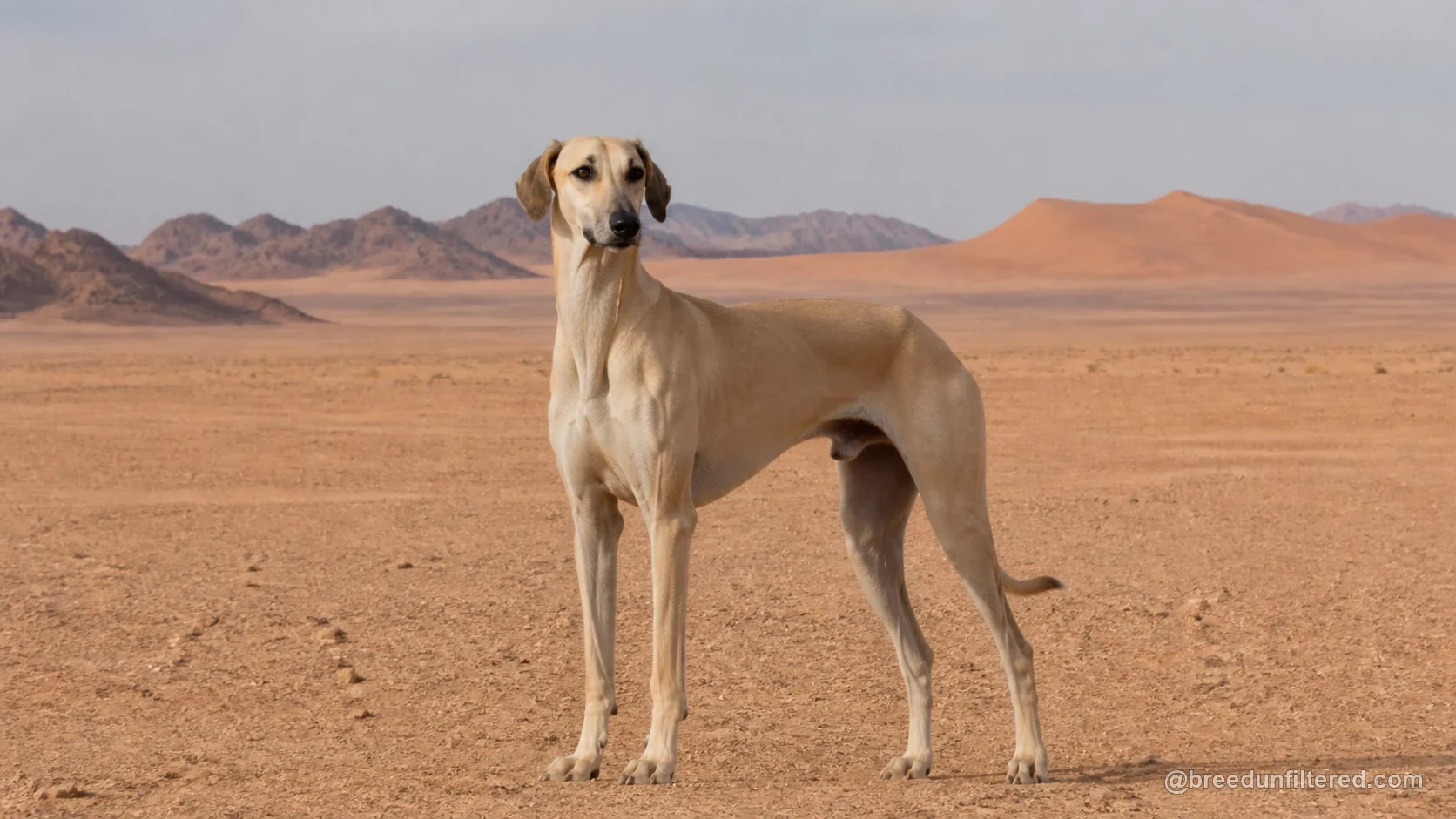
The Sloughi, also known as the Arabian Greyhound, is a sighthound of ancient lineage, originating from North Africa. With its sleek, athletic build and dignified expression, the Sloughi is a breed that embodies both grace and endurance. Bred for hunting in harsh desert conditions, this dog is known for its speed, agility, and keen eyesight. Today, the Sloughi is a rare and treasured companion, valued for its loyalty and calm demeanor at home.
Prospective owners should understand that the Sloughi is not a typical pet. It is a sighthound with strong instincts and a sensitive nature. This breed thrives in an environment that respects its independence while providing consistent, gentle guidance. With the right owner, the Sloughi can be a devoted and affectionate family member, but it requires commitment to its exercise, training, and socialization needs. This article aims to provide a balanced overview of the Sloughi, helping you decide if this elegant breed is the right fit for your lifestyle.
Origin and Purpose
The Sloughi is an ancient sighthound breed that originated in the Maghreb region of North Africa, including countries like Morocco, Algeria, Tunisia, and Libya. Its history is deeply intertwined with the nomadic Berber and Bedouin tribes, who valued the Sloughi for its hunting prowess and loyalty. The breed was used to hunt a variety of game, including hare, fox, and even gazelle, relying on its exceptional speed and endurance to chase down prey across vast, arid landscapes.
The Sloughi was not only a hunting partner but also a guardian and companion. It was often treated as a member of the family, and its presence was considered a sign of prestige. The breed's name is derived from the Arabic word 'sloughi,' which is believed to mean 'sighthound' or 'hunting dog.' The Sloughi was officially recognized by the Fédération Cynologique Internationale (FCI) in 1935, and it remains a relatively rare breed outside its native region, with a dedicated following among enthusiasts who appreciate its unique qualities.
Temperament and Variation
The Sloughi is known for its calm, dignified, and somewhat reserved temperament. It is typically gentle and affectionate with its family, but it can be aloof with strangers. This breed is highly sensitive and responsive to its owner's mood, making it a perceptive companion. However, the Sloughi is also independent and can be stubborn at times, which requires patient and consistent training. While individual temperaments vary, the Sloughi generally forms a strong bond with its family and may be protective of them.
There is some variation within the breed, as Sloughis from different regions may exhibit slight differences in size, coat color, and temperament. However, all Sloughis share a common heritage as sighthounds, which influences their behavior. They have a strong prey drive and may chase small animals, so early socialization and training are essential. Despite their hunting instincts, Sloughis are typically quiet and well-mannered indoors, often enjoying a comfortable spot on the couch after a good run.
Exercise and Mental Work
As a sighthound, the Sloughi requires regular exercise to maintain its physical and mental well-being. It is not a hyperactive breed, but it does need daily opportunities to run and stretch its legs. A securely fenced area is ideal, as the Sloughi's chasing instinct can be triggered by small animals. In addition to physical exercise, the Sloughi benefits from mental stimulation, such as puzzle toys, nose work, or training sessions that challenge its mind. Without adequate exercise and mental engagement, the Sloughi may become bored and develop undesirable behaviors.
It is important to note that the Sloughi is a sprinter, not a marathon runner. It enjoys short bursts of high-speed activity, followed by periods of rest. Owners should provide a balanced routine that includes both vigorous play and relaxation. Activities like lure coursing, which mimic the chase, can be particularly fulfilling for this breed. However, it is crucial to avoid over-exercising a young Sloughi, as its bones and joints are still developing. Always consult with a veterinarian to determine an appropriate exercise plan for your individual dog.
Training and Socialisation
Training a Sloughi requires patience, consistency, and a gentle approach. This breed is sensitive and does not respond well to harsh methods or force. Positive reinforcement techniques, such as treats, praise, and play, are most effective. The Sloughi is intelligent but can be independent, so training sessions should be short and engaging to maintain its interest. Early socialization is crucial to help the Sloughi become a well-adjusted adult. Exposing it to various people, animals, and environments in a positive manner can reduce shyness or fearfulness.
The Sloughi's prey drive can make off-leash training challenging, as it may be tempted to chase small animals. Therefore, it is essential to teach a reliable recall and to use a secure leash or harness in unfenced areas. The Sloughi is generally good with other dogs, especially if raised with them, but it may view small pets as prey. With consistent training and socialization, the Sloughi can learn to coexist peacefully with other household pets, though supervision is always recommended.
Family and Pets
The Sloughi can make a wonderful family companion for the right household. It is typically gentle and affectionate with children, especially when raised with them. However, due to its sensitive nature, it may not tolerate rough handling or loud, chaotic environments. Families with older, respectful children are often a better match. The Sloughi is loyal and protective of its family, but it is not an aggressive breed. It may be reserved with strangers, so early socialization is important to help it feel comfortable in various situations.
When it comes to other pets, the Sloughi's prey drive can be a concern. It may chase or harm small animals such as cats, rabbits, or rodents. However, with careful introduction and training, some Sloughis can live peacefully with cats, especially if they are raised together. It is essential to supervise interactions and provide a safe space for smaller pets. The Sloughi generally gets along well with other dogs, particularly sighthounds, and can thrive in a multi-dog household if properly socialized.
Grooming and Health
The Sloughi has a short, fine coat that requires minimal grooming. Weekly brushing with a soft bristle brush or a hound glove can help remove loose hair and keep the coat shiny. The Sloughi is a moderate shedder, and during seasonal changes, more frequent brushing may be needed. Regular ear cleaning, nail trimming, and dental care are also important parts of the grooming routine. The Sloughi is generally a clean breed and may have a minimal doggy odor.
As with all breeds, the Sloughi is prone to certain health conditions, though it is generally a healthy and hardy breed. Some potential health concerns include hip dysplasia, progressive retinal atrophy (PRA), and autoimmune thyroiditis. It is important to obtain a puppy from a reputable breeder who conducts health screenings on their breeding dogs. Regular veterinary check-ups and a balanced diet are essential to maintain the Sloughi's health. The breed's lifespan is typically around 12 to 15 years, and with proper care, it can live a long and active life.
Costs and Responsibility
Owning a Sloughi is a significant financial and time commitment. The initial cost of purchasing a Sloughi from a reputable breeder can be substantial, often ranging from $1,500 to $3,000 or more. Additionally, owners must budget for ongoing expenses such as high-quality food, routine veterinary care, grooming supplies, and pet insurance. The Sloughi may also require professional training or behavioral consultations, especially for first-time owners. It is essential to be prepared for these costs before bringing a Sloughi into your home.
Beyond financial costs, owning a Sloughi requires a significant investment of time and energy. This breed needs daily exercise, mental stimulation, and social interaction. It is not a dog that can be left alone for long periods, as it may become anxious or destructive. Prospective owners should also consider their living situation; the Sloughi can adapt to apartment living if given sufficient exercise, but a securely fenced yard is ideal. Ultimately, the Sloughi is a loyal and rewarding companion for those who are willing to meet its needs and provide a loving, structured environment.
Clear answers
FREQUENTLY ASKED QUESTIONS
Are Sloughis good with children?
Sloughis can be good with children, especially when raised with them and properly socialized. They are generally gentle and affectionate, but they may be sensitive to rough handling or loud noises. It is important to teach children how to interact respectfully with the dog and to supervise all interactions. With positive experiences, a Sloughi can form a strong bond with children and become a loyal family companion.
How much exercise does a Sloughi need?
Sloughis require regular exercise to stay healthy and happy. They need daily opportunities to run and stretch their legs, ideally in a securely fenced area. A typical adult Sloughi may need at least 30 to 60 minutes of exercise per day, but this can vary based on age and health. Mental stimulation is also important, as it helps prevent boredom and destructive behavior. Always consult with a veterinarian to tailor an exercise plan to your dog's needs.
Are Sloughis easy to train?
Sloughis are intelligent but can be independent and stubborn, which can make training a challenge. They respond best to positive reinforcement methods, such as treats and praise, and do not do well with harsh corrections. Consistency and patience are key. Early socialization and obedience training are essential to help them become well-mannered adults. With the right approach, Sloughis can learn commands and tricks, but they may not be as eager to please as some other breeds.
Do Sloughis get along with other pets?
Sloughis have a strong prey drive, which can make them a risk to small animals like cats, rabbits, or rodents. However, with careful introduction and training, some Sloughis can live peacefully with cats, especially if raised together. They generally get along well with other dogs, particularly sighthounds. It is crucial to supervise interactions and provide a safe space for smaller pets to ensure everyone's safety.
What is the lifespan of a Sloughi?
The average lifespan of a Sloughi is typically between 12 and 15 years. With proper care, a balanced diet, regular exercise, and routine veterinary check-ups, some Sloughis may live even longer. It is important to be aware of potential health issues, such as hip dysplasia and progressive retinal atrophy, and to work with a reputable breeder who screens for these conditions. Regular health monitoring can help ensure a long, healthy life.
Sources and further reading
Scores describe typical breed tendencies from 1 to 10. They are not a quality ranking or a prediction for an individual dog.
Size and presence6/10
CompactVery large
Physical strength6/10
LightExceptional
Energy level8/10
LowRelentless
Exercise demand8/10
ModestVery demanding
Mental work needed6/10
ModerateDaily job
Trainability6/10
ChallengingExceptional
Everyday manageability4/10
SpecialistStraightforward
First-time owner fit4/10
Poor fitGood fit
Family-life fit7/10
LimitedExcellent
Dog sociability8/10
SelectiveVery social
Prey drive10/10
LowVery high
Guarding tendency3/10
MinimalSerious
Independence8/10
Handler-focusedSelf-directed
Grooming demand1/10
LightHeavy
Apartment fit5/10
Poor fitGood fit