Complete breed guide
Westphalian Dachsbracke OWNERSHIP GUIDE
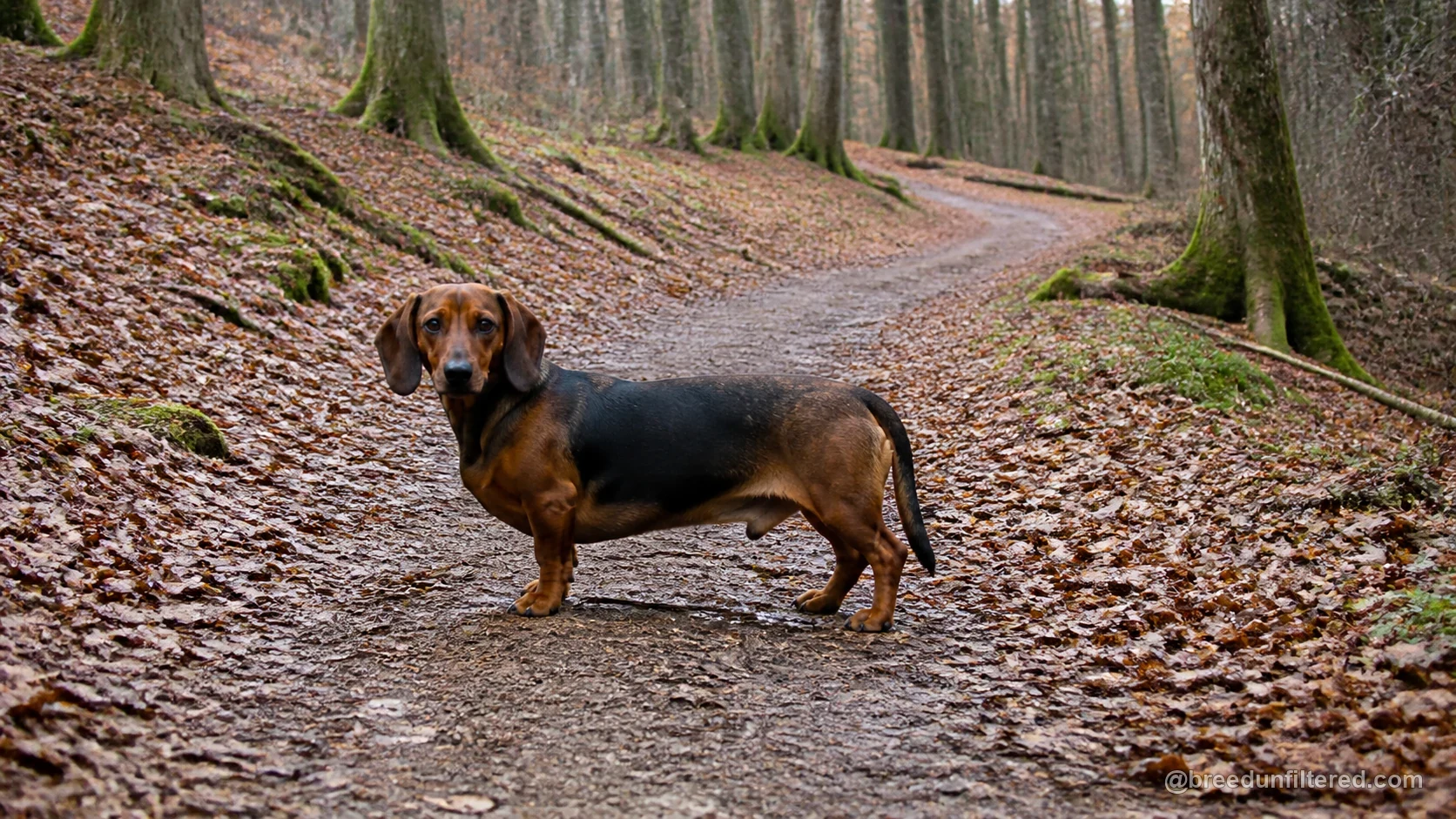
The Westphalian Dachsbracke is a small to medium-sized scent hound that originated in the Westphalia region of Germany. Bred for tracking wounded game over challenging terrain, this breed combines the endurance of a larger hound with the agility of a dachshund. Its short legs and sturdy build allow it to navigate dense undergrowth, while its keen nose and persistent nature make it a valued companion for hunters. Today, the breed remains primarily a working dog, but its adaptable and even-tempered disposition has also earned it a place in some homes as a devoted family pet.
Prospective owners should understand that the Westphalian Dachsbracke is not a typical companion breed. It thrives on purpose and requires ample physical and mental stimulation to be content. While it can form strong bonds with its family, its instincts are deeply rooted in hunting, which influences its behavior around small animals and its tendency to follow scents. This article provides an evidence-conscious overview of the breed's characteristics, care requirements, and potential challenges, helping you decide if this unique hound is the right fit for your lifestyle.
Origin and Purpose
The Westphalian Dachsbracke, recognized by the Fédération Cynologique Internationale (FCI) under standard number 100, is a German breed with a history tied to the region of Westphalia. Its development is believed to involve crosses between the Deutsche Bracke and the Dachshund, resulting in a short-legged hound capable of following scent trails through dense cover. The breed was primarily used for tracking wounded deer and other game, a task that requires persistence, a keen nose, and the ability to work independently.
Today, the breed's primary role remains hunting, and it is still used by hunters in Europe for tracking and trailing. Its compact size and stamina make it well-suited for this work, but these same traits also mean that it has specific needs in a domestic setting. Understanding its original purpose is crucial for prospective owners, as it explains the breed's high prey drive, strong scenting instincts, and need for regular, vigorous exercise.
Temperament and Variation
The Westphalian Dachsbracke is generally described as even-tempered, confident, and determined. It is known for its loyalty to its family and its willingness to work. However, like many hounds, it can be somewhat reserved with strangers, though not typically aggressive. Individual temperament varies, and early socialization plays a key role in shaping a dog's behavior. Some individuals may be more outgoing, while others are more cautious, but the breed standard emphasizes a balanced and reliable nature.
It is important to note that the breed's hunting instincts are strong. This can manifest as a high prey drive, which may lead to chasing small animals, and a tendency to follow scents with intensity. While these traits are essential for its working role, they can be challenging in a home with cats or other small pets. Prospective owners should be prepared to manage these instincts through training and management, and to provide outlets for the dog's natural behaviors.
Exercise and Mental Work
As a working hound, the Westphalian Dachsbracke has considerable energy and stamina. It requires regular, daily exercise to keep it physically fit and mentally satisfied. This should include not only walks but also opportunities to run and explore in a safe, enclosed area. Activities such as tracking, scent work, and nose games are particularly beneficial, as they tap into the breed's natural abilities and provide mental stimulation. Without adequate exercise and mental challenges, the breed may become restless and develop undesirable behaviors.
The exact amount of exercise needed can vary based on the individual dog's age, health, and temperament. However, prospective owners should be prepared for a dog that needs more than a casual stroll. A typical routine might include a long walk or jog, plus additional playtime or training sessions. For those interested in dog sports, the Westphalian Dachsbracke can excel in activities like tracking, obedience, and rally, provided the work is made engaging and positive.
Training and Socialisation
Training a Westphalian Dachsbracke requires patience, consistency, and a positive approach. This breed is intelligent but can be independent and somewhat stubborn, traits common in hounds. Harsh methods are counterproductive; instead, using rewards such as treats, praise, and play will yield better results. Early socialization is crucial to help the dog become a well-adjusted adult. Exposing it to a variety of people, places, and situations in a controlled manner can reduce the likelihood of fearfulness or reactivity.
Because of its strong hunting instincts, recall training is especially important. The dog may be tempted to follow a scent and ignore commands, so a reliable recall should be practiced in safe environments. Leash training is also essential, as the dog may pull when following a scent. Professional training classes or the guidance of an experienced dog trainer can be beneficial, particularly for first-time owners. It is also important to note that the breed may not be the best choice for a novice owner who is unfamiliar with hound behavior.
Family and Other Pets
The Westphalian Dachsbracke can make a loving and loyal family companion for those who understand its needs. It is generally good with children, especially when raised with them, and can be playful and affectionate. However, as with any dog, interactions with young children should be supervised to ensure safety for both the dog and the child. The breed's sturdy build means it can handle some rough play, but it is not a toy and should be treated with respect.
When it comes to other pets, the picture is more complex. Due to its hunting background, the Westphalian Dachsbracke may view small animals such as rabbits, guinea pigs, or cats as prey. While some individuals may live peacefully with cats if raised together, this is not guaranteed. Similarly, the breed may be aggressive toward unfamiliar dogs, especially those of the same sex. Early and ongoing socialization can help, but prospective owners should be cautious and manage introductions carefully.
Grooming and Health
The Westphalian Dachsbracke has a short, dense coat that is relatively low-maintenance. Regular brushing, about once a week, helps to remove loose hair and keep the coat healthy. The breed sheds moderately, and more frequent brushing may be needed during seasonal shedding periods. Other grooming needs include regular nail trimming, ear cleaning, and dental care. As a floppy-eared breed, it is important to check the ears regularly for signs of infection or debris.
In terms of health, the Westphalian Dachsbracke is generally a robust breed, but like all dogs, it can be prone to certain conditions. These may include hip dysplasia, ear infections, and obesity. Responsible breeders screen their breeding stock for hereditary issues, and prospective owners should ask about health clearances. Regular veterinary check-ups, a balanced diet, and appropriate exercise can help maintain the dog's overall well-being. It is also important to note that the breed's long back and short legs may predispose it to spinal issues, so care should be taken to avoid excessive jumping or rough handling.
Costs and Responsibility
Owning a Westphalian Dachsbracke is a significant commitment, both financially and in terms of time. Initial costs include the purchase price from a reputable breeder, which can vary, as well as supplies such as a crate, bedding, food, and grooming tools. Ongoing expenses include high-quality dog food, routine veterinary care, vaccinations, and preventive medications. Unexpected medical costs can arise, so pet insurance or a savings fund is advisable. Additionally, if the dog's exercise and training needs are not met, there may be costs associated with professional training or behavioral consultations.
Beyond finances, prospective owners must be prepared to dedicate time to exercise, training, and companionship. This breed is not suited to a sedentary lifestyle or being left alone for long periods. It thrives in an environment where it can be part of family activities and have a job to do. For those who are willing to meet these needs, the Westphalian Dachsbracke can be a rewarding and devoted companion. However, it is essential to research thoroughly and consider whether this breed's characteristics align with your lifestyle and experience.
Clear answers
FREQUENTLY ASKED QUESTIONS
Is the Westphalian Dachsbracke a good family dog?
The Westphalian Dachsbracke can be a good family dog for active households that understand its needs. It is generally loyal and affectionate with its family, and it can get along well with children when properly socialized. However, its strong hunting instincts may make it unsuitable for homes with small pets, and its exercise requirements are significant. Families should be prepared to provide ample physical and mental stimulation to keep the dog happy and well-behaved.
How much exercise does a Westphalian Dachsbracke need?
The Westphalian Dachsbracke is a working hound with high energy and stamina. It requires daily exercise that includes both physical activity and mental stimulation. A typical routine might involve a long walk or jog, plus opportunities to run in a secure area. Scent work and tracking games are excellent ways to engage its mind. Without sufficient exercise, the breed may become restless and develop behavioral issues.
Is the Westphalian Dachsbracke easy to train?
Training a Westphalian Dachsbracke can be challenging due to its independent and sometimes stubborn nature. It is intelligent but may be easily distracted by scents. Positive reinforcement methods, such as treats and praise, work best. Consistency and patience are essential. Early socialization and obedience training are crucial, and the breed may not be ideal for first-time dog owners who are unfamiliar with hound behavior.
Does the Westphalian Dachsbracke get along with other dogs?
The Westphalian Dachsbracke's tolerance for other dogs can vary. Some individuals are sociable and enjoy the company of other dogs, while others may be aggressive, particularly toward dogs of the same sex. Early and ongoing socialization can help, but it is not a guarantee. Prospective owners should be prepared to manage introductions carefully and may need to keep the dog on a leash in public to prevent conflicts.
What are the grooming requirements for a Westphalian Dachsbracke?
The Westphalian Dachsbracke has a short, dense coat that is relatively easy to care for. Weekly brushing is usually sufficient to remove loose hair and keep the coat in good condition. The breed sheds moderately, and more frequent brushing may be needed during shedding seasons. Regular nail trimming, ear cleaning, and dental care are also important. Its floppy ears should be checked regularly to prevent infections.
Sources and further reading
Scores describe typical breed tendencies from 1 to 10. They are not a quality ranking or a prediction for an individual dog.
Size and presence5/10
CompactVery large
Physical strength6/10
LightExceptional
Energy level9/10
LowRelentless
Exercise demand9/10
ModestVery demanding
Mental work needed8/10
ModerateDaily job
Trainability5/10
ChallengingExceptional
Everyday manageability2/10
SpecialistStraightforward
First-time owner fit3/10
Poor fitGood fit
Family-life fit6/10
LimitedExcellent
Dog sociability8/10
SelectiveVery social
Prey drive10/10
LowVery high
Guarding tendency3/10
MinimalSerious
Independence8/10
Handler-focusedSelf-directed
Grooming demand4/10
LightHeavy
Apartment fit4/10
Poor fitGood fit