Complete breed guide
Skye Terrier OWNERSHIP GUIDE
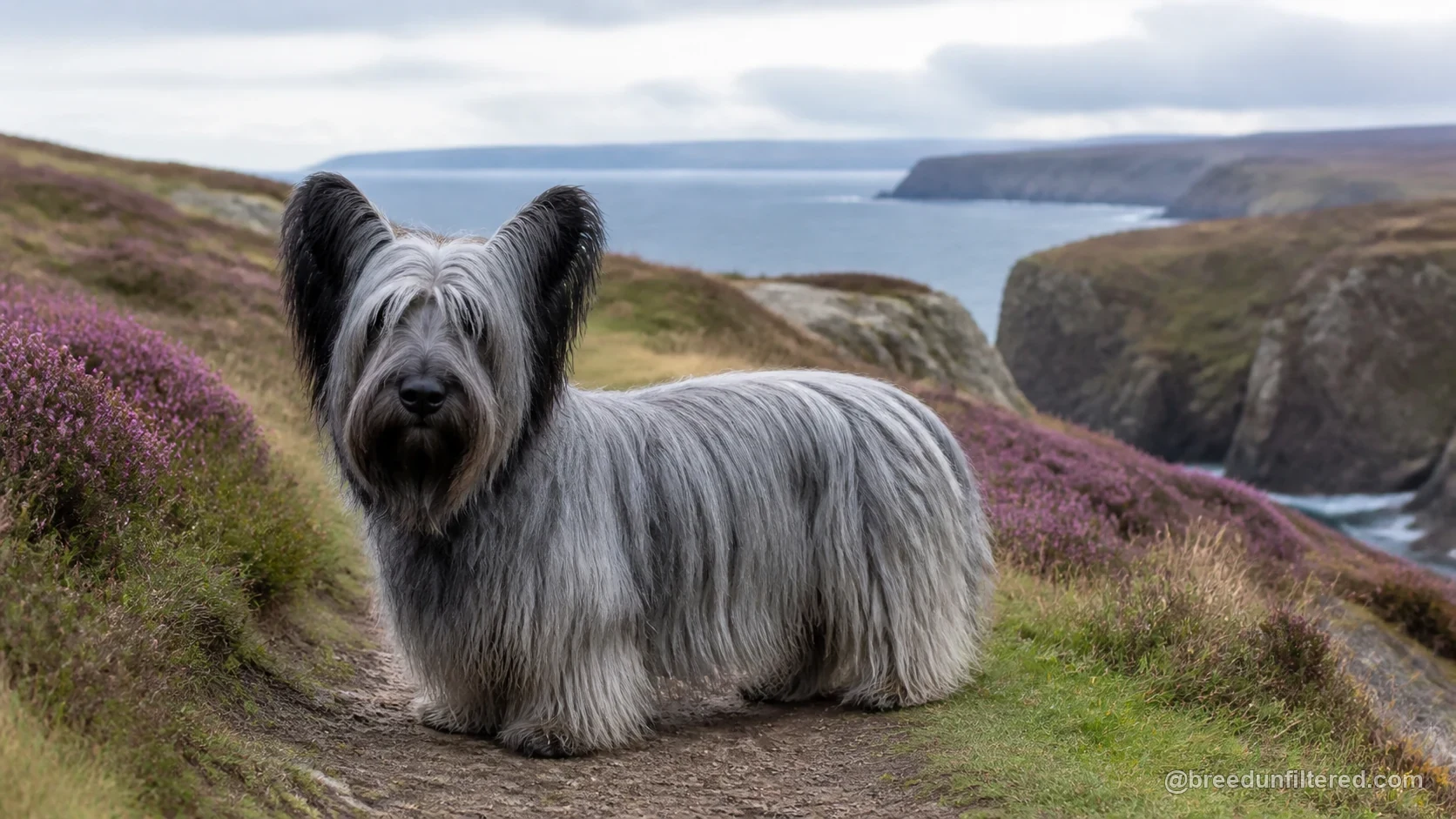
The Skye Terrier is a breed of contrasts: a small, low-slung dog with a surprisingly bold and determined character. Originating from the rugged Isle of Skye in Scotland, this terrier has a long history as a vermin hunter and loyal companion. Its distinctive double coat, with a soft undercoat and a hard, straight outer coat, gives it a dignified appearance that has captured the hearts of enthusiasts for centuries.
Prospective owners should understand that the Skye Terrier is not a typical lapdog. While it forms deep bonds with its family, it retains a strong independent streak and a terrier's tenacity. This guide aims to provide a balanced overview of the breed's characteristics, care requirements, and the realities of living with a Skye Terrier, helping you decide if this rare and charming breed is the right fit for your lifestyle.
Origin and Purpose
The Skye Terrier hails from the Isle of Skye in Scotland, where it was developed to hunt and eliminate vermin such as foxes, badgers, and otters. Its short legs and sturdy body allowed it to pursue quarry into burrows and rocky terrain. The breed's history is ancient, with references to similar dogs dating back centuries, and it was recognized as a distinct breed by the late 19th century.
The Skye Terrier's purpose as a working terrier shaped its temperament and physical traits. Its low-slung build, strong jaws, and weather-resistant coat were essential for its job. Today, while its hunting days are largely behind it, the breed retains the courage and determination of its ancestors, making it a spirited companion for those who appreciate its heritage.
Temperament and Variation
Skye Terriers are known for their loyalty and devotion to their family, often forming a particularly strong bond with one person. They can be reserved with strangers, which makes them good watchdogs, but they are not typically aggressive. Their temperament can vary, with some individuals being more outgoing and others more cautious, so early and consistent socialization is important.
Despite their small size, Skye Terriers have a bold and confident personality. They are not yappy dogs, but they will alert you to unusual sounds. They can be stubborn at times, a trait common among terriers, and they have a mind of their own. This independence means they are not always eager to please, but with patience and positive reinforcement, they can be trained effectively.
Exercise and Mental Work
Skye Terriers have moderate exercise needs. They enjoy daily walks and playtime in a securely fenced area, but they are not high-energy dogs. However, they do have a strong prey drive, so it is essential to keep them on a leash or in a safe enclosure to prevent them from chasing small animals. A couple of 20-30 minute walks per day, along with some play sessions, are generally sufficient to keep them physically satisfied.
Mental stimulation is equally important for this intelligent breed. Puzzle toys, scent games, and training sessions that challenge their minds can help prevent boredom and destructive behaviors. Skye Terriers thrive when they have a job to do, even if it is just learning new tricks or participating in canine activities like obedience or earthdog trials. Without adequate mental engagement, they may become restless and develop undesirable habits.
Training and Socialisation
Training a Skye Terrier requires patience, consistency, and a sense of humor. They respond best to positive reinforcement methods, such as treats and praise, and they do not respond well to harsh corrections. Because they are independent thinkers, training sessions should be kept short and interesting to maintain their attention. Early socialization is crucial to help them become well-adjusted adults, as they can be wary of new people and situations.
Socialization should begin in puppyhood and continue throughout their lives. Exposing them to a variety of people, environments, and other animals in a controlled and positive way can help reduce their natural suspicion. Skye Terriers can get along with other dogs if properly introduced, but they may not tolerate rough handling from young children. It is important to teach children how to interact respectfully with the dog and to supervise all interactions.
Family and Other Pets
Skye Terriers can make wonderful companions for families, but they are best suited to homes with older children who understand how to treat a dog gently. They are loyal and affectionate with their family members, but they may not have the patience for the noise and activity of very young children. Their terrier instinct can also make them prone to chasing small pets, so careful introductions are necessary if you have cats or other small animals.
With proper socialization, some Skye Terriers can live peacefully with cats and other dogs, but it is not guaranteed. They may see small rodents as prey, so it is wise to keep them away from hamsters, guinea pigs, or rabbits. If you have other pets, it is essential to introduce them gradually and under controlled circumstances, and to always supervise their interactions. A Skye Terrier's loyalty to its family is strong, and it will often form a special bond with one person.
Grooming and Health
The Skye Terrier's beautiful double coat requires regular grooming to keep it in good condition. They shed moderately, but their long, straight outer coat can become matted if not brushed several times a week. Many owners choose to keep their Skye in a shorter 'puppy cut' for easier maintenance, but this alters the breed's typical appearance. Regular brushing, occasional baths, and trimming around the feet and ears are necessary to keep the coat healthy.
Like all breeds, Skye Terriers are prone to certain health conditions, though they are generally a hardy breed. Some issues that have been reported include hip dysplasia, patellar luxation, and certain eye conditions. It is important to obtain a puppy from a responsible breeder who screens their breeding dogs for these conditions. Regular veterinary check-ups, a balanced diet, and proper dental care can help maintain your Skye's overall health and well-being.
Costs and Responsibility
Owning a Skye Terrier is a long-term commitment that involves financial and time responsibilities. The initial cost of a puppy from a reputable breeder can be significant, and ongoing expenses include high-quality food, routine veterinary care, grooming supplies, and pet insurance. Grooming can be a considerable cost if you choose to use a professional groomer, as the breed's coat requires regular attention.
Beyond finances, prospective owners must be prepared to provide a lifetime of care, including exercise, mental stimulation, and companionship. Skye Terriers can live 12 to 15 years or more, so you should be ready for a long-term relationship. They are not a breed that thrives on being left alone for long periods, so they are best suited to owners who can spend time with them. Responsible ownership also includes proper training, socialization, and ensuring your dog is a well-mannered member of the community.
Clear answers
FREQUENTLY ASKED QUESTIONS
Are Skye Terriers good with children?
Skye Terriers can be good with children, especially if they are raised with them and properly socialized. However, they are better suited to families with older children who understand how to interact respectfully with a dog. They may not tolerate rough handling or excessive noise, so supervision is recommended when they are around younger kids.
How much exercise does a Skye Terrier need?
Skye Terriers have moderate exercise needs. They enjoy daily walks and playtime in a secure area, but they are not high-energy dogs. A couple of 20-30 minute walks per day, along with some play sessions, are generally sufficient. They also need mental stimulation to prevent boredom, so puzzle toys and training games are beneficial.
Do Skye Terriers shed a lot?
Skye Terriers shed moderately. Their long, double coat requires regular brushing to remove loose hair and prevent matting. While they are not heavy shedders, they do shed year-round, and more during seasonal changes. Regular grooming is essential to keep their coat healthy and to minimize shedding around the home.
Are Skye Terriers easy to train?
Skye Terriers are intelligent but can be stubborn and independent, which can make training a challenge. They respond best to positive reinforcement techniques, such as treats and praise, and they do not respond well to harsh methods. Consistency and patience are key, and early socialization is important to help them become well-adjusted adults.
What health issues are common in Skye Terriers?
Skye Terriers are generally a hardy breed, but they can be prone to certain health conditions, including hip dysplasia, patellar luxation, and eye problems. It is important to obtain a puppy from a responsible breeder who screens their breeding dogs for these issues. Regular veterinary check-ups and a healthy lifestyle can help manage potential health concerns.
Sources and further reading
Scores describe typical breed tendencies from 1 to 10. They are not a quality ranking or a prediction for an individual dog.
Size and presence4/10
CompactVery large
Physical strength5/10
LightExceptional
Energy level9/10
LowRelentless
Exercise demand9/10
ModestVery demanding
Mental work needed8/10
ModerateDaily job
Trainability7/10
ChallengingExceptional
Everyday manageability3/10
SpecialistStraightforward
First-time owner fit4/10
Poor fitGood fit
Family-life fit6/10
LimitedExcellent
Dog sociability4/10
SelectiveVery social
Prey drive10/10
LowVery high
Guarding tendency4/10
MinimalSerious
Independence7/10
Handler-focusedSelf-directed
Grooming demand4/10
LightHeavy
Apartment fit5/10
Poor fitGood fit