Complete breed guide
Cairn Terrier OWNERSHIP GUIDE
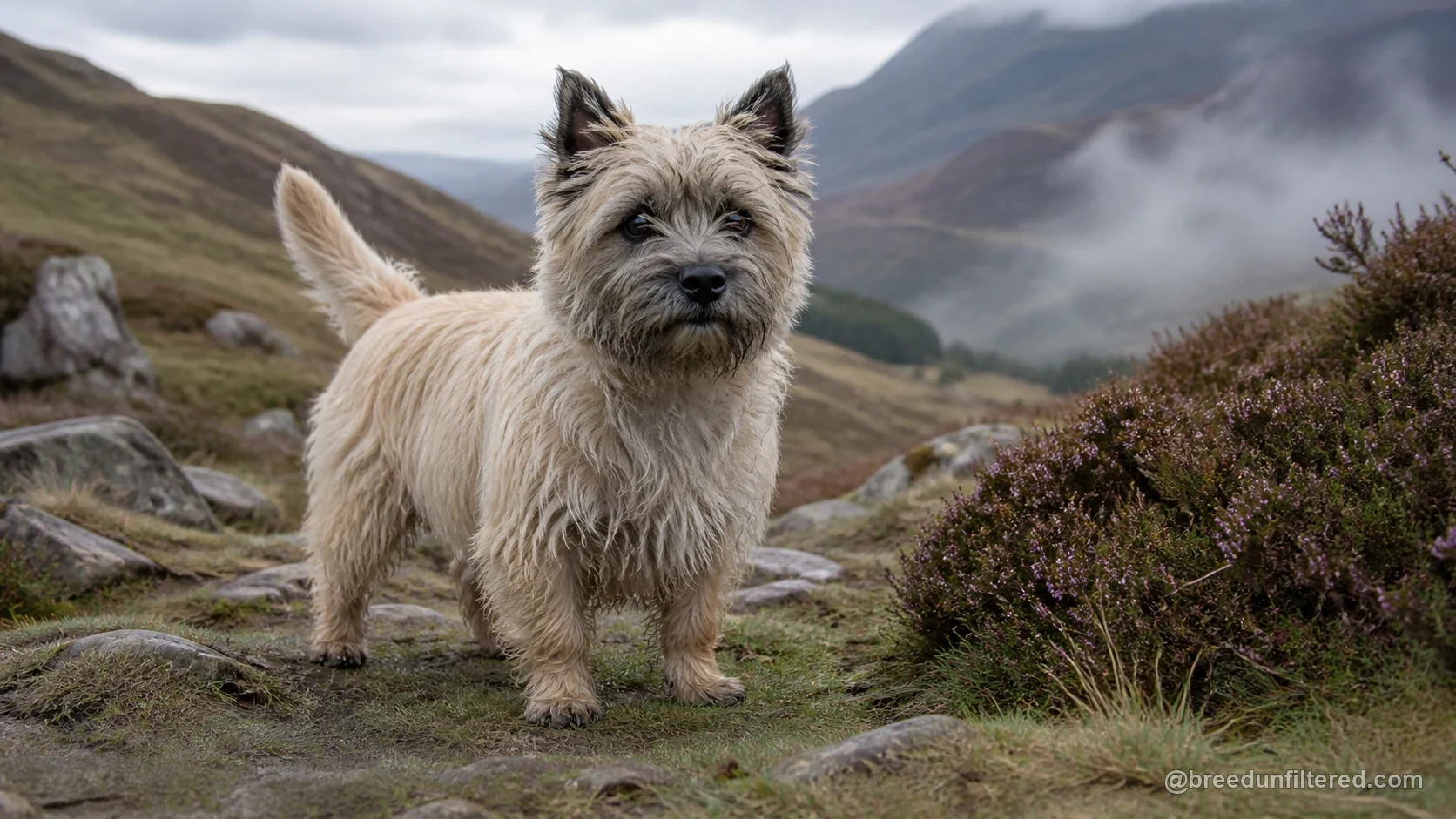
The Cairn Terrier, a small but sturdy dog from the Scottish Highlands, is one of the oldest terrier breeds. Originally bred to hunt vermin among rocky cairns, this breed combines a spirited personality with a compact, weather-resistant coat. Prospective owners should understand that Cairns are intelligent, independent, and full of energy, making them delightful companions for the right household.
This article provides an evidence-conscious overview of the Cairn Terrier, covering its history, temperament, exercise and training needs, family compatibility, grooming, health considerations, and the costs of ownership. By the end, you'll have a realistic picture of what life with a Cairn Terrier entails, helping you decide if this breed fits your lifestyle.
Origin and Purpose
The Cairn Terrier originated on the Isle of Skye and the Scottish Highlands, where it was bred to hunt rats and other vermin among the rocky cairns that dot the landscape. The breed is one of the oldest terriers, with ancestors that also contributed to the development of the West Highland White Terrier and the Scottish Terrier. The FCI standard (No. 4) places the Cairn in Group 3 (Terriers) and recognizes it as a definitive breed.
Historically, Cairns were valued for their courage, tenacity, and ability to work independently in rough terrain. Their small size allowed them to enter burrows and crevices, while their weather-resistant double coat protected them from the harsh Scottish climate. Today, while most Cairns are companion animals, they retain their working instincts, which can manifest in digging, chasing, and a strong prey drive.
Temperament and Variation
Cairn Terriers are known for their cheerful, alert, and confident demeanor. They are often described as 'big dogs in a small package' due to their boldness and self-assurance. Individual temperament can vary, but most Cairns are intelligent, curious, and playful. They tend to be loyal to their families and can be affectionate, though they also have an independent streak that may require patience.
As with any breed, early socialization and consistent training help shape a well-adjusted adult. Cairns are generally good with children when raised with them, but their terrier nature means they may not tolerate rough handling. They can be wary of strangers and may bark to alert their owners. It's important to remember that each dog is an individual, and temperament is influenced by genetics, environment, and upbringing.
Exercise and Mental Work
Cairn Terriers are energetic and require regular physical activity to stay healthy and happy. Daily walks, play sessions, and opportunities to explore safely in a fenced area are typically beneficial. However, the exact amount of exercise varies with age, health, and individual energy levels. Owners should avoid over-exercising puppies and consult a veterinarian for tailored advice.
Mental stimulation is equally important for this intelligent breed. Puzzle toys, scent games, and training sessions that challenge their minds can help prevent boredom and destructive behaviors. Cairns have a strong prey drive, so leash walking and secure fencing are essential to prevent them from chasing small animals. Activities like earthdog trials can provide an outlet for their natural instincts.
Training and Socialisation
Training a Cairn Terrier requires patience, consistency, and positive reinforcement methods. They are intelligent but can be stubborn, so harsh methods are counterproductive. Short, engaging sessions with rewards like treats or play tend to work best. Early socialization with various people, animals, and environments helps build a confident, well-mannered dog.
Cairns may have a tendency to be independent and may test boundaries. Crate training and housebreaking are usually manageable with a consistent routine. Because they were bred to work independently, they may not always be eager to please, but they respond well to clear expectations and positive motivation. Professional training classes can be beneficial for first-time owners.
Family and Other Pets
Cairn Terriers can make wonderful family companions, especially in homes with older children who understand how to interact respectfully with dogs. They are generally playful and can form strong bonds with their human family. However, their terrier instincts may lead them to chase small pets like rodents or birds, so careful introductions and supervision are necessary.
With other dogs, Cairns can be sociable if properly socialized from a young age, but they may display same-sex aggression or dominance. They are often bold and may not back down from larger dogs. Early and ongoing socialization is key to fostering positive relationships. As with any breed, individual temperament varies, and a professional can help assess compatibility.
Grooming and Health
The Cairn Terrier has a double coat that is wiry on the outside and soft underneath. Regular brushing, at least a few times a week, helps remove loose hair and prevent mats. Many owners opt for hand-stripping to maintain the coat's texture, though clipping is an alternative. They are considered a low-shedding breed, but they still require routine grooming.
As a breed, Cairns are generally healthy, but like all dogs, they can be prone to certain conditions. Responsible breeders screen for hereditary issues such as luxating patella, hip dysplasia, and eye disorders. Regular veterinary check-ups, a balanced diet, and appropriate exercise contribute to overall well-being. Prospective owners should ask breeders about health testing and be prepared for potential medical costs.
Costs and Responsibility
Owning a Cairn Terrier involves financial and time commitments. Initial costs include the purchase price from a reputable breeder or adoption fees, plus supplies like a crate, bedding, and food. Ongoing expenses include high-quality dog food, routine veterinary care, grooming, and pet insurance. Emergency medical costs can be significant, so planning is essential.
Beyond finances, owners must dedicate time to exercise, training, grooming, and companionship. Cairns are social animals and may develop behavioral issues if left alone for long periods. They are not a low-maintenance breed in terms of attention. Prospective owners should assess their lifestyle and ensure they can meet the breed's needs for many years, as Cairns can live 12 to 15 years or more.
Clear answers
FREQUENTLY ASKED QUESTIONS
Are Cairn Terriers good with children?
Cairn Terriers can be good with children, especially when raised together and properly socialized. They are playful and sturdy, but their terrier nature means they may not tolerate rough handling. It's important to teach children how to interact respectfully with dogs and to supervise interactions. Each dog's temperament varies, so early and ongoing socialization is key.
How much exercise does a Cairn Terrier need?
Cairn Terriers are energetic and benefit from daily walks and playtime. The exact amount varies with age, health, and individual energy levels, but generally, at least 30 to 60 minutes of activity per day is a good starting point. Mental stimulation is equally important to prevent boredom. Always consult your veterinarian for tailored advice.
Do Cairn Terriers shed a lot?
Cairn Terriers have a double coat that sheds minimally, but they are not hypoallergenic. Regular brushing, a few times a week, helps manage loose hair. Many owners choose hand-stripping to maintain coat texture, though clipping is an alternative. Grooming needs are moderate, and professional grooming may be required periodically.
Are Cairn Terriers easy to train?
Cairn Terriers are intelligent but can be stubborn and independent, which can make training challenging. They respond best to positive reinforcement methods like treats and praise. Consistency and patience are essential. Early socialization and obedience classes are recommended. With the right approach, they can learn commands and tricks, but they may have a mind of their own.
What health issues are common in Cairn Terriers?
Cairn Terriers are generally healthy, but like all breeds, they can be prone to certain conditions. These may include luxating patella, hip dysplasia, and eye disorders such as cataracts. Responsible breeders screen for these issues. Regular veterinary check-ups and a healthy lifestyle can help mitigate risks. Always ask breeders about health testing.
Sources and further reading
Scores describe typical breed tendencies from 1 to 10. They are not a quality ranking or a prediction for an individual dog.
Size and presence4/10
CompactVery large
Physical strength5/10
LightExceptional
Energy level8/10
LowRelentless
Exercise demand8/10
ModestVery demanding
Mental work needed8/10
ModerateDaily job
Trainability7/10
ChallengingExceptional
Everyday manageability3/10
SpecialistStraightforward
First-time owner fit4/10
Poor fitGood fit
Family-life fit6/10
LimitedExcellent
Dog sociability3/10
SelectiveVery social
Prey drive10/10
LowVery high
Guarding tendency4/10
MinimalSerious
Independence7/10
Handler-focusedSelf-directed
Grooming demand6/10
LightHeavy
Apartment fit5/10
Poor fitGood fit