Complete breed guide
American Staffordshire Terrier OWNERSHIP GUIDE
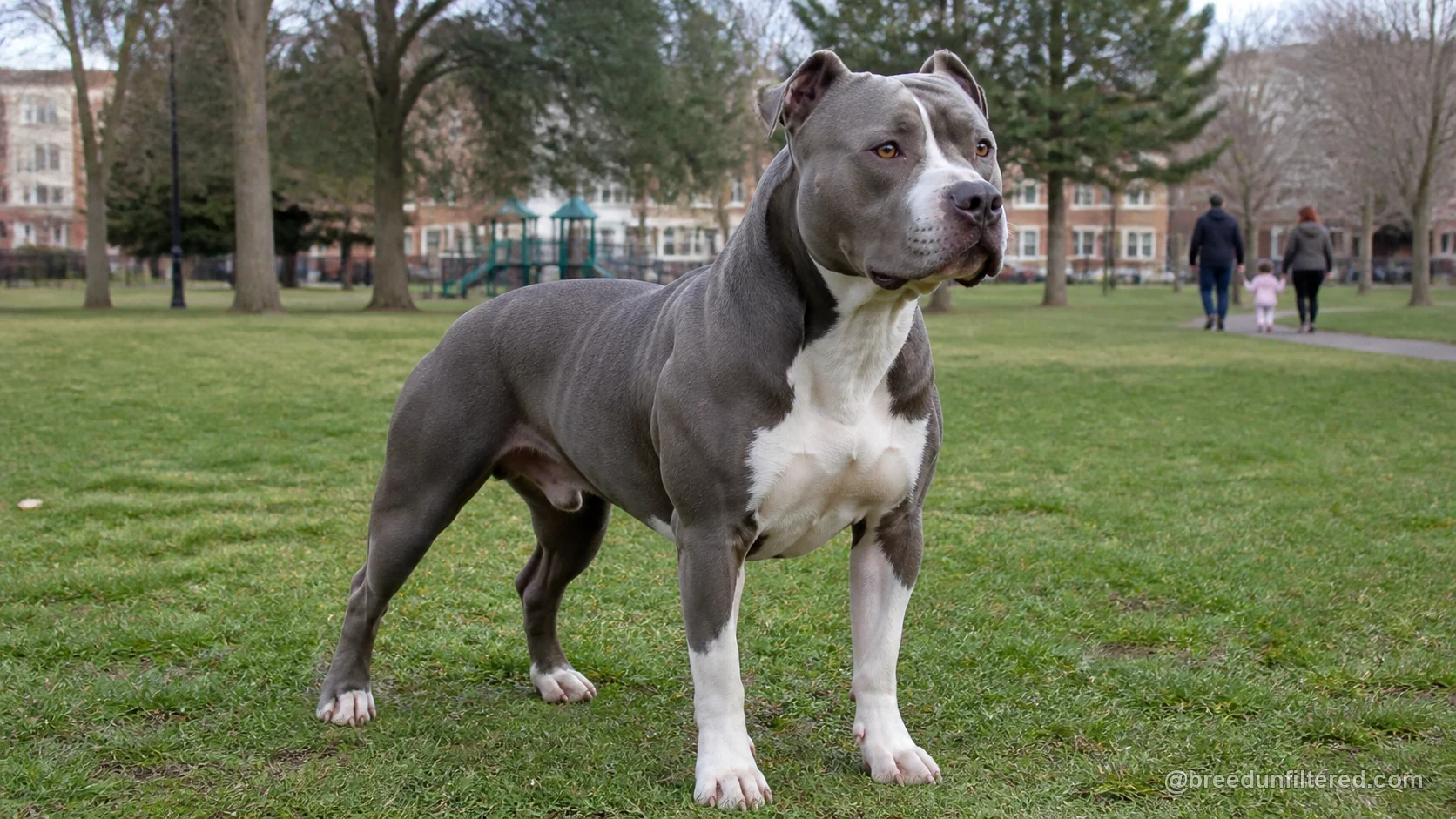
The American Staffordshire Terrier, often called the AmStaff, is a medium-sized, muscular dog with a history rooted in both farm work and companionship. Recognized by the FCI under standard number 286, this breed is known for its strength, confidence, and loyalty. Prospective owners should understand that the AmStaff is a powerful dog with a distinct personality, requiring a committed and responsible approach to ownership.
This article provides an evidence-conscious overview of the breed, drawing on the official FCI standard and reputable sources. We will explore the breed's origins, typical temperament, exercise and training needs, family compatibility, grooming, health considerations, and the financial and time commitments involved. The goal is to help you make an informed decision, not to make universal claims about every individual dog.
Origin and Purpose
The American Staffordshire Terrier traces its ancestry to bulldogs and terriers brought to the United States in the 19th century. These dogs were used for various tasks, including farm work and hunting, and were also bred for dog fighting, a practice that has been illegal for decades. The breed was developed to be strong, agile, and tenacious, but also to be reliable with people, as handlers needed to manage them closely.
The FCI standard describes the AmStaff as a dog of strength and confidence, with a keen and alert expression. Over time, breeders have focused on companion qualities, and today the breed is recognized by major kennel clubs worldwide. Understanding this history is crucial, as it explains the breed's physical power and its need for early socialization and consistent training to channel its instincts appropriately.
Temperament and Variation
The American Staffordshire Terrier is often described as courageous, confident, and good-natured. The FCI standard notes that the breed is 'always willing to please' and has a 'keen and alert' expression. However, individual temperament can vary widely based on genetics, socialization, and training. Some AmStaffs are outgoing and friendly with strangers, while others may be more reserved or wary, making early and ongoing socialization essential.
It is important to avoid universal claims about temperament. While many AmStaffs are affectionate and loyal to their families, they are also a powerful breed with a strong prey drive and a tendency toward dog aggression, particularly with same-sex dogs. Prospective owners should be prepared to manage these traits through responsible ownership, including secure fencing and careful introductions to other animals.
Exercise and Mental Work
American Staffordshire Terriers are energetic and athletic dogs that require regular physical activity to stay healthy and content. Daily walks, play sessions, and opportunities to run in a securely fenced area are typically necessary. However, exact exercise needs vary by age, health, and individual energy levels, so owners should adjust accordingly. Without adequate exercise, AmStaffs may become bored and develop destructive behaviors.
Mental stimulation is equally important. This intelligent breed thrives on puzzle toys, obedience training, and activities like nose work or agility. Engaging their minds helps prevent boredom and can strengthen the bond between dog and owner. A well-exercised and mentally challenged AmStaff is more likely to be a calm and well-adjusted companion.
Training and Socialisation
Training an American Staffordshire Terrier requires patience, consistency, and positive reinforcement methods. This breed is intelligent and eager to please, but it can also be stubborn. Early socialization is critical to help them become well-rounded adults. Exposing puppies to a variety of people, places, and situations in a controlled manner can reduce the risk of fearfulness or aggression later in life.
Obedience training should begin early and continue throughout the dog's life. Because of their physical strength, a well-trained AmStaff is easier to manage in public and at home. Professional training classes can be beneficial, especially for first-time owners. It is also important to note that some AmStaffs may have a high prey drive, so recall training and secure handling are essential.
Family and Pets
American Staffordshire Terriers can make devoted family companions and are often gentle with children they are raised with. However, due to their strength and energy, supervision is recommended when they interact with young children. They may not be suitable for families with very small children who could be knocked over accidentally. As with any dog, teaching children how to interact respectfully is crucial.
When it comes to other pets, the AmStaff's history as a terrier means they may have a strong prey drive and can be aggressive toward other dogs, especially those of the same sex. They may also chase small animals. Early socialization can help, but it is not a guarantee. Prospective owners with existing pets should consider these factors carefully and seek professional guidance.
Grooming and Health
The American Staffordshire Terrier has a short, smooth coat that is relatively low-maintenance. Weekly brushing with a rubber curry brush or hound glove can help remove loose hair and keep the coat shiny. They shed moderately, and occasional baths are sufficient. Regular nail trimming, ear cleaning, and dental care are also part of a good grooming routine.
Like all breeds, AmStaffs are prone to certain health conditions, though not every dog will be affected. Some conditions reported in the breed include hip dysplasia, skin allergies, and heart disease. Responsible breeders screen for these issues, and prospective owners should ask about health clearances. Regular veterinary check-ups and a balanced diet are important for overall health.
Costs and Responsibility
Owning an American Staffordshire Terrier involves significant financial and time commitments. Initial costs include the purchase price from a reputable breeder or adoption fees, as well as supplies like a crate, leash, and food. Ongoing expenses include high-quality dog food, routine veterinary care, vaccinations, and preventive medications. Emergency medical care can be costly, so pet insurance is worth considering.
Beyond finances, responsible ownership means providing proper training, socialization, and a safe environment. This breed may be subject to breed-specific legislation in some areas, so it is essential to check local laws. Owners must also be prepared to be advocates for their dog, ensuring they are well-behaved and under control at all times. The AmStaff is not a dog for everyone, but for the right owner, it can be a rewarding companion.
Clear answers
FREQUENTLY ASKED QUESTIONS
Are American Staffordshire Terriers good with children?
Many American Staffordshire Terriers are affectionate and gentle with children they are raised with, but due to their strength and energy, supervision is recommended. Early socialization and teaching children how to interact respectfully are essential. Each dog is an individual, so it's important to assess temperament and provide proper training.
How much exercise does an American Staffordshire Terrier need?
American Staffordshire Terriers are energetic and athletic, typically requiring daily walks and playtime. The exact amount varies by age, health, and individual energy. Mental stimulation is also important to prevent boredom. Owners should adjust exercise to their dog's needs and consult a veterinarian if unsure.
Are American Staffordshire Terriers aggressive?
American Staffordshire Terriers are not inherently aggressive toward people, but they can be dog-aggressive, especially with same-sex dogs. Their history as fighting dogs means they may have a strong prey drive. Proper socialization and training from an early age are crucial to manage these tendencies. Responsible ownership is key.
Do American Staffordshire Terriers shed a lot?
American Staffordshire Terriers have a short, smooth coat that sheds moderately. Weekly brushing can help manage loose hair. They are not heavy shedders compared to some breeds, but they do shed year-round. Regular grooming and occasional baths will keep their coat healthy.
What health issues are common in American Staffordshire Terriers?
Like all breeds, American Staffordshire Terriers may be prone to certain health conditions, including hip dysplasia, skin allergies, and heart disease. Not every dog will be affected. Reputable breeders screen for these issues, and regular veterinary check-ups are important. Prospective owners should ask about health clearances.
Sources and further reading
Scores describe typical breed tendencies from 1 to 10. They are not a quality ranking or a prediction for an individual dog.
Size and presence4/10
CompactVery large
Physical strength6/10
LightExceptional
Energy level8/10
LowRelentless
Exercise demand8/10
ModestVery demanding
Mental work needed8/10
ModerateDaily job
Trainability7/10
ChallengingExceptional
Everyday manageability3/10
SpecialistStraightforward
First-time owner fit4/10
Poor fitGood fit
Family-life fit7/10
LimitedExcellent
Dog sociability3/10
SelectiveVery social
Prey drive10/10
LowVery high
Guarding tendency4/10
MinimalSerious
Independence7/10
Handler-focusedSelf-directed
Grooming demand4/10
LightHeavy
Apartment fit5/10
Poor fitGood fit