Complete breed guide
Kai OWNERSHIP GUIDE
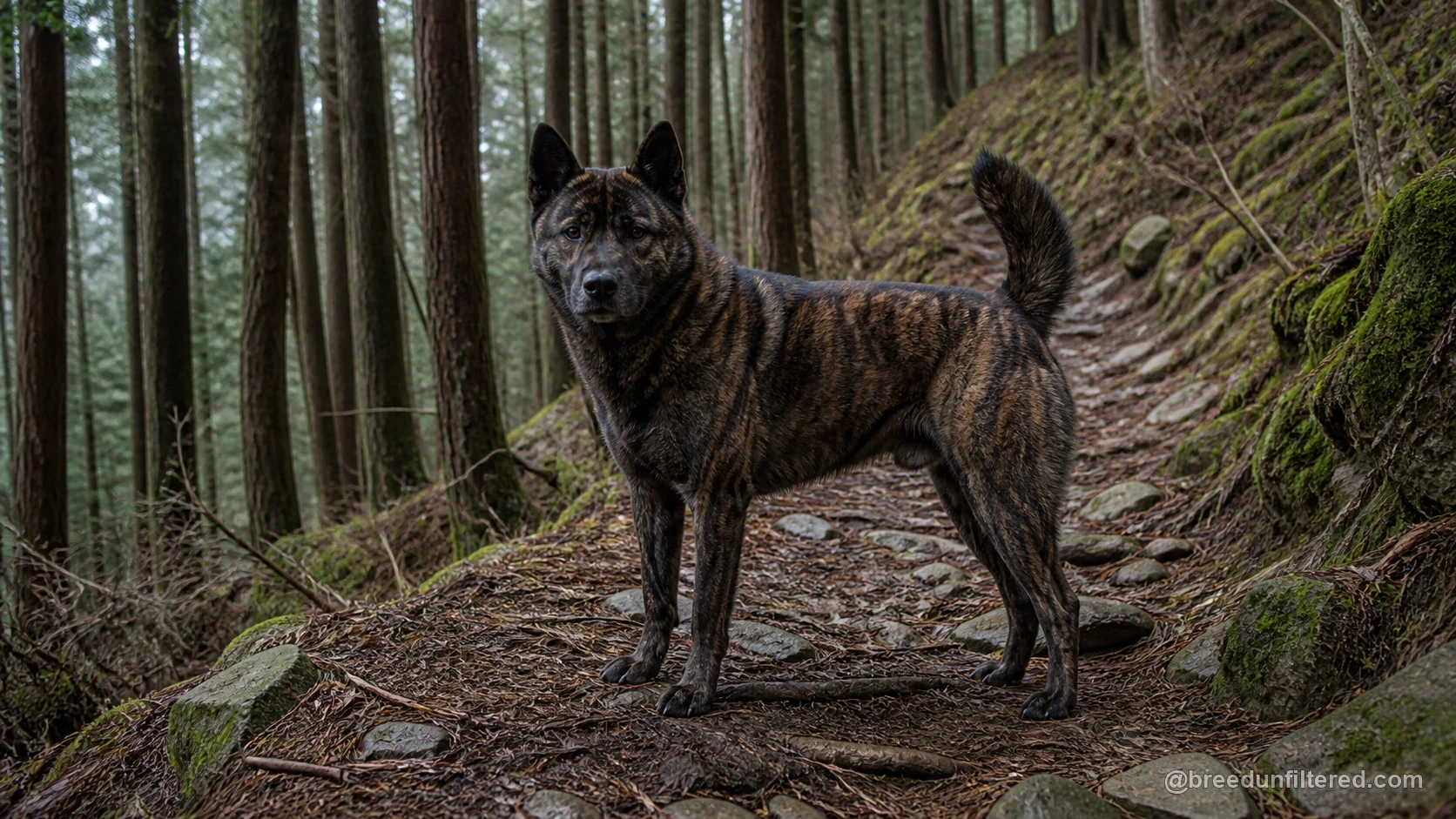
The Kai, also known as the Kai Ken or Tora Inu, is a rare Japanese breed that originated in the mountainous region of Kai Province (now Yamanashi Prefecture). Historically used to hunt wild boar and deer, the Kai is prized for its intelligence, loyalty, and distinctive brindle coat. This breed remains relatively unknown outside Japan, but its devoted following appreciates its keen senses and strong bond with its family.
Prospective owners should understand that the Kai is not a typical companion dog. It is an active, independent thinker with a strong prey drive and a protective nature. While it can be a wonderful companion for the right household, it requires experienced handling, consistent training, and ample physical and mental stimulation. This article provides a balanced overview of the Kai's characteristics, care needs, and the responsibilities of ownership.
Origin and Purpose
The Kai is one of the six native Japanese spitz-type breeds, recognized by the Nihon Ken Hozonkai (Nippo) and the Japan Kennel Club. Developed in the rugged, forested mountains of central Honshu, the Kai was bred to hunt large game such as wild boar and deer. Its name 'Tora Inu' means 'tiger dog,' a reference to its brindle coat, which provided camouflage in the dense underbrush.
The breed's isolation in the mountains contributed to its genetic purity and distinctive traits. The Kai is known for its exceptional agility, endurance, and a strong pack instinct, which made it valuable for hunting in groups. Today, the Kai remains a working breed in Japan and is gaining recognition worldwide, though it is still rare outside its homeland. The FCI lists the Kai in Group 5 (Spitz and Primitive Types) under standard number 317.
Temperament and Variation
The Kai is typically alert, intelligent, and loyal to its family. It often forms a deep bond with one or two people and can be reserved or wary of strangers. This breed is known for its courage and determination, traits that were essential for hunting. However, individual temperaments can vary, and early socialization plays a crucial role in shaping a well-adjusted adult.
Kai are generally not aggressive without reason, but they have a strong protective instinct. They are also known for their 'cat-like' agility and a tendency to climb or jump. Because they were bred to work in packs, many Kai get along well with other dogs, especially if raised together. However, their prey drive can be high, so caution is needed around small animals. Prospective owners should expect a dog that is both independent and devoted.
Exercise and Mental Work
The Kai is an athletic breed that requires regular, vigorous exercise to stay physically and mentally healthy. Daily long walks, hikes, or runs in a securely fenced area are often recommended. This breed excels in canine sports such as agility, obedience, and scent work, which provide both physical exertion and mental challenges.
Mental stimulation is just as important as physical exercise. Without adequate outlets, a Kai may become bored and develop destructive behaviors. Puzzle toys, training sessions, and activities that engage their natural hunting instincts, such as nose work, can help satisfy their need for mental engagement. Owners should be prepared to dedicate time each day to meet these needs.
Training and Socialisation
Training a Kai requires patience, consistency, and positive reinforcement methods. This breed is intelligent but can be stubborn and independent, so harsh methods are counterproductive. Early socialization is essential to help the Kai become comfortable with various people, animals, and environments. Puppy classes and controlled introductions can be beneficial.
Because of their hunting background, Kai may have a strong prey drive and a tendency to chase. Reliable recall is a critical skill to train, and using a long line in unfenced areas is often wise. Owners who are experienced with primitive or spitz breeds may find the Kai's temperament more manageable. A firm but gentle approach, combined with clear boundaries, can yield a well-mannered companion.
Family and Other Pets
The Kai can be a devoted family dog, especially when raised with children. They are often gentle and protective with their own family, but their reserved nature with strangers means they may not be immediately friendly to visitors. Supervision is recommended when the Kai is around young children, as with any breed, to ensure safe interactions.
Regarding other pets, the Kai's prey drive can pose a risk to small animals like cats, rabbits, or rodents. However, some Kai can live peacefully with cats if raised together from puppyhood. Their pack-oriented nature often makes them more compatible with other dogs, particularly of similar size and temperament. Each dog is an individual, so careful introductions and management are essential.
Grooming and Health
The Kai has a double coat that sheds seasonally, with heavier shedding during spring and fall. Regular brushing, typically a few times a week, helps manage loose hair and keep the coat healthy. During shedding seasons, daily brushing may be necessary. Bathing should be done only as needed to avoid stripping natural oils.
As a generally healthy breed, the Kai has a lifespan of around 12-15 years. However, like all breeds, they may be prone to certain conditions, including hip dysplasia and patellar luxation. Responsible breeders screen for these issues. Regular veterinary check-ups, a balanced diet, and proper exercise contribute to overall well-being. Prospective owners should ask breeders about health testing and the health history of the puppy's parents.
Costs and Responsibility
Owning a Kai involves significant financial and time commitments. Initial costs include the purchase price, which can be high due to the breed's rarity, as well as supplies, fencing, and veterinary care. Ongoing expenses include food, routine vet visits, grooming supplies, and potential emergency medical care. Pet insurance is often recommended to mitigate unexpected costs.
Beyond finances, a Kai requires a dedicated owner who can provide ample exercise, training, and companionship. This breed is not suited to a sedentary lifestyle or being left alone for long periods. Prospective owners should research the breed thoroughly, connect with reputable breeders or rescue organizations, and honestly assess their ability to meet the Kai's needs. Responsible ownership also involves lifelong commitment to the dog's well-being.
Clear answers
FREQUENTLY ASKED QUESTIONS
Is the Kai a good family dog?
The Kai can be a good family dog for experienced owners who understand its needs. It is often loyal and protective of its family, and can be gentle with children if raised with them. However, it may be reserved with strangers and has a strong prey drive, so supervision and early socialization are important.
How much exercise does a Kai need?
The Kai is an active breed that requires substantial daily exercise, including long walks, runs, or hikes. They also benefit from mental stimulation such as puzzle toys or training. Without adequate activity, they may become bored and develop destructive behaviors.
Does the Kai get along with other dogs?
Many Kai get along well with other dogs, especially if raised together, due to their pack-oriented history. However, individual temperaments vary, and proper introductions are essential. Their prey drive may make them less suitable for homes with small pets like cats or rabbits.
What is the grooming requirement for a Kai?
The Kai has a double coat that sheds seasonally, requiring regular brushing, typically a few times a week, and daily brushing during heavy shedding periods. Bathing should be infrequent to preserve coat oils. Overall, grooming is moderate but manageable.
Are Kai dogs rare?
Yes, the Kai is a rare breed, especially outside Japan. Its limited numbers mean that finding a reputable breeder may require a waiting list, and the cost can be higher than more common breeds. Prospective owners should be prepared for the challenge of locating a responsible source.
Sources and further reading
Scores describe typical breed tendencies from 1 to 10. They are not a quality ranking or a prediction for an individual dog.
Size and presence5/10
CompactVery large
Physical strength5/10
LightExceptional
Energy level9/10
LowRelentless
Exercise demand10/10
ModestVery demanding
Mental work needed8/10
ModerateDaily job
Trainability4/10
ChallengingExceptional
Everyday manageability1/10
SpecialistStraightforward
First-time owner fit3/10
Poor fitGood fit
Family-life fit7/10
LimitedExcellent
Dog sociability6/10
SelectiveVery social
Prey drive10/10
LowVery high
Guarding tendency7/10
MinimalSerious
Independence10/10
Handler-focusedSelf-directed
Grooming demand10/10
LightHeavy
Apartment fit4/10
Poor fitGood fit