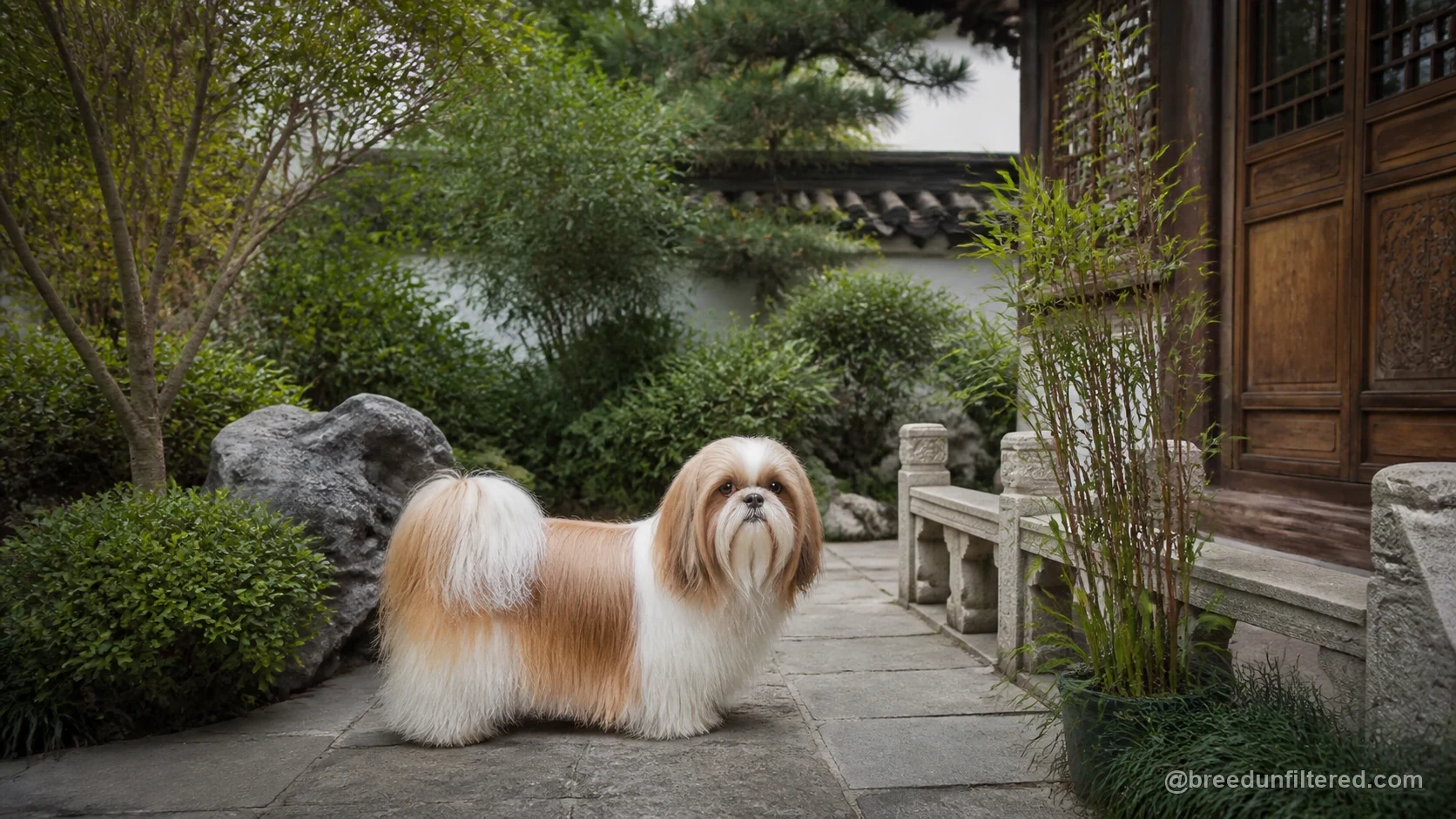
Complete breed guide
Shih Tzu OWNERSHIP GUIDE
The Shih Tzu, a small companion breed with a distinctive flowing coat and a confident, friendly demeanor, has been a beloved house pet for centuries. Originating in ancient China, these dogs were prized by royalty and were bred to be loyal companions rather than working dogs. Today, they remain popular in homes worldwide, known for their affectionate nature and adaptability to various living situations, including apartments and houses with small yards.
Prospective owners should understand that the Shih Tzu is a brachycephalic breed, meaning they have a short muzzle and flat face. This physical trait can influence their exercise tolerance and make them sensitive to heat and humidity. While they are generally sturdy and lively, their care involves regular grooming and attention to their facial folds. This guide aims to provide a balanced overview of the breed's characteristics, care requirements, and potential challenges, helping you decide if a Shih Tzu is the right companion for your lifestyle.
Origin and Purpose
The Shih Tzu's history is steeped in Chinese imperial tradition, with records suggesting they were bred as palace companions for Chinese royalty. The name translates to 'Lion Dog,' reflecting their lion-like appearance, though they were never used for hunting or guarding. Instead, they were cherished as lapdogs and were often kept in the Forbidden City, where they were treated with great reverence. Some accounts suggest they were bred from Tibetan breeds, possibly the Lhasa Apso, and were given as gifts to Chinese emperors.
The breed's purpose has always been companionship. Unlike many other breeds that were developed for specific tasks like herding or hunting, the Shih Tzu was bred solely to be a loving and attentive companion. This history has shaped their temperament, making them particularly attuned to human emotions and eager to be close to their owners. They thrive on human interaction and are happiest when they are part of the family's daily activities, whether that means sitting on a lap or following their favorite person from room to room.
Temperament and Variation
Shih Tzus are generally known for their friendly, outgoing, and affectionate personalities. They are often described as 'little lions' with a confident and sometimes stubborn streak. They tend to be sociable with strangers and are not typically aggressive, though they can be wary if not properly socialized. Their temperament is well-suited for therapy work, and many Shih Tzus excel in this role due to their gentle and calm nature. However, individual dogs can vary, and early socialization plays a crucial role in shaping their behavior.
While the breed standard describes a typical Shih Tzu, there is natural variation in temperament and behavior. Some may be more energetic and playful, while others are more laid-back and content to lounge. Their adaptability is one of their strengths, but it also means that prospective owners should meet the specific dog they are considering to gauge their personality. It's also important to note that Shih Tzus can be prone to separation anxiety if left alone for long periods, as they form strong bonds with their owners and prefer to be in their company.
Exercise and Mental Work
Shih Tzus have moderate exercise needs that are easily met with short daily walks and indoor play. They are not high-energy dogs and are often content with a few short play sessions each day. However, they do enjoy exploring and will benefit from regular, gentle exercise to maintain a healthy weight and prevent boredom. Because of their brachycephalic nature, it's crucial to avoid strenuous exercise, especially in hot or humid weather, as they can have difficulty breathing and are prone to overheating.
Mental stimulation is equally important for this intelligent breed. Puzzle toys, interactive games, and basic obedience training can help keep their minds sharp and prevent destructive behaviors that may arise from boredom. Shih Tzus are known to be somewhat stubborn, so training sessions should be kept positive and rewarding. They respond well to treats and praise, and short, frequent sessions are more effective than long, repetitive ones. Engaging their senses through scent games or hide-and-seek can also provide excellent mental enrichment.
Training and Socialisation
Training a Shih Tzu requires patience and consistency. They are intelligent but can be independent and may choose to ignore commands if they don't see the benefit. Positive reinforcement methods, such as clicker training and treat rewards, work best. Harsh corrections can cause them to become stubborn or fearful. Housebreaking can be a challenge due to their small size and sometimes stubborn nature, so crate training and a consistent schedule are often recommended. Early training is essential to establish good habits.
Socialisation is critical for Shih Tzus to develop into well-rounded adults. Exposing them to a variety of people, environments, and other animals from a young age helps prevent shyness or fearfulness. They generally get along well with other dogs and pets, especially if raised with them. However, they can be possessive of their owners and may not appreciate rough handling from young children. Supervised interactions and teaching children how to approach and handle the dog are important for a harmonious household.
Family and Other Pets
Shih Tzus make excellent family pets for households with older children who understand how to interact gently with small dogs. They are affectionate and enjoy being included in family activities, but their small size makes them vulnerable to accidental injury from boisterous play. They are not typically known for being aggressive, but they may snap if startled or hurt. Therefore, supervision is essential when they are around young children. They also tend to bond closely with one person, though they will show affection to all family members.
When it comes to other pets, Shih Tzus generally coexist peacefully with other dogs and cats, especially if they are raised together. Their low prey drive means they are unlikely to chase small animals, making them a good choice for multi-pet households. However, introductions should be gradual and supervised to ensure a smooth transition. They may exhibit some jealousy if they feel their owner's attention is being diverted, so it's important to give each pet individual attention and ensure they have their own space.
Grooming and Health
The Shih Tzu's long, luxurious coat is one of its most distinctive features, but it requires significant grooming. Daily brushing is necessary to prevent mats and tangles, and many owners opt for a shorter 'puppy cut' to reduce maintenance. Regular bathing, ear cleaning, and nail trimming are also essential. Their facial folds need to be kept clean and dry to prevent skin infections. Professional grooming every 4-6 weeks is often recommended to keep the coat in good condition and to manage hygiene.
Like all breeds, Shih Tzus are prone to certain health conditions, though not every dog will be affected. Common issues include brachycephalic airway syndrome, eye problems such as proptosis and dry eye, and dental disease. They may also be prone to hip dysplasia and patellar luxation. Regular veterinary check-ups, a balanced diet, and maintaining a healthy weight can help mitigate some risks. Prospective owners should be prepared for potential health care costs and should seek a reputable breeder who screens for hereditary conditions.
Costs and Responsibility
Owning a Shih Tzu involves financial and time commitments. The initial cost of purchasing a puppy from a responsible breeder can be significant, and ongoing expenses include high-quality food, grooming supplies, professional grooming services, veterinary care, and pet insurance. Grooming costs can be substantial, especially if you choose to keep the coat long. Additionally, emergency veterinary care can be expensive, so it's wise to budget for unexpected health issues. Adoption from a rescue is a more affordable option and gives a home to a dog in need.
Beyond finances, Shih Tzus require a considerable time investment. Their grooming needs are demanding, and they thrive on human companionship, so they are not suited for owners who are away from home for long hours. They are indoor dogs and should not be left outside for extended periods. Prospective owners should be prepared to provide daily exercise, mental stimulation, and plenty of affection. Responsible ownership also includes training, socialisation, and ensuring the dog's safety and well-being throughout their life, which can be 10-16 years or more.
Clear answers
FREQUENTLY ASKED QUESTIONS
Are Shih Tzus good with children?
Shih Tzus can be good with children, especially older kids who understand how to handle small dogs gently. They are affectionate and enjoy play, but their small size makes them prone to injury from rough handling. Supervision is essential, and teaching children to respect the dog's space is crucial. With proper socialisation and positive interactions, they can form strong bonds with children and make wonderful family pets.
How much grooming does a Shih Tzu need?
Shih Tzus require daily brushing to prevent mats and tangles in their long coat. Regular bathing, ear cleaning, and nail trimming are also necessary. Many owners choose a shorter clip to reduce maintenance. Professional grooming every 4-6 weeks is often recommended to keep the coat healthy and manage hygiene. Their facial folds need special attention to keep them clean and dry to avoid skin issues.
Are Shih Tzus easy to train?
Shih Tzus are intelligent but can be stubborn, making training a test of patience. They respond best to positive reinforcement methods like treats and praise. Consistency and short, fun sessions work well. Housebreaking can be challenging, so crate training and a routine are helpful. Early socialisation and training are essential to prevent behavioral issues and ensure a well-mannered companion.
Do Shih Tzus bark a lot?
Shih Tzus are not known for excessive barking, but they will alert you to strangers or unusual noises. They can become vocal if bored or anxious, so providing mental stimulation and companionship is important. With proper training and socialisation, they can learn to be quiet on command. Their barking tendency varies by individual, but they are generally not considered a highly vocal breed.
What health issues are common in Shih Tzus?
Shih Tzus are prone to certain health conditions, including brachycephalic airway syndrome due to their flat faces, eye problems like proptosis and dry eye, and dental disease. They may also develop hip dysplasia or patellar luxation. Regular veterinary check-ups, a healthy diet, and maintaining a proper weight can help reduce risks. Prospective owners should seek breeders who screen for hereditary issues.
Sources and further reading
Scores describe typical breed tendencies from 1 to 10. They are not a quality ranking or a prediction for an individual dog.
Size and presence3/10
CompactVery large
Physical strength3/10
LightExceptional
Energy level4/10
LowRelentless
Exercise demand3/10
ModestVery demanding
Mental work needed6/10
ModerateDaily job
Trainability5/10
ChallengingExceptional
Everyday manageability5/10
SpecialistStraightforward
First-time owner fit7/10
Poor fitGood fit
Family-life fit8/10
LimitedExcellent
Dog sociability7/10
SelectiveVery social
Prey drive2/10
LowVery high
Guarding tendency3/10
MinimalSerious
Independence7/10
Handler-focusedSelf-directed
Grooming demand9/10
LightHeavy
Apartment fit8/10
Poor fitGood fit