Complete breed guide
Russian Toy OWNERSHIP GUIDE
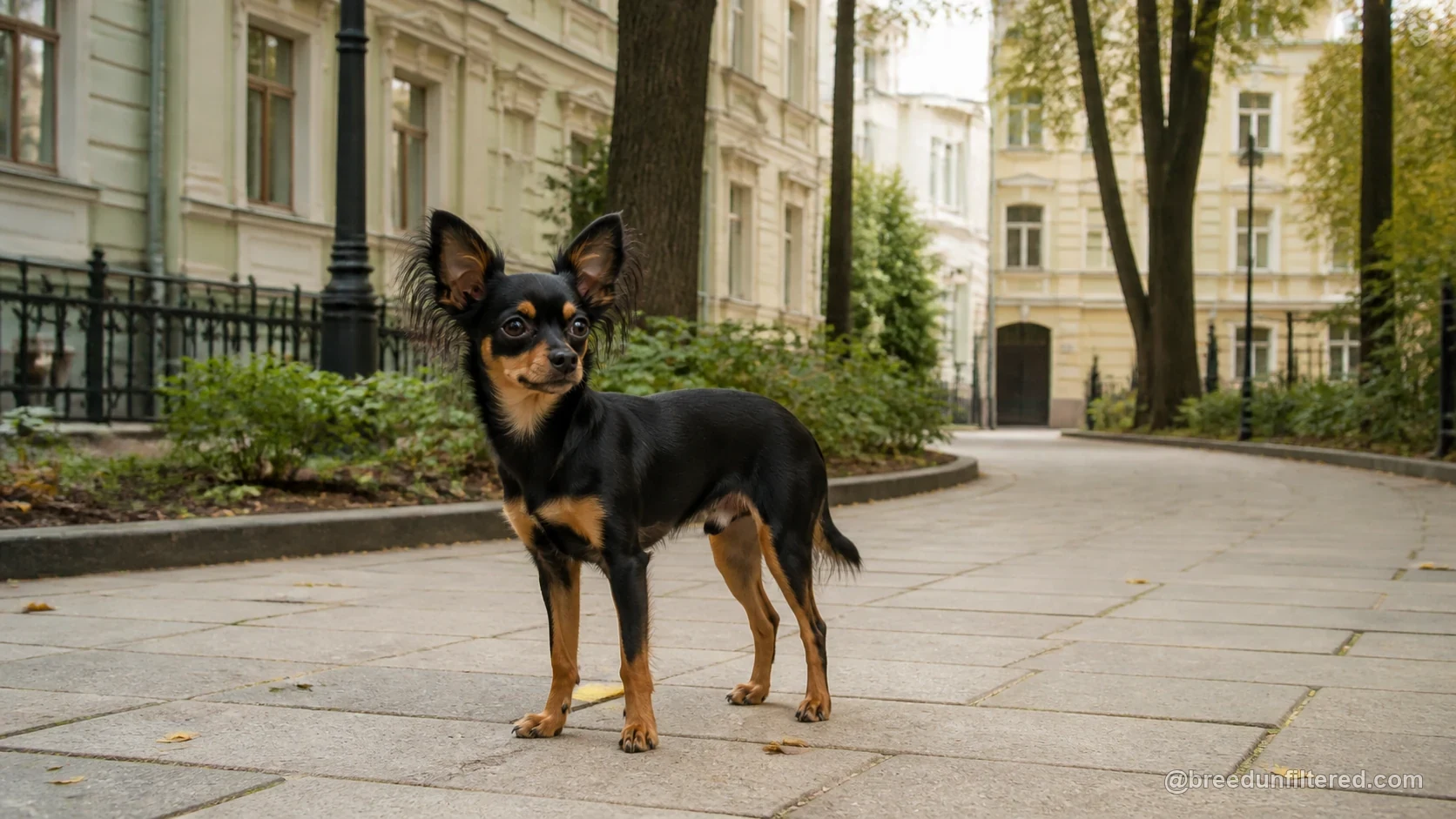
The Russian Toy is a small companion breed with roots in Russia, developed over centuries to be a charming lapdog and alert companion. Recognized by the FCI in 2017, this breed comes in two coat varieties—smooth and longhaired—and is known for its elegant, refined appearance and lively spirit. Despite its diminutive size, the Russian Toy carries a confident and affectionate demeanor, making it a delightful companion for those who appreciate a small dog with a big personality.
Prospective owners should understand that the Russian Toy is not merely a decorative pet but a sensitive and intelligent companion that thrives on close human interaction. This breed is well-suited to apartment living and can adapt to various lifestyles, but it requires thoughtful socialization and consistent, gentle training. In this article, we will explore the breed's origins, temperament, care requirements, and the responsibilities that come with welcoming a Russian Toy into your home.
Origin and Purpose
The Russian Toy's history is intertwined with the Russian aristocracy, where small companion dogs were prized as symbols of status and affection. The breed's ancestors include English Toy Terriers and other small European dogs, which were crossed to create a distinctly Russian companion. By the early 20th century, the Russian Toy had become a favorite among the nobility, but the breed faced near-extinction during the Soviet era. Dedicated breeders revived it in the mid-20th century, focusing on the small, elegant dogs we see today.
The FCI officially recognized the Russian Toy in 2017, placing it in Group 9 (Companion and Toy Dogs). The breed's original purpose was purely companionship, and it remains so today. Unlike many toy breeds, the Russian Toy was never bred for hunting or vermin control; instead, it was developed to be a devoted lapdog and alert watchdog, using its keen senses to notify its family of approaching strangers. This heritage influences its temperament and care needs, as the breed thrives on human companionship and may become anxious if left alone for long periods.
Temperament and Variation
The Russian Toy is known for its lively, affectionate, and intelligent nature. It forms strong bonds with its family and often seeks to be involved in all activities, from sitting on a lap to following its owner from room to room. While generally cheerful and playful, the breed can be reserved with strangers, making early socialization essential to ensure it grows into a well-adjusted adult. Individual temperaments vary, but most Russian Toys are alert and responsive, with a tendency to bark to announce visitors or unusual sounds.
There are two coat varieties: smooth and longhaired. The smooth-coated Russian Toy has a short, glossy coat that lies close to the body, while the longhaired variety features longer, feathered hair on the ears, legs, and tail. Both types share the same temperament and care needs, though grooming requirements differ slightly. The longhaired variety may require more frequent brushing to prevent tangles, especially around the ears and tail. Regardless of coat type, the Russian Toy is a hardy little dog, but its small size means it should be handled with care to avoid injury.
Exercise and Mental Work
Despite its small stature, the Russian Toy has a moderate energy level and enjoys daily walks and play sessions. A couple of short walks per day, combined with indoor play, are typically sufficient to meet its exercise needs. However, this breed is also content to snuggle on the couch, making it adaptable to various living situations. It is important to avoid over-exercising a Russian Toy, as its delicate bones and joints can be prone to injury if subjected to excessive jumping or rough play.
Mental stimulation is equally important for this intelligent breed. Puzzle toys, training sessions, and interactive games can help keep a Russian Toy's mind sharp and prevent boredom-related behaviors. Because the breed is eager to please, it often excels in obedience and trick training, which also strengthens the bond between dog and owner. Without adequate mental engagement, a Russian Toy may become mischievous or develop separation anxiety, so owners should be prepared to provide both physical and mental enrichment.
Training and Socialisation
Training a Russian Toy requires patience, consistency, and positive reinforcement. This breed is sensitive and responds poorly to harsh corrections, so gentle, reward-based methods are most effective. Early socialization is crucial to help the dog become comfortable with various people, animals, and environments. Exposing a Russian Toy puppy to different sights and sounds in a controlled manner can reduce the likelihood of fearfulness or excessive barking later in life.
Because of its intelligence and desire to please, the Russian Toy can learn commands quickly, but it may also have a stubborn streak. Short, engaging training sessions work best, as the breed can lose interest if tasks become repetitive. House training can be challenging due to the small bladder size, so consistent scheduling and patience are necessary. Owners should also teach their Russian Toy to be comfortable with handling, as this will make grooming and veterinary visits easier.
Family and Other Pets
The Russian Toy can make a wonderful companion for families, but it is best suited to households with older children who understand how to interact gently with a small dog. The breed's delicate frame means that rough handling or accidental drops can cause serious injury, so supervision is essential when children are present. With proper socialization, a Russian Toy can get along well with other dogs and even cats, especially if raised together. However, its small size may make it vulnerable to larger, boisterous pets, so introductions should be managed carefully.
This breed thrives on being an integral part of the family and may not do well if left alone for long hours. It often forms a particularly strong bond with one person but remains affectionate with all family members. Potential owners should consider their lifestyle and whether they can provide the companionship and attention a Russian Toy craves. For those who are home often and enjoy a devoted lapdog, this breed can be an excellent choice.
Grooming and Health
Grooming needs for the Russian Toy are relatively low. The smooth-coated variety requires minimal brushing, while the longhaired variety benefits from weekly brushing to prevent mats and tangles. Both types shed lightly, and occasional baths are sufficient to keep the coat clean. Regular ear cleaning, nail trimming, and dental care are also important to maintain overall health. The breed's large, erect ears are prone to ear infections if not kept dry and clean, so owners should check them regularly.
As with many toy breeds, the Russian Toy may be predisposed to certain health conditions, including patellar luxation, dental issues, and eye problems. Responsible breeders screen for these conditions, but prospective owners should be aware of potential health concerns. Regular veterinary check-ups, a balanced diet, and appropriate exercise can help mitigate some risks. It is also essential to protect the Russian Toy from extreme temperatures, as its small size and thin coat make it susceptible to cold weather.
Costs and Responsibility
Owning a Russian Toy involves financial and time commitments. Initial costs include the purchase price from a reputable breeder, which can vary, as well as supplies such as a crate, bedding, food, and toys. Ongoing expenses include high-quality dog food, routine veterinary care, vaccinations, and preventive medications. Because the breed is small, some costs may be lower than for larger dogs, but unexpected medical expenses can arise, so pet insurance is worth considering.
Beyond finances, owners must be prepared for the responsibility of caring for a sensitive and social companion. The Russian Toy requires daily interaction, mental stimulation, and a safe environment free from hazards. Its small size means it can be easily injured by falls or rough play, so supervision is necessary. Prospective owners should also consider their travel plans, as this breed may not tolerate long periods of separation. With proper care and attention, a Russian Toy can be a loyal and loving companion for many years.
Clear answers
FREQUENTLY ASKED QUESTIONS
Is the Russian Toy a good choice for first-time dog owners?
The Russian Toy can be a good choice for first-time owners who are committed to positive training and socialization. However, its small size and sensitivity require careful handling and consistent routines. Beginners should be prepared to learn about canine body language and provide a safe environment to prevent injuries. With patience and dedication, a Russian Toy can thrive in a first-time owner's home.
How much exercise does a Russian Toy need?
A Russian Toy has moderate exercise needs, typically satisfied with a couple of short walks and indoor play sessions each day. It is not a high-energy breed, but it enjoys interactive games and mental challenges. Owners should avoid excessive exercise, especially in puppies, to protect their developing bones. Always adapt exercise to the individual dog's age and health.
Does the Russian Toy get along with children and other pets?
With proper socialization, a Russian Toy can get along with respectful children and other pets, including dogs and cats. However, due to its small size, interactions with young children should be supervised to prevent accidental injury. The breed may be wary of larger, boisterous animals, so introductions should be gradual and controlled. Early socialization is key to fostering positive relationships.
What are the grooming requirements for a Russian Toy?
Grooming needs are minimal. Smooth-coated Russian Toys require occasional brushing, while longhaired ones need weekly brushing to prevent tangles. Both types shed lightly. Regular ear cleaning, nail trimming, and dental care are essential. The breed's large ears should be checked for moisture and debris to avoid infections. Bathing is only necessary when the dog is dirty.
Are Russian Toys prone to any health issues?
Like many toy breeds, Russian Toys may be predisposed to conditions such as patellar luxation, dental problems, and eye issues. Responsible breeders screen for these, but not all health problems can be prevented. Regular veterinary check-ups and a healthy lifestyle can help manage risks. Owners should be aware of the breed's sensitivity to cold and handle them gently to avoid injuries.
Sources and further reading
Scores describe typical breed tendencies from 1 to 10. They are not a quality ranking or a prediction for an individual dog.
Size and presence1/10
CompactVery large
Physical strength1/10
LightExceptional
Energy level6/10
LowRelentless
Exercise demand5/10
ModestVery demanding
Mental work needed6/10
ModerateDaily job
Trainability6/10
ChallengingExceptional
Everyday manageability6/10
SpecialistStraightforward
First-time owner fit9/10
Poor fitGood fit
Family-life fit8/10
LimitedExcellent
Dog sociability7/10
SelectiveVery social
Prey drive4/10
LowVery high
Guarding tendency4/10
MinimalSerious
Independence7/10
Handler-focusedSelf-directed
Grooming demand5/10
LightHeavy
Apartment fit10/10
Poor fitGood fit