Complete breed guide
Kromfohrländer OWNERSHIP GUIDE
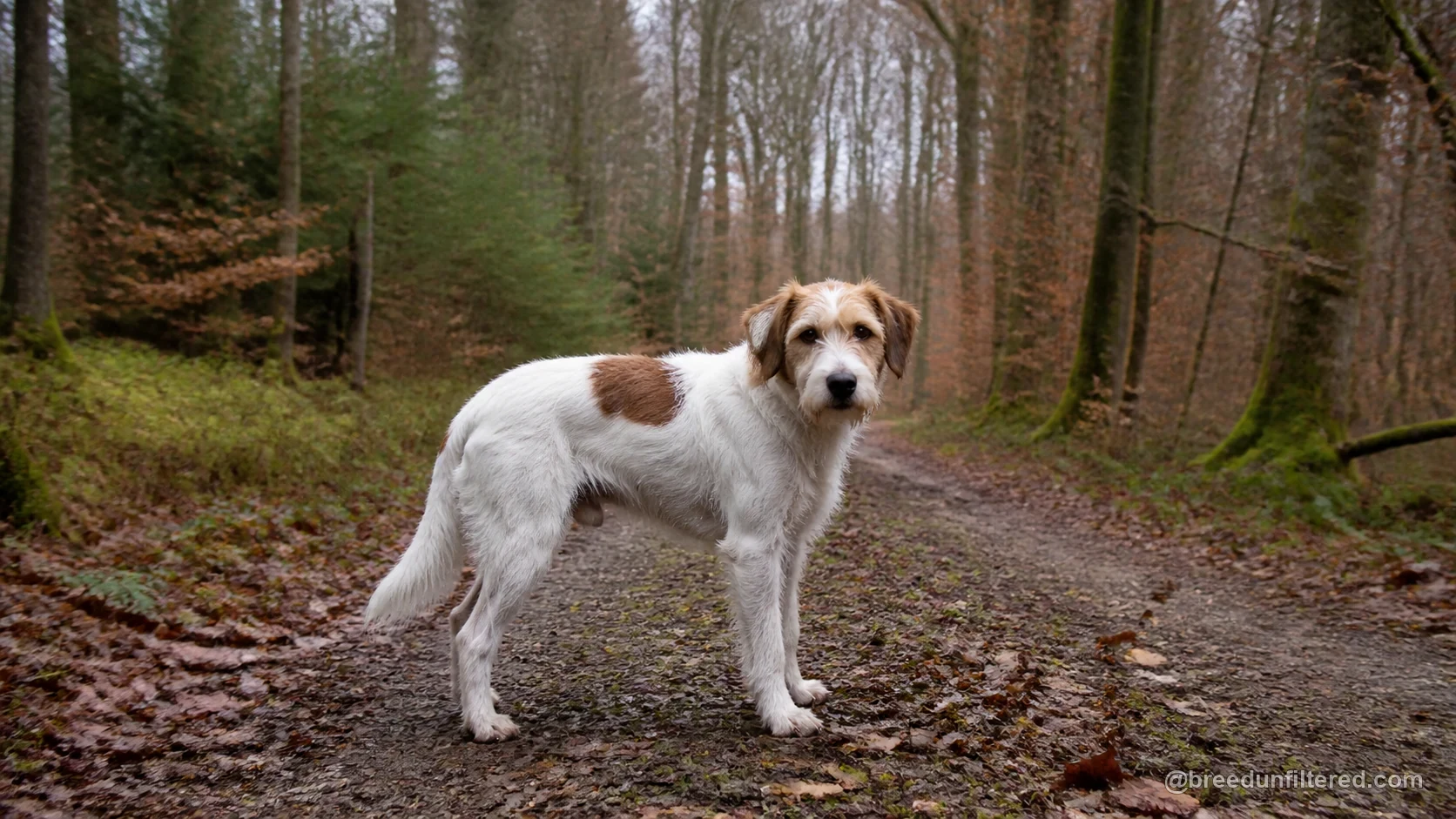
The Kromfohrländer is a rare German breed with a charming personality and a distinctive appearance. Developed after World War II, this companion dog has a devoted following among those who appreciate its intelligence and affectionate nature. As a member of FCI Group 9 (Companion and Toy Dogs), it is primarily bred to be a family companion, though it retains some terrier-like traits from its ancestry.
Prospective owners should understand that the Kromfohrländer is not a high-energy working dog but rather a lively and adaptable companion. It thrives on human interaction and can be a wonderful addition to the right household. However, its rarity means that finding a reputable breeder may require patience, and its temperament can vary from one individual to another. This guide aims to provide a balanced overview of what to expect when welcoming a Kromfohrländer into your life.
Origin and Purpose
The Kromfohrländer originated in Germany in the 1940s, created by a breeder named Ilse Schleifenbaum. The breed's foundation involved a cross between a Fox Terrier and a Griffon, resulting in a dog with a wiry coat and a lively disposition. The name 'Kromfohrländer' comes from the region where the breed was developed, the Krom Fohr area near Siegen. The breed was recognized by the FCI in 1955, and it remains relatively rare outside its native country.
Originally, the Kromfohrländer was intended to be a companion and watchdog, and it still serves that role today. Its terrier heritage contributes to its alertness and occasional tendency to bark, but it is not a working breed in the traditional sense. The breed's primary purpose is to provide companionship, and it excels in that capacity, forming strong bonds with its family. Understanding this origin helps prospective owners appreciate the breed's need for close human contact and its suitability as a family pet.
Temperament and Variation
Kromfohrländers are known for their friendly and affectionate nature. They are typically devoted to their families and enjoy being involved in daily activities. While they can be reserved with strangers, they are not usually aggressive. Individual temperament can vary, with some dogs being more outgoing and others more cautious. Early socialization is important to help them develop into well-rounded adults.
There are two coat varieties within the breed: rough-haired and smooth-haired. The rough-haired variety has a wiry, harsh coat, while the smooth-haired variety has a shorter, denser coat. Both types share the same temperament and care requirements, though grooming needs may differ slightly. Prospective owners should be aware that the breed's personality can be influenced by genetics and upbringing, so meeting the parents and observing the puppies can provide clues about their future temperament.
Exercise and Mental Work
The Kromfohrländer is a moderately active breed that requires daily exercise to stay healthy and happy. A couple of walks per day, along with some playtime in a securely fenced yard, is usually sufficient. They enjoy games of fetch and can participate in dog sports like agility or obedience, which provide both physical and mental stimulation. However, they are not high-energy dogs and will adapt to their owner's lifestyle, whether that means a suburban home or a city apartment, as long as they get enough activity.
Mental stimulation is equally important for this intelligent breed. Puzzle toys, training sessions, and interactive games can help prevent boredom and destructive behaviors. Because they are quick learners, they respond well to positive reinforcement training. Without adequate mental engagement, they may become restless or develop undesirable habits. Owners should plan to incorporate both physical exercise and mental challenges into their daily routine to keep their Kromfohrländer content.
Training and Socialisation
Training a Kromfohrländer is generally a rewarding experience due to their intelligence and eagerness to please. They respond best to positive reinforcement methods, such as treats, praise, and play. Harsh training techniques are counterproductive and can damage the trust between dog and owner. Consistency and patience are key, as with any breed. Early obedience training is recommended to establish good manners and a strong bond.
Socialisation is crucial for Kromfohrländers to become well-adjusted adults. Exposing them to a variety of people, animals, and environments from a young age helps reduce the likelihood of fearfulness or aggression. Puppy classes and regular outings can be beneficial. While they are generally good with other dogs and pets, individual temperament varies, and proper introductions are always advised. A well-socialised Kromfohrländer is typically confident and friendly.
Family and Other Pets
The Kromfohrländer makes an excellent family dog, especially for families with older children who understand how to interact with dogs respectfully. They are playful and affectionate, often forming strong bonds with all family members. However, like many small to medium breeds, they may not tolerate rough handling, so supervision with young children is recommended. They are generally good with other dogs and can live peacefully with cats if raised together, but their terrier instincts may lead them to chase small animals.
Because they are companion dogs, Kromfohrländers do not do well when left alone for long periods. They thrive on human interaction and may develop separation anxiety if left isolated. Families where someone is home most of the day are ideal. They are adaptable to various living situations, including apartments, as long as they receive adequate exercise and attention. Their moderate size and manageable exercise needs make them suitable for many households.
Grooming and Health
Grooming requirements for the Kromfohrländer depend on the coat variety. The rough-haired variety needs regular brushing, about two to three times a week, to prevent mats and tangles. They may also require occasional hand-stripping to maintain the coat's texture. The smooth-haired variety is easier to care for, with weekly brushing being sufficient. Both varieties shed moderately, and regular ear cleaning, nail trimming, and dental care are essential for overall health.
The Kromfohrländer is generally a healthy breed with a life expectancy of 12 to 15 years. However, like all breeds, they may be prone to certain health conditions, including patellar luxation and hip dysplasia. Reputable breeders screen their breeding dogs for these issues. It is important for owners to maintain regular veterinary check-ups and a balanced diet to support their dog's health. While the breed is not known for major health problems, responsible breeding and proactive care are crucial.
Costs and Responsibility
Owning a Kromfohrländer involves financial and time commitments. The initial cost of a puppy from a reputable breeder can be significant, often ranging from $1,500 to $3,000 or more, depending on location and demand. Additionally, owners should budget for food, veterinary care, grooming supplies, and training classes. Ongoing costs can add up, so it is important to be prepared for the financial responsibility of pet ownership.
Beyond financial costs, owning a Kromfohrländer requires a commitment of time and energy. They need daily exercise, mental stimulation, and social interaction. They are not a breed that can be left alone for long hours. Prospective owners should consider their lifestyle and ability to meet these needs. Adopting from a rescue or breed-specific organization is also an option, though these dogs are rare. Responsible ownership means providing a loving, stable home for the dog's entire life.
Clear answers
FREQUENTLY ASKED QUESTIONS
Are Kromfohrländers good with children?
Kromfohrländers can be good with children, especially when raised with them. They are playful and affectionate, but due to their small to medium size, they may be better suited to families with older children who know how to handle dogs gently. Supervision is always recommended to ensure safe interactions.
How much exercise does a Kromfohrländer need?
A Kromfohrländer needs moderate exercise, typically a daily walk or two and some playtime. They are not extremely high-energy, but they do enjoy activities like fetch and agility. Mental stimulation is also important to keep them engaged and prevent boredom.
Do Kromfohrländers shed a lot?
Kromfohrländers shed moderately. The rough-haired variety may shed less but requires more grooming to prevent mats, while the smooth-haired variety sheds a bit more but is easier to brush. Regular brushing helps manage shedding and keeps the coat healthy.
Are Kromfohrländers easy to train?
Kromfohrländers are intelligent and eager to please, making them relatively easy to train with positive reinforcement methods. They respond well to treats and praise. Consistency and early socialization are key to raising a well-behaved dog.
How rare is the Kromfohrländer breed?
The Kromfohrländer is a rare breed, especially outside of Germany. Finding a reputable breeder may require waiting lists and travel. It is important to do thorough research and ensure the breeder follows health testing and ethical practices.
Sources and further reading
Scores describe typical breed tendencies from 1 to 10. They are not a quality ranking or a prediction for an individual dog.
Size and presence3/10
CompactVery large
Physical strength3/10
LightExceptional
Energy level6/10
LowRelentless
Exercise demand5/10
ModestVery demanding
Mental work needed6/10
ModerateDaily job
Trainability7/10
ChallengingExceptional
Everyday manageability6/10
SpecialistStraightforward
First-time owner fit7/10
Poor fitGood fit
Family-life fit9/10
LimitedExcellent
Dog sociability8/10
SelectiveVery social
Prey drive4/10
LowVery high
Guarding tendency4/10
MinimalSerious
Independence5/10
Handler-focusedSelf-directed
Grooming demand7/10
LightHeavy
Apartment fit8/10
Poor fitGood fit