Complete breed guide
Ibizan Podenco OWNERSHIP GUIDE
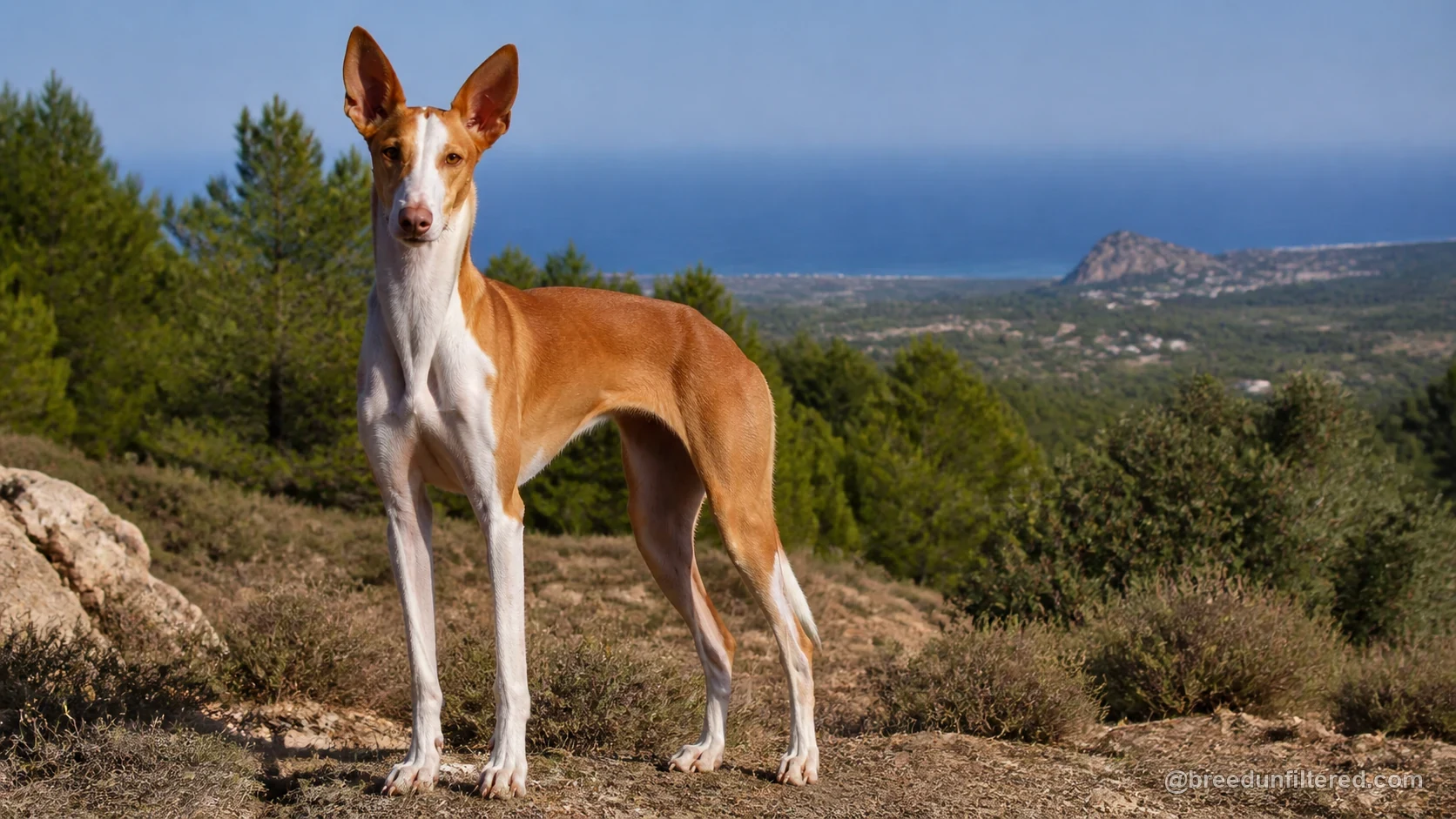
The Ibizan Podenco, an ancient breed from the Balearic Islands, is a study in contrasts: a graceful, deer-like sighthound with a playful, clownish side. Known for its large, upright ears and striking amber eyes, this breed has hunted rabbits for millennia, using its keen sight and hearing. Yet, in the home, it can be a gentle, affectionate companion, often forming deep bonds with its family while retaining a touch of feline independence.
Prospective owners should understand that the Ibizan Podenco is not a typical lapdog. It is an athletic, intelligent, and sensitive breed that thrives with mental and physical engagement. While it can adapt to various living situations, its strong prey drive and independent nature require thoughtful management. This article offers a balanced overview of the breed's characteristics, care, and challenges, helping you decide if this elegant hunter is the right match for your lifestyle.
Origin and Purpose
The Ibizan Podenco, known as the 'Podenco Ibicenco' in Spanish, hails from the Balearic Islands, particularly Ibiza and Formentera. Its ancestors likely arrived with Phoenician traders and Egyptian merchants, making it one of the oldest dog breeds in the Mediterranean. Historically, these dogs were used for hunting rabbits, a task they performed with remarkable skill, using both sight and scent, and often working in packs.
The breed's form follows its function: a lean, agile body, large erect ears for sound detection, and a light, springy gait that allows it to navigate rocky terrain. Despite its ancient lineage, the Ibizan Podenco was not officially recognized by the FCI until 1954, with the standard number 89. Today, it remains a versatile hunting dog and a loyal companion, though its numbers are still relatively small outside its native region.
Temperament and Variation
Ibizan Podencos are known for their gentle, loyal, and sensitive nature. They often form strong attachments to their human family and can be reserved with strangers, though they are not typically aggressive. Their temperament can vary, with some individuals being more outgoing and others more aloof, but most share a playful, even clownish, streak that endears them to their owners. They are also known for their 'smile' – a submissive grin that can be mistaken for a snarl.
This breed is highly intelligent and independent, traits that can be both charming and challenging. They are not typically 'velcro dogs' but rather affectionate on their own terms. They are also known for their cat-like behaviors, such as perching on furniture and using their paws to manipulate objects. Understanding and appreciating this independent spirit is key to a harmonious relationship with an Ibizan Podenco.
Exercise and Mental Work
As a sighthound, the Ibizan Podenco requires regular, vigorous exercise to stay physically and mentally healthy. They excel in activities like lure coursing, agility, and hiking, where they can use their speed and agility. However, their exercise needs are not extreme; a few good runs and daily walks can suffice, provided they also receive mental stimulation. Without adequate outlets, they may become restless or develop destructive behaviors.
Mental work is equally important. Puzzle toys, nose work, and training sessions that challenge their problem-solving skills can help keep their minds sharp. Because they are independent thinkers, they may not always be eager to please, so training should be creative and rewarding. Owners should be prepared to provide a variety of activities to prevent boredom and channel their energy positively.
Training and Socialisation
Training an Ibizan Podenco requires patience, consistency, and a positive, reward-based approach. They are sensitive and do not respond well to harsh methods, which can damage their trust. Early socialisation is crucial to help them become well-adjusted adults, as they can be shy or wary of unfamiliar people and situations. Exposing them to various environments, sounds, and people in a controlled manner can build their confidence.
Their independent nature means they may not always be motivated to obey, so training sessions should be short, engaging, and varied. Using high-value treats and play as rewards can be effective. It's also important to teach a reliable recall, as their prey drive can override their desire to return. Many owners find that enrolling in obedience classes or working with a professional trainer who understands sighthounds is beneficial.
Family and Other Pets
Ibizan Podencos can make wonderful family companions, especially in homes with older children who understand how to interact respectfully with dogs. They are generally gentle and playful, but their size and energy can be overwhelming for very young children. They thrive on being included in family activities and may become anxious if left alone for long periods. They are not typically guard dogs, but they will alert their owners to unusual sights or sounds.
Regarding other pets, the Ibizan Podenco's strong prey drive can be a concern. They may view small animals like rabbits, guinea pigs, or cats as prey, though some individuals can live peacefully with cats if raised together. Early and consistent socialisation can help, but it is not a guarantee. Owners should always supervise interactions and provide secure fencing to prevent escapes in pursuit of prey.
Grooming and Health
The Ibizan Podenco is a low-maintenance breed when it comes to grooming. Their short, smooth coat requires only occasional brushing to remove loose hair, and they are generally clean dogs with little odor. They do shed, but not excessively. Routine care such as nail trimming, ear cleaning, and dental hygiene should be part of their regular grooming regimen.
Health-wise, the breed is generally robust, but like all purebreds, they can be prone to certain conditions. These may include hip dysplasia, eye disorders, and allergies. Responsible breeders screen for these issues, but prospective owners should be aware of potential health costs. Regular veterinary check-ups and a healthy diet are essential to maintaining their well-being. It's also important to note that their lean build means they have little body fat, making them sensitive to cold weather and anesthesia.
Costs and Responsibility
Owning an Ibizan Podenco involves significant financial and time commitments. Initial costs include the purchase price from a reputable breeder, which can be substantial, as well as supplies like a crate, bedding, and food. Ongoing expenses include high-quality dog food, routine veterinary care, vaccinations, and preventive medications. Emergency medical care and pet insurance are also important considerations.
Beyond finances, responsible ownership means providing proper training, socialisation, and a safe environment. This breed needs secure fencing to prevent escapes, and they are not suited to a life of confinement. They require daily exercise and mental stimulation, which demands time and energy from their owner. Prospective owners should also consider the breed's lifespan of 11-14 years and be prepared for the long-term commitment. Adopting from a rescue or breed-specific organization is another option worth exploring.
Clear answers
FREQUENTLY ASKED QUESTIONS
Are Ibizan Podencos good with children?
Ibizan Podencos can be good with children, especially when raised with them and properly socialized. They are generally gentle and playful, but their size and energy may be too much for very young children. It's important to teach children how to interact respectfully with the dog and to supervise interactions. As with any breed, individual temperament varies, so early socialisation and positive experiences are key.
Do Ibizan Podencos bark a lot?
Ibizan Podencos are not typically excessive barkers, but they will use their voice to alert their owners to something unusual. They may also bark when excited or during play. However, they are not known for nuisance barking. Their vocalizations can include a variety of sounds, from barks to howls, and they may 'talk' to their owners. Proper training and mental stimulation can help manage any excessive barking.
Can Ibizan Podencos live in apartments?
Ibizan Podencos can adapt to apartment living if their exercise needs are met. They are relatively inactive indoors and can be calm, but they require daily vigorous exercise and mental stimulation. Access to a securely fenced yard is ideal, but not essential if they get enough walks and runs. However, their prey drive means they should always be on a leash when outside, and they may not be suitable for homes with small pets.
Are Ibizan Podencos easy to train?
Ibizan Podencos are intelligent but independent, which can make training a challenge. They respond best to positive reinforcement methods, such as treats and play, and they do not respond well to harsh corrections. Consistency and patience are essential. Early socialisation and obedience training are recommended. Their independent nature means they may not always be eager to please, so training should be engaging and rewarding.
Do Ibizan Podencos have a high prey drive?
Yes, Ibizan Podencos have a strong prey drive, a trait that was essential for their historical role as rabbit hunters. This means they may chase small animals, including cats, squirrels, and other pets. It is crucial to have a securely fenced yard and to keep them on a leash when out. With early socialisation, some individuals can live peacefully with cats, but it is not guaranteed. Owners must be vigilant to prevent accidents.
Sources and further reading
Scores describe typical breed tendencies from 1 to 10. They are not a quality ranking or a prediction for an individual dog.
Size and presence5/10
CompactVery large
Physical strength6/10
LightExceptional
Energy level9/10
LowRelentless
Exercise demand9/10
ModestVery demanding
Mental work needed8/10
ModerateDaily job
Trainability6/10
ChallengingExceptional
Everyday manageability2/10
SpecialistStraightforward
First-time owner fit3/10
Poor fitGood fit
Family-life fit6/10
LimitedExcellent
Dog sociability6/10
SelectiveVery social
Prey drive10/10
LowVery high
Guarding tendency6/10
MinimalSerious
Independence9/10
Handler-focusedSelf-directed
Grooming demand6/10
LightHeavy
Apartment fit4/10
Poor fitGood fit