Complete breed guide
Shar Pei OWNERSHIP GUIDE
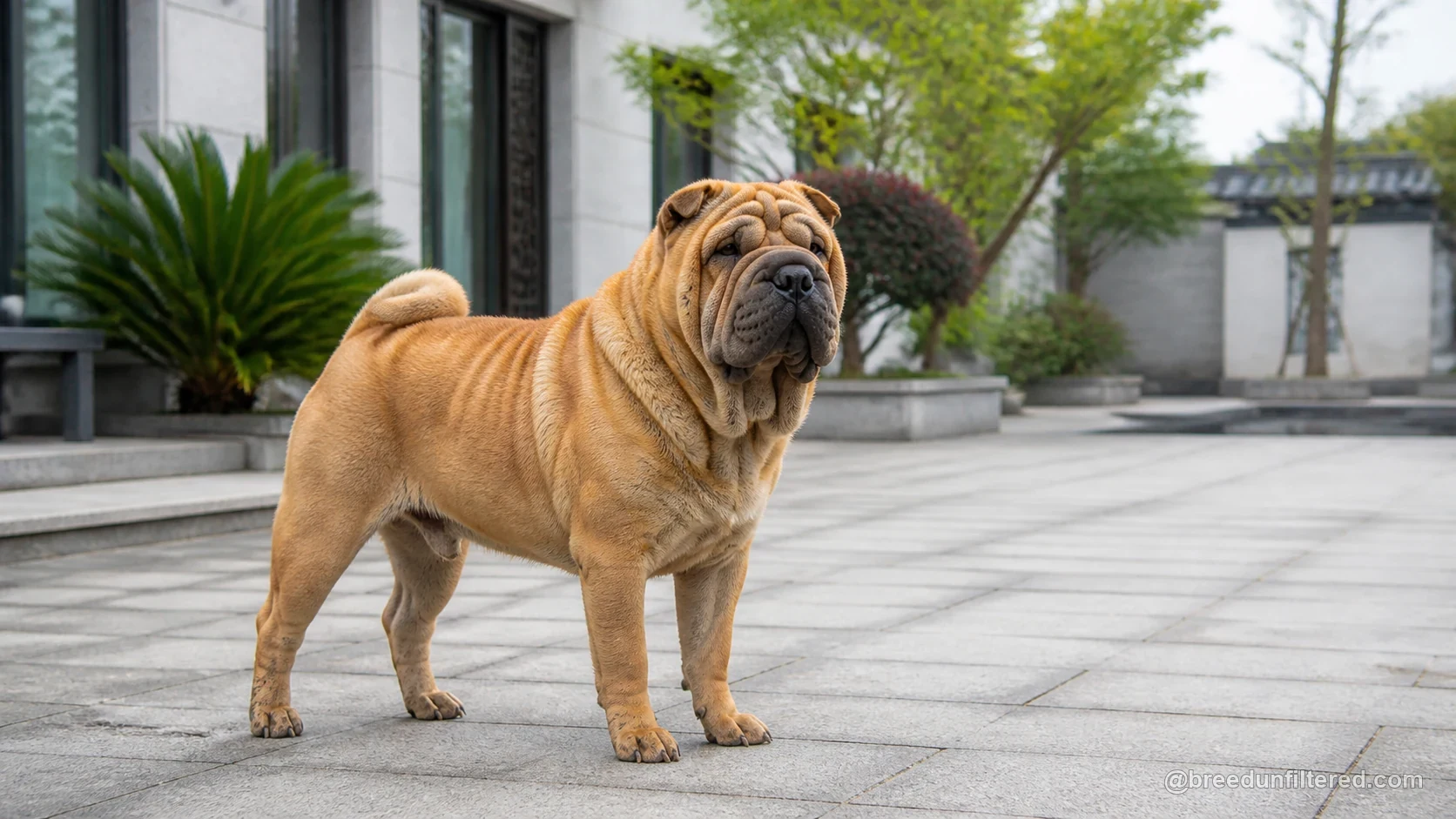
The Shar Pei is an ancient breed with a distinctive wrinkled appearance and a calm, devoted nature. Originating in southern China, these dogs were historically used for guarding, hunting, and herding. Today, they are known for their loyalty and independence, but they also present unique challenges that require an experienced owner.
Before welcoming a Shar Pei into your home, it's essential to understand their specific needs. This guide covers their origin, temperament, exercise requirements, training, family compatibility, grooming, health considerations, and the financial commitment involved. By the end, you'll have a realistic picture of what life with a Shar Pei entails.
Origin and Purpose
The Shar Pei's history traces back to ancient China, where they were bred for various roles including guarding livestock, hunting, and even dog fighting. Their loose, wrinkled skin and prickly coat gave them an advantage in these pursuits, protecting them from bites and allowing them to twist in a fight. The breed's name translates to 'sand skin,' referring to the harsh texture of their coat.
By the mid-20th century, the Shar Pei was nearly extinct, but a dedicated group of breeders in Hong Kong and later the United States worked to revive the breed. Today, the Shar Pei is recognized by the FCI and other major kennel clubs, and while they are no longer used for fighting, they retain the protective instincts and independent nature that were once essential for their survival.
Temperament and Variation
Shar Peis are known for their calm, loyal, and somewhat aloof demeanor. They form strong bonds with their families and can be very devoted, but they are often wary of strangers. This makes them excellent watchdogs, but it also means they require careful socialization from an early age to prevent excessive suspicion or aggression. Individual temperaments can vary, with some being more outgoing and others more reserved.
There are two main coat types: the 'horse coat' and the 'brush coat,' with the horse coat being shorter and pricklier. While coat type can influence grooming needs, it does not significantly alter temperament. However, it's important to note that the Shar Pei's independent streak means they are not always eager to please, and they may have a stubborn side that requires patient, consistent training.
Exercise and Mental Work
Shar Peis have moderate exercise needs. They enjoy daily walks and playtime, but they are not high-energy dogs that require hours of vigorous activity. A couple of 20-30 minute walks per day, along with some interactive play, is generally sufficient to keep them physically satisfied. However, they can become lazy if not encouraged, so regular activity is important to prevent obesity.
Mental stimulation is equally crucial. Shar Peis are intelligent and can become bored easily, leading to destructive behaviors. Puzzle toys, scent games, and basic obedience training can help keep their minds engaged. They also benefit from having a job, such as learning to carry a backpack or participating in canine sports like nose work, which taps into their natural abilities.
Training and Socialisation
Training a Shar Pei requires patience and a calm, consistent approach. They respond best to positive reinforcement techniques, such as treats and praise, rather than harsh corrections. Because they are independent thinkers, they may test boundaries, so early and ongoing training is essential. Short, varied sessions are more effective than long, repetitive ones, as Shar Peis can become bored quickly.
Socialisation is critical from a young age. Exposing your Shar Pei to a wide range of people, animals, and environments helps them develop into well-adjusted adults. Without proper socialisation, they may become overly protective or fearful. Puppy classes and controlled introductions to other dogs are excellent ways to build their confidence and teach them appropriate social skills.
Family and Other Pets
Shar Peis can be wonderful family companions, especially for families with older children who understand how to interact respectfully with dogs. They are generally gentle and patient, but their independent nature means they may not tolerate rough handling or excessive attention. Supervision is recommended when they are around young children to ensure both the child and the dog are comfortable.
When it comes to other pets, Shar Peis can be selective. They may get along with dogs they are raised with, but they can be territorial and may not accept unfamiliar dogs, especially of the same sex. Their prey drive can be moderate to high, so they may not be suitable for homes with small animals like cats or rabbits unless they are raised with them from puppyhood. Early socialisation and careful introductions are key.
Grooming and Health
Grooming a Shar Pei is relatively low-maintenance. Their short coat requires weekly brushing to remove loose hair, and they shed moderately. However, their wrinkles need special attention. The folds must be kept clean and dry to prevent skin infections, especially in the facial area. Regular ear cleaning is also important, as their narrow ear canals can trap moisture and debris.
Shar Peis are prone to certain health issues, including skin problems, eye conditions like entropion, and hip dysplasia. They also have a higher risk of developing a condition called Shar Pei fever, which is a hereditary inflammatory disorder. Prospective owners should be aware of these potential health concerns and seek a reputable breeder who screens for these issues. Regular veterinary check-ups are essential to maintain their health.
Costs and Responsibility
Owning a Shar Pei involves significant financial commitment. Initial costs include the purchase price from a reputable breeder, which can be high, as well as supplies like a crate, bed, and grooming tools. Ongoing expenses include high-quality food, routine veterinary care, vaccinations, and preventive medications. Additionally, because Shar Peis are prone to certain health conditions, pet insurance or a dedicated savings fund is highly recommended.
Beyond finances, owning a Shar Pei is a long-term responsibility. These dogs can live 8-12 years, and they require daily exercise, mental stimulation, and consistent training. They are not a breed for first-time owners or those who are away from home frequently. A Shar Pei thrives in a home where someone is willing to invest time and effort into their care, and where they can be a true member of the family.
Clear answers
FREQUENTLY ASKED QUESTIONS
Are Shar Peis good with children?
Shar Peis can be good with children, especially if they are raised together and the children are taught to respect the dog's space. They are generally patient and loyal, but their independent nature means they may not tolerate rough handling. Supervision is always recommended, and it's important to teach children how to interact safely with any dog.
Do Shar Peis require a lot of grooming?
Shar Peis have a short coat that requires weekly brushing, but their wrinkles need daily attention. The folds must be kept clean and dry to prevent skin infections. Regular ear cleaning is also necessary due to their narrow ear canals. Overall, grooming is manageable but requires consistency.
Are Shar Peis aggressive?
Shar Peis are not inherently aggressive, but they are protective and can be wary of strangers. Without proper socialisation, they may become overly suspicious or territorial. Early and ongoing socialisation, along with positive training, can help them become well-adjusted and confident dogs.
How much exercise does a Shar Pei need?
Shar Peis have moderate exercise needs. A couple of 20-30 minute walks per day, plus some playtime, is usually sufficient. They are not high-energy dogs, but they do need regular activity to prevent boredom and obesity. Mental stimulation is also important to keep them engaged.
What health issues are common in Shar Peis?
Shar Peis are prone to skin problems, eye conditions like entropion, hip dysplasia, and a hereditary condition called Shar Pei fever. Regular veterinary check-ups and screening by breeders can help manage these risks. Prospective owners should be prepared for potential health expenses.
Sources and further reading
Scores describe typical breed tendencies from 1 to 10. They are not a quality ranking or a prediction for an individual dog.
Size and presence8/10
CompactVery large
Physical strength8/10
LightExceptional
Energy level7/10
LowRelentless
Exercise demand7/10
ModestVery demanding
Mental work needed7/10
ModerateDaily job
Trainability7/10
ChallengingExceptional
Everyday manageability3/10
SpecialistStraightforward
First-time owner fit3/10
Poor fitGood fit
Family-life fit6/10
LimitedExcellent
Dog sociability4/10
SelectiveVery social
Prey drive6/10
LowVery high
Guarding tendency8/10
MinimalSerious
Independence7/10
Handler-focusedSelf-directed
Grooming demand5/10
LightHeavy
Apartment fit3/10
Poor fitGood fit