Complete breed guide
Giant Schnauzer OWNERSHIP GUIDE
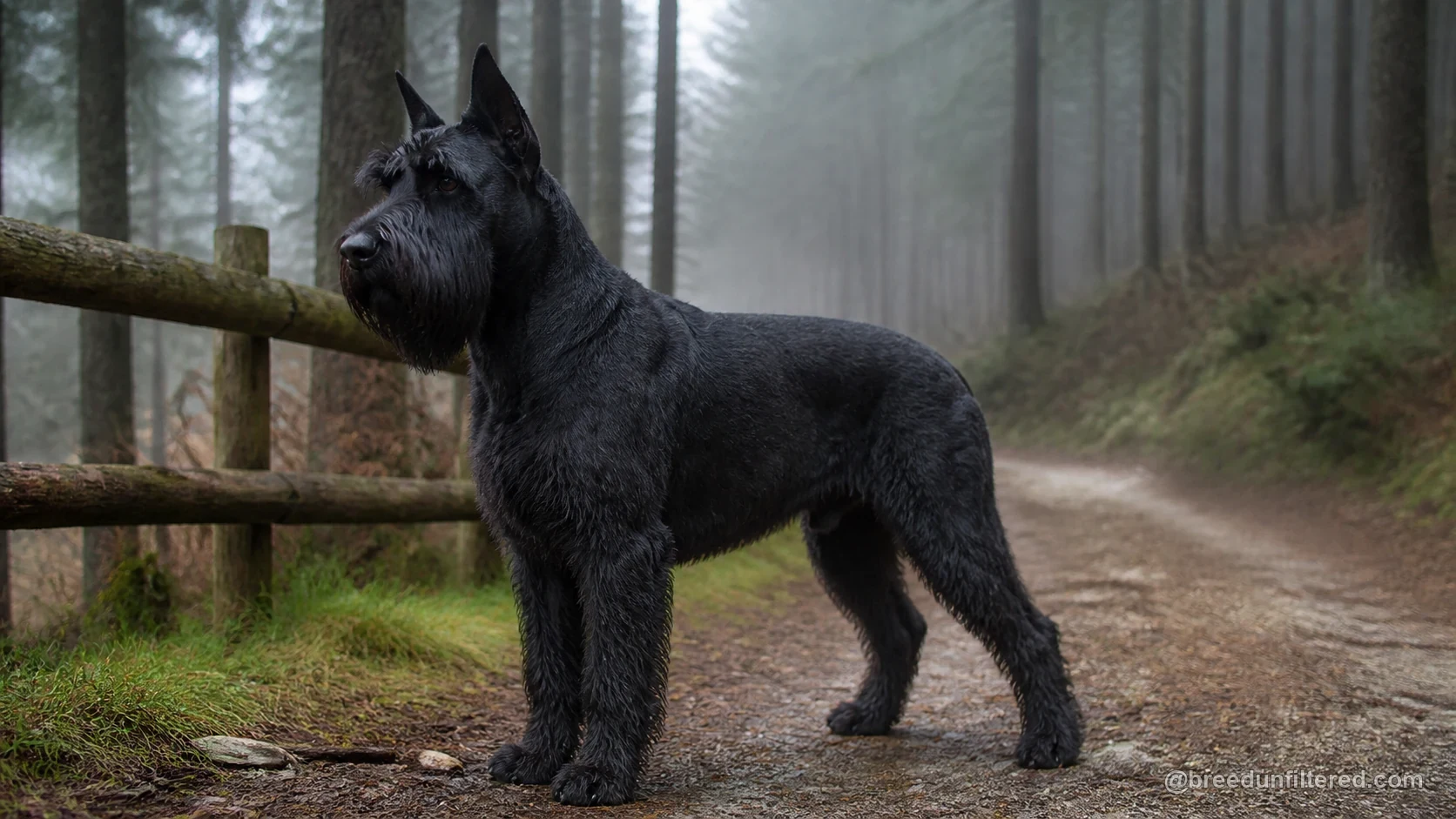
The Giant Schnauzer is a striking and powerful breed, originally developed in the Bavarian Alps as a versatile working dog. Known for its robust build, distinctive beard, and keen intelligence, this breed has served as a cattle driver, butcher's dog, and later as a police and military working dog. Today, the Giant Schnauzer excels in various roles, from devoted family companion to formidable guardian, but it is not a breed for everyone.
Prospective owners should be prepared for a high-energy, strong-willed dog that demands consistent training, ample exercise, and early socialization. The Giant Schnauzer is a confident and loyal breed that forms deep bonds with its family, yet it can be aloof with strangers and assertive with other dogs. This article provides an in-depth look at the breed's characteristics, care requirements, and the responsibilities that come with owning such a remarkable animal.
Origin and Purpose
The Giant Schnauzer traces its roots to the Swabian region of Germany, where it was developed by crossing the Standard Schnauzer with larger herding and drover dogs, possibly including the Great Dane and the Bouvier des Flandres. The breed was initially used to drive cattle from farm to market, a task that required strength, endurance, and a certain level of independence. As the need for cattle driving declined, the Giant Schnauzer found new roles in the military and police, where its intelligence and protective instincts were highly valued.
The breed's official recognition came in 1925, and it was later classified in FCI Group 2, which includes Pinschers and Schnauzers, Molossoid breeds, and Swiss Mountain and Cattle Dogs. The FCI standard number 181 describes the Giant Schnauzer as a 'powerful, robust, and well-muscled' dog, with a lively, calm, and balanced temperament. This heritage as a working dog has shaped the breed's modern character, making it a capable and versatile companion for those who can meet its needs.
Temperament and Variation
The Giant Schnauzer is known for its confident, alert, and fearless temperament. It is a breed that is typically loyal and devoted to its family, often forming a particularly strong bond with one person. While it can be affectionate with those it knows, it tends to be reserved and wary of strangers, making it an excellent watchdog. This breed is not typically aggressive without reason, but it will not hesitate to protect its home and loved ones if it perceives a threat.
Individual temperament can vary, influenced by genetics, socialization, and training. Some Giant Schnauzers may be more outgoing, while others are more aloof. Early and ongoing socialization is crucial to help them distinguish between normal and threatening situations. The breed's high intelligence and independent streak mean that it can be stubborn at times, but with consistent, positive training methods, it can be a reliable and well-mannered companion. It is important to note that this breed is not recommended for first-time dog owners due to its strong will and need for experienced handling.
Exercise and Mental Work
The Giant Schnauzer is a high-energy breed that requires substantial daily exercise to stay physically and mentally healthy. A typical adult will benefit from at least an hour of vigorous activity, such as brisk walks, jogging, or play sessions in a securely fenced area. However, exercise alone is not enough; this intelligent breed also needs mental stimulation to prevent boredom and destructive behaviors. Puzzle toys, obedience training, and activities like agility, tracking, or cart pulling can provide the mental challenges they crave.
Without adequate exercise and mental work, a Giant Schnauzer may become restless, anxious, or develop behavioral issues such as excessive barking or chewing. It is essential for owners to incorporate both physical and mental activities into their daily routine. The breed's working heritage means it thrives when it has a job to do, so engaging in dog sports or structured tasks can be highly rewarding for both dog and owner. Prospective owners should be prepared to commit time and energy to meet these needs consistently.
Training and Socialisation
Training a Giant Schnauzer requires patience, consistency, and a firm but fair approach. This breed is intelligent and learns quickly, but it can also be independent and stubborn, so it is essential to establish clear leadership from the start. Positive reinforcement methods, such as treats and praise, work best, as harsh corrections can damage the trust between dog and owner. Early obedience training is crucial to channel the breed's energy and intelligence into appropriate behaviors.
Socialisation is equally important, especially during the puppy period. Exposing the Giant Schnauzer to a variety of people, animals, environments, and situations helps it develop into a well-adjusted adult. Without proper socialisation, the breed's natural wariness of strangers can become excessive, leading to over-protectiveness or fearfulness. It is also important to manage interactions with other dogs, as Giant Schnauzers can be assertive and may not tolerate same-sex aggression. A well-socialised Giant Schnauzer can coexist peacefully with other pets if introduced properly, but supervision is always recommended.
Family and Other Pets
The Giant Schnauzer can make a wonderful family dog for the right household. It is typically gentle and protective with children it knows, and it can be a playful and loyal companion. However, due to its large size and boisterous nature, it may inadvertently knock over small children, so supervision is necessary. The breed is best suited to families with older children who understand how to interact respectfully with dogs. It is also important to note that the Giant Schnauzer may be too much for a household with very young children or elderly individuals who cannot handle its strength.
When it comes to other pets, the Giant Schnauzer's compatibility varies. With proper socialisation, it can live peacefully with other dogs, especially if they are of the opposite sex. However, it may have a high prey drive towards small animals such as cats, rabbits, or rodents, so introductions should be done carefully and gradually. The breed's guarding instincts mean it may be territorial, so it is essential to establish rules and boundaries early. Overall, the Giant Schnauzer is best suited to a home where it is the primary pet or where other animals are introduced with patience and supervision.
Grooming and Health
The Giant Schnauzer has a wiry, double coat that requires regular grooming to keep it in good condition. Weekly brushing is necessary to remove loose hair and prevent mats, and the beard and eyebrows need special attention to keep them clean and free of food debris. Many owners choose to have the coat professionally stripped or clipped several times a year to maintain its texture and appearance. The breed is a moderate shedder, but grooming is a significant commitment that should not be underestimated.
As with many large breeds, the Giant Schnauzer is prone to certain health conditions, including hip dysplasia, eye disorders, and hypothyroidism. Responsible breeders screen their breeding stock for these issues, but prospective owners should be aware of the potential costs and care involved. Regular veterinary check-ups, a balanced diet, and appropriate exercise can help maintain overall health. The breed's average lifespan is around 10 to 12 years, which is typical for a dog of its size. It is essential to obtain a puppy from a reputable breeder who prioritizes health and temperament.
Costs and Responsibility
Owning a Giant Schnauzer is a significant financial and time commitment. The initial cost of a puppy from a reputable breeder can be substantial, and ongoing expenses include high-quality food, routine veterinary care, grooming, and training classes. The breed's size means that food and medication costs are higher than for smaller dogs, and its grooming needs may require professional services. Additionally, the Giant Schnauzer's exercise and mental stimulation requirements demand a considerable amount of the owner's time and energy.
Beyond financial costs, prospective owners must be prepared for the responsibility of managing a powerful and intelligent dog. This includes providing secure fencing, ensuring proper containment, and being vigilant about socialization and training. The Giant Schnauzer is not a breed that can be left alone for long periods or ignored; it thrives on human interaction and purpose. Those who are willing to invest the time, effort, and resources will be rewarded with a loyal and capable companion, but it is not a decision to be taken lightly.
Clear answers
FREQUENTLY ASKED QUESTIONS
Is the Giant Schnauzer a good family dog?
The Giant Schnauzer can be a good family dog for experienced owners with older children. It is loyal, protective, and can be gentle with family members, but its large size and high energy may be overwhelming for toddlers. Early socialization and training are essential to ensure it interacts safely with children and other pets.
How much exercise does a Giant Schnauzer need?
A Giant Schnauzer needs at least an hour of vigorous exercise daily, such as brisk walks, jogging, or play sessions. In addition, it requires mental stimulation through training, puzzle toys, or dog sports. Without sufficient exercise and mental work, it may develop behavioral issues.
Are Giant Schnauzers aggressive?
Giant Schnauzers are not inherently aggressive, but they are protective and can be wary of strangers. With proper socialization and training, they can be well-mannered and discriminate between real threats and normal situations. However, they may show dog aggression, especially towards same-sex dogs, so supervision is important.
Do Giant Schnauzers shed a lot?
Giant Schnauzers are moderate shedders. Their wiry coat requires regular brushing to remove loose hair and prevent mats. Many owners opt for professional grooming, including stripping or clipping, to maintain the coat. The beard and eyebrows need daily cleaning to avoid food and dirt buildup.
Is the Giant Schnauzer suitable for first-time dog owners?
No, the Giant Schnauzer is generally not recommended for first-time dog owners. Its strong will, high energy, and protective instincts require an experienced handler who can provide firm, consistent training and leadership. Novice owners may struggle to manage this powerful breed.
Sources and further reading
Scores describe typical breed tendencies from 1 to 10. They are not a quality ranking or a prediction for an individual dog.
Size and presence8/10
CompactVery large
Physical strength9/10
LightExceptional
Energy level7/10
LowRelentless
Exercise demand8/10
ModestVery demanding
Mental work needed7/10
ModerateDaily job
Trainability5/10
ChallengingExceptional
Everyday manageability1/10
SpecialistStraightforward
First-time owner fit4/10
Poor fitGood fit
Family-life fit6/10
LimitedExcellent
Dog sociability3/10
SelectiveVery social
Prey drive8/10
LowVery high
Guarding tendency9/10
MinimalSerious
Independence9/10
Handler-focusedSelf-directed
Grooming demand7/10
LightHeavy
Apartment fit3/10
Poor fitGood fit