Complete breed guide
Yakutian Laika OWNERSHIP GUIDE
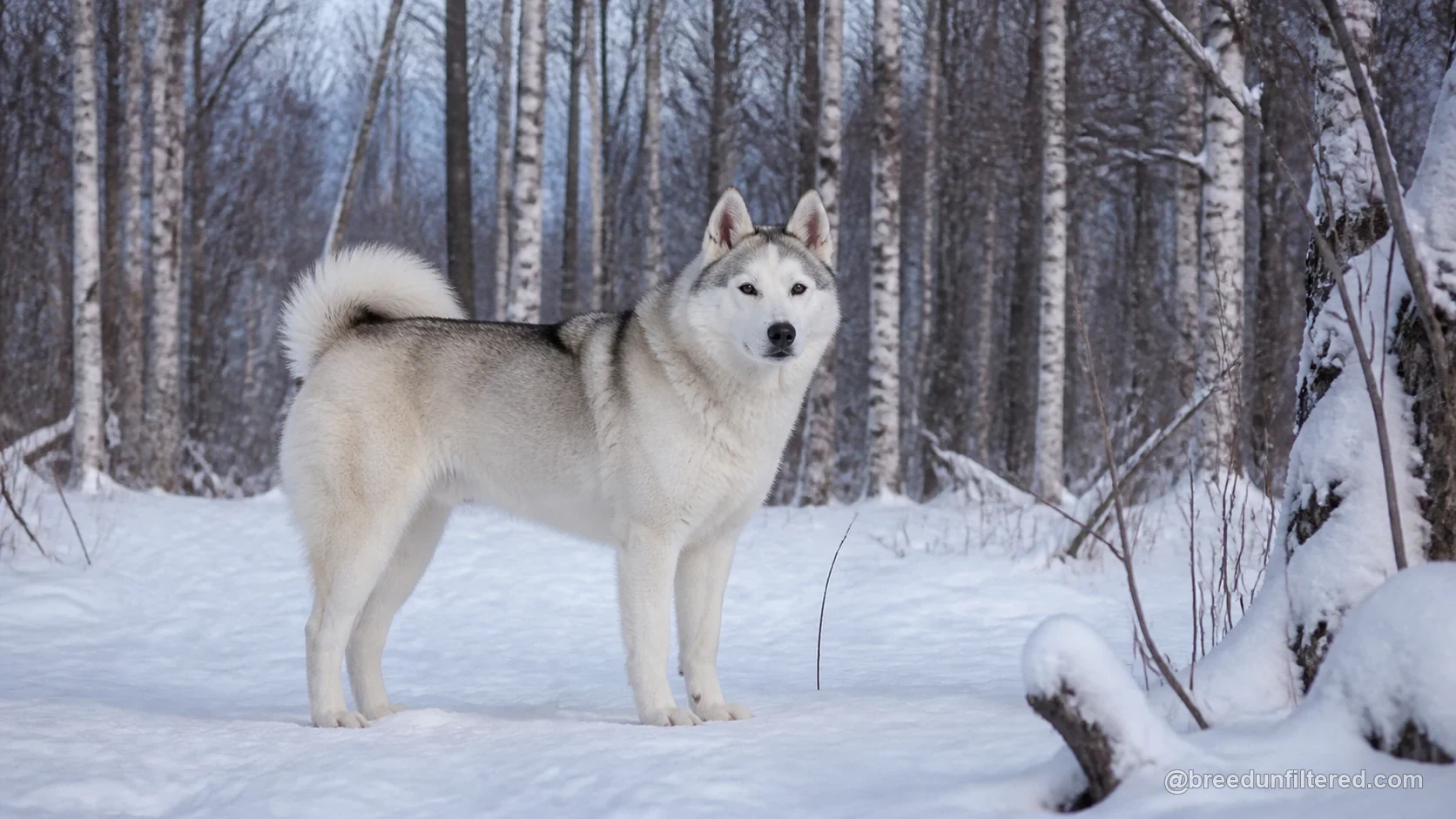
The Yakutian Laika is a spitz-type sled dog from the Sakha Republic in northeastern Russia, a region known for its extreme cold. Historically, these dogs were indispensable to the Yakut people, pulling sleds, hunting, and herding reindeer. Their resilience and versatility have made them a treasured working companion in their homeland, and they are now gaining attention internationally as a rare and distinctive breed.
For prospective owners, the Yakutian Laika offers a blend of athleticism, intelligence, and a friendly, social nature. However, they are not a low-maintenance companion. They require substantial exercise, mental stimulation, and consistent training to thrive. This guide aims to provide a balanced, evidence-conscious overview of the breed, helping you decide if a Yakutian Laika is the right fit for your lifestyle.
Origin and Purpose
The Yakutian Laika originates from the Yakutia region of Siberia, where the indigenous Yakut people developed them as multi-purpose working dogs. They were used for pulling sleds, hunting game, and herding reindeer, tasks that demanded endurance, strength, and adaptability to harsh Arctic conditions. The breed's history is closely tied to the survival of the Yakut people, and they were often considered family members.
Today, the Yakutian Laika is still used for sledding and hunting in its native region, but it has also become a companion animal in other parts of the world. The breed was provisionally recognized by the FCI in 2019 under standard number 365, reflecting its growing international presence. Despite this recognition, the breed remains relatively rare outside of Russia, and prospective owners should be prepared for limited availability and potential import costs.
Temperament and Variation
Yakutian Laikas are known for their friendly, outgoing, and social temperament. They are typically affectionate with their families and often get along well with children and other dogs. However, like many spitz breeds, they can be independent and may have a strong prey drive, which can make them unsuitable for homes with small pets unless carefully socialized. Individual variation exists, so early experiences and training play a significant role in shaping behavior.
These dogs are alert and vocal, often using their voice to communicate, which can be a consideration for those living in close quarters. They are not typically aggressive, but they can be reserved with strangers, making them decent watchdogs. Their intelligence and eagerness to please make them trainable, but they also have a stubborn streak that requires patience and positive reinforcement methods.
Exercise and Mental Work
As a working breed, the Yakutian Laika has high exercise needs. They thrive on activities that engage both body and mind, such as running, hiking, and dog sports like canicross or bikejoring. A daily vigorous walk or run is essential, but they also benefit from off-leash time in a securely fenced area where they can explore and burn off energy. Without adequate exercise, they may become restless and develop destructive behaviors.
Mental stimulation is equally important. Puzzle toys, obedience training, and scent work can help keep their intelligent minds occupied. They are quick learners and enjoy tasks that challenge them, but they can become bored easily. Owners should be prepared to provide a variety of activities to prevent boredom and channel their energy constructively. A tired Yakutian Laika is a happy and well-behaved companion.
Training and Socialisation
Training a Yakutian Laika requires consistency, patience, and positive reinforcement. They respond well to reward-based methods, but they can be sensitive to harsh corrections. Early socialization is crucial to help them become well-adjusted adults, exposing them to various people, animals, and environments. Puppy classes and regular outings can help build their confidence and reduce the likelihood of fearfulness or reactivity.
Because of their independent nature, they may test boundaries, so owners need to establish clear rules and be consistent. They are intelligent and can excel in obedience and agility, but they may also have a mind of their own. Training sessions should be short and engaging to hold their attention. With the right approach, they can be a joy to train, but they are not recommended for first-time owners who lack experience with strong-willed breeds.
Family and Other Pets
Yakutian Laikas can make wonderful family dogs, especially in active households. They are typically affectionate with children and enjoy being part of family activities. However, due to their size and energy, they may inadvertently knock over small children, so supervision is recommended. They are generally tolerant and playful, but like any dog, they need to be taught appropriate behavior around kids.
When it comes to other pets, early socialization is key. They may get along with other dogs, especially if raised together, but their prey drive can be triggered by small animals like cats, rabbits, or rodents. It is not uncommon for them to chase or even harm smaller pets, so careful introductions and management are necessary. Prospective owners with small pets should consider whether they can safely manage this breed's instincts.
Grooming and Health
The Yakutian Laika has a thick double coat that sheds heavily, especially during seasonal changes. Regular brushing, at least two to three times a week, is necessary to manage loose fur and prevent matting. During shedding season, daily brushing may be required. They are generally clean dogs and do not need frequent baths, but their nails should be trimmed regularly, and their ears checked for debris.
As a relatively rare breed, there is limited health data available. However, like many spitz breeds, they may be prone to certain conditions such as hip dysplasia, eye disorders, and dental issues. Responsible breeders should screen their breeding stock for these conditions. Prospective owners should ask about health clearances and be prepared for potential veterinary costs. A healthy diet and regular exercise can help maintain their overall well-being.
Costs and Responsibility
Owning a Yakutian Laika involves significant financial and time commitments. Initial costs include the purchase price, which can be high due to the breed's rarity, as well as supplies like crates, bedding, and grooming tools. Ongoing expenses include high-quality food, routine veterinary care, vaccinations, and preventive medications. Emergency medical care and pet insurance should also be considered.
Beyond finances, this breed requires a dedicated owner who can provide ample exercise, mental stimulation, and training. They are not suited to apartment living unless the owner is exceptionally active and can meet their needs. Prospective owners should also consider the long-term commitment, as these dogs can live 10-12 years or more. It is essential to research the breed thoroughly and connect with reputable breeders or rescue organizations to ensure a good match.
Clear answers
FREQUENTLY ASKED QUESTIONS
Are Yakutian Laikas good with children?
Yakutian Laikas can be good with children, especially when raised together and properly socialized. They are typically affectionate and playful, but due to their size and energy, they may accidentally knock over small children. Supervision and teaching children how to interact with dogs are important to ensure a safe and positive relationship.
Do Yakutian Laikas bark a lot?
Yakutian Laikas are a vocal breed and may bark to communicate, alert their owners, or express excitement. They are not typically excessive barkers, but they will use their voice when they feel it is necessary. Training and providing adequate mental and physical stimulation can help manage excessive barking.
Can Yakutian Laikas live in apartments?
Yakutian Laikas are not ideal for apartment living due to their high exercise needs and tendency to be vocal. They require space to run and play, and a securely fenced yard is recommended. However, an exceptionally active owner who can provide multiple long walks and mental enrichment might make it work, but it is challenging.
Are Yakutian Laikas good with other dogs?
Yakutian Laikas generally get along well with other dogs, especially if socialized from a young age. They are pack-oriented and enjoy the company of other canines. However, their prey drive may lead to chasing smaller animals, so introductions with small pets should be done carefully and under supervision.
How much exercise does a Yakutian Laika need?
Yakutian Laikas need a significant amount of exercise, typically at least 1-2 hours of vigorous activity daily. This can include running, hiking, or engaging in dog sports. They also need mental stimulation to prevent boredom. Without sufficient exercise, they may become destructive or develop behavioral issues.
Sources and further reading
Scores describe typical breed tendencies from 1 to 10. They are not a quality ranking or a prediction for an individual dog.
Size and presence5/10
CompactVery large
Physical strength5/10
LightExceptional
Energy level6/10
LowRelentless
Exercise demand6/10
ModestVery demanding
Mental work needed7/10
ModerateDaily job
Trainability5/10
ChallengingExceptional
Everyday manageability2/10
SpecialistStraightforward
First-time owner fit2/10
Poor fitGood fit
Family-life fit7/10
LimitedExcellent
Dog sociability6/10
SelectiveVery social
Prey drive8/10
LowVery high
Guarding tendency5/10
MinimalSerious
Independence8/10
Handler-focusedSelf-directed
Grooming demand7/10
LightHeavy
Apartment fit3/10
Poor fitGood fit