Complete breed guide
Sealyham Terrier OWNERSHIP GUIDE
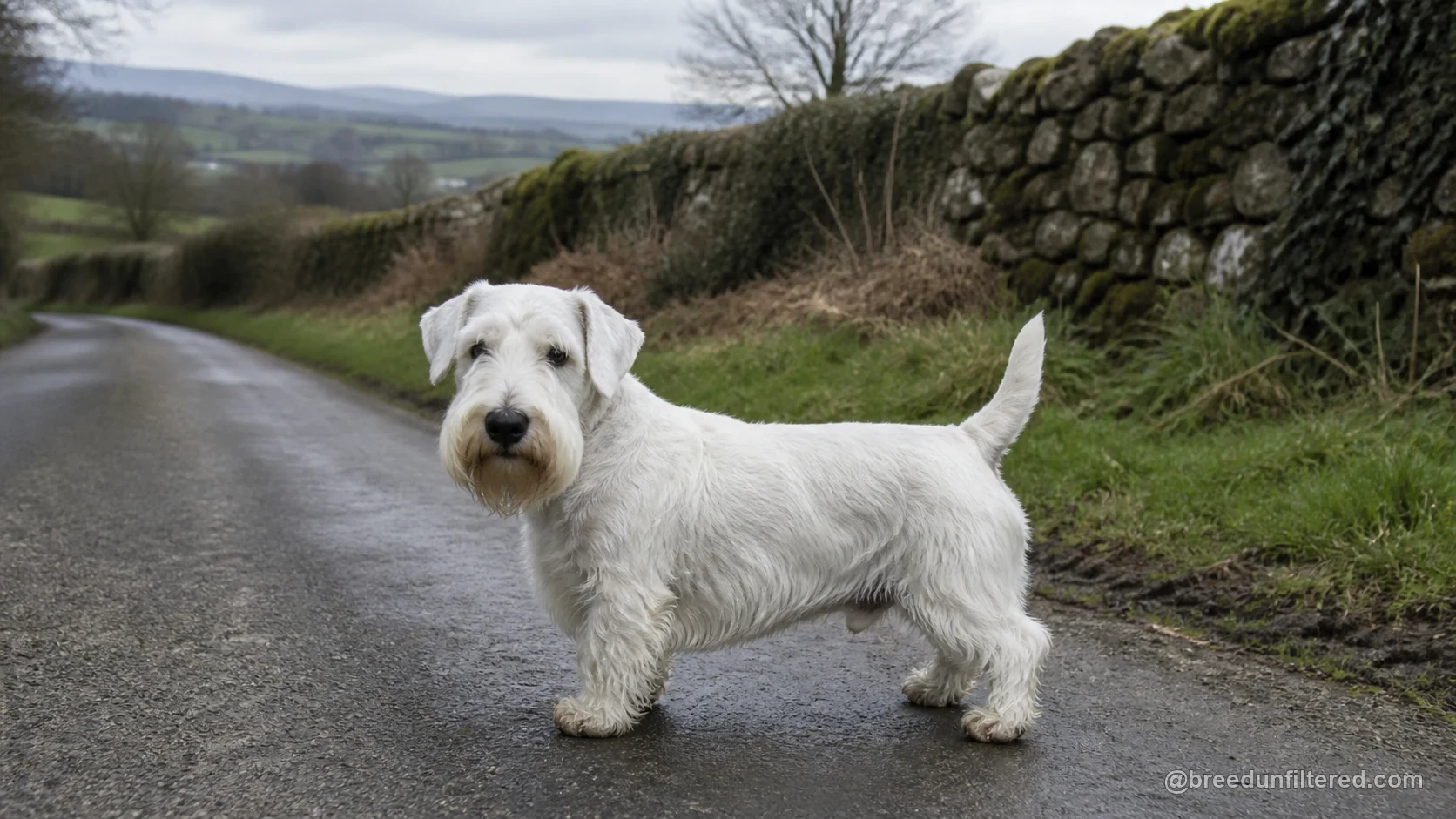
The Sealyham Terrier is a rare and distinctive Welsh breed, developed in the 19th century by Captain John Edwardes at Sealyham House in Pembrokeshire. Bred to hunt otters, badgers, and foxes in challenging terrain, these sturdy, low-slung terriers combine determination with a surprisingly affectionate and playful nature. Their white coat, expressive eyes, and 'furnishings' give them a charming, slightly comical appearance that belies their working heritage.
For prospective owners, the Sealyham offers a unique blend of spirited terrier independence and devoted companionship. They are adaptable to various living situations, including apartments, provided their exercise and mental stimulation needs are met. However, their strong prey drive, stubborn streak, and grooming requirements demand a committed and patient owner. This guide provides an evidence-conscious overview of the breed's characteristics, care, and responsibilities to help you make an informed decision.
Origin and Purpose
The Sealyham Terrier originated in Wales in the mid-1800s, created by Captain John Edwardes to meet the need for a fearless and tenacious earthdog capable of tackling otters, badgers, and foxes. By crossing various terriers, including the now-extinct White English Terrier, the breed was refined for its white coat, which made it visible during hunts and distinguished it from quarry. The breed was officially recognized by The Kennel Club in 1911 and later by the FCI, with the standard now under FCI Group 3, Terriers.
Today, the Sealyham remains a rare breed, with a small but dedicated following. While its original hunting role has largely diminished, its instincts persist. Understanding this heritage is crucial for prospective owners, as it explains the breed's strong prey drive, digging tendencies, and independent nature. The breed's purpose also shaped its physical attributes: a low center of gravity, strong jaws, and a weather-resistant coat, all of which contribute to its distinctive appearance and capabilities.
Temperament and Variation
Sealyham Terriers are often described as spirited, affectionate, and loyal to their families. They are known for their playful and clownish antics, which can bring much joy to a household. However, they also possess a typical terrier stubbornness and a strong will, which can manifest as independence and occasional obstinacy. Individual temperament varies, influenced by genetics, socialization, and training, so it is essential to meet both parents and observe the puppy's behavior when possible.
While generally good-natured, Sealyhams can be reserved with strangers and may exhibit protective instincts. They are not typically aggressive but will alert their owners to unusual activity. Their prey drive is significant, and they may chase small animals, including cats, unless carefully socialized. Prospective owners should be prepared for a dog that is both a loving companion and a determined hunter, requiring consistent guidance to channel these traits appropriately.
Exercise and Mental Work
Sealyham Terriers have moderate exercise needs. They enjoy daily walks and play sessions, but they are not high-energy dogs that require hours of vigorous activity. A couple of 20-30 minute walks, combined with off-lead time in a secure area, can suffice for many adults. However, their hunting instincts mean that off-lead exercise should only occur in safely enclosed spaces to prevent them from chasing after scents or small animals.
Mental stimulation is equally important for this intelligent breed. Puzzle toys, scent games, and training sessions that challenge their minds can help prevent boredom and destructive behaviors. Without adequate mental and physical outlets, Sealyhams may resort to digging, barking, or other undesirable activities. Engaging their natural problem-solving abilities through activities like nose work or earthdog trials can be highly rewarding for both dog and owner.
Training and Socialisation
Training a Sealyham Terrier requires patience, consistency, and a sense of humor. They are intelligent but can be willful, so positive reinforcement methods work best. Harsh corrections are counterproductive and may damage the trust between dog and owner. Early socialization is critical to help them become well-adjusted adults, exposing them to various people, environments, and other animals in a controlled, positive manner.
Given their terrier heritage, Sealyhams may have a tendency to be independent and may not always respond immediately to commands, especially when distracted. Short, engaging training sessions that incorporate rewards and play can maintain their interest. Crate training and housebreaking are generally manageable with a consistent routine. Owners should be prepared to invest time in ongoing training to ensure a well-mannered companion.
Family and Other Pets
Sealyham Terriers can make excellent family dogs for households with older children who understand how to interact respectfully with dogs. They are generally playful and affectionate, but their small size and sturdy build mean they can tolerate some roughhousing, yet they may not appreciate being teased. As with any breed, supervision around young children is essential to prevent accidental injuries to either party.
Regarding other pets, Sealyhams have a strong prey drive and may view small animals such as rabbits, guinea pigs, or even cats as quarry. Early socialization with cats can sometimes result in a tolerant relationship, but it is not guaranteed. They may get along with other dogs, especially if raised together, but same-sex aggression can occur. Prospective owners should carefully consider their existing pets and be prepared to manage introductions and ongoing interactions.
Grooming and Health
The Sealyham Terrier's wiry, weather-resistant coat requires regular grooming to maintain its condition and appearance. Weekly brushing is necessary to prevent mats and tangles, and many owners opt for professional grooming every few months. Hand-stripping, a process of removing dead hair, is traditional for the breed, though clipping is a common alternative. Regular ear cleaning, nail trimming, and dental care are also part of the grooming routine.
As a breed, Sealyhams may be prone to certain health conditions, including eye issues such as cataracts and lens luxation, as well as skin allergies and deafness. Responsible breeders screen for these conditions, but prospective owners should be aware of potential health costs. Regular veterinary check-ups and a healthy diet can help mitigate some risks. It is essential to obtain a puppy from a breeder who performs health testing and provides a health guarantee.
Costs and Responsibility
Owning a Sealyham Terrier involves significant financial and time commitments. Initial costs include the purchase price from a reputable breeder, which can be substantial due to the breed's rarity, as well as supplies such as a crate, bedding, and grooming tools. Ongoing expenses include high-quality dog food, routine veterinary care, grooming services, and pet insurance. Emergency medical costs can be unexpected and considerable, so planning is essential.
Beyond finances, responsible ownership requires a long-term commitment to the dog's well-being. Sealyhams can live 12-14 years, and they thrive on companionship and attention. They are not suited to being left alone for long periods. Prospective owners should assess their lifestyle, living situation, and ability to provide consistent training, exercise, and grooming. Adopting from a rescue or breed-specific organization is another option, offering a home to a dog in need.
Clear answers
FREQUENTLY ASKED QUESTIONS
Are Sealyham Terriers good with children?
Sealyham Terriers can be good with children, especially when raised with them and properly socialized. They are playful and sturdy, but their terrier nature means they may not tolerate rough handling. Supervision is recommended with young children to ensure safe interactions for both the dog and the child.
Do Sealyham Terriers shed a lot?
Sealyham Terriers are considered low-shedding dogs, which can be appealing for allergy sufferers. However, their wiry coat requires regular grooming to prevent mats and to remove dead hair. Professional grooming or hand-stripping is often needed to maintain the coat's texture and health.
How much exercise does a Sealyham Terrier need?
Sealyham Terriers have moderate exercise needs. Daily walks and playtime are essential, but they are not high-energy dogs. Mental stimulation is equally important to prevent boredom. Off-lead exercise should only be in securely fenced areas due to their strong prey drive.
Are Sealyham Terriers easy to train?
Sealyham Terriers are intelligent but can be stubborn and independent, making training a challenge for novice owners. Positive reinforcement methods work best, and consistency is key. Early socialization and puppy classes are highly recommended to shape a well-behaved adult.
What health issues are common in Sealyham Terriers?
Sealyham Terriers may be prone to certain health conditions, including eye problems like cataracts and lens luxation, skin allergies, and deafness. Responsible breeders screen for these issues, but prospective owners should be prepared for potential veterinary costs. Regular check-ups are important.
Sources and further reading
Scores describe typical breed tendencies from 1 to 10. They are not a quality ranking or a prediction for an individual dog.
Size and presence4/10
CompactVery large
Physical strength5/10
LightExceptional
Energy level9/10
LowRelentless
Exercise demand9/10
ModestVery demanding
Mental work needed8/10
ModerateDaily job
Trainability5/10
ChallengingExceptional
Everyday manageability1/10
SpecialistStraightforward
First-time owner fit4/10
Poor fitGood fit
Family-life fit6/10
LimitedExcellent
Dog sociability3/10
SelectiveVery social
Prey drive10/10
LowVery high
Guarding tendency4/10
MinimalSerious
Independence9/10
Handler-focusedSelf-directed
Grooming demand6/10
LightHeavy
Apartment fit5/10
Poor fitGood fit