Complete breed guide
Bedlington Terrier OWNERSHIP GUIDE
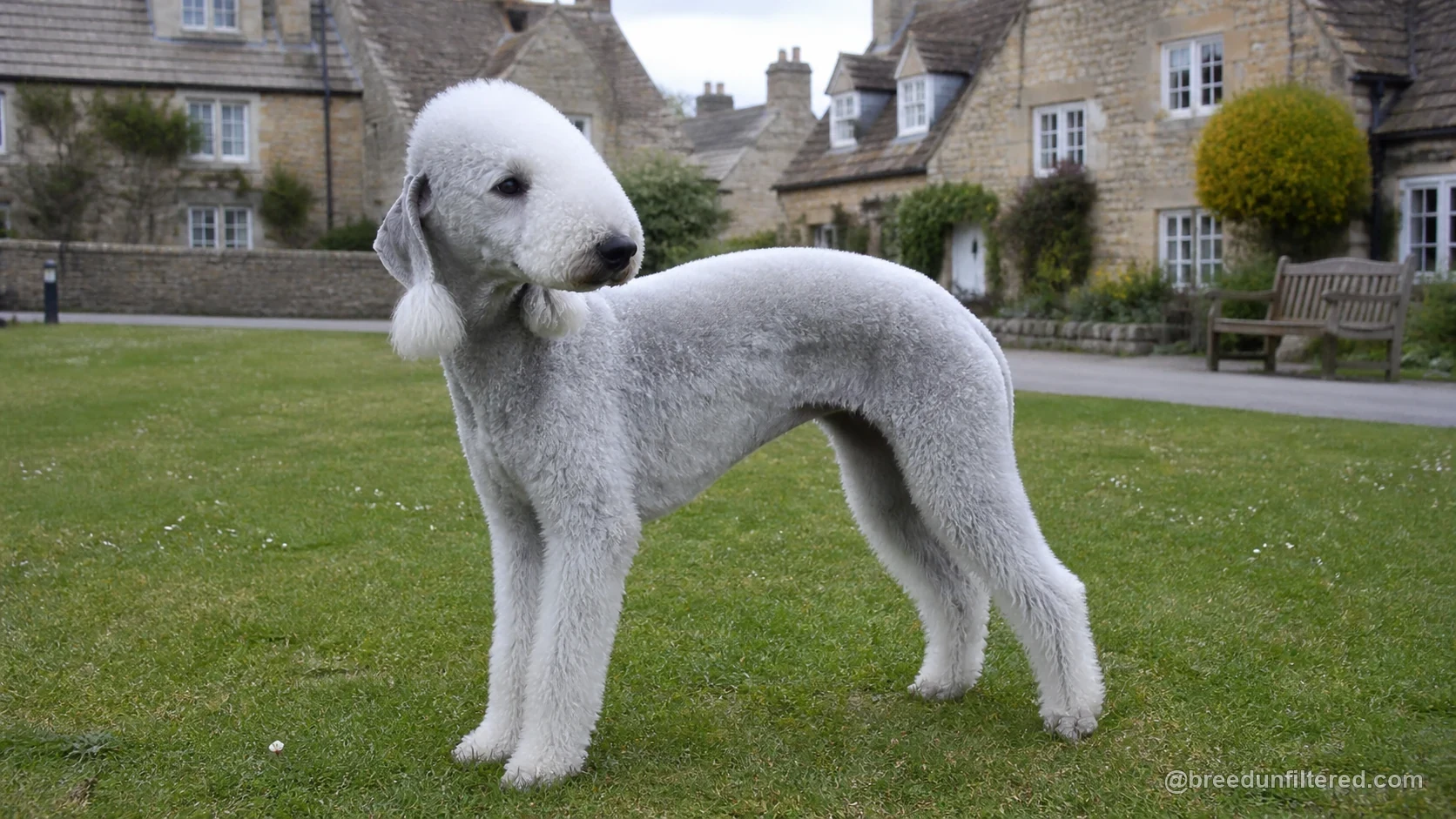
The Bedlington Terrier is a breed that often draws curious glances, with its distinctive lamb-like appearance and graceful, whippet-like silhouette. Originating in the mining towns of Northumberland, England, this terrier was historically bred to hunt vermin and participate in sports like coursing and racing. Today, the Bedlington is a versatile companion known for its affectionate nature and playful spirit, but it also retains a strong prey drive and a determined streak that prospective owners should understand.
This article provides a balanced overview of the Bedlington Terrier, covering its origins, temperament, exercise and training needs, family compatibility, grooming requirements, and health considerations. We aim to give you a realistic picture of what life with a Bedlington might be like, helping you decide if this unique breed is the right fit for your home and lifestyle.
Origin and Purpose
The Bedlington Terrier's history is rooted in the border region of Northumberland, England, where it was developed in the 19th century. Miners and working-class sportsmen sought a versatile dog that could hunt rats and other vermin, as well as participate in the popular pastimes of coursing and racing. The breed's exact ancestry is debated, but it is believed to include terriers, whippets, and possibly other sighthound types, contributing to its distinctive appearance and agility.
The breed was originally known as the Rothbury Terrier, named after a local town, before being renamed the Bedlington Terrier after the mining village of Bedlington. Over time, the Bedlington transitioned from a working dog to a companion and show dog, with the first breed standard established in the late 19th century. Today, the Bedlington Terrier is recognized by major kennel clubs worldwide, including the FCI, and is valued for its unique look and spirited personality.
Temperament and Variation
Bedlington Terriers are often described as gentle, affectionate, and loyal to their families. They tend to form strong bonds with their owners and can be quite playful and clownish at times. However, like many terriers, they also possess a determined and independent streak, which can manifest as stubbornness if not properly managed. Individual temperament can vary, influenced by genetics, socialization, and training, so it is important to meet the parents or know the breeder's practices when considering a puppy.
While the breed standard describes a typical Bedlington temperament, there is natural variation among individuals. Some may be more outgoing and sociable, while others might be more reserved or cautious. Early and ongoing socialization is key to helping a Bedlington develop into a well-rounded adult. Prospective owners should be prepared for a dog that is both affectionate and spirited, with a strong prey drive that may be triggered by small animals.
Exercise and Mental Work
Bedlington Terriers are an energetic and agile breed that requires regular physical activity to stay happy and healthy. They enjoy daily walks, play sessions, and opportunities to run in a safely enclosed area. While they are not typically high-energy dogs like some working breeds, they do need consistent exercise to prevent boredom and destructive behaviors. A fenced yard is recommended, as their prey drive can lead them to chase small animals if given the chance.
Mental stimulation is equally important for this intelligent breed. Puzzle toys, obedience training, and activities like agility or earthdog trials can help satisfy their need for mental challenges. Without adequate mental and physical engagement, a Bedlington may become restless or develop undesirable habits. Prospective owners should be ready to provide a balanced routine of exercise and mental enrichment tailored to their dog's individual needs.
Training and Socialisation
Training a Bedlington Terrier requires patience, consistency, and positive reinforcement methods. They are intelligent and can learn quickly, but their independent nature may lead them to question commands or seek their own agenda. Short, varied training sessions with rewards such as treats or play tend to work best. Harsh or repetitive methods are likely to be counterproductive, as this breed responds better to a gentle but firm approach.
Socialisation from an early age is crucial to help a Bedlington become comfortable with different people, animals, and environments. Exposing them to a variety of experiences in a positive way can reduce the likelihood of fearfulness or aggression. While they can get along with other dogs, their terrier instincts may make them less tolerant of same-sex dogs or small pets. Early and ongoing socialisation can help mitigate these tendencies, but supervision is always recommended.
Family and Pets
Bedlington Terriers can make wonderful family companions for households that understand their needs. They are typically affectionate with their family members and can be good with children, especially when raised with them. However, their playful nature may be too boisterous for very young children, and they may not tolerate rough handling. As with any breed, interactions between dogs and children should always be supervised to ensure safety for both.
When it comes to other pets, the Bedlington's prey drive can be a significant factor. They may chase or harm small animals such as cats, rabbits, or rodents, especially if not socialised with them from a young age. They can often live peacefully with other dogs, particularly if they are of the opposite sex, but same-sex aggression can occur. Prospective owners with existing pets should carefully consider the individual dog's temperament and history.
Grooming and Health
The Bedlington Terrier's distinctive coat is a key feature, but it requires regular maintenance. Their coat is a mix of soft and harsh hair that does not shed much, but it needs frequent brushing—ideally several times a week—to prevent matting. Professional grooming every 6 to 8 weeks is often recommended to maintain the breed's characteristic clipped appearance. Regular ear cleaning is also important, as their drop ears can be prone to infections.
Like all breeds, Bedlington Terriers are prone to certain health conditions, though not every dog will be affected. Potential issues include copper toxicosis, a liver disorder that can be screened for, and various eye conditions. Responsible breeders typically test for known hereditary issues. Prospective owners should ask breeders about health clearances and be prepared for potential veterinary costs. A healthy diet and regular veterinary check-ups are essential to support overall well-being.
Costs and Responsibility
Owning a Bedlington Terrier involves financial and time commitments. The initial cost of a puppy from a reputable breeder can be significant, and ongoing expenses include high-quality food, routine veterinary care, grooming, and pet insurance. Grooming costs can be notable due to the breed's coat requirements. Additionally, owners should budget for unexpected health issues that may arise, as with any dog.
Beyond finances, responsible ownership means providing proper training, socialisation, exercise, and mental stimulation throughout the dog's life. Bedlington Terriers can live 12 to 15 years or more, so this is a long-term commitment. Prospective owners should assess their lifestyle, living situation, and ability to meet the breed's needs before bringing one home. Adopting from a rescue or shelter is also a viable option for those willing to give a Bedlington a second chance.
Clear answers
FREQUENTLY ASKED QUESTIONS
Are Bedlington Terriers good with children?
Bedlington Terriers can be good with children, especially when raised with them and properly socialised. They are generally affectionate and playful, but their energetic nature may be too much for very young children. Supervision is always recommended to ensure safe interactions, as with any breed.
Do Bedlington Terriers shed a lot?
Bedlington Terriers are considered low-shedding dogs, as their coat is more like hair than fur. However, they require regular brushing and professional grooming to prevent matting and maintain their appearance. They are not hypoallergenic, but their minimal shedding may be suitable for some allergy sufferers.
How much exercise does a Bedlington Terrier need?
Bedlington Terriers need regular daily exercise, including walks and playtime, to stay healthy and happy. They enjoy running in a safe, enclosed area. While not extremely high-energy, they do require consistent physical activity and mental stimulation to prevent boredom and destructive behavior.
Are Bedlington Terriers easy to train?
Bedlington Terriers are intelligent but can be independent and stubborn. Training requires patience, consistency, and positive reinforcement. They respond well to reward-based methods and short, varied sessions. Early socialisation and training are important to shape a well-behaved adult dog.
What health issues are common in Bedlington Terriers?
Bedlington Terriers may be prone to certain health conditions, including copper toxicosis, a liver disorder, and eye issues like progressive retinal atrophy. Responsible breeders screen for these conditions. Regular veterinary check-ups and a healthy lifestyle can help manage potential health risks.
Sources and further reading
Scores describe typical breed tendencies from 1 to 10. They are not a quality ranking or a prediction for an individual dog.
Size and presence4/10
CompactVery large
Physical strength5/10
LightExceptional
Energy level9/10
LowRelentless
Exercise demand9/10
ModestVery demanding
Mental work needed8/10
ModerateDaily job
Trainability6/10
ChallengingExceptional
Everyday manageability2/10
SpecialistStraightforward
First-time owner fit4/10
Poor fitGood fit
Family-life fit6/10
LimitedExcellent
Dog sociability3/10
SelectiveVery social
Prey drive10/10
LowVery high
Guarding tendency4/10
MinimalSerious
Independence7/10
Handler-focusedSelf-directed
Grooming demand6/10
LightHeavy
Apartment fit5/10
Poor fitGood fit