Complete breed guide
Schnauzer OWNERSHIP GUIDE
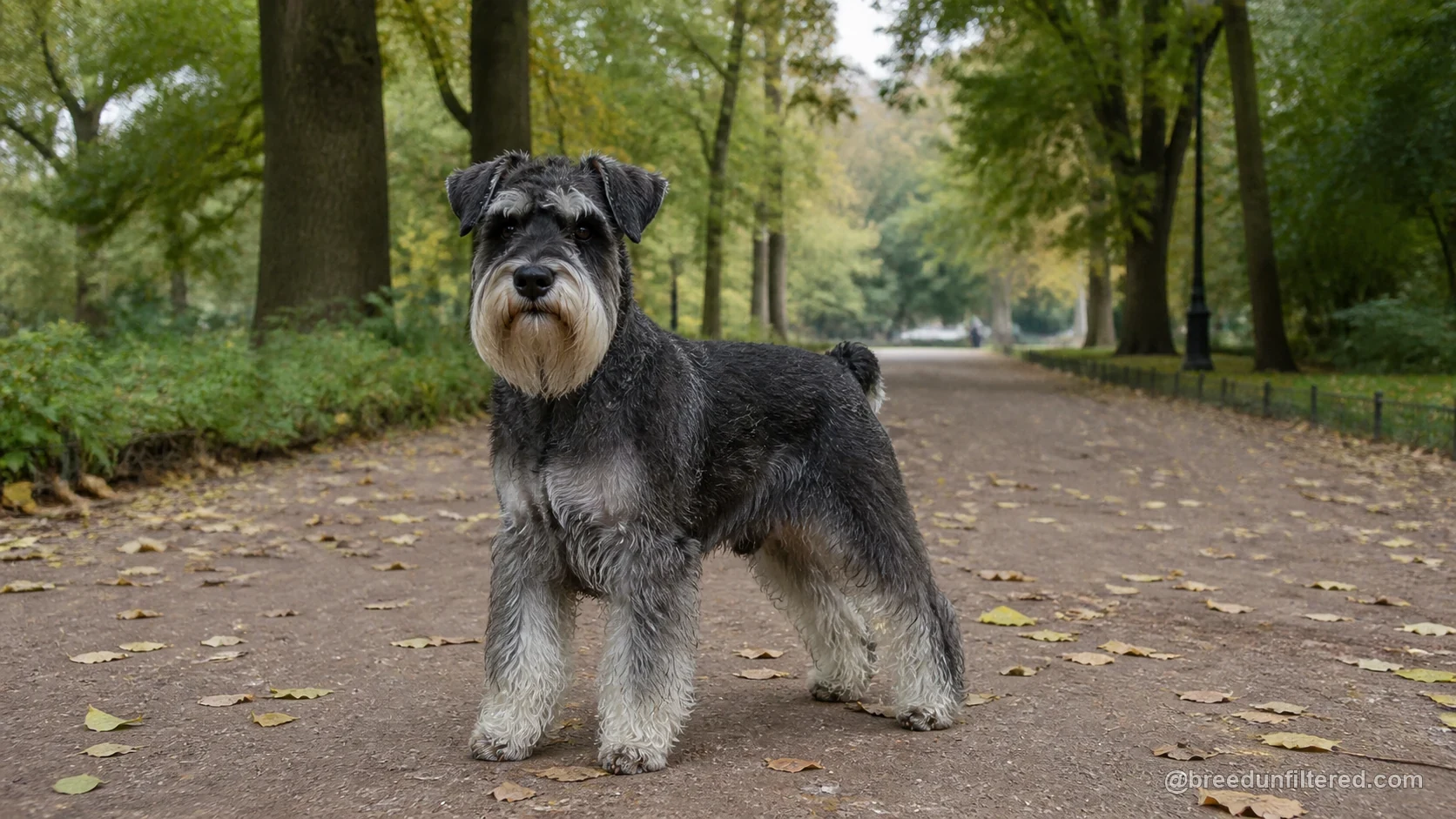
The Schnauzer is a distinct German breed recognized by its bushy beard and eyebrows, giving it a wise and alert expression. The FCI standard (number 182) describes a medium-sized, robust dog with a lively, spirited temperament. While the name 'Schnauzer' often refers to the standard size, the breed family also includes miniature and giant varieties, each with its own characteristics. This guide focuses on the standard Schnauzer, but many points apply to the breed type as a whole.
Prospective owners should understand that Schnauzers are intelligent, active dogs with a strong personality. They were originally bred as versatile farm dogs, excelling at ratting, guarding, and herding. Today, they are loyal companions but require consistent training, ample exercise, and regular grooming. This article provides a balanced overview of the breed's origin, temperament, care needs, and potential challenges to help you decide if a Schnauzer fits your lifestyle.
Origin and Purpose
The Schnauzer originated in Germany, where it was developed as a multi-purpose working dog on farms. Historical records suggest that the breed's ancestors were used for ratting, guarding property, and driving livestock. The name 'Schnauzer' comes from the German word 'Schnauze,' meaning 'snout,' referring to the breed's distinctive bearded muzzle. The standard Schnauzer was recognized by the FCI in 1955, with the current standard (number 182) outlining its ideal appearance and temperament.
Over time, the Schnauzer's role evolved from a general farm dog to a companion and watchdog. Its keen senses and alert nature made it an excellent guardian of home and family. Today, while many Schnauzers are primarily pets, they retain the instincts and energy of their working heritage. Understanding this background helps owners appreciate the breed's need for purposeful activity and mental stimulation.
Temperament and Variation
The standard Schnauzer is known for its spirited, lively temperament. The FCI standard describes it as 'good-natured, steady, and devoted,' yet also 'highly intelligent' and 'full of temperament.' These dogs are often confident and alert, making them excellent watchdogs. However, they can also be stubborn and independent, which requires patient, consistent handling. Individual personalities vary, so early socialization and training are crucial to shape a well-rounded adult.
It's important to note that the Schnauzer family includes three sizes: miniature, standard, and giant. While they share common traits, each size has its own temperamental nuances. Miniatures are often more energetic and feisty, while giants are more powerful and protective. The standard Schnauzer sits in the middle, offering a balance of energy and manageability. Prospective owners should research the specific size that best matches their living situation and experience level.
Exercise and Mental Work
Schnauzers are active dogs that require regular physical exercise to stay healthy and happy. A daily walk or jog, combined with playtime in a securely fenced yard, can help meet their energy needs. However, exercise alone is not enough; these intelligent dogs also need mental stimulation to prevent boredom and destructive behaviors. Puzzle toys, obedience training, and interactive games can provide the mental challenges they crave.
Because of their working heritage, Schnauzers often excel in dog sports such as agility, obedience, and tracking. Engaging in these activities can strengthen the bond between dog and owner while channeling the breed's energy productively. It's essential to tailor exercise to the individual dog's age, health, and fitness level, avoiding overexertion in extreme weather. A tired Schnauzer is more likely to be calm and content indoors.
Training and Socialisation
Training a Schnauzer requires patience, consistency, and positive reinforcement methods. These dogs are intelligent but can be willful, so harsh training techniques are counterproductive. Early obedience training is recommended to establish clear boundaries and prevent the development of stubborn habits. Schnauzers respond well to reward-based training that includes treats, praise, and play, as they are eager to please when they understand what is expected.
Socialisation is equally important, especially during puppyhood. Exposing a Schnauzer to various people, animals, and environments helps reduce the risk of fearfulness or aggression later in life. While they are generally good with children and other pets when raised together, their natural guarding instincts may lead to wariness of strangers. Structured socialization classes and regular positive encounters can help a Schnauzer become a well-adjusted companion.
Family and Other Pets
Schnauzers can make wonderful family dogs, known for their loyalty and protective nature. They often form strong bonds with their human family and may be particularly devoted to one person. Their playful and energetic demeanor can make them good playmates for children, but supervision is always recommended, especially with younger kids. As with any breed, teaching children how to interact respectfully with dogs is essential.
When it comes to other pets, Schnauzers have a high prey drive due to their ratting history. They may chase small animals such as cats, rabbits, or rodents, especially if not socialized with them from an early age. With proper introduction and training, many Schnauzers can coexist peacefully with other dogs and even cats, but it's important to be cautious and manage interactions. Early and ongoing socialization is key to fostering harmonious relationships.
Grooming and Health
The Schnauzer's wiry double coat requires regular grooming to keep it in good condition. Weekly brushing helps remove loose hair and prevent mats, especially around the beard and legs. Many owners choose to have their Schnauzer professionally groomed every few months to maintain the breed's distinctive look. Regular ear cleaning, nail trimming, and dental care are also part of a comprehensive grooming routine.
Like all breeds, Schnauzers are prone to certain health conditions, though they are generally robust. Some issues that have been reported include hip dysplasia, eye problems, and skin conditions. Responsible breeders screen their breeding stock for hereditary diseases. Prospective owners should ask about health clearances and be prepared for potential veterinary costs. A healthy diet, regular exercise, and routine check-ups can help mitigate some risks, but no dog is guaranteed to be free of health issues.
Costs and Responsibility
Owning a Schnauzer involves significant financial and time commitments. Initial costs include purchasing from a reputable breeder or adopting from a rescue, as well as supplies like a crate, bed, leash, and food. Ongoing expenses include high-quality dog food, routine veterinary care, grooming, and pet insurance. Emergency medical costs can be substantial, so planning ahead is wise. The cost of professional grooming can be higher for Schnauzers due to their coat type.
Beyond finances, owning a Schnauzer requires a long-term commitment of time and energy. These dogs thrive on human interaction and can develop behavioral issues if left alone for long periods. They need daily exercise, mental stimulation, and consistent training. Prospective owners should honestly assess their lifestyle, living situation, and ability to meet these needs. A Schnauzer can be a rewarding companion for those who are prepared for the responsibility.
Clear answers
FREQUENTLY ASKED QUESTIONS
Are Schnauzers good with children?
Schnauzers can be good with children, especially when raised together and properly socialized. They are playful and loyal, but their energetic nature may be too much for very young kids. Supervision and teaching children how to interact with dogs are essential to ensure safe and positive experiences.
Do Schnauzers shed a lot?
Schnauzers have a wiry coat that sheds minimally compared to many breeds. However, they still require regular grooming to remove dead hair and prevent mats. Many owners opt for professional grooming every few months to maintain the coat's texture and appearance.
How much exercise does a Schnauzer need?
Schnauzers are active dogs that need daily exercise, such as a brisk walk or play session. They also benefit from mental stimulation like puzzle toys or training games. The exact amount varies by age and health, but most need at least 30 to 60 minutes of activity per day.
Are Schnauzers easy to train?
Schnauzers are intelligent and can be trained with positive reinforcement, but they can also be stubborn. Consistency and patience are key. Early socialization and obedience training are recommended to channel their intelligence and prevent behavioral issues.
Do Schnauzers get along with other pets?
Schnauzers have a high prey drive, so they may chase small animals like cats or rodents. With early socialization and proper introductions, many can live peacefully with other dogs and even cats. However, supervision is advised, especially with smaller pets.
Sources and further reading
Scores describe typical breed tendencies from 1 to 10. They are not a quality ranking or a prediction for an individual dog.
Size and presence8/10
CompactVery large
Physical strength9/10
LightExceptional
Energy level6/10
LowRelentless
Exercise demand6/10
ModestVery demanding
Mental work needed7/10
ModerateDaily job
Trainability7/10
ChallengingExceptional
Everyday manageability3/10
SpecialistStraightforward
First-time owner fit3/10
Poor fitGood fit
Family-life fit6/10
LimitedExcellent
Dog sociability4/10
SelectiveVery social
Prey drive8/10
LowVery high
Guarding tendency9/10
MinimalSerious
Independence7/10
Handler-focusedSelf-directed
Grooming demand7/10
LightHeavy
Apartment fit3/10
Poor fitGood fit