Complete breed guide
Fawn Brittany Griffon OWNERSHIP GUIDE
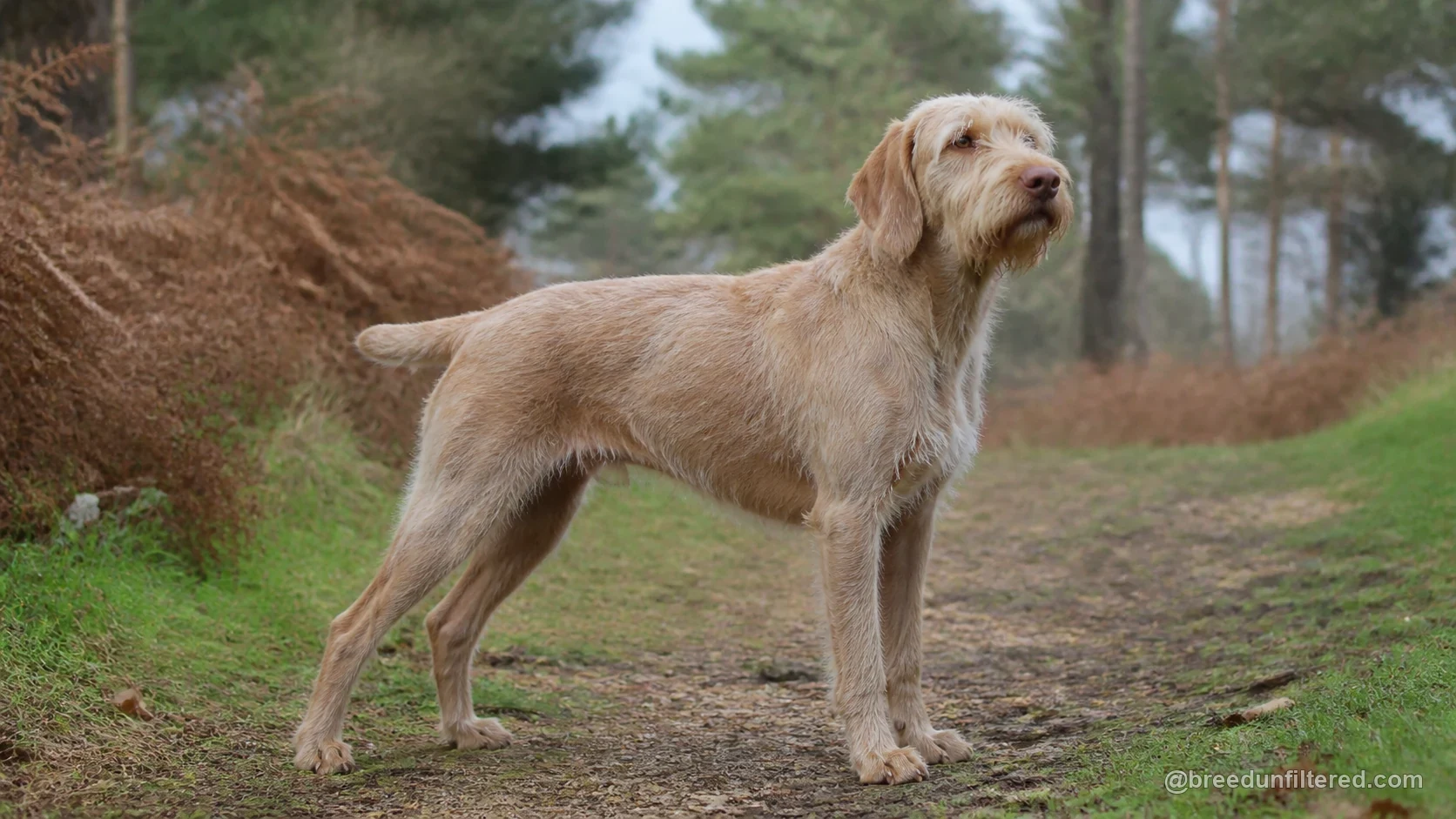
The Fawn Brittany Griffon, also known as the Griffon Fauve de Bretagne, is a rustic and determined scent hound from the Brittany region of France. Recognized by the FCI in Group 6 (scent hounds and related breeds), this breed was historically used to hunt wild boar and other game in challenging terrain. Its harsh, fawn-colored coat and sturdy build reflect its working heritage, and it remains a capable and enthusiastic hunter today.
For prospective owners, the Fawn Brittany Griffon offers a blend of loyalty, energy, and a strong independent streak. While not as widely known as some other hounds, this breed appeals to those who appreciate a hardworking, adaptable dog with a distinct appearance. However, its hunting instincts and need for regular activity mean it is best suited to an active lifestyle and a home that can provide ample mental and physical stimulation.
Origin and Purpose
The Fawn Brittany Griffon originates from the Brittany region of France, where it was developed as a versatile hunting dog. Its ancestors likely include various French hounds, and the breed was prized for its ability to track and flush game, particularly wild boar, in dense cover and rough terrain. The breed's name reflects its coat color ('fawn') and its rough, wiry texture ('griffon').
Historically, the Fawn Brittany Griffon was used by hunters who needed a dog with stamina, courage, and a keen nose. Today, while still primarily a working hound, it also participates in dog sports and makes a loyal companion for those who appreciate its heritage. The breed's purpose has shaped its temperament and physical traits, making it a determined and resilient dog that thrives when given a job to do.
Temperament and Variation
The Fawn Brittany Griffon is generally described as affectionate and loyal to its family, yet it retains a strong independent streak typical of hounds. It is often good-natured and sociable, but its hunting instincts can lead it to follow scents with determination. Individual temperament can vary, influenced by genetics, socialization, and training, so early and consistent handling is important.
As a breed, the Fawn Brittany Griffon is not typically known for aggression, but it may be reserved with strangers. It tends to get along well with other dogs, especially when raised together, but its prey drive may be strong, making caution necessary around small pets. Prospective owners should expect a dog that is both affectionate and self-reliant, requiring a balance of companionship and structured activity.
Exercise and Mental Work
The Fawn Brittany Griffon is a high-energy breed that requires regular, vigorous exercise to stay physically and mentally healthy. Daily long walks, jogs, or off-leash runs in a secure area are often recommended, as the breed has a strong instinct to explore and follow scents. Without adequate activity, it may become restless or develop undesirable behaviors.
Mental stimulation is equally important for this intelligent hound. Scent games, tracking exercises, and puzzle toys can help satisfy its natural drive to use its nose. Activities such as nose work or barn hunt can provide an outlet for its instincts. Owners should be prepared to dedicate time each day to both physical and mental engagement to keep the breed content.
Training and Socialisation
Training a Fawn Brittany Griffon requires patience and consistency. This breed is intelligent but can be stubborn, and its independent nature may make it less eager to please than some other dogs. Positive reinforcement methods, such as treats and praise, tend to work best, while harsh corrections can be counterproductive. Early training is essential to establish good habits.
Socialisation from a young age is crucial to help the Fawn Brittany Griffon become a well-adjusted adult. Exposing it to a variety of people, animals, and environments can reduce shyness or overexcitement. Because of its hunting background, recall training is particularly important, as the dog may be tempted to chase scents. A securely fenced yard is often recommended to prevent wandering.
Family and Pets
The Fawn Brittany Griffon can make a devoted family companion, especially in households that appreciate an active dog. It tends to bond closely with its family and may enjoy participating in outdoor activities. However, its boisterous nature and strong prey drive may not be ideal for families with very young children or small pets, so supervision and training are key.
With other dogs, the breed generally gets along well, particularly if socialised early. However, its hunting instinct may cause it to view smaller animals, such as cats or rabbits, as prey. In homes with existing pets, careful introductions and management are necessary. The breed's pack-oriented nature means it often thrives in multi-dog households, but each situation should be assessed individually.
Grooming and Health
The Fawn Brittany Griffon has a harsh, wiry coat that is relatively low-maintenance. Weekly brushing is usually sufficient to remove loose hair and debris, and occasional hand-stripping may be needed to maintain the coat's texture. The breed is a moderate shedder, and its ears should be checked regularly to prevent infections, especially after outdoor activities.
As a generally hardy breed, the Fawn Brittany Griffon may have fewer inherited health issues compared to some other breeds, but like all dogs, it can be prone to certain conditions. Responsible breeders often screen for hip dysplasia and eye disorders. Regular veterinary check-ups, a balanced diet, and proper exercise contribute to overall health. Prospective owners should be prepared for routine care and potential health costs.
Costs and Responsibility
Owning a Fawn Brittany Griffon involves financial commitments beyond the initial purchase price. Costs include high-quality food, routine veterinary care, vaccinations, parasite prevention, and grooming supplies. Additionally, because the breed is energetic, owners may invest in secure fencing, training classes, and interactive toys. Unexpected medical expenses should also be considered.
Responsible ownership also means providing adequate time, attention, and exercise. This breed is not suited to a sedentary lifestyle or being left alone for long periods. Prospective owners should research the breed thoroughly, seek reputable breeders or rescue organizations, and ensure they can meet the dog's needs for a lifetime. Commitment to training and socialisation is essential for a harmonious relationship.
Clear answers
FREQUENTLY ASKED QUESTIONS
Is the Fawn Brittany Griffon good with children?
The Fawn Brittany Griffon can be good with children if raised with them and properly socialised. However, its boisterous nature and strong prey drive mean interactions should always be supervised, especially with very young children. Teaching children how to behave around dogs and providing the dog with a quiet space are important.
How much exercise does a Fawn Brittany Griffon need?
The Fawn Brittany Griffon is a high-energy breed that needs substantial daily exercise, typically at least an hour of vigorous activity. This can include long walks, runs, or off-leash time in a secure area. Mental stimulation, such as scent games, is also essential to prevent boredom and destructive behavior.
Does the Fawn Brittany Griffon get along with other dogs?
Generally, the Fawn Brittany Griffon is sociable with other dogs, especially when socialised from a young age. Its pack-oriented nature often makes it compatible with other canines. However, introductions should be gradual, and supervision is recommended, particularly with unfamiliar dogs, due to its strong hunting instincts.
Is the Fawn Brittany Griffon easy to train?
Training a Fawn Brittany Griffon can be challenging due to its independent and sometimes stubborn nature. It responds best to positive reinforcement and consistent, patient methods. Early socialisation and obedience training are crucial. Harsh training techniques are not effective and can damage the bond.
What are common health issues in Fawn Brittany Griffons?
The Fawn Brittany Griffon is generally a hardy breed, but like all dogs, it may be prone to certain conditions. Responsible breeders often screen for hip dysplasia and eye disorders. Regular veterinary care, a balanced diet, and proper exercise can help maintain health. Prospective owners should ask breeders about health testing.
Sources and further reading
Scores describe typical breed tendencies from 1 to 10. They are not a quality ranking or a prediction for an individual dog.
Size and presence5/10
CompactVery large
Physical strength5/10
LightExceptional
Energy level9/10
LowRelentless
Exercise demand10/10
ModestVery demanding
Mental work needed8/10
ModerateDaily job
Trainability6/10
ChallengingExceptional
Everyday manageability2/10
SpecialistStraightforward
First-time owner fit3/10
Poor fitGood fit
Family-life fit6/10
LimitedExcellent
Dog sociability9/10
SelectiveVery social
Prey drive10/10
LowVery high
Guarding tendency3/10
MinimalSerious
Independence8/10
Handler-focusedSelf-directed
Grooming demand4/10
LightHeavy
Apartment fit4/10
Poor fitGood fit