Complete breed guide
Saluki OWNERSHIP GUIDE
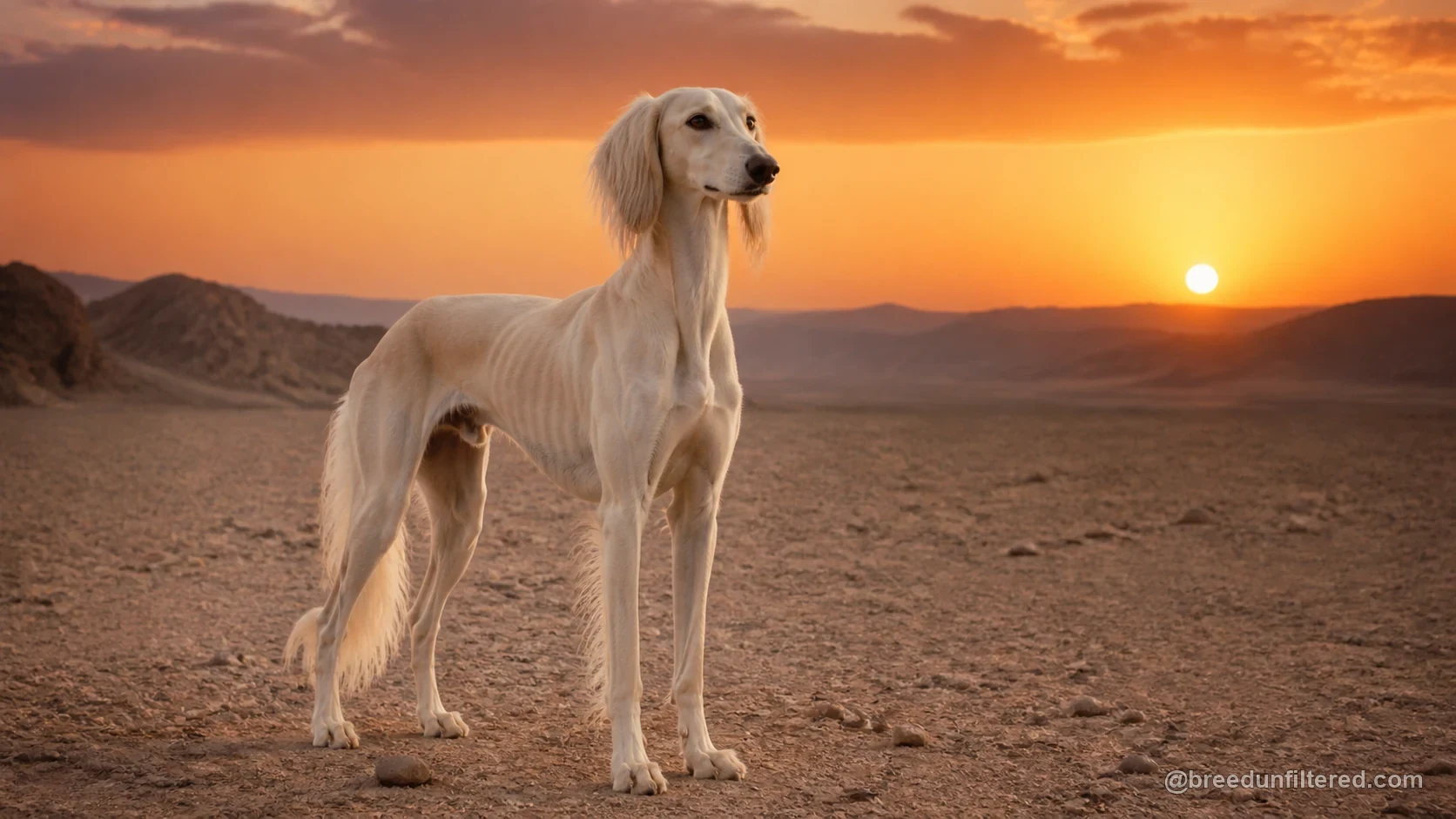
The Saluki, often called the Royal Dog of Egypt, is one of the oldest known dog breeds, with a history stretching back thousands of years. Bred by nomadic tribes for hunting game across the Middle East, this sighthound is renowned for its incredible speed, endurance, and graceful, almost ethereal appearance. Their slender build, silky feathers, and deep, soulful eyes give them an air of nobility that has captivated humans for millennia.
For the right owner, a Saluki can be a devoted and gentle companion, but they are not a breed for everyone. They possess a unique blend of independence, sensitivity, and a powerful prey drive that requires understanding and careful management. This article provides a comprehensive overview of the Saluki, covering their origins, temperament, exercise needs, training, health, and the practical responsibilities of ownership, to help you decide if this elegant sighthound is the right fit for your lifestyle.
Origin and Purpose
The Saluki is one of the most ancient dog breeds, with archaeological evidence and historical records linking them to the Fertile Crescent over 5,000 years ago. They were prized by nomadic tribes and royalty alike, used to hunt gazelle, hare, and other swift game across the deserts of the Middle East. Their ability to run down prey over long distances in extreme heat made them invaluable, and they were often treated as family members, sometimes even allowed to sleep in tents.
The breed's name is derived from the ancient city of Saluk, and they are also known as the Persian Greyhound or Tazi. The Saluki was recognized by the FCI in 1966 and is classified in Group 10 (Sighthounds), Section 1 (Long-haired or fringed sighthounds). Today, while they are still used for hunting in some regions, they are primarily kept as companions and compete in lure coursing and racing, which allow them to express their natural instincts in a controlled environment.
Temperament and Variation
Salukis are known for their gentle, dignified, and often reserved nature. They form deep bonds with their family and can be affectionate and loyal, but they are also independent and can be aloof with strangers. This combination of sensitivity and independence means they respond best to patient, positive training methods and may not thrive in homes with heavy-handed discipline. They are generally quiet indoors, often described as cat-like in their cleanliness and calmness.
There is variation within the breed, influenced by lines and individual personality. Some Salukis are more outgoing, while others are more shy. Early and ongoing socialization is crucial to help them become well-adjusted adults. They are not typically guard dogs; their instinct is to flee rather than fight, and they may be wary of unfamiliar situations. Understanding and respecting their sensitive nature is key to building a trusting relationship.
Exercise and Mental Work
As a sighthound, the Saluki requires regular opportunities to run at full speed in a safe, enclosed area. A daily walk is not sufficient to meet their exercise needs; they need a good sprint several times a week to maintain physical and mental well-being. Lure coursing, racing, or simply a large fenced yard where they can stretch their legs are ideal. However, they are also known to be quite lazy indoors, often lounging on the sofa for hours after a good run.
Mental stimulation is equally important. Salukis are intelligent and can become bored if not challenged. Puzzle toys, scent games, and training sessions that engage their minds can help prevent destructive behaviors. Because they were bred to make independent decisions while hunting, they may not be as eager to please as some other breeds, but they respond well to positive reinforcement and variety. Owners should be prepared to provide both physical and mental outlets to keep their Saluki content.
Training and Socialisation
Training a Saluki requires patience, consistency, and a gentle approach. They are sensitive and can shut down if treated harshly. Positive reinforcement methods, using treats, praise, and play, work best. They are intelligent but can be stubborn, and their independent nature means they may choose to ignore commands if they see no benefit. Short, varied training sessions are more effective than long, repetitive ones.
Socialisation is critical from an early age. Exposing a Saluki puppy to a wide range of people, environments, and other animals helps them develop into confident adults. However, their strong prey drive means they may never be fully trustworthy off-leash in unenclosed areas, as they will chase anything that moves. Recall training is essential, but even the best-trained Saluki can be tempted by a fleeing rabbit. Owners must be vigilant and use secure fencing and leashes in public spaces.
Family and Pets
Salukis can make wonderful family pets for households that understand their needs. They are generally gentle and can be good with children, especially if raised with them, but they may not tolerate rough handling. Their slender build means they can be easily injured by overly boisterous play, so supervision is recommended. They are not typically aggressive, but they may prefer a quieter, more predictable environment.
When it comes to other pets, the Saluki's prey drive can be a significant challenge. They may view small animals such as rabbits, guinea pigs, or cats as prey, and even if they have been socialised with them, their instinct can override training. Some Salukis can live peacefully with cats if raised together, but it is not guaranteed. They generally get along well with other dogs, especially sighthounds, and can thrive in a multi-dog household with proper introductions.
Grooming and Health
The Saluki has a short, smooth coat with longer silky fringes on the ears, tail, and legs. Grooming is relatively low-maintenance: a weekly brush to remove loose hair and prevent tangles, with extra attention to the feathering, is usually sufficient. They are clean dogs with little to no doggy odor, and they shed moderately. Regular nail trimming, ear cleaning, and dental care are also part of a good grooming routine.
As a breed, Salukis are generally healthy, but they can be prone to certain conditions, including heart issues, autoimmune thyroiditis, and some eye problems. They are also sensitive to anesthesia and certain medications, so it is important to work with a veterinarian who is familiar with sighthounds. Responsible breeders screen for these conditions, and prospective owners should ask about health clearances. Their low body fat and thin skin make them more susceptible to cold and injury, so they need protection from extreme weather.
Costs and Responsibility
Owning a Saluki is a long-term commitment that involves significant financial and time investments. The initial cost of a puppy from a reputable breeder can be substantial, and ongoing expenses include high-quality food, routine veterinary care, grooming supplies, and pet insurance. Additionally, because Salukis are sighthounds, they may require specialized care, such as a secure, high-fenced yard and safe off-leash areas, which can add to the cost of living arrangements.
Beyond finances, responsible ownership means dedicating time to exercise, training, and companionship. Salukis are not a breed that can be left alone for long periods; they thrive on human interaction and can become destructive or anxious if neglected. They are also known for their ability to jump and dig, so secure fencing is essential. Prospective owners should carefully consider their lifestyle and ability to meet these needs before bringing a Saluki into their home.
Clear answers
FREQUENTLY ASKED QUESTIONS
Are Salukis good with children?
Salukis can be good with children, especially if they are raised together and the children are taught to interact gently. However, their slender build makes them vulnerable to rough play, and they may prefer a calm environment. Supervision is always recommended, and it's important to teach children how to respect the dog's space and signals.
Do Salukis need a lot of exercise?
Yes, Salukis need regular opportunities to run at full speed in a safe, enclosed area. A daily walk is not enough; they require a good sprint several times a week to stay physically and mentally healthy. Without adequate exercise, they may become bored and develop behavioral issues.
Can Salukis live with cats?
Some Salukis can live peacefully with cats if they are raised together from a young age, but their strong prey drive means it is not guaranteed. Even with socialization, their instinct to chase small animals can be triggered. It is essential to manage interactions and provide safe spaces for both pets.
Are Salukis easy to train?
Salukis are intelligent but independent, which can make training a challenge. They respond best to positive reinforcement and short, varied sessions. They are not eager to please like some other breeds, so patience and consistency are key. Harsh training methods can be counterproductive.
What health issues are common in Salukis?
Salukis are generally healthy, but they can be prone to certain conditions such as heart issues, autoimmune thyroiditis, and eye problems. They are also sensitive to anesthesia and some medications. Responsible breeders screen for these issues, and regular veterinary check-ups are important.
Sources and further reading
Scores describe typical breed tendencies from 1 to 10. They are not a quality ranking or a prediction for an individual dog.
Size and presence6/10
CompactVery large
Physical strength7/10
LightExceptional
Energy level8/10
LowRelentless
Exercise demand8/10
ModestVery demanding
Mental work needed6/10
ModerateDaily job
Trainability5/10
ChallengingExceptional
Everyday manageability3/10
SpecialistStraightforward
First-time owner fit4/10
Poor fitGood fit
Family-life fit6/10
LimitedExcellent
Dog sociability7/10
SelectiveVery social
Prey drive10/10
LowVery high
Guarding tendency2/10
MinimalSerious
Independence10/10
Handler-focusedSelf-directed
Grooming demand3/10
LightHeavy
Apartment fit5/10
Poor fitGood fit