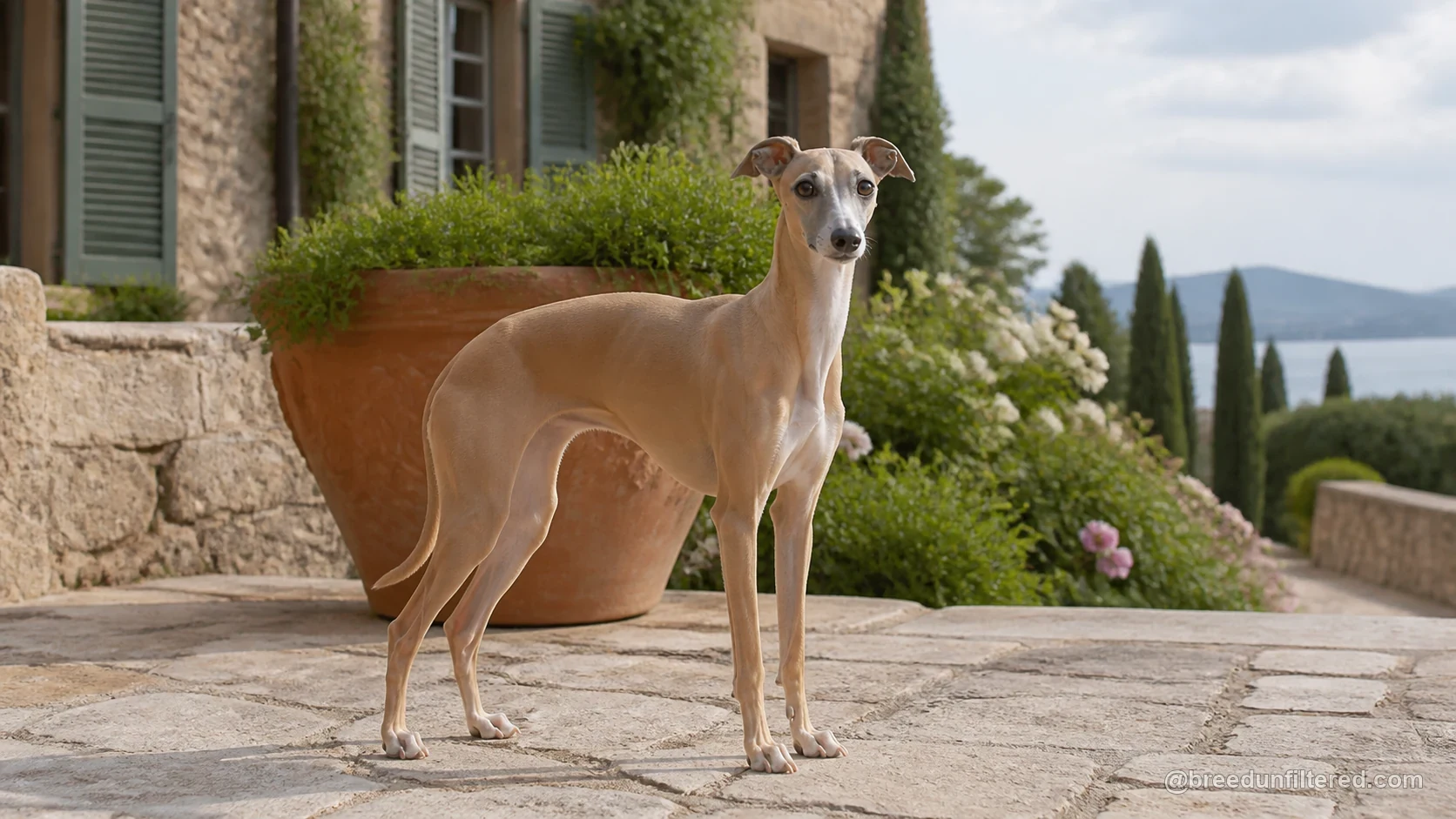
Complete breed guide
Italian Sighthound OWNERSHIP GUIDE
The Italian Sighthound, also known as the Piccolo Levriero Italiano, is a small, elegant sighthound with a history that stretches back centuries. Bred to course small game and to be a companion to nobility, this breed combines the speed and agility of a sighthound with a refined, affectionate nature. Their slender build and graceful movement often draw admiration, but prospective owners should look beyond the delicate appearance to understand the breed's true character and needs.
This article provides an evidence-conscious overview of the Italian Sighthound, covering its origins, temperament, exercise requirements, training, and health considerations. We aim to help you decide if this breed is a suitable match for your lifestyle, while acknowledging that individual dogs vary and that responsible ownership begins with thorough research.
Origin and Purpose
The Italian Sighthound is an ancient breed, with depictions of similar small sighthounds found in Mediterranean art dating back over two thousand years. They were prized by nobility and often kept as companions, but they also served a practical purpose: hunting small game such as hares and rabbits, using their keen sight and remarkable speed. The breed's name, Piccolo Levriero Italiano, translates to 'small Italian greyhound,' reflecting its close relationship to the larger Greyhound.
Today, the Italian Sighthound is primarily a companion animal, but its sighthound heritage remains evident in its chase instinct and love of running. The FCI standard (number 200) places it in Group 10, Sighthounds, and describes a dog that is 'a model of grace and elegance.' Understanding this dual history helps owners appreciate the breed's need for both affectionate companionship and opportunities to exercise its natural athleticism.
Temperament and Variation
Italian Sighthounds are often described as sensitive, affectionate, and devoted to their families. They tend to form strong bonds with their people and may be reserved or shy around strangers. As with any breed, individual temperament varies, and early, positive socialisation is key to helping them become confident adults. They are not typically aggressive, but they can be alert and may bark to announce visitors.
While they are gentle and often good with children when raised with them, their delicate build means they are better suited to households with older, respectful children. They are also known for their intelligence and can be independent thinkers, which can present training challenges. Prospective owners should be prepared for a dog that may be both cuddly and aloof, depending on the moment and the individual.
Exercise and Mental Work
Despite their small size, Italian Sighthounds are athletic and require regular exercise to stay healthy and happy. They enjoy short bursts of high-speed running, so a securely fenced area where they can sprint is ideal. However, they are not high-energy dogs in the sense of needing hours of vigorous activity; a few walks and play sessions each day are often sufficient. Because of their sighthound nature, they should always be kept on a lead or in a safe, enclosed space, as they may chase small animals.
Mental stimulation is equally important. Puzzle toys, nose work, and training sessions that engage their minds can help prevent boredom and destructive behaviours. They are intelligent but can be easily distracted by scents or movement, so training should be varied and rewarding. Owners should aim to provide a balance of physical and mental challenges to keep their Italian Sighthound content.
Training and Socialisation
Training an Italian Sighthound requires patience and a gentle, positive approach. They are sensitive and do not respond well to harsh corrections or force. They are often described as 'sighthound-like' in their independence, which means they may not be as eager to please as some other breeds. Short, fun training sessions with high-value treats and praise tend to yield the best results. Consistency and early socialisation are crucial to help them become well-adjusted adults.
Socialisation should begin in puppyhood, exposing them to a variety of people, environments, and other animals in a controlled, positive manner. This helps mitigate their natural reserve and reduces the risk of fear-based behaviours. While they can live with other dogs, their prey drive may make them unsafe around small pets such as rabbits or guinea pigs. With proper training and socialisation, they can be wonderful companions for experienced owners who appreciate their unique character.
Family and Other Pets
Italian Sighthounds can make excellent family pets for the right households. They are affectionate and enjoy being part of family activities, often following their owners from room to room. They are generally good with older children who understand how to handle a delicate dog gently. However, their fragile bones and thin skin mean they are not ideal for homes with very young, boisterous children who might accidentally injure them.
Regarding other pets, Italian Sighthounds can coexist with other dogs, especially if raised together. However, their strong prey drive means they may view small animals like cats, rabbits, or birds as prey, and caution is advised. Early socialisation can sometimes help, but it is not a guarantee. Prospective owners with small pets should carefully consider the risks and consult with breeders or rescue organisations for guidance.
Grooming and Health
The Italian Sighthound has a short, fine coat that is easy to groom. Weekly brushing with a soft brush or hound glove is usually sufficient to remove loose hair and keep the coat shiny. They are minimal shedders, but they do not have a thick undercoat, so they are sensitive to cold weather and may need a sweater in winter. Regular nail trimming, ear cleaning, and dental care are also part of routine maintenance.
As with many purebred dogs, Italian Sighthounds may be prone to certain health conditions, including dental issues, patellar luxation, and some eye problems. They are also sensitive to anesthesia and certain medications due to their low body fat. Responsible breeders screen for hereditary conditions, and owners should maintain regular veterinary check-ups. A balanced diet and appropriate exercise are essential to keep them in good condition, but owners should avoid overfeeding, as obesity can exacerbate health issues.
Costs and Responsibility
Owning an Italian Sighthound involves financial and time commitments. Initial costs include the purchase price from a reputable breeder or adoption fees from a rescue, as well as supplies such as a crate, bedding, and grooming tools. Ongoing expenses include high-quality food, routine veterinary care, vaccinations, and preventive medications. Emergency medical costs can be significant, so pet insurance is worth considering.
Beyond finances, owners must be prepared for a long-term commitment of 12 to 15 years. This breed thrives on human companionship and should not be left alone for long periods. They require regular exercise, mental stimulation, and a safe environment. Prospective owners should honestly assess their lifestyle, living situation, and ability to meet these needs before bringing an Italian Sighthound into their home.
Clear answers
FREQUENTLY ASKED QUESTIONS
Are Italian Sighthounds good with children?
Italian Sighthounds can be good with children, especially if they are raised with them and the children are taught to handle them gently. However, due to their delicate build, they are better suited to families with older, respectful children. Very young children may accidentally injure them, so supervision is essential.
Do Italian Sighthounds need a lot of exercise?
Italian Sighthounds need regular exercise but not excessive amounts. They enjoy short bursts of running and a few walks each day. A securely fenced area for off-lead sprints is ideal, but they should be kept on a lead in unsecured areas due to their prey drive.
Are Italian Sighthounds easy to train?
Italian Sighthounds are intelligent but can be independent and sensitive. They respond best to positive, reward-based training methods. They may not be as eager to please as some other breeds, so patience and consistency are key. Early socialisation is also important.
Do Italian Sighthounds get along with other pets?
Italian Sighthounds can live with other dogs, especially if socialised early. However, their prey drive may make them unsafe around small animals like cats, rabbits, or birds. Caution and careful introductions are necessary, and individual temperament varies.
What are the main health concerns for Italian Sighthounds?
Italian Sighthounds may be prone to dental issues, patellar luxation, and certain eye conditions. They are also sensitive to anesthesia and some medications. Responsible breeding and regular veterinary care can help manage these risks, but owners should be aware of potential health issues.
Sources and further reading
Scores describe typical breed tendencies from 1 to 10. They are not a quality ranking or a prediction for an individual dog.
Size and presence6/10
CompactVery large
Physical strength6/10
LightExceptional
Energy level9/10
LowRelentless
Exercise demand9/10
ModestVery demanding
Mental work needed6/10
ModerateDaily job
Trainability6/10
ChallengingExceptional
Everyday manageability3/10
SpecialistStraightforward
First-time owner fit4/10
Poor fitGood fit
Family-life fit6/10
LimitedExcellent
Dog sociability7/10
SelectiveVery social
Prey drive10/10
LowVery high
Guarding tendency2/10
MinimalSerious
Independence8/10
Handler-focusedSelf-directed
Grooming demand3/10
LightHeavy
Apartment fit5/10
Poor fitGood fit