Complete breed guide
Coton De Tulear OWNERSHIP GUIDE
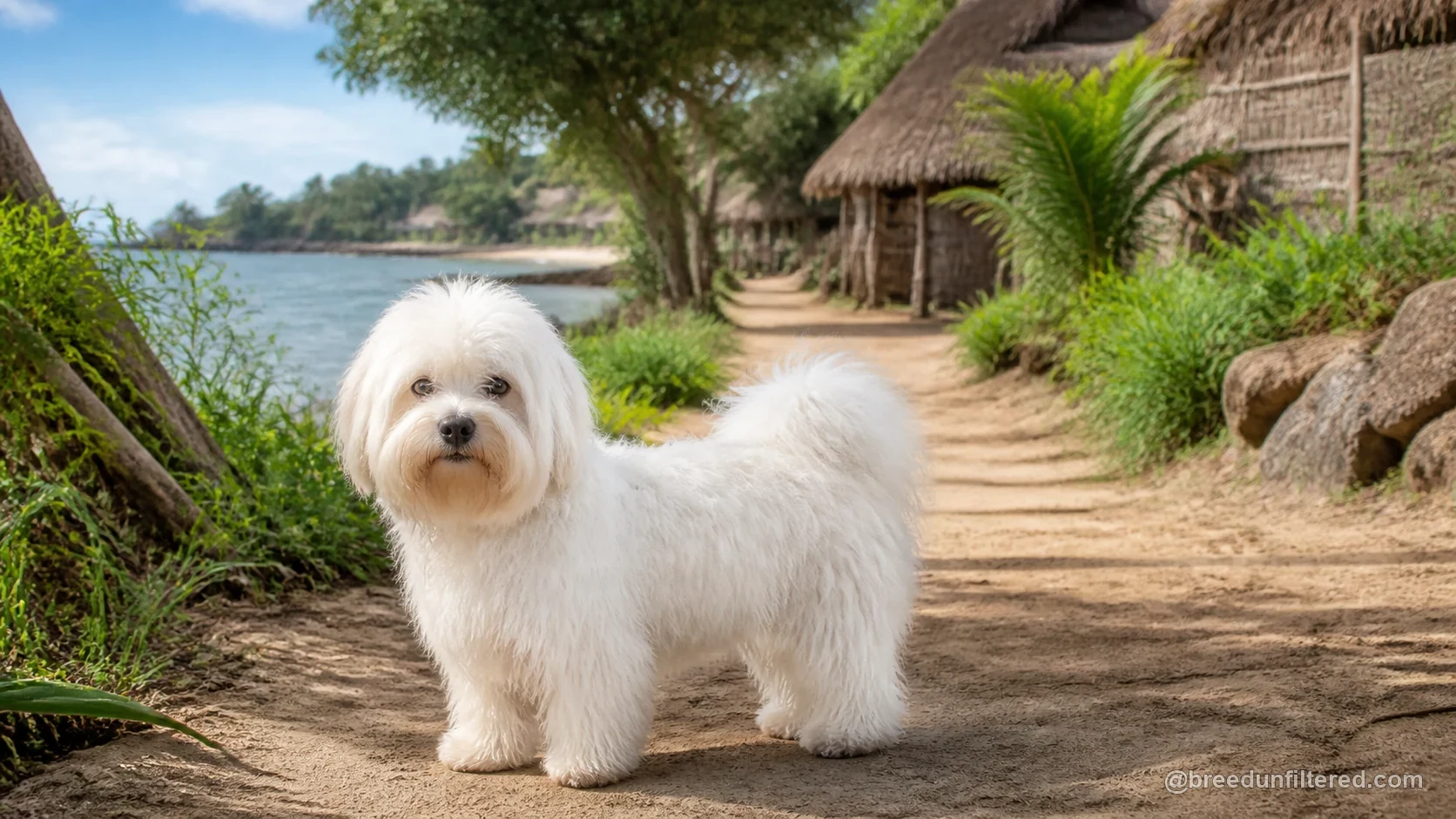
The Coton de Tulear is a small companion dog from Madagascar, named for its cotton-like coat and the port city of Tulear. Recognized by the FCI in Group 9 (Companion and Toy Dogs), this breed has a history as a favored pet of Malagasy royalty and has gradually gained admirers worldwide. Prospective owners are often drawn to its cheerful expression and soft, profuse coat, but it is important to look beyond appearance and understand the breed's practical needs.
This article offers an evidence-conscious overview of the Coton de Tulear, covering its origins, typical temperament, exercise and mental stimulation requirements, training and socialization, family compatibility, grooming and health considerations, and the financial and time commitments involved. The goal is to help you decide whether this breed aligns with your lifestyle, while acknowledging that individual dogs vary and that responsible ownership begins with research and preparation.
Origin and Purpose
The Coton de Tulear is believed to have originated on the island of Madagascar, with historical ties to the port city of Tulear (now Toliara). The breed's name reflects its distinctive coat, which resembles cotton. While the exact ancestry is not fully documented, it is thought to have developed from small companion dogs brought to the island by sailors or traders, possibly including the Bichon type. The breed was recognized by the FCI in 1970 and is classified in Group 9, Companion and Toy Dogs.
Historically, the Coton de Tulear served as a companion to the Merina and other Malagasy nobility, and it was considered a symbol of status. Unlike many breeds developed for specific working roles, the Coton was bred primarily for companionship, which has shaped its social and affectionate nature. Today, it remains a companion dog, and its purpose is to provide company and affection, rather than to perform a specific job. Understanding this background helps prospective owners appreciate the breed's strong bond with people.
Temperament and Variation
The Coton de Tulear is often described as cheerful, sociable, and affectionate, with a tendency to form close attachments to their family members. They are known for their playful antics and have been called 'the clown of the dog world' by some enthusiasts. However, it is important to note that temperament varies among individuals, and early socialization and training play a significant role in shaping behavior. While many Cotons are outgoing, some may be more reserved or sensitive, so prospective owners should meet the parents and observe the puppy's behavior when possible.
The breed is generally considered to be good with children and other pets, but supervision is always recommended, especially with young children who may not know how to interact gently with a small dog. Cotons are typically alert and may bark to announce visitors, but they are not known for aggressive guarding. They thrive on human companionship and may become anxious or develop behavioral issues if left alone for long periods. Understanding these tendencies helps set realistic expectations for life with a Coton.
Exercise and Mental Work
The Coton de Tulear is a small breed with moderate exercise needs. Daily walks and play sessions are generally sufficient to keep them physically fit, but they also enjoy interactive games and activities that engage their minds. Because they were bred as companions, they are often eager to participate in family activities and may enjoy learning tricks or participating in dog sports such as agility or rally, provided the activities are adapted to their size and stamina. It is important to avoid overexertion, especially in hot weather, as small dogs can be prone to heat stress.
Mental stimulation is equally important for this intelligent breed. Puzzle toys, scent games, and training sessions can help prevent boredom and destructive behaviors. Cotons are known for their problem-solving abilities and may use their cleverness to get what they want, so consistent and positive training methods are recommended. While they do not require excessive exercise, they do need regular opportunities to burn off energy and engage their minds to remain happy and well-adjusted.
Training and Socialisation
Training a Coton de Tulear can be a rewarding experience due to their intelligence and eagerness to please. Positive reinforcement techniques, such as treats, praise, and play, work best, as harsh methods can damage their trust and enthusiasm. They are generally responsive to training, but they may have a stubborn streak, so patience and consistency are key. Early obedience training and housebreaking are essential, and crate training can be helpful for establishing routines and providing a safe space.
Socialisation is crucial for developing a well-rounded adult dog. Exposing the puppy to a variety of people, environments, sounds, and other animals in a positive, controlled manner helps prevent fearfulness and promotes confidence. Because Cotons are naturally sociable, they often do well in social settings, but individual experiences matter. Puppy classes and regular outings can be beneficial. It is also important to teach children how to interact respectfully with the dog, and to supervise interactions with other dogs to ensure positive experiences.
Family and Other Pets
The Coton de Tulear is generally well-suited to family life, especially in households where someone is home for much of the day. They are affectionate and enjoy being involved in family activities, often following their owners from room to room. They tend to get along well with children, but because of their small size, they can be easily injured by rough handling, so supervision is necessary. With proper introduction, they can coexist peacefully with other dogs and even cats, as they typically have a friendly and non-aggressive nature.
However, it is important to remember that each dog is an individual, and early socialisation plays a significant role in how a Coton interacts with other pets. Some Cotons may be more territorial or less tolerant, especially if not properly socialised. Prospective owners should be prepared to manage introductions carefully and provide ongoing supervision until relationships are established. The breed's strong attachment to their family means they may not do well in homes where they are left alone for long periods, as they can develop separation anxiety.
Grooming and Health
The Coton de Tulear's coat is one of its most distinctive features, but it requires regular maintenance. The long, soft, cotton-like hair does not shed heavily, but it can mat easily if not brushed regularly. Daily brushing is often recommended to prevent tangles and keep the coat in good condition. Many owners choose to keep the coat clipped shorter for easier management, but this is a matter of personal preference. Regular bathing, ear cleaning, and nail trimming are also part of routine grooming. Some owners may opt for professional grooming every few months.
As with many purebred dogs, the Coton de Tulear may be predisposed to certain health conditions, but this does not mean every dog will develop them. Some conditions that have been reported in the breed include patellar luxation, hip dysplasia, and eye disorders such as progressive retinal atrophy. Responsible breeders screen their breeding dogs for these conditions and provide health clearances. Prospective owners should ask about health testing and the health history of the puppy's parents. Regular veterinary check-ups and a healthy diet are important for overall well-being.
Costs and Responsibility
Owning a Coton de Tulear involves significant financial and time commitments. The initial cost of a puppy from a reputable breeder can be substantial, and ongoing expenses include high-quality food, routine veterinary care, grooming supplies or professional grooming, and pet insurance. Emergency medical costs can be unexpected, so it is wise to budget for potential health issues. Additionally, the breed's grooming needs require a regular time investment, and their social nature means they need daily interaction and companionship.
Responsible ownership also means providing proper training, socialisation, and a safe environment. Prospective owners should be prepared for a long-term commitment, as the Coton de Tulear has a lifespan of around 15 to 20 years. It is essential to choose a breeder who prioritizes health and temperament, and to avoid supporting puppy mills or irresponsible breeding practices. Adopting from a rescue is another option. Before bringing a Coton home, consider your lifestyle, living situation, and ability to meet the breed's needs for the dog's entire life.
Clear answers
FREQUENTLY ASKED QUESTIONS
Are Coton de Tulears good with children?
Coton de Tulears are generally known for their affectionate and playful nature, and many do well with children when properly socialized and supervised. However, due to their small size, they can be easily injured by rough handling, so it is important to teach children how to interact gently and to always supervise playtime. Individual temperament varies, so early positive experiences are key.
How much exercise does a Coton de Tulear need?
The Coton de Tulear has moderate exercise needs. Daily walks and play sessions are usually sufficient to keep them healthy and happy. They also enjoy mental stimulation through puzzle toys and training games. It is important to avoid overexertion, especially in hot weather, and to adapt activities to their size and stamina. Regular, moderate exercise helps prevent obesity and behavioral issues.
Do Coton de Tulears shed a lot?
Coton de Tulears are considered low-shedding dogs, which can be appealing to some owners. However, their long, cotton-like coat requires regular grooming to prevent mats and tangles. Daily brushing is often recommended, and some owners choose to keep the coat clipped shorter for easier maintenance. While they may not shed much, they do require consistent grooming care.
Are Coton de Tulears easy to train?
Coton de Tulears are intelligent and generally eager to please, which can make training a positive experience. They respond best to positive reinforcement methods, such as treats and praise, and may become stubborn if forced. Consistency and patience are important. Early socialization and obedience training are recommended to ensure they develop into well-mannered adults.
What health issues are common in Coton de Tulears?
Like many purebred dogs, Coton de Tulears may be predisposed to certain health conditions, but not every dog will develop them. Some conditions reported in the breed include patellar luxation, hip dysplasia, and eye disorders such as progressive retinal atrophy. Responsible breeders screen their dogs for these issues. Regular veterinary check-ups and a healthy lifestyle can help maintain overall health.
Sources and further reading
Scores describe typical breed tendencies from 1 to 10. They are not a quality ranking or a prediction for an individual dog.
Size and presence1/10
CompactVery large
Physical strength2/10
LightExceptional
Energy level5/10
LowRelentless
Exercise demand4/10
ModestVery demanding
Mental work needed6/10
ModerateDaily job
Trainability6/10
ChallengingExceptional
Everyday manageability6/10
SpecialistStraightforward
First-time owner fit7/10
Poor fitGood fit
Family-life fit8/10
LimitedExcellent
Dog sociability7/10
SelectiveVery social
Prey drive4/10
LowVery high
Guarding tendency3/10
MinimalSerious
Independence7/10
Handler-focusedSelf-directed
Grooming demand9/10
LightHeavy
Apartment fit9/10
Poor fitGood fit