Complete breed guide
Hokkaido OWNERSHIP GUIDE
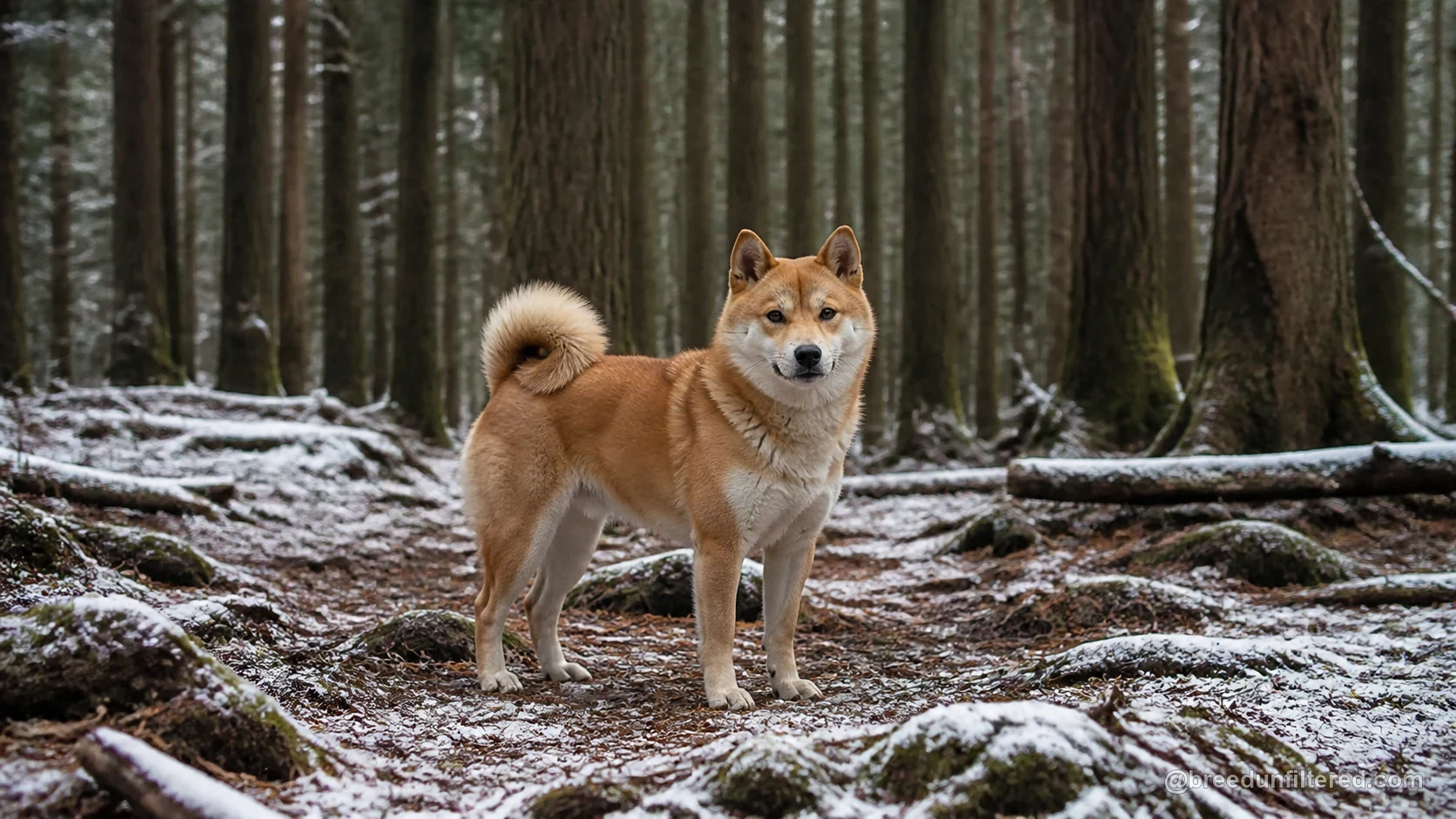
The Hokkaido, also known as the Ainu-ken, is a Japanese spitz-type breed with a lineage that traces back to the dogs that accompanied the Ainu people in the northern regions of Japan. Recognized by the FCI in Group 5 (Spitz and Primitive types), this breed was designated a natural monument in Japan in 1937, reflecting its cultural and historical significance. The Hokkaido is a medium-sized, robust dog with a thick double coat, erect ears, and a curled tail, built for endurance and resilience in harsh, snowy climates.
For prospective owners, the Hokkaido offers a unique combination of loyalty, alertness, and a strong work ethic. However, this breed is not a typical companion dog; it retains many primitive instincts, including a high prey drive and a reserved nature with strangers. Understanding the Hokkaido's background and inherent traits is essential before bringing one into your home. This article provides an evidence-conscious overview of the breed's characteristics, care requirements, and the responsibilities that come with ownership.
Origin and Purpose
The Hokkaido breed originated on the island of Hokkaido in Japan, where it was used by the Ainu people for hunting bear, deer, and other game. The breed's development was shaped by the region's cold, snowy environment, resulting in a dog with a dense, weather-resistant coat and a sturdy, agile body. The Hokkaido was officially recognized by the FCI in 1964, and its standard (FCI 261) describes a dog of medium size, with a wedge-shaped head, small triangular eyes, and a thick tail carried over the back.
Historically, the Hokkaido was valued for its courage, endurance, and keen senses, making it an effective hunting companion. Today, while its hunting role has diminished, the breed retains these instincts and is often used in Japan for search and rescue operations. The breed's name 'Ainu-ken' reflects its association with the indigenous Ainu people, and it is considered a national treasure in Japan. Prospective owners should appreciate this heritage, as it influences the dog's behavior and needs.
Temperament and Variation
The Hokkaido is known for its loyalty, alertness, and courage. It forms strong bonds with its family and is often described as devoted and protective. However, it can be wary of strangers and may exhibit a reserved or aloof demeanor. This breed is not typically aggressive without cause, but its guarding instincts can manifest as barking or cautious behavior. Individual temperament varies, influenced by genetics, socialization, and training, so it is important to avoid universal claims.
As a primitive breed, the Hokkaido retains a strong prey drive and may chase small animals. It is also known for its independence and problem-solving abilities, which can be both a challenge and a delight for owners. Early and ongoing socialization is crucial to help the dog become well-adjusted and to mitigate potential reactivity. While some Hokkaidos may be more outgoing, others may be more reserved, and prospective owners should be prepared for this variability.
Exercise and Mental Work
The Hokkaido is an active and energetic breed that requires regular physical exercise to maintain its physical and mental well-being. Daily walks, play sessions, and opportunities to run in a securely fenced area are generally recommended. However, the exact amount of exercise can vary based on the individual dog's age, health, and energy level. It is important to provide a variety of activities to prevent boredom, as this intelligent breed can become destructive if under-stimulated.
Mental stimulation is equally important for the Hokkaido. Puzzle toys, scent games, and training sessions that challenge the dog's mind can help satisfy its need for mental work. Activities such as agility, obedience, or even tracking can be excellent outlets for its natural abilities. Owners should be prepared to invest time in both physical and mental enrichment to keep their Hokkaido content and well-balanced.
Training and Socialisation
Training a Hokkaido requires patience, consistency, and a positive approach. This breed is intelligent but can be independent and stubborn, so harsh methods are counterproductive. Early socialization is essential, exposing the dog to a variety of people, animals, and environments to help it develop into a confident and well-mannered adult. Puppy classes and controlled introductions can be beneficial.
The Hokkaido responds well to reward-based training that uses treats, praise, or play as incentives. Establishing clear leadership and boundaries is important, but this should be done through gentle guidance rather than dominance. Because of its hunting background, recall may be challenging, especially when the dog is distracted by prey. Using a long line in safe areas and practicing reliable recall commands can help manage this tendency.
Family and Other Pets
The Hokkaido can be a devoted family companion, often forming strong bonds with children in its household. However, due to its size and energetic nature, supervision is recommended when interacting with very young children to prevent accidental knocks. The breed's protective instincts may make it a good watchdog, but it may be wary of unfamiliar visitors. Proper socialization from an early age can help the dog accept guests more readily.
When it comes to other pets, the Hokkaido's high prey drive can pose challenges. It may not be suitable for homes with small animals such as cats, rabbits, or rodents, as the instinct to chase can be strong. With other dogs, early and ongoing socialization can help, but same-sex aggression may occur in some individuals. Prospective owners should carefully consider their existing pets and be prepared to manage introductions and interactions.
Grooming and Health
The Hokkaido has a thick double coat that sheds heavily, especially during seasonal changes. Regular brushing, at least a few times a week, is necessary to manage loose fur and prevent matting. During shedding seasons, daily brushing may be required. Bathing should be done as needed, and routine care such as nail trimming, ear cleaning, and dental hygiene should not be overlooked.
As a generally hardy breed, the Hokkaido is not known for a high incidence of specific health problems, but like all dogs, it can be prone to certain conditions. Hip dysplasia, patellar luxation, and eye disorders have been reported in the breed. Responsible breeders screen for these issues, and prospective owners should ask for health clearances. Regular veterinary check-ups and a balanced diet contribute to overall health, but no guarantees can be made for individual dogs.
Costs and Responsibility
Owning a Hokkaido involves significant financial and time commitments. Initial costs include the purchase price from a reputable breeder, which can be substantial, as well as supplies such as a crate, bedding, and grooming tools. Ongoing expenses include high-quality food, routine veterinary care, vaccinations, and preventive medications. Emergency medical costs should also be considered, and pet insurance may be a prudent investment.
Beyond finances, responsible ownership requires a commitment to training, socialization, and providing adequate exercise and mental stimulation. The Hokkaido is not a low-maintenance breed; it thrives with an owner who understands its needs and can dedicate time daily. Potential owners should also consider their living situation, as this breed may not be ideal for apartments due to its energy and size. Ultimately, bringing a Hokkaido into your life is a long-term responsibility that should not be taken lightly.
Clear answers
FREQUENTLY ASKED QUESTIONS
Is the Hokkaido a good family dog?
The Hokkaido can be a loyal and affectionate family companion, especially when raised with children. However, its strong prey drive and reserved nature with strangers require careful socialization and supervision. It may not be the best choice for families with very young children or small pets, as its hunting instincts can be strong. Each dog is an individual, so temperament varies.
How much exercise does a Hokkaido need?
The Hokkaido is an active breed that generally needs daily physical activity, such as brisk walks, playtime, and opportunities to run in a safe area. The exact amount depends on the dog's age, health, and energy level. Mental stimulation is equally important to prevent boredom. Owners should be prepared to provide both physical and mental enrichment.
Is the Hokkaido easy to train?
The Hokkaido is intelligent but can be independent and stubborn, making training a challenge for novice owners. Positive reinforcement methods work best, and early socialization is crucial. Consistency and patience are key. While some individuals may be eager to please, others may be more aloof, so training should be tailored to the dog's personality.
Does the Hokkaido shed a lot?
Yes, the Hokkaido has a thick double coat that sheds heavily, particularly during seasonal changes. Regular brushing, often daily during shedding periods, is necessary to manage loose fur and keep the coat healthy. Grooming is a significant commitment for this breed, and prospective owners should be prepared for regular maintenance.
Are Hokkaidos good with other dogs?
Hokkaidos can get along with other dogs if properly socialized from an early age, but they may be selective and can show same-sex aggression in some cases. Their prey drive may also make them unsafe around small animals. Careful introductions and ongoing supervision are essential, and not all individuals will be dog-friendly.
Sources and further reading
Scores describe typical breed tendencies from 1 to 10. They are not a quality ranking or a prediction for an individual dog.
Size and presence5/10
CompactVery large
Physical strength6/10
LightExceptional
Energy level8/10
LowRelentless
Exercise demand8/10
ModestVery demanding
Mental work needed8/10
ModerateDaily job
Trainability6/10
ChallengingExceptional
Everyday manageability2/10
SpecialistStraightforward
First-time owner fit3/10
Poor fitGood fit
Family-life fit6/10
LimitedExcellent
Dog sociability3/10
SelectiveVery social
Prey drive10/10
LowVery high
Guarding tendency7/10
MinimalSerious
Independence9/10
Handler-focusedSelf-directed
Grooming demand10/10
LightHeavy
Apartment fit4/10
Poor fitGood fit