Complete breed guide
East Siberian Laika OWNERSHIP GUIDE
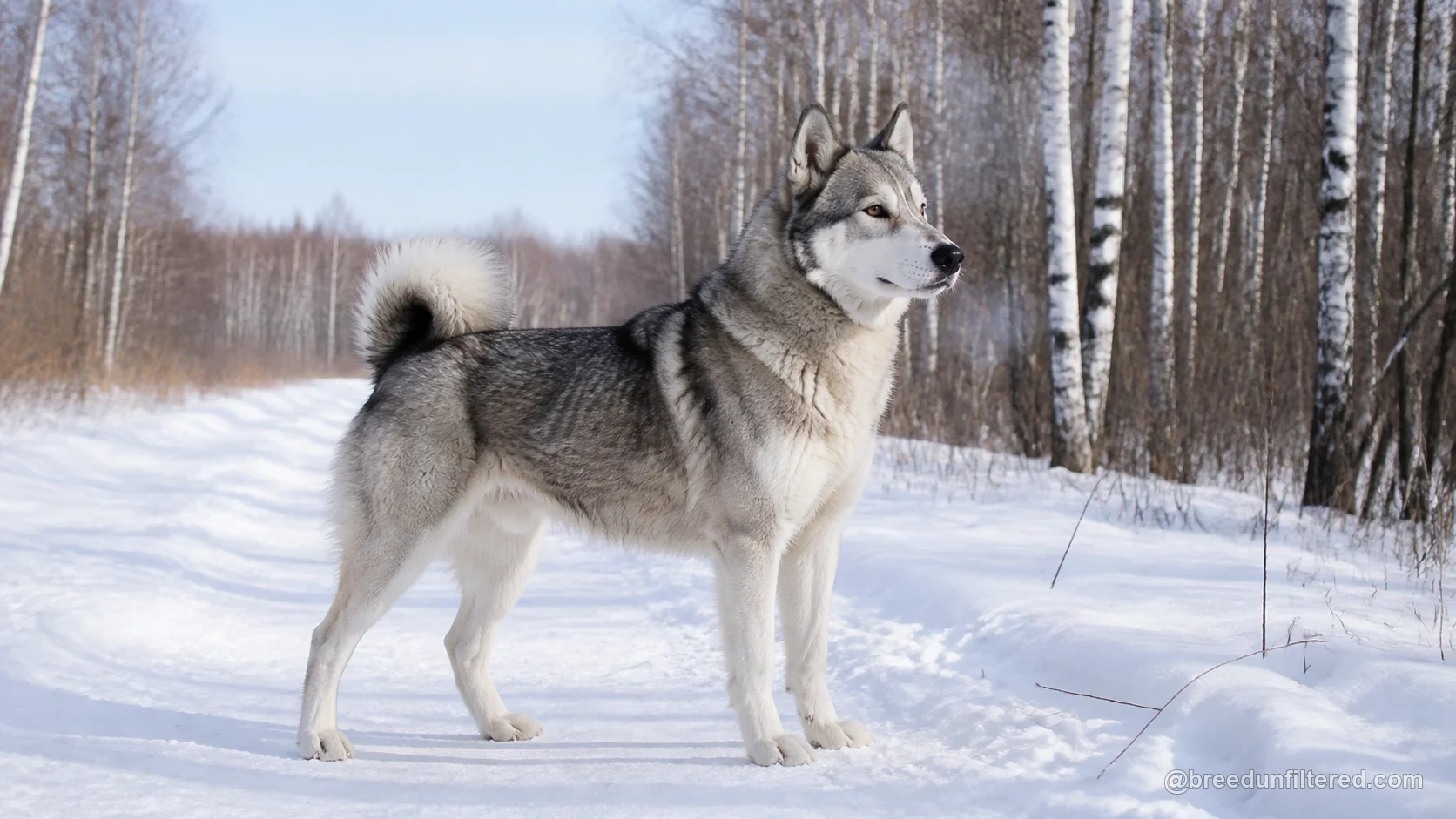
The East Siberian Laika is a robust and versatile hunting dog originating from the taiga and mountainous regions of Siberia. Bred for endurance and adaptability, this breed has been a trusted companion for hunters pursuing large game such as bear, elk, and wild boar. Its thick double coat and resilient nature allow it to thrive in harsh climates, making it a remarkable example of a working breed shaped by its environment.
For prospective owners, the East Siberian Laika offers a unique blend of independence, intelligence, and loyalty. However, this breed is not suited to every household. Its high energy levels, strong prey drive, and need for mental stimulation require an experienced and active owner. Understanding the breed's origins and inherent traits is essential before welcoming one into your home.
Origin and Purpose
The East Siberian Laika is one of several Laika breeds developed by indigenous peoples of Siberia, such as the Evenki and Buryat. These dogs were selectively bred for their hunting prowess, particularly in tracking and baying large game. The breed's development was influenced by the vast, rugged terrain of Eastern Siberia, where stamina and resilience were paramount.
Recognized by the Fédération Cynologique Internationale (FCI) under standard number 305, the East Siberian Laika is classified in Group 5 (Spitz and primitive types). Its historical role as a hunting companion has shaped its physical and behavioral characteristics, including a strong prey drive and a keen sense of independence. Today, while still used for hunting, it also participates in dog sports and serves as a devoted family companion in suitable homes.
Temperament and Variation
The East Siberian Laika is known for its balanced and composed temperament. It is typically loyal and affectionate with its family, but can be reserved with strangers. Individual variation is significant, influenced by genetics and early socialization. Some lines may exhibit a more pronounced guarding instinct, while others are more sociable.
This breed is intelligent and independent, often showing a willingness to work but also a stubborn streak. It thrives on having a job to do and may become bored or destructive if left without mental and physical challenges. Prospective owners should be prepared for a dog that is both a companion and a working partner, requiring consistent guidance and engagement.
Exercise and Mental Work
The East Siberian Laika is a high-energy breed that requires substantial daily exercise. Long walks, hiking, and opportunities to run in safe, enclosed areas are essential. Without adequate physical activity, this dog may develop behavioral issues such as excessive barking or digging. The breed's endurance makes it well-suited for active individuals who enjoy outdoor pursuits.
Mental stimulation is equally important. Puzzle toys, scent games, and training sessions that challenge the dog's problem-solving abilities can help satisfy its need for mental work. Activities like tracking or agility can provide an outlet for its natural instincts. Owners should plan for a lifestyle that accommodates both physical and mental exercise to keep the dog content and well-adjusted.
Training and Socialisation
Training an East Siberian Laika requires patience and consistency. This breed responds well to positive reinforcement methods, such as treats and praise, but may become bored with repetitive drills. Early socialization is crucial to help the dog develop into a well-mannered adult, especially around other animals and unfamiliar people.
Due to its independent nature, the East Siberian Laika may challenge an inexperienced owner. Establishing clear boundaries and using firm, fair training techniques are important. Enrolling in obedience classes or working with a professional trainer can be beneficial. Socialization should begin early and continue throughout the dog's life to ensure it remains adaptable and confident.
Family and Pets
The East Siberian Laika can be a devoted family dog, forming strong bonds with its human pack. It is generally good with children, especially when raised with them, but its size and energy may be overwhelming for very young kids. Supervision and teaching children how to interact respectfully with dogs are essential.
When it comes to other pets, the breed's hunting instincts can pose challenges. Small animals such as cats, rabbits, or rodents may trigger its prey drive. With early and consistent socialization, some individuals may learn to coexist with other pets, but it is not guaranteed. Prospective owners should assess their household dynamics and be prepared to manage these instincts.
Grooming and Health
The East Siberian Laika has a thick double coat that sheds seasonally. Regular brushing, especially during shedding periods, helps manage loose fur and maintain coat health. Bathing should be infrequent to preserve natural oils. Nail trimming, ear cleaning, and dental care are routine aspects of grooming.
As a generally hardy breed, the East Siberian Laika may have fewer hereditary health issues compared to some purebreds. However, like all dogs, it can be prone to conditions such as hip dysplasia or eye disorders. Responsible breeders screen for these issues. Regular veterinary check-ups and a balanced diet contribute to overall well-being. Owners should be aware of potential health concerns and maintain a proactive approach to care.
Costs and Responsibility
Owning an East Siberian Laika involves financial and time commitments. Initial costs include the purchase price from a reputable breeder, which can vary, and essential supplies such as a crate, bedding, and food. Ongoing expenses include high-quality nutrition, routine veterinary care, and potential emergency medical costs. Pet insurance may be a wise investment.
Beyond finances, this breed demands a significant time investment for exercise, training, and companionship. It is not a dog that can be left alone for long periods. Prospective owners should honestly assess their lifestyle and ability to meet the breed's needs. Responsible ownership also includes ensuring the dog is properly contained and supervised, as its hunting instincts may lead it to roam.
Clear answers
FREQUENTLY ASKED QUESTIONS
Is the East Siberian Laika a good family dog?
The East Siberian Laika can be a good family dog for active households that understand its needs. It is typically loyal and affectionate with its family, and can get along well with children if raised with them. However, its high energy and strong prey drive require supervision around small pets and young kids. Early socialization and training are essential to ensure a well-adjusted companion.
How much exercise does an East Siberian Laika need?
The East Siberian Laika is a high-energy breed that needs substantial daily exercise. This includes long walks, hikes, and opportunities to run in safe, enclosed areas. Without adequate physical activity, it may develop destructive behaviors. Mental stimulation is also crucial, so owners should incorporate puzzle toys, training sessions, or scent games into the routine to keep the dog engaged.
Is the East Siberian Laika easy to train?
Training an East Siberian Laika can be challenging due to its independent and intelligent nature. It responds best to positive reinforcement techniques, but may become bored with repetitive drills. Consistency and patience are key. Early socialization and obedience training are recommended to help the dog develop good manners. Experienced owners may find it more manageable than novices.
Does the East Siberian Laika shed a lot?
Yes, the East Siberian Laika has a thick double coat that sheds heavily, especially during seasonal changes. Regular brushing, at least a few times a week, is necessary to manage loose fur and prevent matting. During shedding seasons, daily brushing may be needed. Bathing should be infrequent to avoid stripping natural oils. This breed is not considered hypoallergenic.
Can an East Siberian Laika live in an apartment?
An East Siberian Laika is not well-suited for apartment living due to its high energy and need for space. It thrives in homes with a securely fenced yard where it can run and explore. Apartment dwellers would need to provide extensive daily exercise and mental stimulation, which may be challenging. This breed is best for owners with access to outdoor areas.
Sources and further reading
Scores describe typical breed tendencies from 1 to 10. They are not a quality ranking or a prediction for an individual dog.
Size and presence5/10
CompactVery large
Physical strength6/10
LightExceptional
Energy level9/10
LowRelentless
Exercise demand10/10
ModestVery demanding
Mental work needed8/10
ModerateDaily job
Trainability4/10
ChallengingExceptional
Everyday manageability1/10
SpecialistStraightforward
First-time owner fit3/10
Poor fitGood fit
Family-life fit6/10
LimitedExcellent
Dog sociability6/10
SelectiveVery social
Prey drive10/10
LowVery high
Guarding tendency6/10
MinimalSerious
Independence10/10
Handler-focusedSelf-directed
Grooming demand10/10
LightHeavy
Apartment fit4/10
Poor fitGood fit