Complete breed guide
Romanian Bucovina Shepherd OWNERSHIP GUIDE
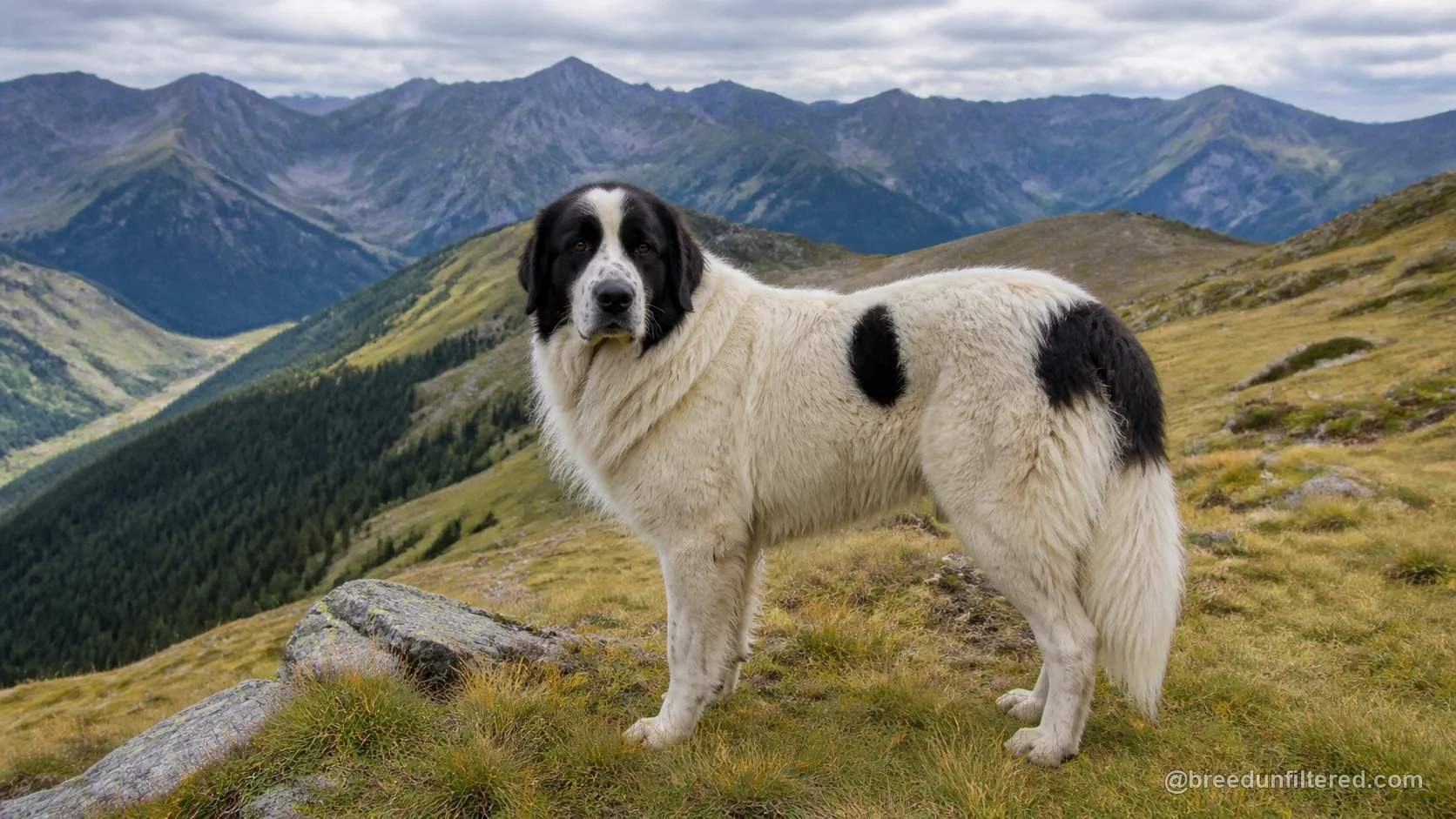
The Romanian Bucovina Shepherd, also known as the Ciobanesc Romanesc de Bucovina, is a large and powerful livestock guardian breed from the Carpathian Mountains of Romania. Bred for centuries to protect flocks from predators such as wolves and bears, this breed embodies courage, vigilance, and a deep sense of duty. Their imposing stature and thick double coat are matched by a calm and steady demeanor, making them both formidable protectors and gentle companions within their family circle.
Prospective owners should understand that the Bucovina Shepherd is not a typical pet. They are independent thinkers, highly territorial, and naturally suspicious of strangers. While they are devoted and affectionate with their own people, they require experienced handling, early socialization, and a job to do. This article provides an evidence-conscious overview of the breed's origins, temperament, care needs, and the responsibilities that come with sharing your life with a guardian of this caliber.
Origin and Purpose
The Romanian Bucovina Shepherd originates from the historical region of Bucovina in northeastern Romania, an area characterized by rugged mountains and vast pastures. The breed was developed by shepherds who needed a reliable guardian for their flocks, capable of deterring large predators. The FCI standard (number 357) places the breed in Group 2, Pinscher and Schnauzer type, Molossoid and Swiss Mountain and Cattledogs, under the section for Molossoid breeds. This classification reflects their substantial build and guarding heritage.
Historically, these dogs worked independently alongside shepherds, making decisions to protect sheep without constant human direction. Their role was not to herd but to guard, using their size, bark, and courage to intimidate threats. This purpose has shaped their temperament and physical characteristics: they are large, agile enough to traverse rough terrain, and possess a thick coat that withstands harsh weather. Understanding this background is essential for anyone considering the breed, as their instincts are deeply ingrained.
Temperament and Variation
Bucovina Shepherds are known for their calm, balanced, and loyal temperament. They are typically devoted to their family and can be gentle and patient with children they know. However, they are also highly protective and territorial, which can manifest as aloofness or aggression toward strangers if not properly managed. Individual variation exists: some may be more social, while others are more reserved. Early and ongoing socialization is critical to help them distinguish between normal and threatening situations.
These dogs are not typically aggressive without reason, but their guarding instincts are strong. They may bark to alert their family to any perceived intrusion, and they are not afraid to act if they feel their charges are threatened. Their independence can be mistaken for stubbornness, but it is a reflection of their history of making autonomous decisions. Prospective owners should be prepared for a dog that is both affectionate and self-reliant, requiring a confident leader who can provide structure and guidance.
Exercise and Mental Work
While Bucovina Shepherds are not hyperactive, they do require regular exercise to maintain physical health and mental well-being. A large, securely fenced yard is ideal, as they need space to patrol and explore. Daily walks or hikes are beneficial, but the most important aspect is providing them with a sense of purpose. Activities that engage their guarding instincts, such as scent work, obedience training, or even simple tasks like carrying a backpack, can be mentally stimulating.
Mental work is as crucial as physical exercise for this intelligent breed. Without adequate mental stimulation, they may become bored and develop undesirable behaviors such as excessive barking, digging, or destructiveness. Puzzle toys, training sessions, and interactive games can help keep their minds sharp. However, it is important to avoid over-exercising puppies and young dogs to protect their developing joints. A balanced routine that includes both physical and mental challenges is key to a content Bucovina.
Training and Socialisation
Training a Bucovina Shepherd requires patience, consistency, and a firm but gentle approach. They respond best to positive reinforcement methods that build trust and respect. Harsh or punitive techniques can damage the bond and increase stubbornness. Early socialization is paramount: expose them to a variety of people, animals, environments, and sounds from a young age to help them become well-adjusted adults. Puppy classes and controlled introductions can be very beneficial.
Because of their independent nature, Bucovinas may not be as eager to please as some other breeds. They need a handler who can establish clear boundaries and provide leadership without resorting to force. Obedience training should be ongoing, with a focus on recall and impulse control. It is also important to teach them to be calm around strangers and other dogs, as their guarding instincts can lead to overprotectiveness. With time and effort, they can become reliable companions, but they are not recommended for first-time dog owners.
Family and Other Pets
Bucovina Shepherds can be wonderful family dogs when raised with children and other animals. They are typically patient and protective of their family, including kids, and can form strong bonds with them. However, due to their large size and guarding nature, supervision is necessary when they are around very young children to prevent accidental knocks or overly protective behavior. They may also be wary of unfamiliar children, so early socialization is key.
With other pets, their behavior can vary. They generally get along well with dogs they are raised with, but they may be dominant or intolerant of same-sex dogs or unfamiliar canines. Their prey drive is moderate, but they may chase small animals, especially if they are not socialized with them. Cats and small pets can coexist if introduced carefully and raised together, but it is not guaranteed. As with any breed, individual temperament plays a significant role, and careful introductions are essential.
Grooming and Health
The Bucovina Shepherd has a thick, double coat that sheds seasonally and requires regular grooming. Weekly brushing is usually sufficient, but during shedding periods, daily brushing may be needed to manage loose hair. They are generally clean dogs and do not require frequent baths, but their ears should be checked regularly, and nails trimmed as needed. Their coat is designed to repel dirt and water, making them relatively low-maintenance in terms of grooming, but they do shed considerably.
As a large breed, Bucovinas are prone to certain health issues, including hip and elbow dysplasia, bloat (gastric dilatation-volvulus), and some eye conditions. Responsible breeders screen for these conditions, but no dog is guaranteed to be healthy. Prospective owners should be prepared for potential veterinary costs and should feed a high-quality diet appropriate for large breeds. Regular exercise and weight management are important to reduce stress on joints. It is also crucial to work with a veterinarian familiar with giant breeds.
Costs and Responsibility
Owning a Romanian Bucovina Shepherd is a significant financial and time commitment. Initial costs include purchasing from a reputable breeder, which can be substantial, as well as supplies such as a crate, bedding, and food. Ongoing expenses include high-quality food, routine veterinary care, vaccinations, and preventative medications. Emergency medical care and potential treatments for genetic conditions can add up, so pet insurance or a dedicated savings fund is advisable.
Beyond finances, these dogs require a considerable amount of time and attention. They need daily exercise, mental stimulation, and consistent training. They are not suited to apartment living or homes with small yards, as they need space to roam and guard. They also have a long lifespan for a large breed, often 10-12 years, so owners must be prepared for a long-term commitment. Responsible ownership also involves proper containment, socialization, and adherence to local laws regarding large breeds. This breed is best suited to experienced owners who can provide the structure and environment they need.
Clear answers
FREQUENTLY ASKED QUESTIONS
Are Romanian Bucovina Shepherds good with children?
Bucovina Shepherds can be good with children, especially when raised with them from puppyhood. They are typically patient and protective of their family, but their large size and guarding instincts mean supervision is essential, particularly with young children. Early socialization and training help them learn appropriate behavior around kids, but they may be wary of unfamiliar children.
How much exercise does a Romanian Bucovina Shepherd need?
Bucovina Shepherds require moderate exercise, such as daily walks or hikes, but they also need mental stimulation. They are not hyperactive but enjoy having space to patrol. A large, fenced yard is ideal. Without adequate physical and mental activity, they may become bored and develop destructive behaviors.
Are Romanian Bucovina Shepherds easy to train?
Training a Bucovina Shepherd can be challenging due to their independent nature. They are intelligent but not always eager to please, so they require a patient, consistent handler who uses positive reinforcement. Early socialization and ongoing obedience training are crucial. They are not recommended for first-time dog owners.
Do Romanian Bucovina Shepherds get along with other dogs?
Bucovina Shepherds can get along with other dogs, especially if raised with them, but they may be dominant or territorial with unfamiliar dogs, particularly same-sex ones. Early socialization and careful introductions are important. Their guarding instincts can lead to protective behavior, so supervision is recommended.
What are the grooming requirements for a Romanian Bucovina Shepherd?
Bucovina Shepherds have a thick double coat that sheds seasonally. Weekly brushing is typically sufficient, but daily brushing may be needed during shedding periods. They are relatively clean dogs and do not require frequent baths. Regular ear checks, nail trims, and dental care are also part of their grooming routine.
Sources and further reading
Scores describe typical breed tendencies from 1 to 10. They are not a quality ranking or a prediction for an individual dog.
Size and presence10/10
CompactVery large
Physical strength10/10
LightExceptional
Energy level6/10
LowRelentless
Exercise demand6/10
ModestVery demanding
Mental work needed7/10
ModerateDaily job
Trainability7/10
ChallengingExceptional
Everyday manageability2/10
SpecialistStraightforward
First-time owner fit1/10
Poor fitGood fit
Family-life fit6/10
LimitedExcellent
Dog sociability4/10
SelectiveVery social
Prey drive6/10
LowVery high
Guarding tendency10/10
MinimalSerious
Independence8/10
Handler-focusedSelf-directed
Grooming demand7/10
LightHeavy
Apartment fit2/10
Poor fitGood fit