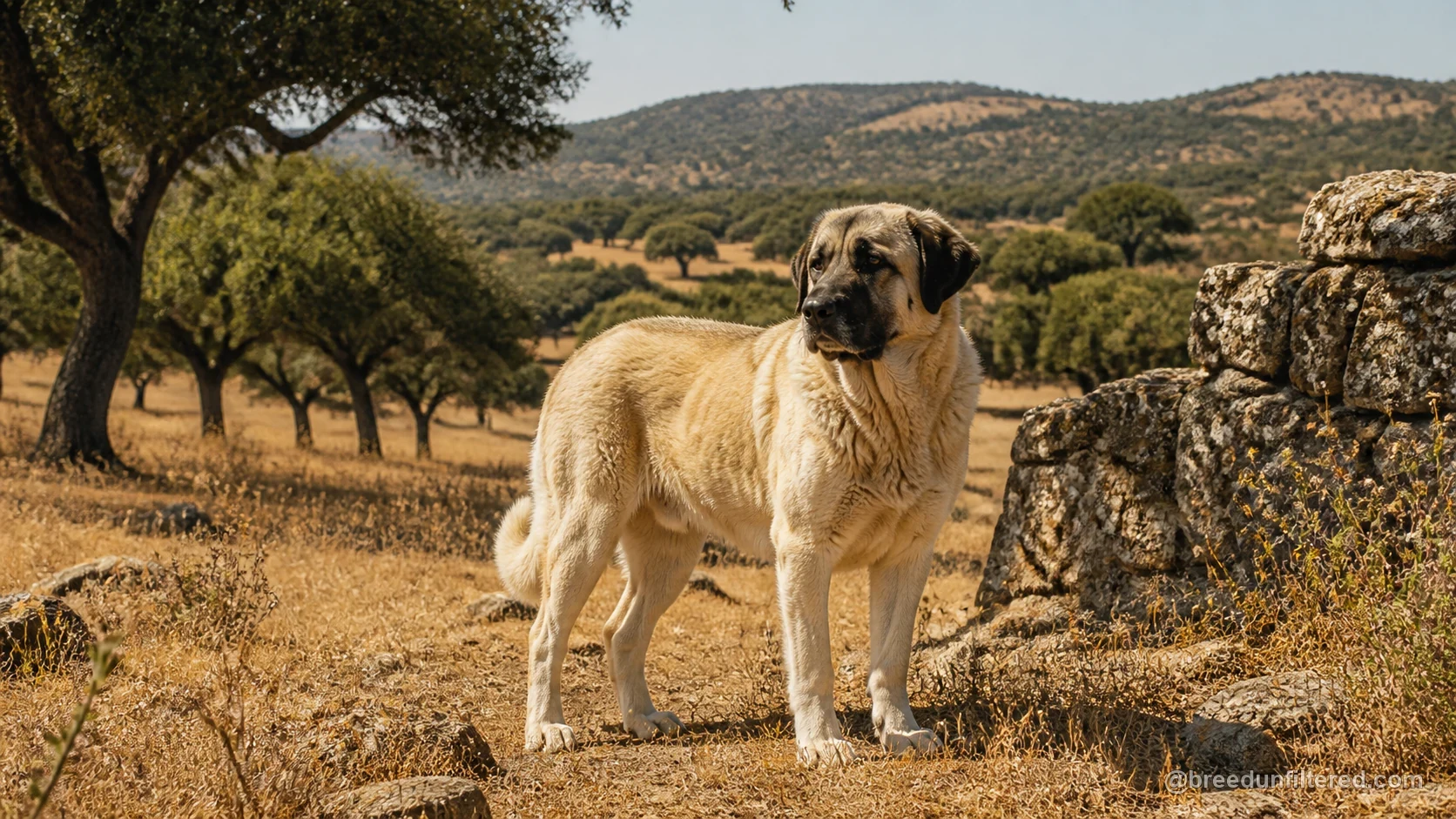
Complete breed guide
Rafeiro Of Alentejo OWNERSHIP GUIDE
The Rafeiro of Alentejo, also known as the Rafeiro do Alentejo, is a large and powerful livestock guardian dog from the Alentejo region of Portugal. Bred for centuries to protect flocks from predators, this breed is characterized by its calm demeanor, loyalty, and strong guarding instincts. Prospective owners should understand that the Rafeiro is not a typical companion dog; it requires experienced handling, ample space, and a clear job or purpose to thrive.
This article provides an in-depth look at the Rafeiro of Alentejo, covering its origins, temperament, exercise needs, training, health, and the responsibilities of ownership. Whether you are considering adding one to your family or simply want to learn more, this guide offers practical insights to help you decide if this majestic guardian is the right fit for your lifestyle.
Origin and Purpose
The Rafeiro of Alentejo hails from the southern region of Portugal, where it has been used for centuries as a livestock guardian. Its primary role was to protect sheep and cattle from wolves and other predators, often working independently or in small groups. The breed's name derives from the Portuguese word 'rafeiro,' meaning 'mongrel' or 'cur,' but it has since become a recognized purebred with a distinct lineage.
Recognized by the Fédération Cynologique Internationale (FCI) in Group 2, Section 2.2 (Mountain Dogs), the Rafeiro is one of several Portuguese livestock guardian breeds. Its history is closely tied to the transhumance practices of the region, where shepherds moved flocks across vast territories. This background has shaped the breed's temperament, making it watchful, territorial, and deeply devoted to its charges.
Temperament and Variation
The Rafeiro of Alentejo is known for its calm and composed nature, often described as 'phlegmatic' by breed enthusiasts. It is not a hyperactive dog; rather, it tends to be observant and deliberate in its actions. While it is affectionate with its family, it can be aloof with strangers, reflecting its guarding heritage. Individual temperament can vary, with some dogs being more social and others more reserved, depending on genetics and early socialization.
This breed is not typically aggressive without cause, but it will not hesitate to defend its territory or family if it perceives a threat. Its guarding instinct is strong, and it may be suspicious of unfamiliar people or animals. Prospective owners should be prepared for a dog that is independent-minded and may not always seek constant attention, but that forms deep bonds with its human pack.
Exercise and Mental Work
Despite its large size, the Rafeiro of Alentejo is not a high-energy dog. It requires moderate daily exercise, such as a long walk or a good romp in a securely fenced area. However, its true needs lie in mental stimulation and a sense of purpose. As a livestock guardian, it is used to making decisions and patrolling its territory, so it thrives when given tasks that engage its mind, such as obedience training, scent work, or even guarding duties on a farm.
Without adequate mental and physical outlets, a Rafeiro can become bored and may develop undesirable behaviors like excessive barking or destructiveness. It is not a dog that will be satisfied with a quick trip to the backyard; it needs regular interaction and challenges. Owners should plan for at least an hour of activity daily, but the emphasis should be on quality and variety rather than sheer duration.
Training and Socialisation
Training a Rafeiro of Alentejo requires patience, consistency, and a firm but gentle hand. This breed is intelligent but also independent, and it may question commands if it sees no reason to comply. Positive reinforcement methods work best, as harsh corrections can damage trust and lead to stubbornness. Early obedience training is essential to establish leadership and basic manners, but owners should be prepared for a dog that may not be as eager to please as a retriever.
Socialisation is equally critical. Exposing the Rafeiro to a wide range of people, animals, and environments from a young age helps mitigate its natural suspicion of strangers. However, even with thorough socialisation, it may remain aloof and protective. It is not a breed that will welcome every visitor with a wagging tail, and owners must manage introductions carefully to prevent over-guarding.
Family and Other Pets
The Rafeiro of Alentejo can be a devoted family companion, especially when raised with children. It is typically patient and tolerant, but due to its size and protective nature, supervision is necessary when it interacts with very young children. It may see itself as the guardian of the household and will watch over family members, but it is not a playful, boisterous dog; it prefers a calm environment.
With other pets, the Rafeiro's behavior depends on its upbringing. If raised with other dogs and cats, it can coexist peacefully, but its guarding instincts may lead it to be territorial with unfamiliar animals. It has a strong prey drive, so small pets like rabbits or rodents may be at risk. Early socialisation and clear boundaries are essential to foster harmony in a multi-pet household.
Grooming and Health
The Rafeiro of Alentejo has a short to medium-length coat that is dense and weather-resistant. Grooming needs are relatively low: a weekly brushing to remove loose hair and occasional baths are sufficient. It sheds moderately throughout the year, with heavier shedding during seasonal changes. Regular nail trimming, ear cleaning, and dental care are also part of routine maintenance.
As a large breed, the Rafeiro is prone to certain health issues, including hip and elbow dysplasia, bloat (gastric dilatation-volvulus), and some eye conditions. Responsible breeders screen for these problems, but owners should be aware of the potential costs and care involved. A balanced diet, regular veterinary check-ups, and maintaining a healthy weight can help mitigate some risks. Lifespan is typically around 10 to 12 years.
Costs and Responsibility
Owning a Rafeiro of Alentejo is a significant financial and time commitment. Initial costs include the purchase price from a reputable breeder, which can be substantial, as well as supplies like a crate, bedding, and fencing. Ongoing expenses include high-quality food, routine veterinary care, and potential emergency treatments. Pet insurance is advisable to help manage unexpected costs.
Beyond finances, this breed demands a responsible owner who understands its guarding nature and space requirements. It is not suited to apartment living or a sedentary lifestyle. A securely fenced yard is essential, and the dog should not be left alone for long periods. Prospective owners must be prepared to invest time in training, socialisation, and providing mental stimulation. This is a breed for experienced dog owners who can offer a structured, calm environment.
Clear answers
FREQUENTLY ASKED QUESTIONS
Is the Rafeiro of Alentejo good with children?
The Rafeiro of Alentejo can be good with children, especially when raised with them from puppyhood. It is typically patient and protective, but due to its large size and guarding instincts, supervision is essential during interactions with young children. Proper socialisation and training are key to ensuring a safe and harmonious relationship.
Does the Rafeiro of Alentejo need a lot of exercise?
The Rafeiro of Alentejo has moderate exercise needs compared to other large breeds. A daily walk or play session is necessary, but mental stimulation is equally important. This breed thrives when given tasks or challenges, so owners should incorporate training games or scent work to keep it engaged and prevent boredom.
Is the Rafeiro of Alentejo suitable for first-time dog owners?
No, the Rafeiro of Alentejo is not recommended for first-time dog owners. Its independent nature, strong guarding instincts, and need for consistent training require an experienced handler who can establish clear leadership. Novice owners may struggle with its stubbornness and protective behaviors, leading to potential issues.
How much does a Rafeiro of Alentejo cost?
The cost of a Rafeiro of Alentejo puppy from a reputable breeder can vary widely, typically ranging from $1,500 to $3,000 or more, depending on lineage and location. Additionally, owners should budget for ongoing expenses such as food, veterinary care, and insurance, which can amount to several thousand dollars annually.
Does the Rafeiro of Alentejo get along with other dogs?
The Rafeiro of Alentejo can get along with other dogs if properly socialised from an early age. However, it may be territorial and dominant, especially with unfamiliar dogs. Same-sex aggression can occur, so careful introductions and supervision are necessary. Early and ongoing socialisation is crucial to foster positive interactions.
Sources and further reading
Scores describe typical breed tendencies from 1 to 10. They are not a quality ranking or a prediction for an individual dog.
Size and presence10/10
CompactVery large
Physical strength10/10
LightExceptional
Energy level7/10
LowRelentless
Exercise demand7/10
ModestVery demanding
Mental work needed7/10
ModerateDaily job
Trainability7/10
ChallengingExceptional
Everyday manageability1/10
SpecialistStraightforward
First-time owner fit3/10
Poor fitGood fit
Family-life fit6/10
LimitedExcellent
Dog sociability3/10
SelectiveVery social
Prey drive8/10
LowVery high
Guarding tendency10/10
MinimalSerious
Independence8/10
Handler-focusedSelf-directed
Grooming demand5/10
LightHeavy
Apartment fit2/10
Poor fitGood fit