Complete breed guide
Hanoverian Scent Hound OWNERSHIP GUIDE
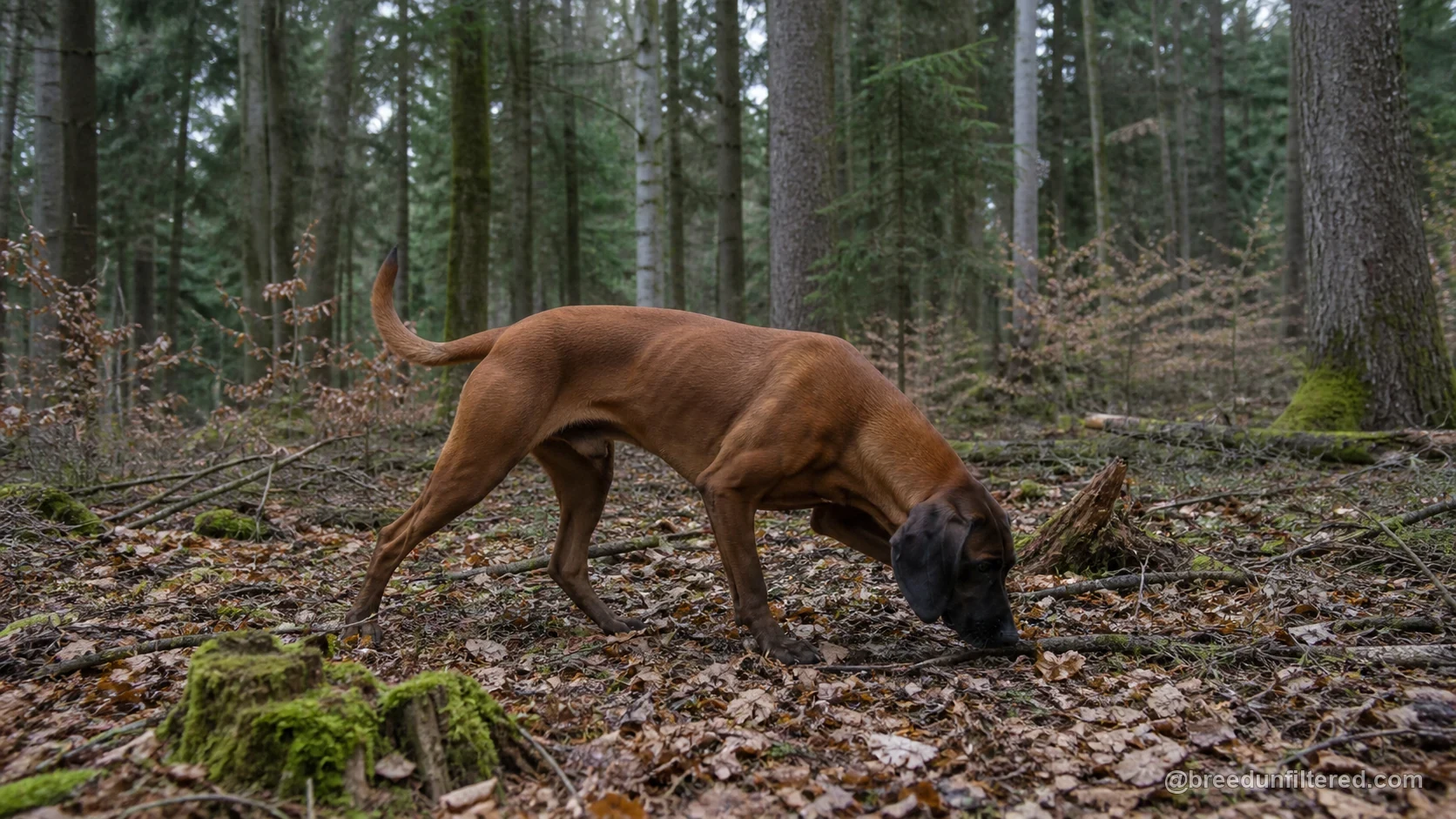
The Hanoverian Scent Hound, known officially as the Hannoverscher Schweisshund, is a specialized tracking dog developed in Germany for trailing wounded big game. This breed is a working partner first and a companion second, prized for its exceptional nose, persistence, and calm, steady temperament. While not a common family pet, the Hanoverian Scent Hound can adapt to a quiet home life when its considerable exercise and mental needs are met.
Prospective owners should understand that this is a breed with a distinct purpose. It is not a high-energy retriever or a playful terrier; instead, it is a deliberate, focused tracker that thrives on challenging scent work. This article provides an evidence-conscious overview of the breed's origins, temperament, care requirements, and suitability for various lifestyles, helping you decide if this specialized hound is the right fit.
Origin and Purpose
The Hanoverian Scent Hound traces its roots to medieval Germany, where it was developed from the heavier 'Leithunde' and other tracking dogs used by hunters. The breed was refined in the Hanover region to track wounded game, particularly deer and wild boar, over long distances and difficult terrain. Its name 'Schweisshund' refers to the 'sweat' or blood trail that the dog follows, a task requiring immense concentration and a reliable nose.
Today, the breed remains primarily a working dog, used by hunters and gamekeepers for tracking and recovery. The FCI standard (No. 213) places it in Group 6, Scent Hounds and Related Breeds, with a definitive recognition. This purpose-driven history means that the Hanoverian Scent Hound's instincts are deeply ingrained, and its physical and mental traits are tailored to a demanding job rather than to being a household pet.
Temperament and Variation
The Hanoverian Scent Hound is known for its calm, composed, and even-tempered nature when not working. It is typically reserved with strangers, showing a quiet aloofness rather than aggression. Within the breed, there can be variation in sociability and energy, but most individuals are steady and reliable. They form strong bonds with their handlers and can be affectionate with family members, though they may not be as demonstrative as some other breeds.
Because the breed was developed for solitary tracking, it tends to be independent and self-assured. This independence can translate into a stubborn streak, especially when the dog is not engaged in a task it finds meaningful. Prospective owners should expect a dog that is thoughtful and deliberate, not one that is constantly seeking attention or eager to please in a conventional sense.
Exercise and Mental Work
The Hanoverian Scent Hound has a moderate energy level, but its exercise needs are specific. It requires regular, vigorous exercise, but more importantly, it needs mental stimulation through scent work. A simple walk is not sufficient; the breed excels when given opportunities to track, search, or participate in nose work activities. Without such challenges, it may become restless or develop undesirable behaviors.
Prospective owners should plan for at least an hour of exercise daily, but this should be combined with structured mental tasks. Activities like tracking trials, scent discrimination games, or even hiding treats for the dog to find can satisfy its innate drive. The breed is not suited for off-leash running in unfenced areas due to its strong tracking instinct, which can lead it to follow a scent for miles.
Training and Socialisation
Training a Hanoverian Scent Hound requires patience, consistency, and a positive, reward-based approach. The breed is intelligent but independent, so it may not respond to forceful methods. Early socialisation is crucial to help the dog become comfortable with various people, animals, and environments, reducing its natural wariness of strangers. Puppy classes and controlled introductions can be beneficial.
Because of its working background, the Hanoverian Scent Hound is often more responsive to training that mimics its natural job. Using scent-based exercises as rewards can be highly effective. However, owners should be prepared for a dog that may be slow to obey commands if it is not motivated. Professional guidance from a trainer experienced with scent hounds is often recommended for first-time owners.
Family and Other Pets
The Hanoverian Scent Hound can be a loyal and gentle companion for families, but it may not be the best choice for households with very young children. Its size and strength could inadvertently knock over a toddler, and its reserved nature may not tolerate rough handling. With older, respectful children, the breed can form strong bonds and be protective.
Regarding other pets, the Hanoverian Scent Hound has a high prey drive, which can make it unsafe around small animals such as cats, rabbits, or small dogs. It was bred to track game, and that instinct is powerful. Early socialisation with other dogs can help, but supervision is essential. The breed is generally not recommended for homes with small pets unless the dog is raised with them from puppyhood and carefully managed.
Grooming and Health
The Hanoverian Scent Hound has a short, dense coat that is relatively low-maintenance. Weekly brushing with a firm bristle brush or a hound glove will help remove loose hair and keep the coat healthy. The breed sheds moderately, and more frequent brushing may be needed during seasonal changes. Regular ear checks are important, as the breed's floppy ears can trap moisture and debris, potentially leading to infections.
As with many purebred dogs, the Hanoverian Scent Hound may be prone to certain health conditions, though the breed is generally robust. Hip dysplasia and bloat (gastric dilatation-volvulus) are concerns in large, deep-chested breeds. Responsible breeders screen for hereditary issues, and prospective owners should ask about health clearances. Regular veterinary check-ups and a balanced diet are essential for maintaining overall health.
Costs and Responsibility
Owning a Hanoverian Scent Hound is a significant financial and time commitment. Initial costs include the purchase price from a reputable breeder, which can be substantial, as well as supplies such as a crate, bedding, and high-quality food. Ongoing expenses include veterinary care, vaccinations, parasite prevention, and potential emergency treatments. The breed's exercise and mental needs also require a considerable investment of time each day.
Beyond finances, prospective owners must be prepared for the responsibility of managing a working dog. This includes providing secure fencing, ensuring the dog is never off-leash in unsecured areas, and committing to ongoing training and mental stimulation. The breed is not suited for apartment living or a sedentary lifestyle. It thrives in a rural or suburban home with access to safe, open spaces where it can use its nose.
Clear answers
FREQUENTLY ASKED QUESTIONS
Is the Hanoverian Scent Hound a good family dog?
The Hanoverian Scent Hound can be a good family dog for households with older, respectful children. It is generally calm and loyal, but its size and strength may be too much for very young kids. Early socialisation and supervision are essential. The breed's high prey drive also means it may not be safe around small pets, so careful management is required.
How much exercise does a Hanoverian Scent Hound need?
The Hanoverian Scent Hound needs at least an hour of exercise daily, but this should be more than just a walk. It requires vigorous physical activity combined with mental challenges like scent work or tracking. Without sufficient mental stimulation, the breed can become bored and develop destructive behaviors. Owners should be prepared to engage the dog's nose regularly.
Are Hanoverian Scent Hounds easy to train?
Training a Hanoverian Scent Hound can be challenging due to its independent nature. It is intelligent but may be stubborn, so positive, reward-based methods work best. Early socialisation and consistent, patient training are crucial. Using scent-based exercises as rewards can be highly effective. Professional guidance is often recommended for first-time owners.
Do Hanoverian Scent Hounds get along with other dogs?
With proper socialisation, Hanoverian Scent Hounds can get along with other dogs, especially if raised together. However, they have a strong prey drive and may not be reliable with small animals. They are generally not aggressive but may be reserved with unfamiliar dogs. Supervision and gradual introductions are important to ensure positive interactions.
What are the grooming requirements for a Hanoverian Scent Hound?
The Hanoverian Scent Hound has a short, dense coat that requires minimal grooming. Weekly brushing helps manage shedding and keeps the coat healthy. Regular ear checks are important due to the floppy ears, which can trap moisture and lead to infections. Nail trimming and dental care are also part of routine maintenance.
Sources and further reading
Scores describe typical breed tendencies from 1 to 10. They are not a quality ranking or a prediction for an individual dog.
Size and presence5/10
CompactVery large
Physical strength6/10
LightExceptional
Energy level9/10
LowRelentless
Exercise demand9/10
ModestVery demanding
Mental work needed8/10
ModerateDaily job
Trainability5/10
ChallengingExceptional
Everyday manageability1/10
SpecialistStraightforward
First-time owner fit3/10
Poor fitGood fit
Family-life fit6/10
LimitedExcellent
Dog sociability8/10
SelectiveVery social
Prey drive10/10
LowVery high
Guarding tendency3/10
MinimalSerious
Independence10/10
Handler-focusedSelf-directed
Grooming demand2/10
LightHeavy
Apartment fit4/10
Poor fitGood fit