Complete breed guide
Bernese Mountain Dog OWNERSHIP GUIDE
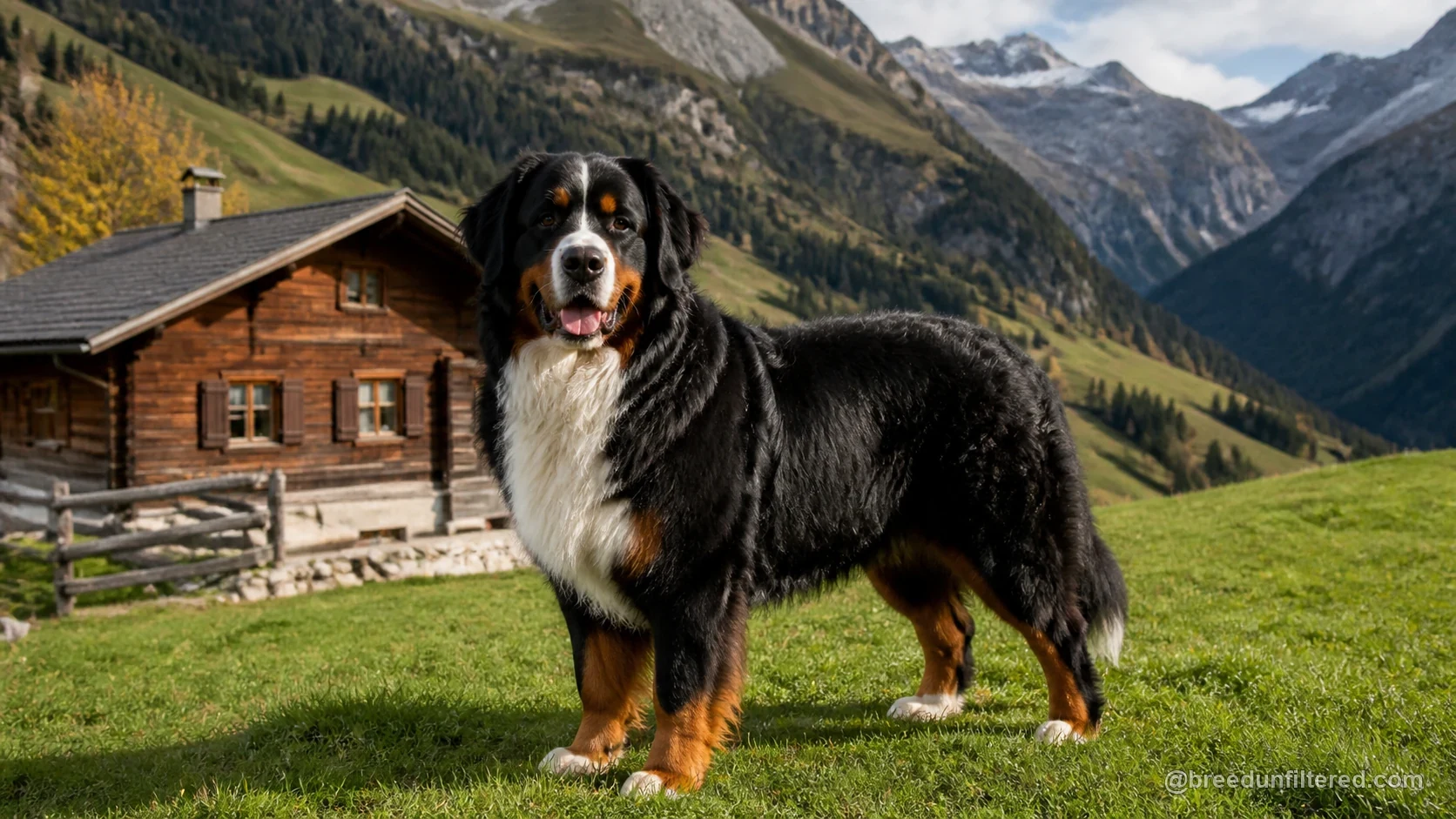
The Bernese Mountain Dog, known in its native Switzerland as the Berner Sennenhund, is a large, striking breed with a tricolored coat and a calm, steady presence. Originating from the canton of Bern, these dogs were historically used as farm dogs, draft animals, and companions, valued for their strength and versatility. Today, they are cherished family pets, admired for their gentle nature and striking appearance, but they come with specific needs that prospective owners should carefully consider.
This article provides an evidence-conscious overview of the Bernese Mountain Dog, drawing on the official FCI standard and reputable breed resources. We will explore the breed's origin and purpose, typical temperament, exercise and mental stimulation requirements, training and socialization needs, compatibility with families and other pets, grooming and health considerations, and the financial and time commitments involved. The goal is to help you make an informed decision about whether this majestic breed is the right fit for your lifestyle.
Origin and Purpose
The Bernese Mountain Dog is one of four Swiss Sennenhund breeds, all of which share a common ancestry as farm and draft dogs in the Swiss Alps. The breed's name derives from the canton of Bern, where it was particularly prevalent. Historically, these dogs were used for herding cattle, guarding property, and pulling carts loaded with milk and cheese to market. Their strength, endurance, and willingness to work made them indispensable to Swiss farmers.
The FCI standard (No. 45) describes the Bernese Mountain Dog as a 'tricoloured, long-haired, sturdy and agile dog' with a 'kind and devoted' temperament. The breed was officially recognized by the FCI in 1954, and today it is primarily a companion and family dog, though many still participate in drafting and cart-pulling activities. Understanding this heritage helps explain the breed's need for purposeful activity and its strong bond with its human family.
Temperament and Variation
The Bernese Mountain Dog is generally described as calm, affectionate, and loyal. The FCI standard notes that 'the Bernese Mountain Dog is self-confident, good-natured, and devoted to his family.' They are often gentle with children and can be reserved with strangers, but they are not typically aggressive. However, like all breeds, individual temperament varies, and early socialization and training are essential to bring out the best in any dog.
While the breed is known for its even disposition, there is variation among individuals. Some Bernese may be more outgoing, while others are more aloof. They are often described as 'gentle giants' due to their size and calm nature, but they are also sensitive and responsive to their owner's mood. Prospective owners should be prepared for a dog that thrives on human companionship and may not do well when left alone for long periods.
Exercise and Mental Work
Bernese Mountain Dogs are a working breed, so they require regular exercise to maintain physical and mental health. However, they are not hyperactive; a moderate daily walk, playtime in a securely fenced yard, and opportunities to engage in activities like cart-pulling or obedience can meet their needs. The FCI standard emphasizes the breed's 'endurance' and 'agility,' so they benefit from varied activities that challenge both body and mind.
Mental stimulation is equally important. Puzzle toys, scent work, and training sessions that teach new tasks can help prevent boredom and destructive behaviors. Because they were bred to work alongside humans, they often enjoy having a 'job' to do. Owners should be mindful not to over-exercise puppies, as their growing bones and joints are vulnerable, but adult dogs can handle moderate to vigorous activity.
Training and Socialisation
Bernese Mountain Dogs are intelligent and generally eager to please, which makes them trainable, but they can also be somewhat stubborn. Positive reinforcement methods, such as treats and praise, work best. Harsh training techniques can damage their sensitive nature and erode trust. Early obedience training is recommended to establish good manners and a strong bond between dog and owner.
Socialisation is crucial from a young age. Exposing the puppy to a variety of people, animals, environments, and situations helps them grow into well-adjusted adults. The breed's natural reserve with strangers can be managed through gentle, positive introductions. Puppy classes and regular outings can help build confidence and reduce the likelihood of fear-based behaviors.
Family and Other Pets
Bernese Mountain Dogs are known for their affectionate and patient nature with children, making them a popular family choice. They are generally gentle and tolerant, but due to their large size, supervision is always recommended when they are around very young children to prevent accidental knocking over. They form strong bonds with their family and often want to be involved in all household activities.
With other pets, Bernese can coexist peacefully, especially if raised together. They typically have a moderate prey drive, but with proper socialization, they can live with cats and other small animals. However, their herding and guarding instincts may lead them to chase or protect, so introductions should be managed carefully. As with any breed, individual temperament varies, and early socialization is key.
Grooming and Health
The Bernese Mountain Dog has a long, thick double coat that requires regular grooming. Weekly brushing is typically needed to remove loose hair and prevent mats, with more frequent brushing during seasonal sheds. They are heavy shedders, and owners should be prepared for hair on clothing and furniture. Regular nail trimming, ear cleaning, and dental care are also part of routine maintenance.
Health-wise, Bernese Mountain Dogs are prone to certain conditions, including hip and elbow dysplasia, certain cancers, and bloat. The FCI standard notes that the breed has a 'limited lifespan' and that 'careful breeding' is important. Prospective owners should seek reputable breeders who perform health screenings and provide health clearances. Regular veterinary check-ups and a balanced diet are essential to support their overall well-being.
Costs and Responsibility
Owning a Bernese Mountain Dog involves significant financial and time commitments. Initial costs include the purchase price from a responsible breeder, which can be substantial, as well as supplies like a crate, bedding, food, and grooming tools. Ongoing expenses include high-quality food, routine veterinary care, vaccinations, and preventive medications. Emergency medical care and potential treatments for breed-related conditions can add to the financial burden.
Beyond finances, this breed requires a considerable time investment. They need daily exercise, mental stimulation, grooming, and, most importantly, companionship. They are not suited to being left alone for long hours. Prospective owners should assess their lifestyle, living situation, and ability to meet these needs. Responsible ownership also includes training, socialization, and providing a safe, loving environment for the dog's entire life, which may be shorter than average due to health concerns.
Clear answers
FREQUENTLY ASKED QUESTIONS
Are Bernese Mountain Dogs good with children?
Bernese Mountain Dogs are generally known for their gentle and patient nature, making them good family dogs. They often form strong bonds with children and can be very tolerant. However, due to their large size, supervision is recommended when they are around very young children to prevent accidental injuries. Early socialization and training are important to ensure they interact appropriately with kids.
How much exercise does a Bernese Mountain Dog need?
Bernese Mountain Dogs are a working breed and require regular exercise to stay healthy and happy. A moderate daily walk, playtime in a fenced yard, and mental stimulation through training or puzzle toys are typically sufficient. They are not overly energetic but do need consistent activity. Puppies should avoid excessive exercise to protect their developing joints, while adults can handle moderate to vigorous activities.
Are Bernese Mountain Dogs easy to train?
Bernese Mountain Dogs are intelligent and generally eager to please, which can make training rewarding. However, they can also be somewhat stubborn at times. Positive reinforcement methods, such as treats and praise, work best. Early obedience training and socialization are crucial to manage their size and natural reserve. Consistency and patience are key to successful training.
Do Bernese Mountain Dogs shed a lot?
Yes, Bernese Mountain Dogs are heavy shedders, especially during seasonal changes. They have a thick double coat that requires regular brushing, typically weekly, to remove loose hair and prevent mats. During shedding seasons, more frequent brushing may be needed. Owners should be prepared for hair in the home and on clothing, and regular grooming is essential to maintain coat health.
What health issues are common in Bernese Mountain Dogs?
Bernese Mountain Dogs are prone to certain health conditions, including hip and elbow dysplasia, some forms of cancer, and bloat (gastric dilatation-volvulus). The FCI standard notes a limited lifespan, and responsible breeding practices are important. Prospective owners should seek breeders who perform health screenings and provide clearances. Regular veterinary care and a healthy lifestyle can help manage risks.
Sources and further reading
Scores describe typical breed tendencies from 1 to 10. They are not a quality ranking or a prediction for an individual dog.
Size and presence8/10
CompactVery large
Physical strength8/10
LightExceptional
Energy level6/10
LowRelentless
Exercise demand6/10
ModestVery demanding
Mental work needed7/10
ModerateDaily job
Trainability7/10
ChallengingExceptional
Everyday manageability4/10
SpecialistStraightforward
First-time owner fit3/10
Poor fitGood fit
Family-life fit7/10
LimitedExcellent
Dog sociability4/10
SelectiveVery social
Prey drive6/10
LowVery high
Guarding tendency8/10
MinimalSerious
Independence7/10
Handler-focusedSelf-directed
Grooming demand5/10
LightHeavy
Apartment fit3/10
Poor fitGood fit