Complete breed guide
Puli OWNERSHIP GUIDE
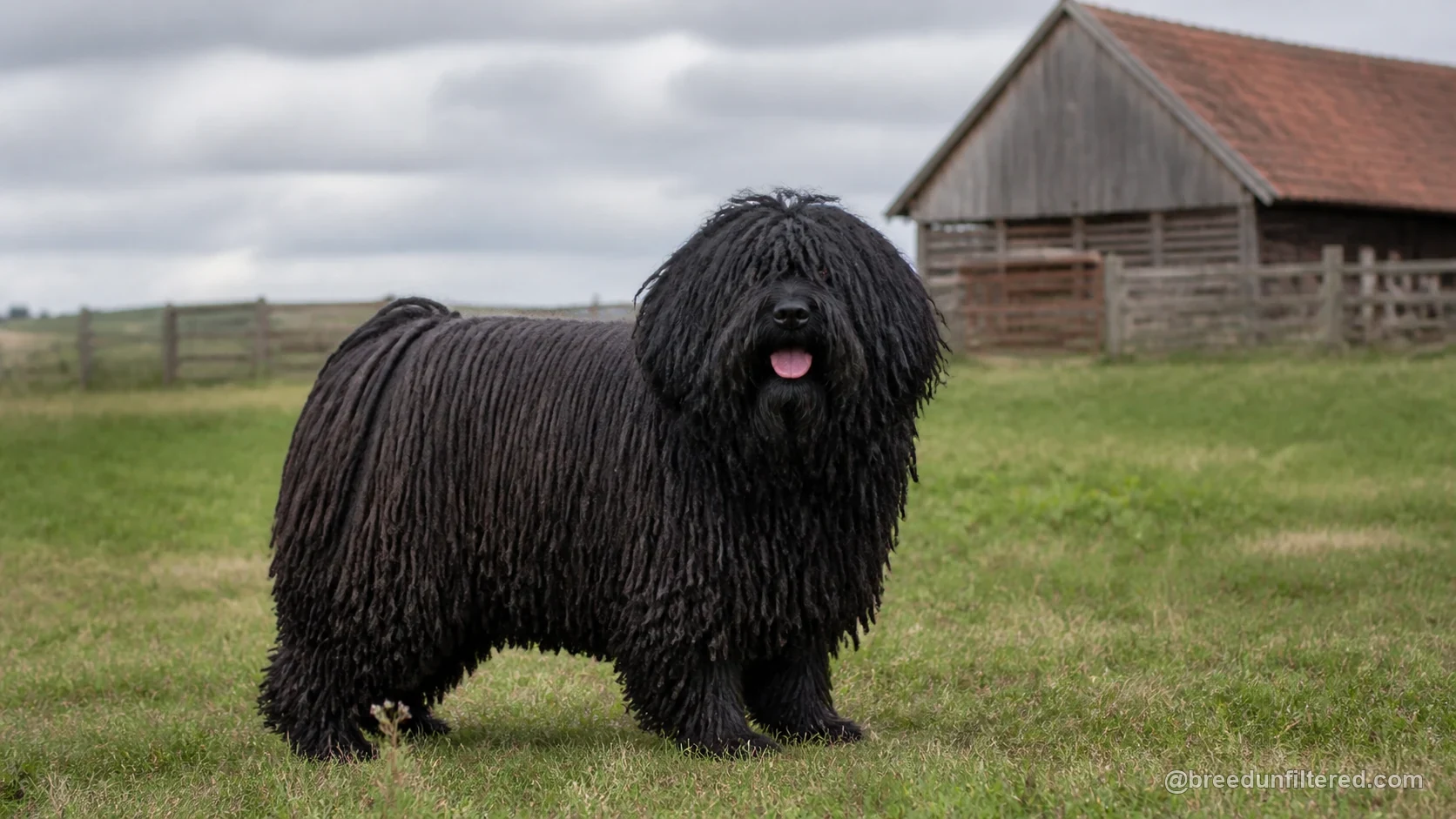
The Puli is a distinctive Hungarian herding breed, instantly recognizable by its dense, corded coat that resembles dreadlocks. This ancient breed has been working alongside shepherds for centuries, driving and guarding livestock in the Carpathian Basin. With a lively, intelligent, and sometimes mischievous personality, the Puli is a versatile companion that thrives in an active home.
Prospective owners should understand that the Puli is not a low-maintenance dog. Its unique coat requires dedicated care, and its herding instincts demand both physical and mental engagement. This article provides an evidence-conscious overview of the breed's origin, temperament, care requirements, and potential challenges, helping you decide if a Puli is the right fit for your lifestyle.
Origin and Purpose
The Puli is one of several Hungarian herding breeds, with a history that likely spans over a thousand years. Believed to have been brought to Hungary by the Magyars, these dogs were valued for their agility, intelligence, and ability to work independently in the field. The breed's name, 'Puli,' is thought to derive from a Hungarian word for 'to strike' or 'to follow,' reflecting its herding style.
Historically, the Puli was used to gather and drive sheep, often working in partnership with the larger Komondor, which served as a livestock guardian. The Puli's small size and quick movements allowed it to maneuver easily among sheep, while its weather-resistant corded coat protected it from harsh conditions. Today, the Puli is recognized by the FCI in Group 1, Sheepdogs and Cattle Dogs, and is also a beloved companion and competitor in dog sports.
Temperament and Variation
The Puli is known for its lively, alert, and affectionate nature. It is often described as a 'big dog in a small dog's body,' possessing the confidence and drive of a larger herding breed. Pulik are typically devoted to their families and can be wary of strangers, making them effective watchdogs. However, individual temperament varies, and early socialization is crucial to ensure a well-adjusted adult.
While the breed standard describes a general character, individual Pulik may differ in energy levels, sociability, and trainability. Some may be more independent and stubborn, while others are eager to please. Prospective owners should meet multiple Pulik and consult with breeders to understand the range of temperaments within the breed. It is also important to note that the Puli's herding instinct can manifest in behaviors such as nipping at heels or attempting to 'herd' children and other pets.
Exercise and Mental Work
The Puli is an energetic and agile breed that requires regular physical activity to stay healthy and content. Daily walks, play sessions, and opportunities to run in a securely fenced area are essential. However, exercise needs can vary based on the individual dog's age, health, and temperament. Some Pulik may be satisfied with moderate activity, while others may demand more vigorous exercise.
Mental stimulation is equally important for this intelligent breed. Puzzle toys, obedience training, and canine sports such as agility, rally, or herding trials can provide valuable outlets for the Puli's problem-solving abilities. Without adequate mental and physical engagement, a Puli may develop undesirable behaviors such as excessive barking, digging, or chewing. Owners should be prepared to invest time in both physical and mental enrichment.
Training and Socialisation
Training a Puli requires patience, consistency, and a positive approach. This breed is intelligent but can be independent and somewhat stubborn, so harsh methods are counterproductive. Early socialization is vital to help the Puli become a well-mannered companion. Exposing the puppy to various people, environments, and other animals can reduce the likelihood of fearfulness or aggression.
Pulik respond well to reward-based training that incorporates play and treats. They are often quick learners, but they may also test boundaries. Owners should establish clear rules and provide structured activities to channel the dog's energy. Enrolling in puppy classes or working with a professional trainer can be beneficial, especially for first-time owners. It is also important to note that the Puli's herding instinct may require management, such as teaching a reliable recall and discouraging nipping.
Family and Other Pets
The Puli can make a loving and loyal family dog, especially in homes where it receives ample attention and exercise. It is often good with children, particularly when raised with them, but its herding instinct may lead it to chase or nip at running kids. Supervision and training are necessary to ensure safe interactions. The breed's alertness also makes it a good watchdog, though it may bark more than some owners prefer.
When it comes to other pets, the Puli's compatibility varies. Some Pulik get along well with other dogs, especially if socialized from a young age, while others may be assertive or territorial. The breed's strong prey drive can be a concern with small animals such as cats, rabbits, or rodents. Early and consistent socialization can help, but there is no guarantee. Prospective owners should consider their existing pets and be prepared to manage introductions carefully.
Grooming and Health
The Puli's most distinctive feature is its corded coat, which requires significant grooming commitment. The coat naturally forms cords as the dog matures, but it needs regular separation and maintenance to prevent matting and skin issues. Some owners choose to keep the coat clipped short for easier care, but this changes the breed's appearance. Bathing and drying a corded coat is time-consuming and may require professional assistance.
As with all breeds, the Puli is prone to certain health conditions, though not all individuals will be affected. Hip dysplasia, progressive retinal atrophy, and patellar luxation are among the conditions that have been reported. Responsible breeders screen their breeding stock for these issues. Prospective owners should ask for health clearances and be aware of the potential costs of veterinary care. Regular check-ups and a healthy diet are important for overall well-being.
Costs and Responsibility
Owning a Puli involves financial and time commitments. Initial costs include the purchase price from a reputable breeder, which can vary widely, as well as supplies such as a crate, leash, and grooming tools. Ongoing expenses include high-quality food, routine veterinary care, and grooming supplies or professional grooming services. The corded coat may require professional grooming every few months, adding to the cost.
Beyond finances, responsible ownership means providing proper training, socialization, exercise, and mental stimulation for the dog's entire life. The Puli is a long-lived breed, often living 12-15 years, so this is a long-term commitment. Prospective owners should also consider their living situation, as the Puli can adapt to apartment living if given enough exercise, but its barking and energy may be challenging in close quarters. It is essential to research the breed thoroughly and ensure you can meet its needs.
Clear answers
FREQUENTLY ASKED QUESTIONS
Does the Puli shed?
The Puli is a low-shedding breed, but its corded coat requires regular maintenance to prevent matting. The coat does shed, but the shed hairs become trapped in the cords, so they are not released into the environment as much as with other breeds. Regular separation of cords and proper grooming are necessary to keep the coat healthy.
Is the Puli good for first-time owners?
The Puli can be a challenging breed for first-time owners due to its intelligence, independence, and grooming needs. It requires consistent training and ample exercise. However, with dedication and possibly professional guidance, a first-time owner can successfully raise a Puli if they are prepared for the commitment.
How much exercise does a Puli need?
Exercise needs vary by individual, but most Pulik require at least an hour of physical activity daily, including walks and playtime. They also need mental stimulation to prevent boredom. Some Pulik may need more or less exercise depending on their age and temperament, so it is important to adjust accordingly.
Are Pulik good with children?
Pulik can be good with children, especially when raised with them, but their herding instinct may lead them to nip at heels. Supervision and training are essential to teach the dog appropriate behavior. Early socialization with children can help the Puli become a gentle and tolerant companion.
What is the lifespan of a Puli?
The Puli typically lives between 12 and 15 years, which is relatively long for a dog of its size. Providing proper nutrition, regular veterinary care, and a healthy lifestyle can contribute to a longer, healthier life. Responsible breeding practices also play a role in the breed's overall health.
Sources and further reading
Scores describe typical breed tendencies from 1 to 10. They are not a quality ranking or a prediction for an individual dog.
Size and presence6/10
CompactVery large
Physical strength5/10
LightExceptional
Energy level9/10
LowRelentless
Exercise demand9/10
ModestVery demanding
Mental work needed10/10
ModerateDaily job
Trainability9/10
ChallengingExceptional
Everyday manageability2/10
SpecialistStraightforward
First-time owner fit3/10
Poor fitGood fit
Family-life fit7/10
LimitedExcellent
Dog sociability6/10
SelectiveVery social
Prey drive9/10
LowVery high
Guarding tendency9/10
MinimalSerious
Independence6/10
Handler-focusedSelf-directed
Grooming demand8/10
LightHeavy
Apartment fit4/10
Poor fitGood fit