Complete breed guide
Lancashire Heeler OWNERSHIP GUIDE
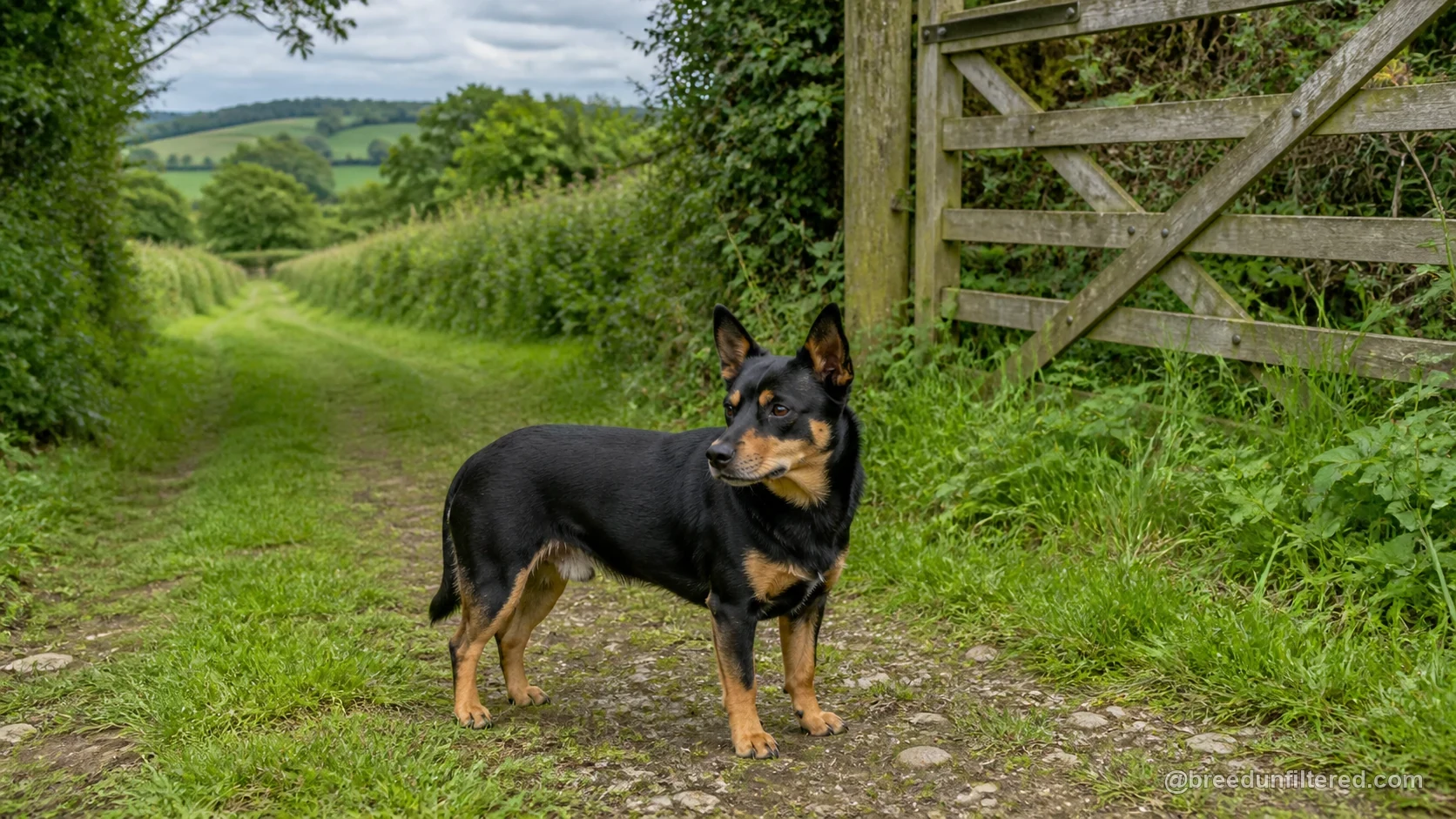
The Lancashire Heeler is a small, sturdy dog with a big personality, historically used as a cattle drover and ratter in the northwest of England. Recognized provisionally by the FCI, this breed combines herding instincts with a cheerful, alert demeanor, making it an intriguing choice for those seeking a versatile companion. However, its working heritage means it thrives with purposeful activity and mental engagement, not just casual petting.
Prospective owners should understand that the Lancashire Heeler is not a lapdog in the traditional sense; it is an active, intelligent breed that enjoys having a job to do. While adaptable to various living situations, its herding and chasing instincts require thoughtful management. This article provides a balanced overview of the breed's characteristics, care requirements, and the responsibilities that come with welcoming one into your home.
Origin and Purpose
The Lancashire Heeler originated in the county of Lancashire, England, where it was developed to drive cattle and clear vermin. Its exact ancestry is not fully documented, but it is believed to descend from Welsh Corgis and Manchester Terriers, combining the herding ability of the former with the tenacity of the latter. The breed was recognized provisionally by the FCI in 2016, reflecting its historical significance and dedicated following.
Historically, these dogs were valued for their versatility on farms, able to nip at the heels of cattle to move them and also hunt rats and other pests. This dual purpose shaped a dog that is both agile and determined, with a strong work ethic. Today, while fewer are used for herding, the breed's instincts remain, and many participate in dog sports such as agility, obedience, and barn hunt, channeling their energy into structured activities.
Temperament and Variation
The Lancashire Heeler is known for its cheerful, alert, and sometimes clownish personality. It is typically affectionate with its family and can be reserved with strangers, making it a decent watchdog. However, individual temperaments vary, and early socialization is crucial to ensure a well-rounded adult. The breed is intelligent and can be independent, which may manifest as stubbornness if training is not consistent and engaging.
While generally good-natured, the Heeler's herding instinct can lead to nipping at heels, especially with children or other pets. This behavior is manageable with training and redirection. The breed is also known for its sensitivity; it responds best to positive reinforcement and may become withdrawn if handled harshly. Prospective owners should be prepared for a dog that is eager to please but also has a mind of its own.
Exercise and Mental Work
The Lancashire Heeler is an energetic breed that requires daily physical activity to stay healthy and content. A brisk walk or jog, combined with play sessions, can help meet its exercise needs. However, physical exercise alone is not sufficient; this intelligent dog also needs mental stimulation to prevent boredom and destructive behaviors. Puzzle toys, scent games, and training sessions that challenge its mind are excellent outlets.
Given its herding background, the Heeler excels in activities that mimic work, such as herding trials, agility, and flyball. These activities provide both physical and mental engagement, strengthening the bond between dog and owner. Without adequate stimulation, the breed may develop undesirable habits like excessive barking or digging. Owners should be ready to invest time in creative play and training to keep their Heeler satisfied.
Training and Socialisation
Training a Lancashire Heeler requires patience, consistency, and a positive approach. The breed is intelligent and learns quickly, but it can also be willful, so training sessions should be varied and rewarding. Using treats, praise, and play as rewards works well, while harsh corrections can damage trust and hinder progress. Early obedience training is recommended to establish good manners and a strong foundation.
Socialisation is equally important, especially given the breed's natural wariness of strangers and its herding instincts. Exposing the Heeler to a wide range of people, animals, and environments from a young age helps it become a confident and well-adjusted adult. Puppy classes and controlled introductions to other dogs can be beneficial. With proper socialisation, the Heeler can learn to coexist peacefully with other pets, though supervision is advised due to its chasing tendencies.
Family and Pets
The Lancashire Heeler can make a wonderful family dog for those who understand its needs. It is typically loyal and affectionate with its family, often forming a strong bond with one person. However, its herding instinct may lead it to try to round up children, which can result in nipping. Teaching children how to interact respectfully with the dog and providing the dog with appropriate outlets for its instincts are essential.
When it comes to other pets, the Heeler's prey drive can be a challenge. It may chase small animals like cats or rabbits, though early socialisation can mitigate this. Many Heelers live happily with cats if raised together, but supervision is always wise. The breed generally gets along with other dogs, especially if well-socialised, but its assertive nature may lead to conflicts with dominant dogs. A structured introduction and ongoing management are key.
Grooming and Health
Grooming the Lancashire Heeler is relatively straightforward. The breed has a short, weather-resistant double coat that sheds moderately year-round and more heavily during seasonal changes. Weekly brushing helps remove loose hair and keep the coat healthy. Bathing is only necessary when the dog is dirty, as over-bathing can strip natural oils. Regular ear checks, nail trims, and dental care are also part of routine maintenance.
As a breed, the Lancashire Heeler is generally healthy, but like all dogs, it can be prone to certain conditions. Eye disorders, such as primary lens luxation, and patellar luxation have been reported. Responsible breeders screen for these issues, and prospective owners should ask about health testing. Maintaining a healthy weight and providing regular veterinary care can help prevent some problems. It is important to note that not every individual will develop these conditions, and a balanced lifestyle contributes to overall well-being.
Costs and Responsibility
Owning a Lancashire Heeler involves financial and time commitments. Initial costs include the purchase price, which can vary depending on the breeder and location, as well as supplies like a crate, bedding, and food. Ongoing expenses include high-quality dog food, routine veterinary care, vaccinations, and preventive medications. Pet insurance is also worth considering to help manage unexpected health costs.
Beyond finances, responsible ownership means dedicating time to exercise, training, and companionship. The Heeler is not a breed that can be left alone for long periods; it thrives on interaction and can become destructive if bored. Prospective owners should assess their lifestyle to ensure they can meet the breed's needs. Adopting from a rescue or choosing a reputable breeder who prioritises health and temperament is crucial. The reward is a loyal, lively companion that brings joy to those who appreciate its spirited nature.
Clear answers
FREQUENTLY ASKED QUESTIONS
Is the Lancashire Heeler a good family dog?
The Lancashire Heeler can be a good family dog for active households that understand its herding instincts. It is affectionate with family members but may try to herd children by nipping at their heels. With proper training and supervision, it can thrive in a family setting, especially if children are taught to interact gently and respectfully.
How much exercise does a Lancashire Heeler need?
The Lancashire Heeler is an energetic breed that requires daily physical activity, such as brisk walks or play sessions. However, mental stimulation is equally important to prevent boredom. Engaging in activities like agility, herding trials, or puzzle games can help meet its exercise and mental needs, keeping it happy and well-behaved.
Does the Lancashire Heeler get along with other pets?
The Lancashire Heeler has a strong prey drive, so it may chase small animals like cats or rabbits. Early socialisation can help it coexist with other pets, but supervision is always recommended. With proper introductions, many Heelers live peacefully with cats and other dogs, though individual temperaments vary.
What are common health issues in Lancashire Heelers?
Lancashire Heelers are generally healthy, but they may be prone to certain conditions like primary lens luxation and patellar luxation. Responsible breeders screen for these issues, and regular veterinary check-ups are important. Maintaining a healthy weight and providing proper care can help reduce the risk of some health problems.
Is the Lancashire Heeler easy to train?
The Lancashire Heeler is intelligent and eager to please, making it trainable with positive reinforcement methods. However, it can be independent and stubborn at times, so consistency and patience are key. Short, varied training sessions with rewards work best, while harsh methods can be counterproductive.
Sources and further reading
Scores describe typical breed tendencies from 1 to 10. They are not a quality ranking or a prediction for an individual dog.
Size and presence5/10
CompactVery large
Physical strength5/10
LightExceptional
Energy level6/10
LowRelentless
Exercise demand6/10
ModestVery demanding
Mental work needed7/10
ModerateDaily job
Trainability7/10
ChallengingExceptional
Everyday manageability4/10
SpecialistStraightforward
First-time owner fit5/10
Poor fitGood fit
Family-life fit6/10
LimitedExcellent
Dog sociability6/10
SelectiveVery social
Prey drive8/10
LowVery high
Guarding tendency6/10
MinimalSerious
Independence6/10
Handler-focusedSelf-directed
Grooming demand5/10
LightHeavy
Apartment fit5/10
Poor fitGood fit